Why Expats in Calpe Love Outdoor Cooking
Calpe’s 57.6% international population — the highest expat ratio of any major Costa Blanca town — has created a buzzing, multicultural outdoor cooking scene beneath the iconic Peñón de Ifach.
With nearly 15,000 foreign residents out of a population of 26,600, Calpe is genuinely multicultural. British, German, and Russian communities each bring their own grilling traditions — from Sunday roasts to Bratwurst to shashlik — and the result is a town where outdoor cooking is woven into the social fabric.
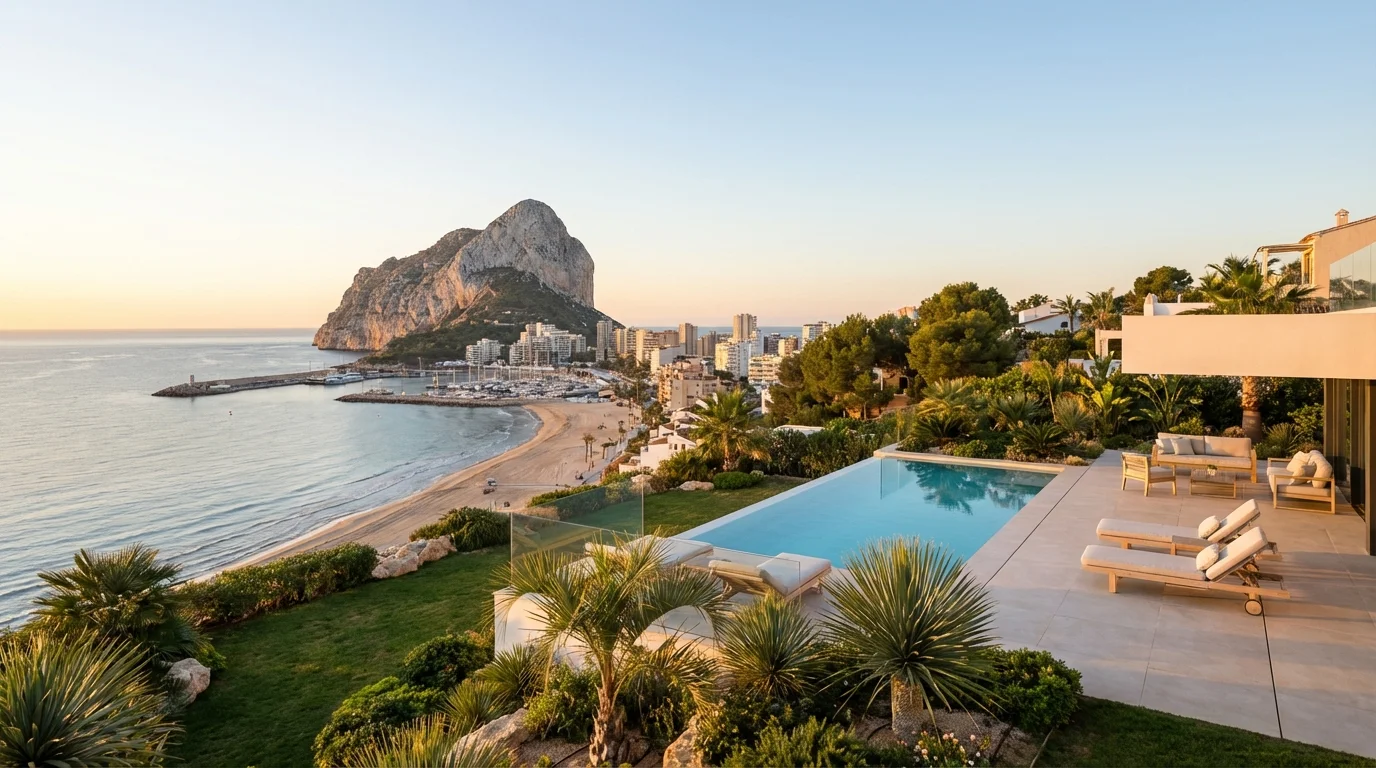
The Peñón de Ifach, Calpe’s dramatic 332-metre limestone rock, defines the town’s geography and microclimates. Properties on the Levante side enjoy morning sun and shelter from westerly winds, while homes in La Fossa get long afternoon light that extends barbecue season well into the evening. The Salt Flats nature reserve to the south gives every terrace a distinctly Mediterranean sense of openness.
With average property prices around €320,000, Calpe attracts a broad range of expats — from retirees converting their terrace into a cooking haven to young families wanting a quality gas BBQ for weekend gatherings.
Answer capsule: Calpe’s 57.6% expat population and accessible property market make it the most internationally diverse outdoor cooking community on the northern Costa Blanca.
Your Calpe Outdoor Kitchen Setup
Calpe’s mix of seafront apartments, La Fossa townhouses, and hillside villas means solutions range from compact balcony setups to full terrace installations.
Along the Levante and La Fossa beachfronts, modern apartments with 10–20m² terraces are the norm. A Kamado Joe Junior or a portable gas BBQ paired with a foldable prep table gives you serious cooking capability without crowding your space.
Move into the hillside urbanisations behind the Peñón — Maryvilla, Cometa, and Oltamar — and detached villas with 30–60m² terraces and private gardens are common. These are where we install complete packages: built-in gas grill, full-size kamado, pizza oven alcove, and Silestone countertops that withstand the coastal salt air.
Costa Blanca Outdoors recommends that Calpe apartment owners consider a kamado grill as their primary investment. The all-in-one versatility — grilling, smoking, roasting, baking — gives you multiple cooking methods in a single footprint, exactly what a compact terrace demands.
Answer capsule: Calpe apartment dwellers benefit from compact kamado grills or portable gas BBQs, while Maryvilla and Cometa villa owners have space for complete outdoor kitchen islands.
Gas, Charcoal, or Wood-Fired? Choosing Right for Calpe
Calpe’s coastal breezes and diverse property types make fuel choice a practical decision — gas for convenience in apartments, charcoal and wood for flavour in villas.
The Levante and Poniente breezes that make Calpe pleasant in summer can affect open-flame cooking on exposed upper-floor terraces. Gas BBQs with windshield burner systems are our top recommendation for seafront apartments — they deliver consistent heat regardless of conditions.
For villa owners in sheltered hillside areas, kamado cooking comes into its own. The thermal mass of ceramic makes a kamado virtually wind-proof once sealed. Calpe’s German and Russian communities have been particularly enthusiastic adopters — perhaps because low-and-slow techniques resonate with their own smoking and curing traditions.
Wood-fired pizza ovens work beautifully in Calpe’s villa gardens. Firewood is sourced through commercial suppliers in Benissa or Callosa d’en Sarrià, and we stock kiln-dried cooking wood for delivery. Costa Blanca Outdoors recommends almond wood for pizza ovens — it burns hot and clean, reaching the 450°C floor temperatures that proper Neapolitan pizza demands.
Answer capsule: Gas BBQs handle Calpe’s coastal breezes best for apartment cooking, while wind-proof kamado grills and wood-fired pizza ovens suit the sheltered hillside villas.
Delivery & Setup in Calpe
Calpe sits centrally on our northern Costa Blanca delivery route, with easy AP-7 motorway access and regular weekly deliveries throughout the town.
The AP-7 exit drops directly into town, and even the hillside urbanisations have wider, better-maintained roads than many neighbouring areas. We can deliver full-size outdoor kitchen components without the access restrictions that sometimes apply elsewhere.
For apartment deliveries along Levante and La Fossa, we coordinate building access and use specialist equipment for upper-floor installations. A 90kg kamado on a fifth-floor terrace is no problem with proper planning.
Customers in nearby Moraira and Altea benefit from our regular Calpe schedule. We also serve Benissa on the same routes. Standard delivery is 5–10 working days, with complete setup including assembly, gas connection testing, and a hands-on walkthrough so you are grilling with confidence from day one.
Glass Curtains & Glass Rooms in Calpe: Practical Solutions for Coastal Living
Living on this specific stretch of the Mediterranean coast offers a unique environmental profile that dictates how we use our homes. This town is characterized by its dramatic geography, dominated by the Peñón de Ifach, which serves as more than just a visual landmark. This massive limestone rock, along with the surrounding mountain ranges, creates a sheltered microclimate that mimics the protection found further north near the Montgó. For the 26,600 residents here, this translates to a winter environment that is notably milder and less humid than the southern stretches of the Costa Blanca. However, the coastal breeze remains a constant factor, particularly for those living in the luxury hillside villas that populate areas like Maryvilla or the heights of Grapet. These properties typically feature expansive terraces, often ranging from 40 to 80 square meters, designed to capture views of the Salt Flats or the stretch of sand along La Fossa. While these spaces are perfect during the temperate months, they often become unusable during the occasional "Gota Fría" or when the moderate coastal winds pick up speed.
The demographic here is incredibly international, with over 57% of the population coming from outside of Spain. The British, German, and Russian communities have significantly influenced the local architectural landscape, particularly regarding how outdoor spaces are utilized. Unlike traditional Spanish builds which often featured small, shaded balconies, the modern expat preference leans toward large, open-air living rooms and high-spec outdoor kitchens. When you invest an average of EUR 320,000 in a property here, you expect to use every square meter of that footprint year-round. Glass curtains and enclosed glass rooms have become the standard solution for bridging the gap between an open terrace and a fully enclosed interior. These systems allow you to retain the panoramic views of the Mediterranean while creating a thermal barrier that holds the winter sun’s heat. In a town where outdoor cooking is a central part of the social fabric, having a protected space near the BBQ or outdoor lounge area ensures that a sudden change in wind direction doesn't ruin a planned gathering.
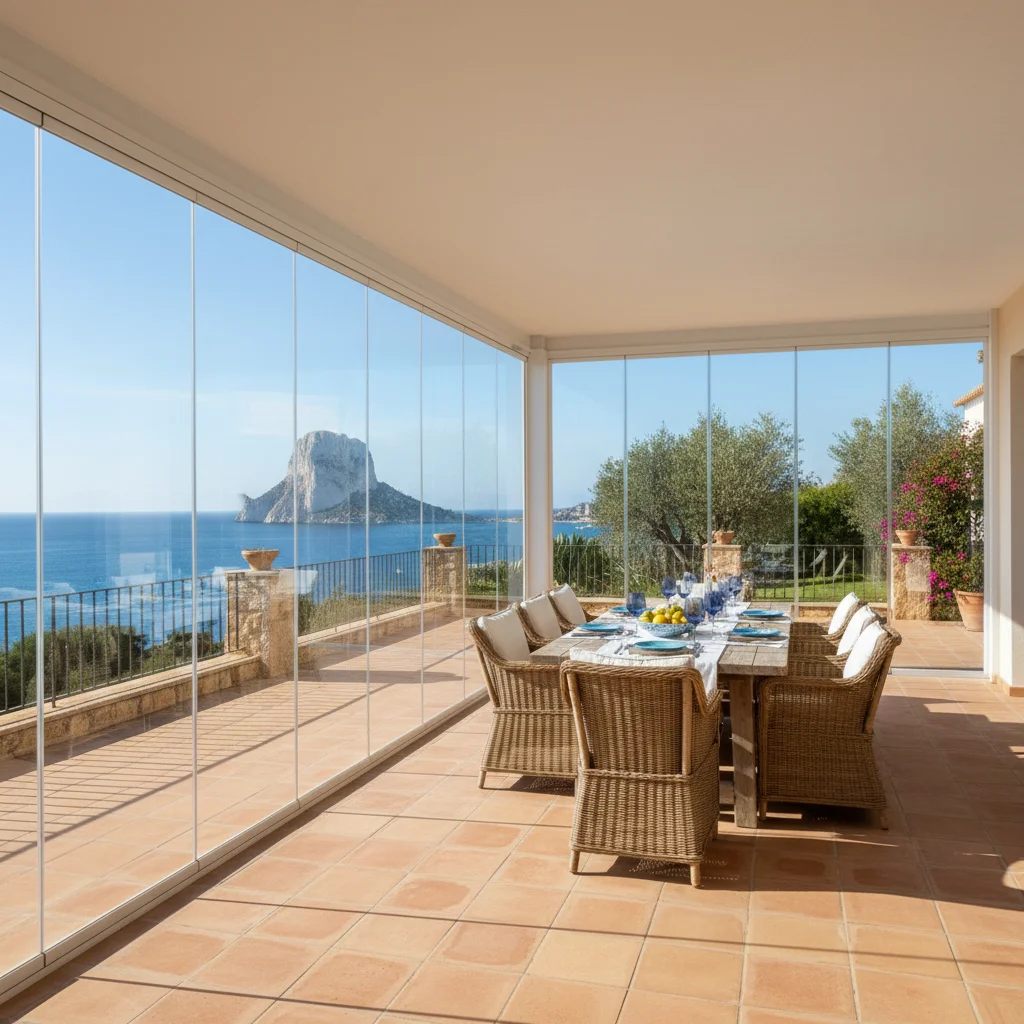
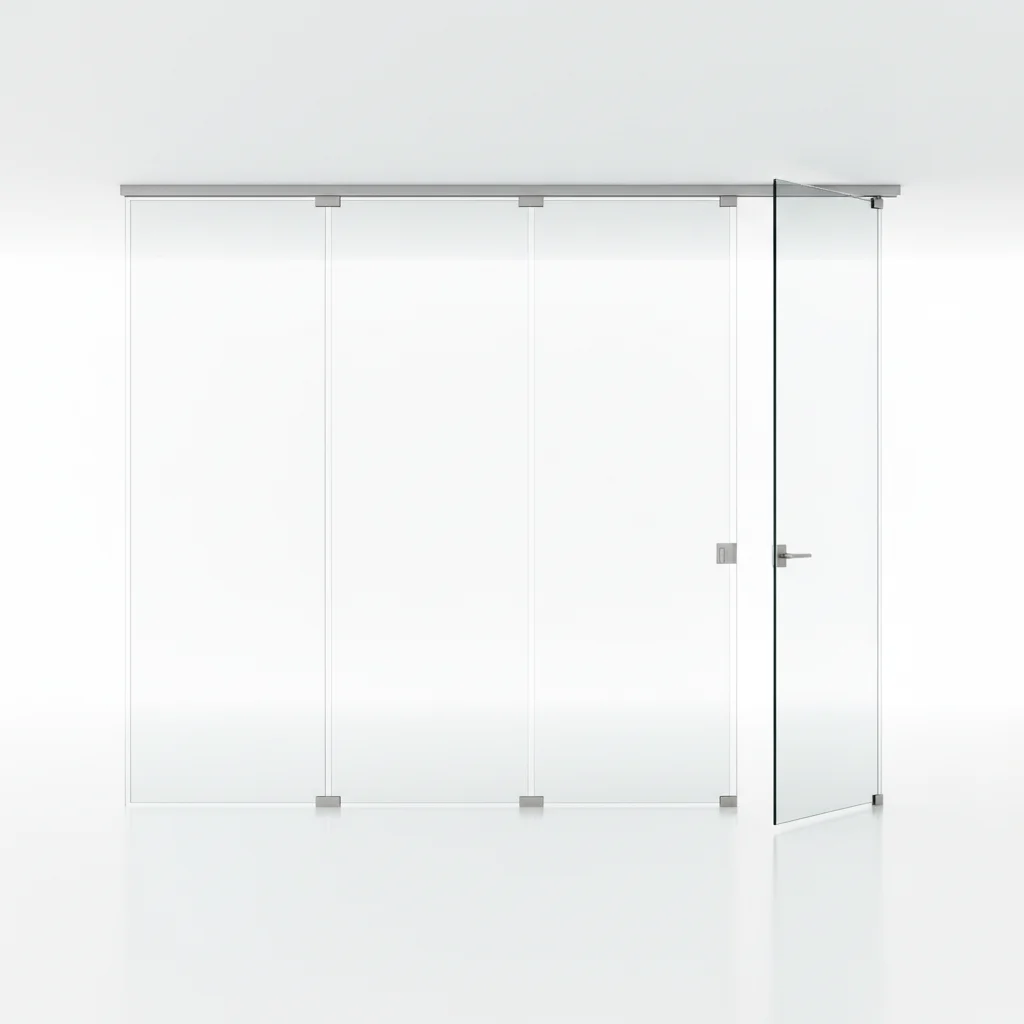
The structural reality of local villas often involves large, arched naves or expansive flat-roofed porches. These architectural features are aesthetically pleasing but are notorious for creating wind tunnels. By installing a frameless glass system, you effectively "plug" these gaps without altering the visual profile of the building. This is a critical distinction because it allows residents to extend their living area without the traditional hurdles of seeking major planning permission for a brick-and-mortar extension. The goal is to maintain the feeling of being outside while having the mechanical ability to slide the glass panels away into a neat stack when the weather is perfect. This flexibility is what makes glass systems superior to fixed windows in this specific coastal context, as it respects the fluidity of the local climate and the desire for an indoor-outdoor lifestyle.
Technical Considerations for the Local Environment
When selecting a glass curtain system for this area, the most significant technical challenge is the salt-laden air. Properties located within one kilometer of Levante Beach or the coastline near the Salt Flats are subject to constant salt spray, which can be devastating to low-quality hardware. Many generic systems use standard bearings and aluminum finishes that will pit and seize within twenty-four months of installation. From my experience helping over 200 families in the region, I always recommend systems with marine-grade stainless steel components and high-micron anodized aluminum tracks. For a standard 10-meter run of glass curtains, you should expect a price point starting around EUR 6,500 for a quality installation that includes reinforced bottom tracks and 10mm tempered safety glass. While 8mm glass is available and cheaper, the wind loads experienced on the hillsides overlooking the bay necessitate the extra rigidity of 10mm or even 12mm panels to prevent "glass chatter" during high winds.
The local microclimate also means we deal with lower humidity than our neighbors in the southern zones, which is excellent for the longevity of the seals, but the intense UV radiation is the trade-off. Any PVC or rubber gaskets used between the glass panels must be UV-stabilized to prevent them from becoming brittle and yellowing in the intense Spanish sun. Furthermore, maintenance in this town involves more than just a quick wipe-down. I advise homeowners to flush their bottom tracks with fresh water once a month to remove salt crystals and fine Saharan dust, which frequently blows over from North Africa. This dust, when mixed with salt and moisture, creates a grinding paste that can ruin the nylon rollers used in many sliding systems. Opting for a "bottom-weighted" system rather than a "top-hung" system is often better for the villa types found here, as the existing concrete lintels in older Mediterranean-style homes may not always have the structural integrity to support the significant weight of hanging glass panels over a long span.
Community rules, or the comunidad de propietarios, are another vital factor to navigate. In many apartment complexes near La Fossa, there are strict regulations regarding the external appearance of the building. Frameless glass curtains are generally viewed favorably by these committees because they do not have vertical profiles, making them virtually invisible from the street. However, it is essential to ensure that the bottom and top tracks match the existing carpentry of the building, usually a specific shade of white, silver, or anthracite. Before committing to a EUR 4,000 apartment installation, it is worth checking the "Actas" of your community to see if a specific brand or color has already been approved for other neighbors. This foresight prevents costly disputes and ensures that your glass room remains a legal and harmonious addition to your property.
Recommended Configurations for Specific Property Types
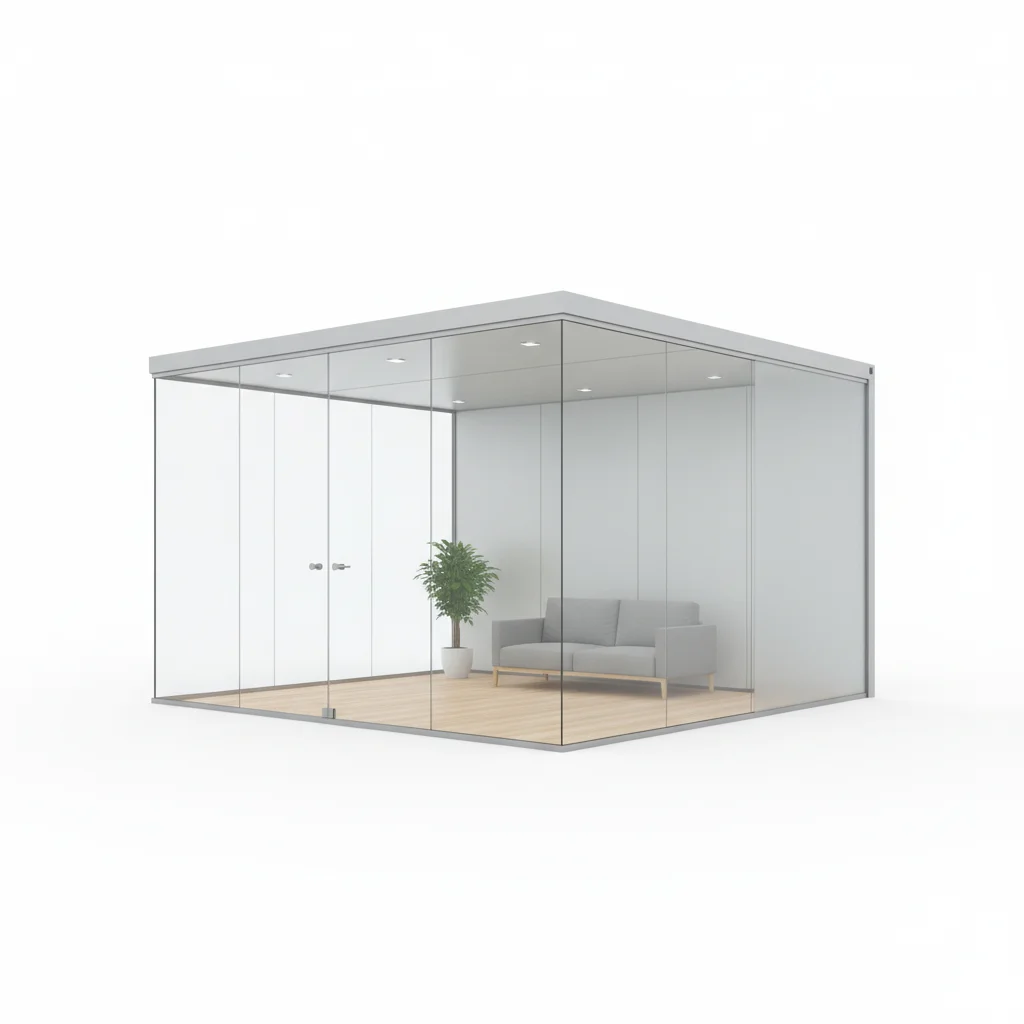
For the luxury villas situated on the steeper inclines of the town, such as those in Maryvilla, I recommend a combination of glass curtains and bioclimatic pergolas. Many of these homes have large, exposed terraces that catch the full force of the wind coming off the sea. A standalone glass room built on a 40 m² terrace can serve as a secondary dining room or a gymnasium. In this scenario, we often use a fixed glass roof or a reinforced polycarbonate top paired with sliding frameless walls. This creates a fully enclosed "glass box" that can be heated effectively in the winter months using a simple infrared heater. For a villa with an existing covered porch (porche), the best approach is a floor-to-ceiling frameless system that follows the curve of the arches. This typically costs between EUR 8,000 and EUR 12,000 depending on the complexity of the angles and the total linear meters.
Apartment residents, particularly those in the high-rise buildings near the Salt Flats, have different requirements. Space is often at a premium, and the goal is usually to turn a 15 m² balcony into a functional year-round office or breakfast nook. In these cases, we recommend "top-hung" glass curtains that fold inwards. This allows you to clean the exterior of the glass from inside your apartment, which is a major safety and practical consideration when you are on the tenth floor. Adding a motorized awning above the glass curtains is a wise move for south-facing apartments. The glass will provide the wind and noise insulation—essential given the summer bustle of the coastal road—while the awning manages the heat gain during the peak afternoon sun. This dual setup allows for maximum control over your environment, ensuring the space doesn't turn into a greenhouse.
If you are looking at a more comprehensive outdoor renovation, integrating glass curtains with a fixed pergola is a robust choice for creating a dedicated "pool house" feel. By enclosing one side of a pergola with glass and leaving the others open, you can create a windbreak that doesn't sacrifice the view. This is particularly effective for properties that overlook the Peñón de Ifach, where you want to block the northerly winds while keeping the landmark in full sight. The price for these hybrid glass rooms typically scales with the square footage, but a mid-sized 20 m² enclosure usually sits in the EUR 10,000 to EUR 15,000 range. This investment not only increases the usable square footage of the home but also adds significant resale value in a market where buyers are specifically looking for "todo el año" (all year) living capabilities.
Logistics and Local Expertise in the Marina Alta
Executing an installation in this part of the Marina Alta requires a deep understanding of local logistics. We regularly serve clients not just in the center of town, but also in the neighboring areas of Moraira, Benissa, Altea, and Alfaz-del-pi. Each of these zones presents its own set of challenges. For instance, the narrow, winding access roads leading up to the higher urbanizations in the hills require smaller, more agile delivery vehicles. Large glass panels are heavy and fragile; they cannot be transported in standard long-base vans if the turns are too tight or the inclines too steep. Our team knows exactly which streets in the old town or the higher reaches of the mountains require specialized lifting equipment or smaller transport loads to ensure the glass arrives without micro-fractures.
Our knowledge of the local building styles means we don't just "fit" glass; we integrate it into the existing structure. We understand the difference between the solid Tosca stone used in some of the more traditional builds in the valley and the modern hollow-brick construction found in the newer developments. This dictates the type of fixings and chemical anchors we use to ensure the tracks remain perfectly level over time. If a track shifts by even a few millimeters due to poor anchoring in soft stone, the glass panels will not slide or stack correctly, leading to air gaps and mechanical wear. We take the time to laser-level every installation, accounting for the slight terrace gradients that are common in Mediterranean builds to ensure proper water drainage away from the living space.
If you are considering enhancing your outdoor space, the best starting point is an on-site evaluation. We offer free consultations where we can measure your terrace, check the structural integrity of your lintels or floors, and discuss which glass thickness is appropriate for your specific elevation and wind exposure. Whether you are in a front-line apartment overlooking the Mediterranean or a secluded villa tucked into the hills, we provide honest, expert advice based on years of local experience. We can show you samples of the marine-grade finishes and explain the mechanical differences between the various systems we offer. Our goal is to ensure that your glass room or curtains become a seamless, durable, and highly functional part of your home on the Costa Blanca.
 JW'"
/>
JW'"
/>