Why Expats in Calpe Love Outdoor Cooking
Calpe’s 57.6% international population — the highest expat ratio of any major Costa Blanca town — has created a buzzing, multicultural outdoor cooking scene beneath the iconic Peñón de Ifach.
With nearly 15,000 foreign residents out of a population of 26,600, Calpe is genuinely multicultural. British, German, and Russian communities each bring their own grilling traditions — from Sunday roasts to Bratwurst to shashlik — and the result is a town where outdoor cooking is woven into the social fabric.
The Peñón de Ifach, Calpe’s dramatic 332-metre limestone rock, defines the town’s geography and microclimates. Properties on the Levante side enjoy morning sun and shelter from westerly winds, while homes in La Fossa get long afternoon light that extends barbecue season well into the evening. The Salt Flats nature reserve to the south gives every terrace a distinctly Mediterranean sense of openness.
With average property prices around €320,000, Calpe attracts a broad range of expats — from retirees converting their terrace into a cooking haven to young families wanting a quality gas BBQ for weekend gatherings.
Answer capsule: Calpe’s 57.6% expat population and accessible property market make it the most internationally diverse outdoor cooking community on the northern Costa Blanca.
Your Calpe Outdoor Kitchen Setup
Calpe’s mix of seafront apartments, La Fossa townhouses, and hillside villas means solutions range from compact balcony setups to full terrace installations.
Along the Levante and La Fossa beachfronts, modern apartments with 10–20m² terraces are the norm. A Kamado Joe Junior or a portable gas BBQ paired with a foldable prep table gives you serious cooking capability without crowding your space.
Move into the hillside urbanisations behind the Peñón — Maryvilla, Cometa, and Oltamar — and detached villas with 30–60m² terraces and private gardens are common. These are where we install complete packages: built-in gas grill, full-size kamado, pizza oven alcove, and Silestone countertops that withstand the coastal salt air.
Costa Blanca Outdoors recommends that Calpe apartment owners consider a kamado grill as their primary investment. The all-in-one versatility — grilling, smoking, roasting, baking — gives you multiple cooking methods in a single footprint, exactly what a compact terrace demands.
Answer capsule: Calpe apartment dwellers benefit from compact kamado grills or portable gas BBQs, while Maryvilla and Cometa villa owners have space for complete outdoor kitchen islands.
Gas, Charcoal, or Wood-Fired? Choosing Right for Calpe
Calpe’s coastal breezes and diverse property types make fuel choice a practical decision — gas for convenience in apartments, charcoal and wood for flavour in villas.
The Levante and Poniente breezes that make Calpe pleasant in summer can affect open-flame cooking on exposed upper-floor terraces. Gas BBQs with windshield burner systems are our top recommendation for seafront apartments — they deliver consistent heat regardless of conditions.
For villa owners in sheltered hillside areas, kamado cooking comes into its own. The thermal mass of ceramic makes a kamado virtually wind-proof once sealed. Calpe’s German and Russian communities have been particularly enthusiastic adopters — perhaps because low-and-slow techniques resonate with their own smoking and curing traditions.
Wood-fired pizza ovens work beautifully in Calpe’s villa gardens. Firewood is sourced through commercial suppliers in Benissa or Callosa d’en Sarrià, and we stock kiln-dried cooking wood for delivery. Costa Blanca Outdoors recommends almond wood for pizza ovens — it burns hot and clean, reaching the 450°C floor temperatures that proper Neapolitan pizza demands.
Answer capsule: Gas BBQs handle Calpe’s coastal breezes best for apartment cooking, while wind-proof kamado grills and wood-fired pizza ovens suit the sheltered hillside villas.
Delivery & Setup in Calpe
Calpe sits centrally on our northern Costa Blanca delivery route, with easy AP-7 motorway access and regular weekly deliveries throughout the town.
The AP-7 exit drops directly into town, and even the hillside urbanisations have wider, better-maintained roads than many neighbouring areas. We can deliver full-size outdoor kitchen components without the access restrictions that sometimes apply elsewhere.
For apartment deliveries along Levante and La Fossa, we coordinate building access and use specialist equipment for upper-floor installations. A 90kg kamado on a fifth-floor terrace is no problem with proper planning.
Customers in nearby Moraira and Altea benefit from our regular Calpe schedule. We also serve Benissa on the same routes. Standard delivery is 5–10 working days, with complete setup including assembly, gas connection testing, and a hands-on walkthrough so you are grilling with confidence from day one.
Optimising Your Outdoor Sanctuary: Sun Loungers & Daybeds in Calpe
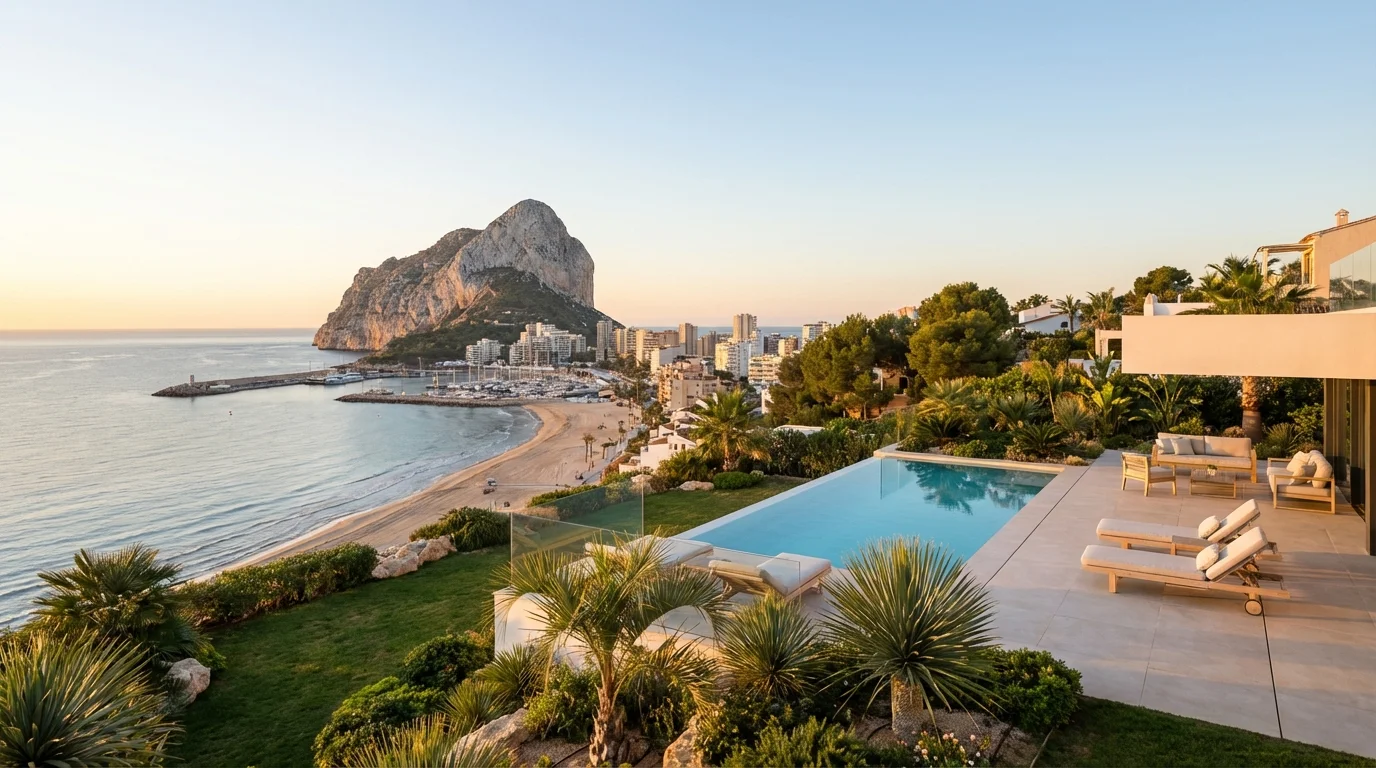
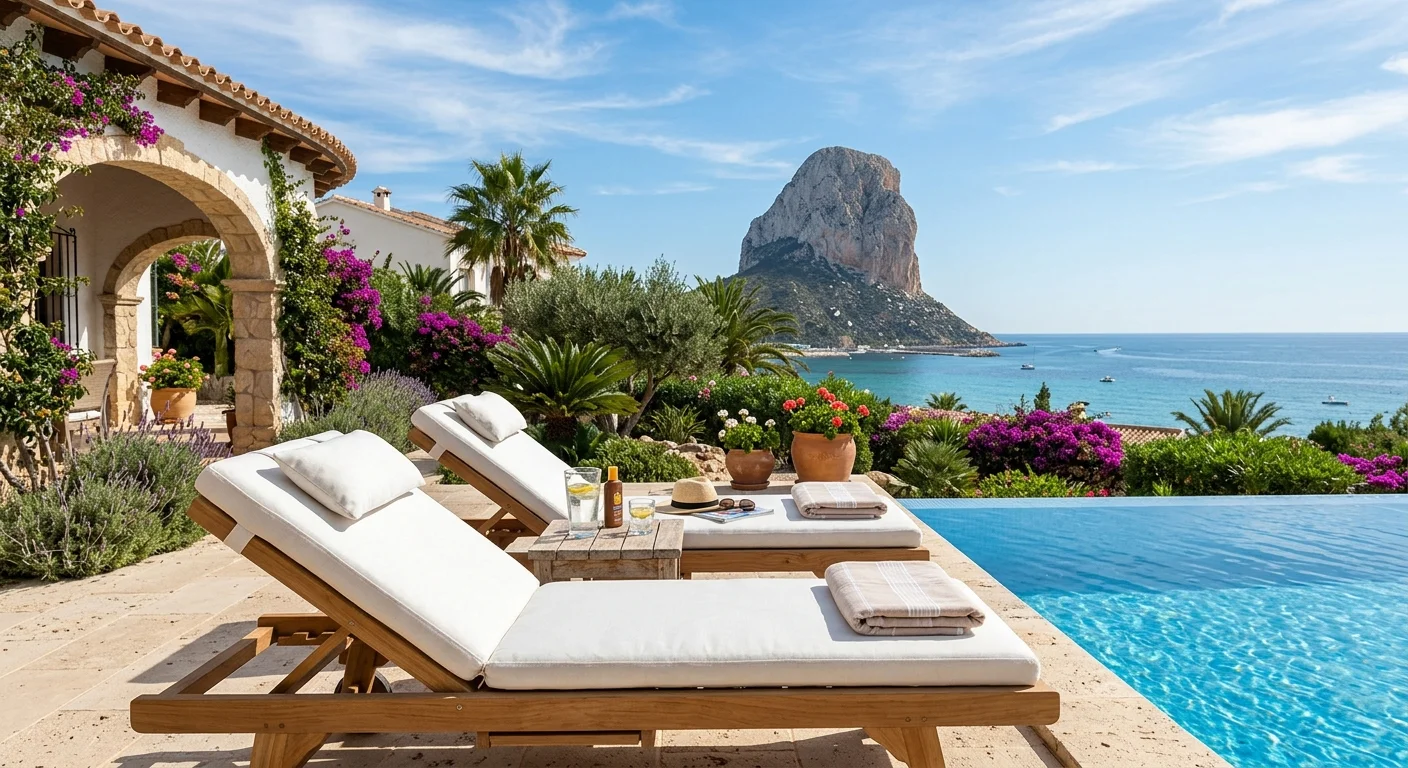
Living on this specific stretch of the Mediterranean coastline since 2019 has taught me that the terrace is far more than just an architectural addition; it is the primary living room for the majority of the year. When you consider that over 57.6% of our local population is international, with a significant presence of British, German, and Russian residents, it becomes clear that our outdoor requirements are distinct. We aren't just looking for a place to sit for ten minutes; we are looking for a high-performance environment that facilitates a lifestyle transition. The typical property profile here often involves luxury hillside villas perched above the Peñón de Ifach or overlooking the Salt Flats, where terrace footprints frequently range from 40 to 80 m². These expansive areas demand furniture that matches the scale and the prestige of the architecture. Whether you are situated in the iconic Muralla Roja area or tucked away in a modern villa in the Maryvilla district, the choice of sun loungers and daybeds becomes a pivot point for your daily comfort.
The outdoor culture in this municipality is dictated by the sun’s trajectory across the bay. Residents here understand that the morning light hitting La Fossa beach creates a different thermal requirement than the afternoon heat reflecting off the limestone cliffs. Because property prices here average around EUR 320,000 but often soar into the millions for front-line positions, the expectation for quality is high. A cheap plastic lounger looks entirely out of place on a high-spec porcelain terrace. We see a lot of British expats who want that classic resort feel, while our German and Russian neighbours often lean towards ultra-modern, architectural lines that mirror the sleek, white facades of the newer builds. This melting pot of tastes has created a standard of outdoor living that is among the highest on the Costa Blanca. When you have a private pool and a view of the Mediterranean, the lounger is your front-row seat to the best show in Spain.
Practicality must lead the way because the local environment is unique. We are fortunate to live in a sheltered microclimate, protected by the massive northern inland mountain ranges which provide a similar effect to the Montgó protection found further north. This means we experience a more moderate coastal breeze and significantly lower humidity levels than the southern reaches of the province. However, the proximity to the sea is a double-edged sword. If your villa is located near Levante Beach or the Salt Flats, the air carries a high salt content that can be incredibly aggressive toward inferior metals. I have seen standard steel loungers begin to show rust spots within a single season of exposure to the salt spray. For this reason, I always steer my clients toward high-grade powder-coated aluminium frames or 316 stainless steel. Aluminium is particularly effective here because it is naturally rust-resistant and lightweight enough to move as the shadow of the Peñón de Ifach shifts across your garden throughout the afternoon.
Maintenance in this part of Spain is less about fighting rot and more about managing UV exposure and salt crystallization. Even with lower humidity, the salt air can settle on your furniture; a simple weekly rinse with fresh water is the secret to making a EUR 500 lounger last for a decade. If you are part of a comunidad de propietarios in one of the larger apartment complexes near the promenade, you must also be mindful of the community rules regarding terrace aesthetics. Many communities have specific regulations about the colours of parasols and the height of daybeds to ensure a uniform look for the building. Before investing in a large-scale Balinese daybed, which can stand over two metres tall, it is worth checking your community statutes to ensure you won't be asked to remove it. For those in independent villas, you have more freedom, but you still have to contend with the wind. The moderate coastal breeze can quickly turn into a gusty Levante wind. I recommend loungers with a bit of heft or those that feature a stackable design so they can be secured if you are heading back to the UK or Germany for a few weeks.
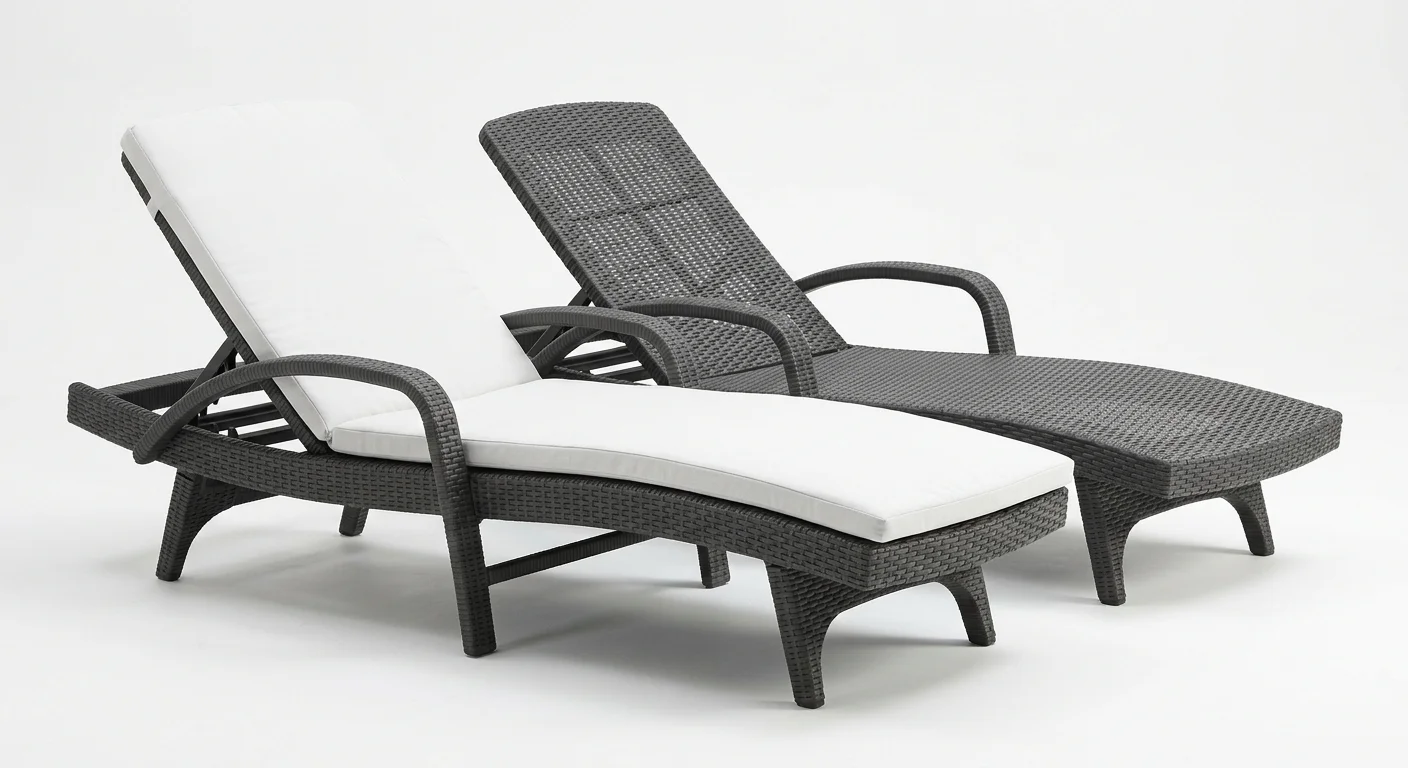
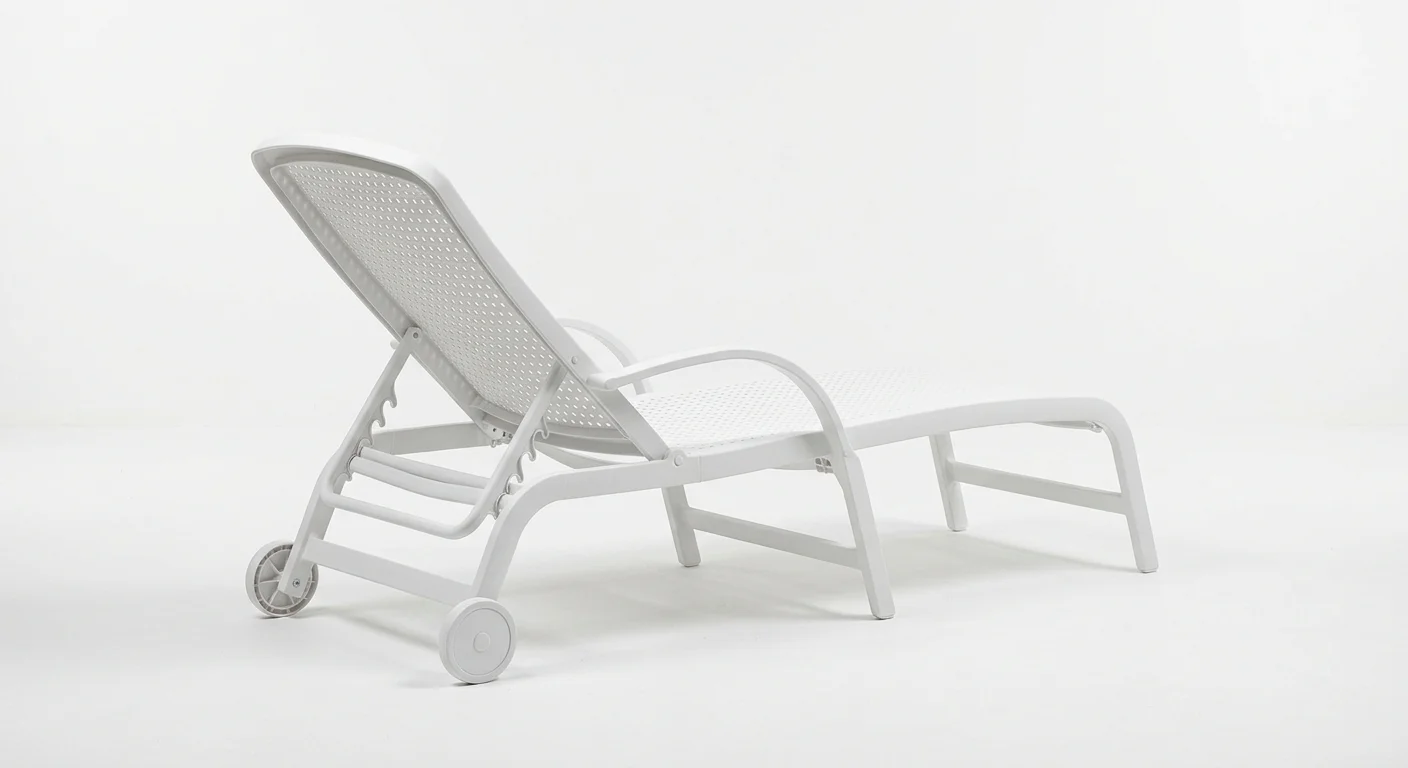
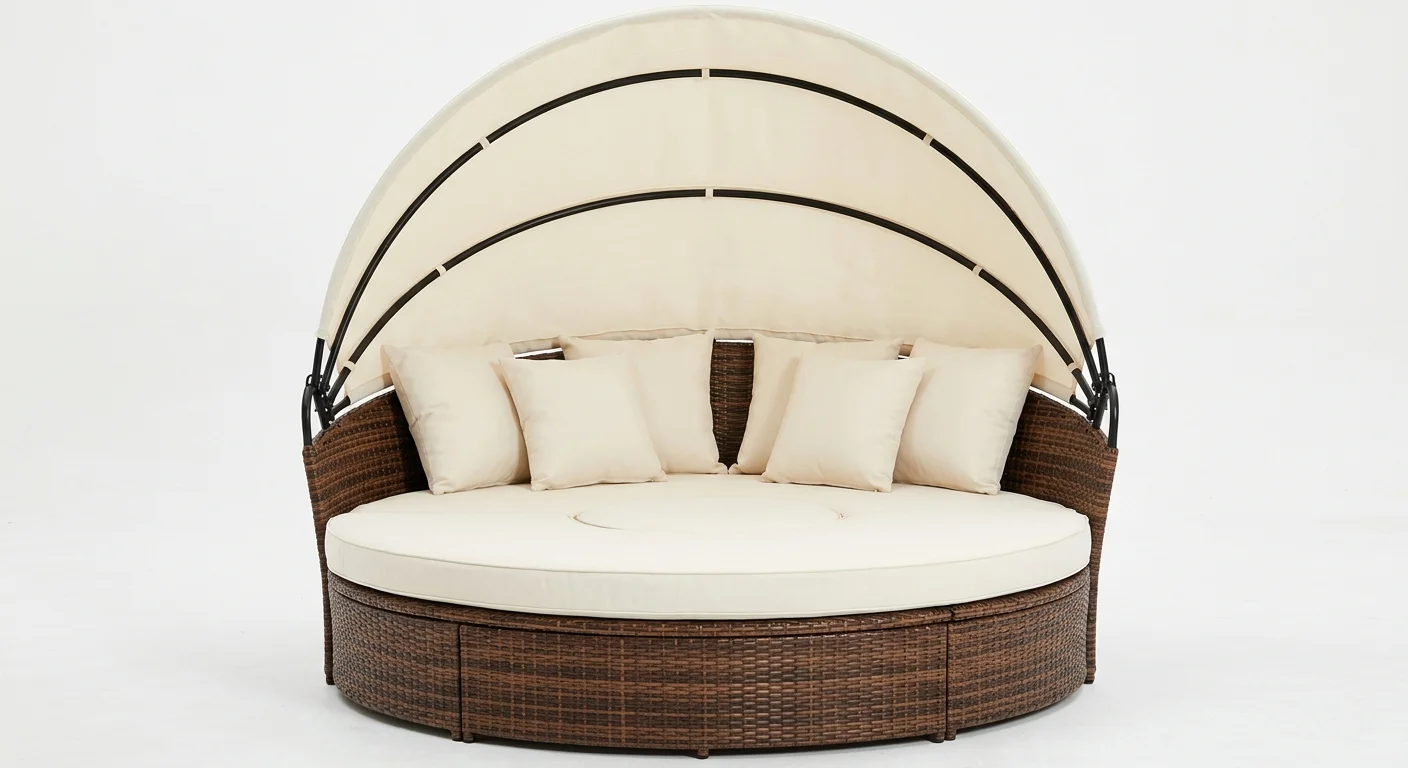
One specific recommendation I often make for the local topography is the use of adjustable aluminium loungers with integrated wheels. Given the elevation of many hillside homes, your terrace might have various levels or sun traps. A high-quality lounger in the EUR 450 to EUR 850 range, featuring a multi-position backrest and quick-dry foam cushions, offers the versatility needed for this terrain. For those looking for the ultimate in relaxation, a luxury daybed with a retractable canopy, priced between EUR 1,500 and EUR 3,000, provides a protected cocoon against the midday sun. It is important to look for fabrics like Sunbrella or similar solution-dyed acrylics. These materials are chemically treated to resist the bleaching effect of 300+ days of sunshine. If you opt for a cheaper polyester, you will find your vibrant navy or charcoal cushions turning a dusty grey within eighteen months.
When recommending a setup for a large villa, I suggest thinking in "zones." If you have a 60 m² poolside area, don't just line up six identical loungers like a hotel. Instead, create a primary lounging zone with four adjustable aluminium beds paired with high-quality parasols-shade solutions. Then, in a more secluded corner of the terrace, perhaps overlooking the Salt Flats where the flamingos gather, place a single or double daybed for evening relaxation. This configuration allows you to follow the sun or escape it as needed. These setups integrate perfectly with rattan-lounge-sets, which provide the social seating, while the loungers remain the dedicated "me-time" spots. For the finishing touch, always invest in bespoke outdoor-cushions with a minimum thickness of 10cm. The difference in comfort between a standard 5cm pad and a 10cm high-density foam cushion is the difference between a quick nap and a full afternoon of restorative sleep.
For residents in the modern apartment blocks, space is more of a premium, but the desire for luxury remains the same. A common mistake is buying furniture that is too bulky, making the terrace feel cramped. For a standard apartment balcony, I recommend slimline loungers without wide armrests. You can find excellent minimalist designs for around EUR 250 that provide the same ergonomic support as their larger counterparts but allow for better movement around the terrace. If you have a penthouse with a larger wrap-around balcony, a modular daybed that can be split into two separate seats and a footstool offers incredible flexibility for hosting. This versatility is essential when your outdoor space has to function as a sun deck by day and a cocktail lounge by night.
Delivery and installation in this town present their own set of logistical puzzles that only a local expert can truly navigate. The winding, narrow roads of the older urbanizaciones and the steep, hair-pin climbs of Maryvilla or Canuta require more than just a standard delivery van. I have personally managed deliveries where the incline was so steep that we had to hand-carry daybeds the last fifty metres because a heavy truck simply couldn't get traction. When we deliver to this area, we aren't just dropping boxes at the gate. We understand the layout of these properties. We know that getting a large Balinese daybed into a penthouse near La Fossa often requires checking the dimensions of the service lift or, in some cases, coordinating a furniture hoist. This is the level of local knowledge that prevents a "dream purchase" from becoming a logistical nightmare.
Our service extends well beyond the town limits, covering the neighbouring areas of Moraira, Benissa, Altea, and Alfaz-del-Pi. Each of these spots has its own nuances—the wind patterns in Benissa Costa are different from the sheltered bays of Altea—and we adjust our product recommendations accordingly. If you are based in a villa in the hills of Benissa, for example, we might suggest heavier weight-bearing frames due to the higher exposure to the breeze. Conversely, in the more urban settings of Alfaz-del-Pi, we often focus on noise-reducing nylon glides for furniture feet to ensure you remain on good terms with the neighbours below when moving your loungers.
We believe that every family we help is a testament to the importance of getting the outdoor space right. Having lived here through the seasons, I know that the right sun lounger isn't just a piece of furniture; it's an investment in your health and your enjoyment of your Spanish home. It’s where you’ll read your books, share coffee with friends, and watch the sun dip behind the mountains. If you are unsure which materials will best withstand the salt air at your specific location, or if you are struggling to visualise how a daybed will fit on your terrace, I invite you to get in touch. We offer a free consultation where I can share the insights gained from helping over 200 families across the Costa Blanca. We can discuss everything from fabric GSM ratings to the best way to anchor a parasol on a windy hillside. Let’s make sure your terrace is exactly what you imagined when you decided to make this beautiful part of the world your home.
 JW'"
/>
JW'"
/>