Why Expats in Moraira Love Outdoor Cooking
With 55% of its 14,000 residents from abroad, Moraira is the most international small town on the Costa Blanca — and its villa-heavy property market makes it a hotspot for premium outdoor kitchen installations.
Moraira punches well above its weight. This small coastal town between Jávea and Calpe has quietly become one of the most sought-after addresses on the Spanish Mediterranean. Walk through the Benimeit hillside or the Cap d’Or headland on any evening between April and November, and you will catch the unmistakable scent of charcoal and wood smoke drifting from terrace after terrace.
With an average property price around €450,000 — the highest of any town in our delivery zone — homes here tend to be spacious villas with large gardens, infinity pools, and terraces designed for entertaining. The British and Dutch communities have brought a culture of weekend barbecues and al fresco dinner parties that has become inseparable from life in Moraira.
Answer capsule: Moraira’s high-end villa market and 55% expat population create strong demand for premium outdoor kitchens, kamado grills, gas BBQs, and pizza ovens built for serious entertaining.
Your Moraira Outdoor Kitchen Setup
Moraira’s generous villa terraces — often 50–100m² with sea views — are ideally suited to full outdoor kitchen islands with built-in grills, pizza ovens, and prep stations.
Villas in Benimeit, Moravit, and the Pla del Mar areas routinely feature covered terraces and expansive pool surrounds that are perfect for a complete island setup: built-in gas BBQ on one side, kamado station in the centre, and wood-fired pizza oven at the end, tied together with natural stone countertops.
For El Portet properties — closer to the beach and slightly more compact — a standalone kamado paired with a rolling prep cart works beautifully. The covered terraces common in El Portet townhouses provide natural shelter for cooking even during autumn rain showers.
Costa Blanca Outdoors recommends that Moraira homeowners with existing summer kitchens consider a retrofit rather than a full rebuild. Many villas built in the 1990s and 2000s have solid masonry summer kitchens that just need modernising with new appliances — saving 30–40% compared to building from scratch.
Answer capsule: Moraira’s villas often have existing summer kitchens ideal for retrofit upgrades, while El Portet townhouses suit standalone kamado grills and countertop pizza ovens.
Gas, Charcoal, or Wood-Fired? Choosing Right for Moraira
Moraira’s sheltered coastal position and premium property stock make it suitable for all fuel types — from convenient gas to atmospheric wood-fired cooking.
The Dutch and Scandinavian residents often gravitate toward gas BBQs — clean, predictable, and perfect for the frequent midweek dinners that Moraira’s social scene demands. Most Benimeit and hillside villas already have either a butane connection or mains gas, making installation straightforward.
The British contingent leans heavily toward kamado grills. There is a genuine community of kamado enthusiasts — we have heard of informal cook-off competitions between neighbours in the Moravit and Pinar de l’Advocat urbanisations. The ceramic construction handles Moraira’s mild winters without issue, and the versatility from low-and-slow smoking to 400°C pizza cooking makes the kamado a natural centrepiece.
Wood-fired pizza ovens are where Moraira really shines. Local olive and almond wood from suppliers in nearby Benissa is abundant, and the flavour is incomparable. Costa Blanca Outdoors recommends the Alfa Forni range for Moraira customers who want authentic Neapolitan-style results with manageable fuel consumption.
Answer capsule: Gas BBQs suit Moraira’s active social calendar, kamado grills have a devoted local following, and wood-fired pizza ovens complement the town’s strong dining culture.
Delivery & Setup in Moraira
Our team delivers throughout Moraira weekly, with experience navigating the hillside access roads of Benimeit, Cap d’Or, and Moravit urbanisations.
Moraira is one of our most active delivery areas, sitting at the heart of our northern Costa Blanca zone. Access to the hillside urbanisations requires local knowledge, and our drivers know every tight turn on these roads.
For larger installations, we work with Moraira-based builders who understand local construction standards and community regulations. Many urbanisations have specific rules about exterior modifications, and we ensure every installation complies fully.
Based near Calpe or Jávea? You are on our regular Moraira route. We also deliver to Benissa and inland areas around Lliber. Expect 5–10 working days for in-stock products, with custom outdoor kitchen projects taking 3–4 weeks including design, fabrication, and installation.
Glass Curtains & Glass Rooms in Moraira: What You Need to Know
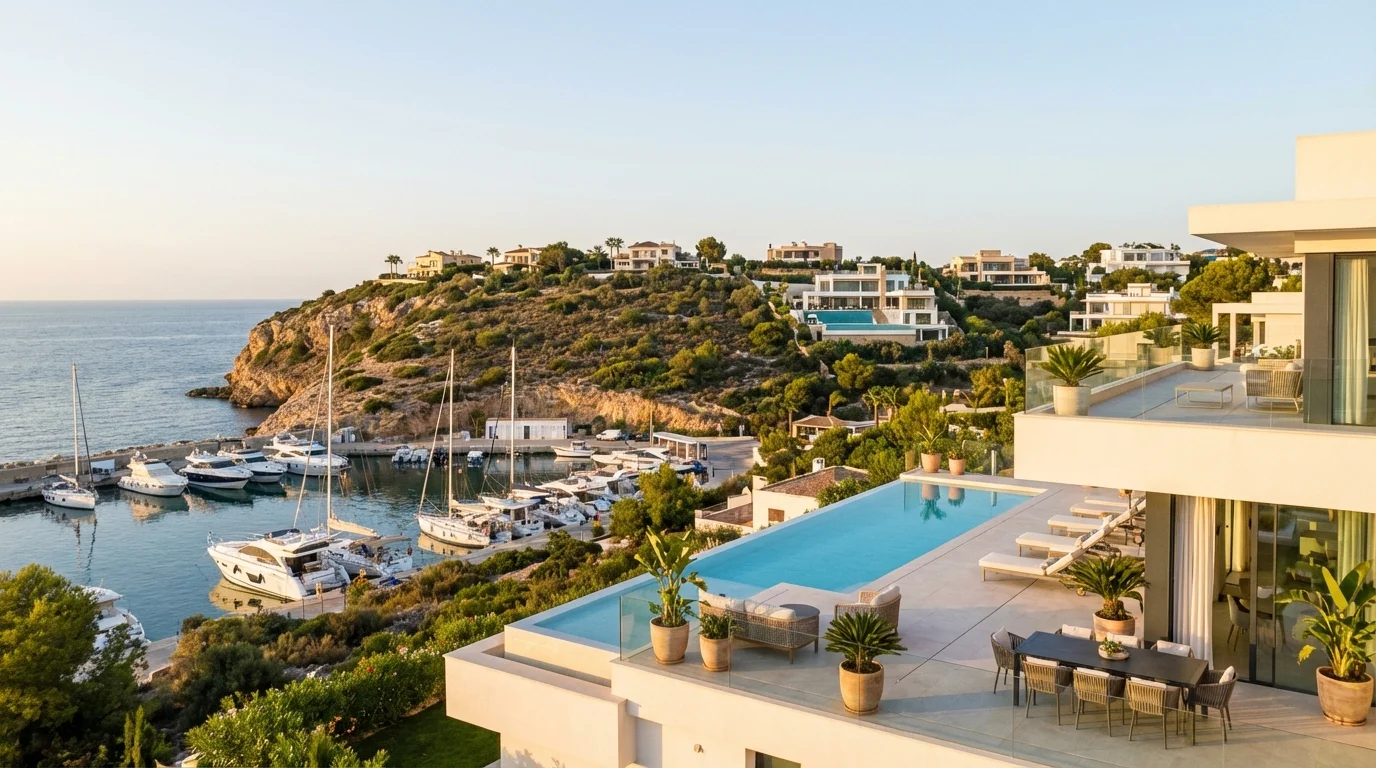
Living on this specific stretch of the coastline requires a different approach to outdoor design than you might find in the high-rise environments further south. The property landscape here is dominated by luxury hillside villas and detached homes, particularly in areas like Benimeit or the prestigious enclave of El Portet. With a population that is roughly 55% international—predominantly British, Dutch, and German—the demand for high-functioning outdoor spaces is significant. These homeowners are not just looking for a place to sit in the sun; they are looking to create integrated living areas that function as year-round kitchens, lounges, and dining rooms. The typical villa here boasts a terrace between 40 and 80 square meters, often with views extending toward the Cap d'Or or the historic Castle. While these spaces are expansive, they frequently go unused during the cooler winter months or on days when the coastal breeze becomes too intrusive.
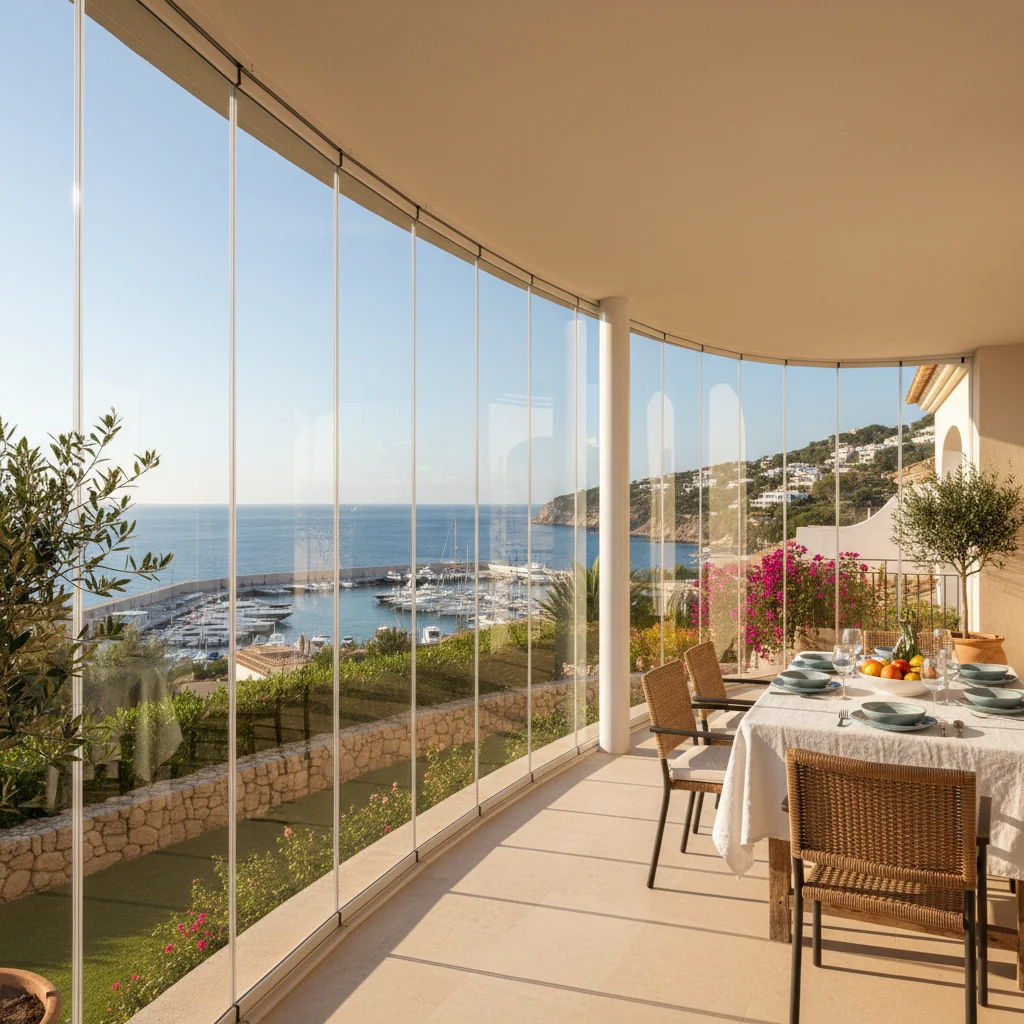
Glass curtains and glass rooms offer a technical solution to this local challenge. In my experience helping over 200 families since 2019, the primary motivation for installing these systems is the desire to maintain a connection with the landscape without being at the mercy of the elements. Because many homes are built into the hillsides, they are subject to shifting wind patterns. A frameless glass curtain system allows you to seal off a terrace during a sudden downpour or a windy evening while keeping the panoramic views of the Mediterranean entirely unobstructed. This is particularly relevant for the "nayar" style porches common in older Spanish constructions, which are beautiful but often leave the interior of the home feeling dark or exposed to the damp. By enclosing these areas with 10mm toughened glass, you create a thermal buffer that keeps the main house warmer in winter and cooler in summer.
The outdoor culture here is heavily influenced by the northern European demographic, which tends to favor heavy-duty outdoor cooking setups and comfortable, upholstered lounge furniture. Leaving these expensive items exposed to the salt-heavy air and the occasional "gota fría" storm is a risk most residents prefer to avoid. A glass room effectively turns a seasonal terrace into a permanent part of the home's square footage without the bureaucratic headache of a major construction project. Since these systems are technically retractable and non-permanent, they generally do not require the same planning permissions as a brick-and-mortar extension, making them a pragmatic choice for the high-value properties found across the local urbanisations.
Practical Expert Advice for Coastal Enclosures
The microclimate in this region is unique because it is sheltered by the surrounding mountain ranges, creating a environment that is often calmer and less humid than the southern Costa Blanca. However, the proximity to the sea presents specific maintenance and engineering requirements that you cannot ignore. If you are located near the coastline, salt air is your primary enemy. Even if your home is tucked away in the sheltered valley near the town center, the airborne salt will corrode standard aluminum and hardware over time. I always specify marine-grade powder coating for the tracks and stainless steel components for the rollers and hinges. This ensures that the glass panels continue to slide and fold smoothly for years, rather than seizing up after two seasons of salt exposure.
Community rules, or the comunidad de propietarios, are another critical factor. While detached villas in areas like Benimeit have more freedom, if you are in a community-managed development or an apartment block near the port, you must ensure the aesthetic of your glass curtains aligns with the existing building fabric. Most communities prefer frameless systems because they are virtually invisible when closed, preserving the uniform look of the facade. For a standard 5-meter run of frameless glass curtains, you should expect a price point starting around EUR 3,200. If you are looking at a full glass room enclosure for a 30 square meter terrace, involving a reinforced roof system and side panels, the investment can range between EUR 10,000 and EUR 15,000 depending on the complexity of the site.
From a technical perspective, the installation must account for the specific construction methods used in local villas. Many older properties feature curved arches or irregular stone pillars. Installing a straight-track glass system into a curved opening requires precision-engineered "compensation profiles" to ensure a watertight seal. I also advise residents to consider the "stacking" location of the glass panels. You want the glass to fold back against a wall where it won't block the natural flow of traffic or obscure a specific view toward the sea. Maintenance is relatively straightforward: the tracks must be kept free of grit and dust, and the glass should be cleaned with a pH-neutral solution to avoid damaging the specialized coatings on the aluminum profiles.
What We Recommend for Local Property Types
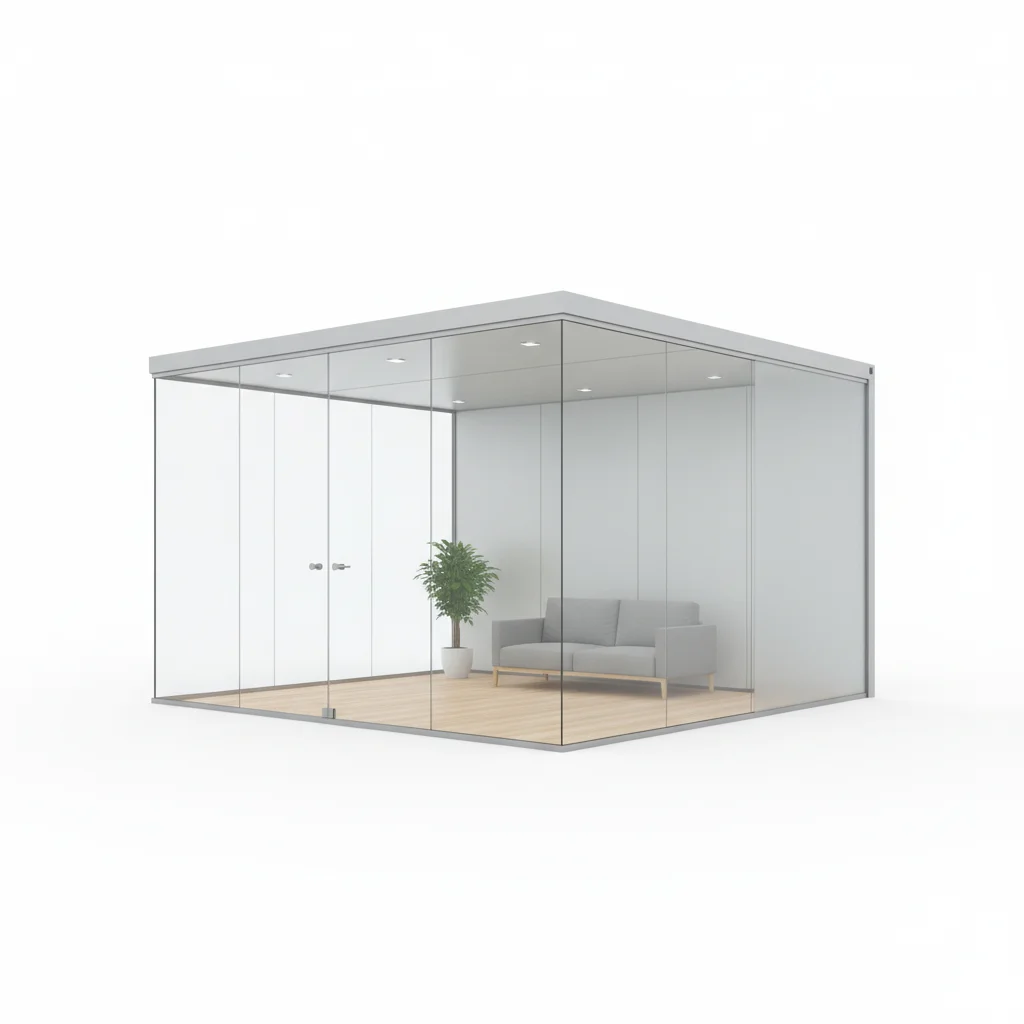
For the expansive hillside villas common in this area, I generally recommend a hybrid approach. If you have a large 60 square meter terrace, you rarely want to enclose the entire thing. Instead, focus on a 20 or 30 square meter section that directly connects to your kitchen or living room. By installing a glass room—a system that includes a fixed or retractable roof combined with glass curtain walls—you create a versatile "indoor-outdoor" hub. This setup works exceptionally well when paired with bioclimatic pergolas. You can have the motorized louvers of the pergola for sun control and the glass curtains for wind protection. This combination is the ultimate setup for the local climate, allowing you to vent heat through the roof while blocking a cool breeze from the side.
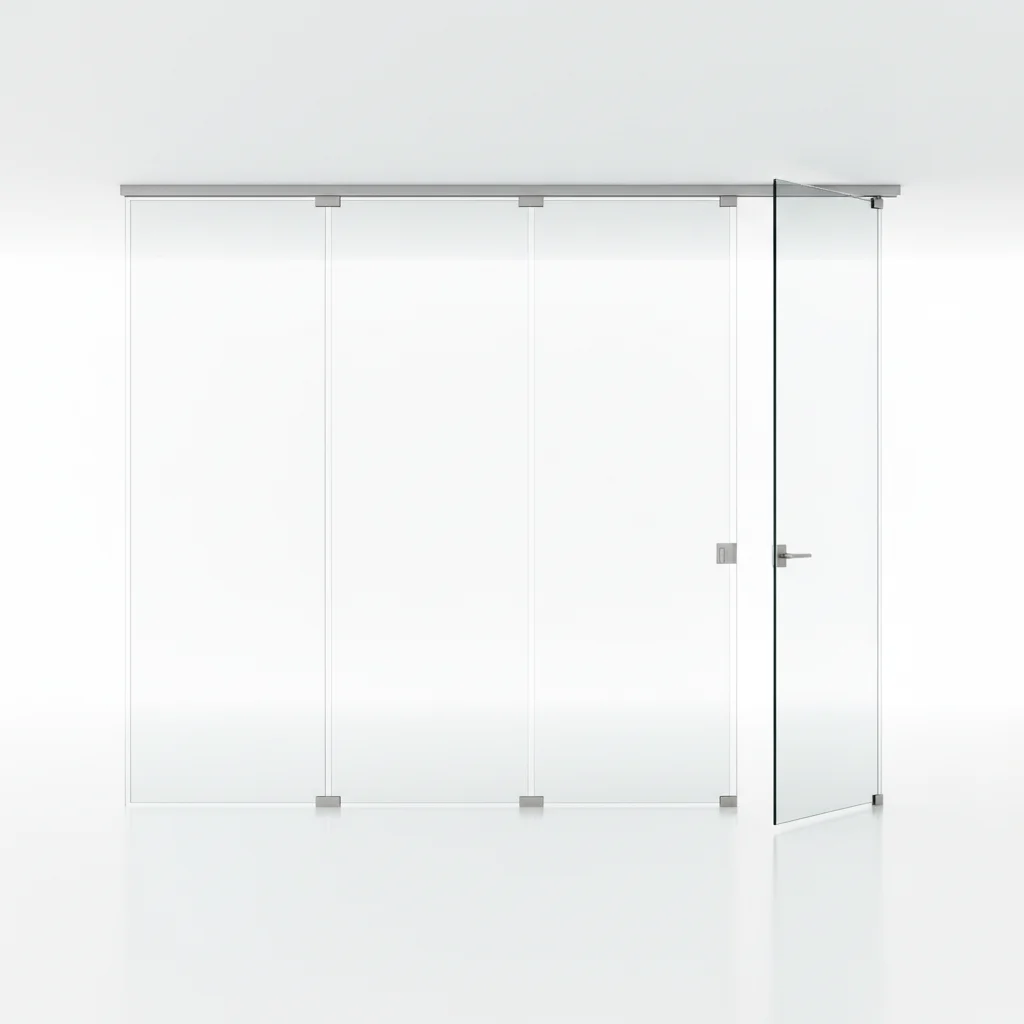
For apartments or smaller penthouses near the town center, space is at a premium. In these instances, a top-hung frameless glass curtain system is usually the best fit. These systems don't require a heavy bottom track, which reduces the trip hazard and keeps the transition between your interior floor and the balcony tile as seamless as possible. I often suggest combining these with high-quality awnings. While glass is excellent for wind and rain, it can create a greenhouse effect during the peak of August. A retractable awning installed just above the glass curtains provides the necessary shade to keep the temperature comfortable, while the glass remains open to allow for natural cross-ventilation.
If your property features a traditional "riu rau" or a deep covered porch, you might only need the glass curtains themselves. These can be fitted directly into the existing structural openings. For a typical three-arch porch, you are looking at an installation cost of approximately EUR 4,500 to EUR 6,000. This investment significantly increases the value of the property by adding a usable "winter room" that feels like part of the interior but retains the light and airy feel of the terrace. I always recommend 10mm toughened safety glass over the thinner 6mm or 8mm options, as the extra weight provides a much more solid feel and superior acoustic insulation against the sound of the wind or local traffic.
Delivery and Local Knowledge of the Coastline
Providing outdoor solutions in this part of the world requires more than just product knowledge; it requires an understanding of the local geography and logistics. The winding, narrow roads that lead up to the higher elevations of Benimeit or the tight residential streets of El Portet present real challenges for delivery vehicles. We use smaller, more maneuverable transport for these areas to ensure that 3-meter glass panels and heavy aluminum tracks reach your property without incident. My team and I are regularly working in the surrounding areas of Javea, Calpe, Benissa, and Benitachell, which means we understand the different building regulations and micro-climates of each specific zone.
The logistics of an installation also depend on the age of the property. We often find that older villas have terraces with slight subsidence or uneven floors. A generic "out of the box" glass system will not work in these cases. We perform a detailed laser survey of every site to ensure that the tracks are perfectly level, which is the only way to guarantee the glass panels will slide without resistance. This level of local expertise is what separates a long-lasting installation from one that requires constant adjustment. Whether you are dealing with the limestone dust of a new build or the weathered stone of a traditional finca, we know how to secure the systems so they remain stable even during the strongest coastal storms.
If you are considering enhancing your outdoor space, the best starting point is a conversation at your property. I provide a free consultation where we can look at the orientation of your terrace, discuss the prevailing wind directions, and determine which glass system best suits your lifestyle and budget. We can go over the technical specifications of the different tracks and glass thicknesses, and I can show you photos of similar projects we have completed in your specific urbanisation. My goal is to ensure that your investment in a glass room or curtains results in a space that you actually use every single day, regardless of the season. Reach out to arrange a time for me to visit, and we can start planning a space that works for you.
 JW'"
/>
JW'"
/>