Why Expats in Altea Love Outdoor Cooking
Altea’s artistic Old Town, Scandinavian heritage, and year-round mild climate create a distinctly creative approach to outdoor cooking that blends Mediterranean tradition with northern European design sensibility.
While Calpe draws a broad international mix and Benidorm pulls the holiday crowd, Altea appeals to people who value aesthetics and a slower pace. The 35% expat population — with a distinctive Scandinavian presence alongside British and Dutch communities — gives outdoor cooking here a unique character. Setups tend to be thoughtfully designed and built to complement the whitewashed beauty Altea is famous for.
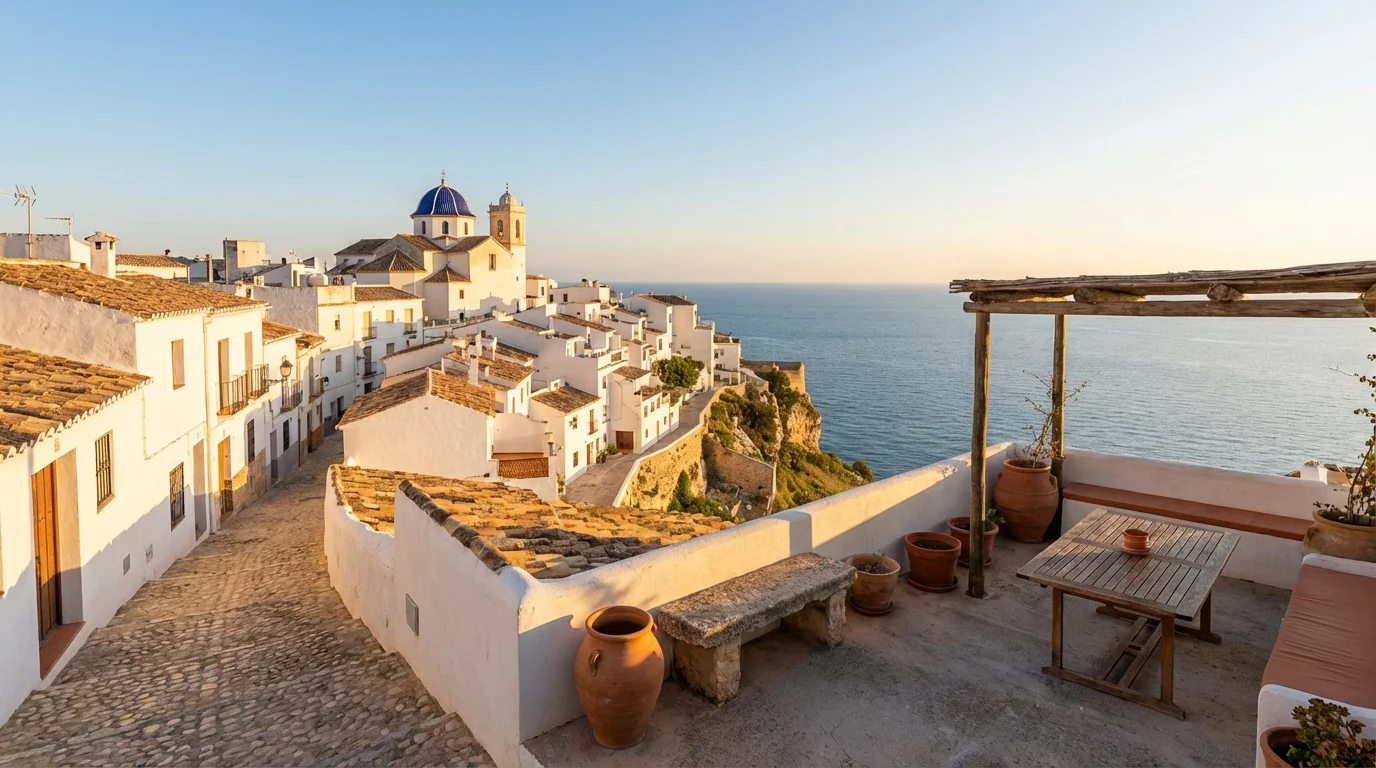
The Old Town, crowned by the iconic blue-domed church of Nuestra Señora del Consuelo, cascades down the hillside in cobbled streets and bougainvillea-draped terraces. Behind it rises the Sierra de Bernia, sheltering Altea from northerly weather — January averages of 12°C make outdoor cooking viable twelve months a year.
Scandinavian residents have been settling here since the 1960s, and their design-forward approach shows in how they build outdoor spaces — clean lines, quality materials, functional layouts. This has shaped Altea into the most design-conscious outdoor cooking market on the Costa Blanca.
Answer capsule: Altea’s artistic community, Scandinavian design influence, and Sierra de Bernia microclimate create demand for aesthetically refined outdoor kitchens, kamado grills, and pizza ovens.
Your Altea Outdoor Kitchen Setup
From Old Town rooftop terraces with church-dome views to modern villas with minimalist outdoor kitchens, Altea demands equipment that looks as good as it performs.
The Old Town offers characterful townhouses where rooftop terraces of 8–15m² are the primary cooking space. The settings are extraordinary — cooking with the blue dome above and the Mediterranean below — but the key is choosing equipment that complements the historic surroundings. A premium compact kamado or a sleek gas BBQ fits perfectly.
In Altea Hills, the Sierra de Bernia foothills, and the Mascarat area, modern villas feature purpose-designed outdoor living spaces. Stainless steel, matte black finishes, and minimalist lines dominate. These are the properties where we deliver our most architecturally integrated outdoor kitchen builds.
Altea la Vella, the small inland village just behind Altea, deserves special mention. Properties are larger, more affordable, and set in mature gardens. Costa Blanca Outdoors recommends these homeowners create dedicated outdoor kitchen zones — a cooking area among the olive and citrus trees, with a masonry pizza oven as the centrepiece, is one of the most rewarding setups we install anywhere on the Costa Blanca.
Answer capsule: Altea Old Town terraces suit compact, design-forward equipment, while Altea Hills villas and Altea la Vella gardens accommodate full architecturally integrated outdoor kitchen builds.
Gas, Charcoal, or Wood-Fired? Choosing Right for Altea
Altea’s design-conscious community chooses equipment that combines visual appeal with cooking performance — form and function in equal measure.
Gas BBQs remain the most popular choice, but Altea customers consistently gravitate toward premium, design-led models — stainless steel units treated as furniture rather than hardware. Built-in gas systems with flush-mount installation are a frequent request, reflecting the emphasis on visual harmony with outdoor spaces.
Kamado grills have found an enthusiastic audience among Scandinavian residents. The hygge-meets-Mediterranean lifestyle — slow cooking, natural materials, gathering around the fire — aligns perfectly with kamado philosophy. We see strong demand for matte black and earth-toned kamados that blend with Altea’s natural palette.
Wood-fired pizza ovens are where Altea’s creative community expresses itself. Several customers have commissioned custom tile surrounds or hand-painted ceramic facades for their ovens — turning a cooking tool into outdoor art. Firewood suppliers in Callosa d’en Sarrià (10 minutes inland) and Alfaz del Pi offer almond and olive wood year-round. Costa Blanca Outdoors recommends the Clementi or Alfa Forni ranges for Altea — their contemporary Italian design language complements the town’s aesthetic beautifully.
Answer capsule: Altea’s design-focused expats prefer premium-finish gas BBQs and matte-toned kamado grills, with wood-fired pizza ovens often becoming statement terrace centrepieces.
Delivery & Setup in Altea
Altea’s central position between Calpe and Benidorm gives it excellent road access, with our team experienced in navigating Old Town streets and Altea Hills private communities.
The modern areas — marina district, beachfront, newer residential zones — are fully accessible for large vehicles. Altea Hills has private roads with security gates, and we coordinate access in advance.
The Old Town presents the biggest logistical challenge in our northern zone. Cobbled streets, steps, and narrow doorways mean advance planning is essential. We survey the route beforehand and carry specialist equipment for stairs and tight corners.
Neighbouring Calpe and Benidorm are on our standard Altea routes, along with Alfaz del Pi. Delivery is 5–10 working days for stocked items, with custom outdoor kitchen projects on a 3–5 week timeline including design consultation and professional installation.
Extending Your Altea Living Space with Glass Curtains and Rooms
Living in Altea offers a specific kind of Mediterranean lifestyle that differs significantly from the busier hubs of the Costa Blanca. Since I moved to this coast in 2019 and began helping families design their terraces, I have noticed that the 22,000 residents here, particularly the large international community making up thirty-five percent of the population, share a common architectural challenge. Whether you are situated in the winding streets of the Old Town near the iconic Blue Dome Church or perched in a luxury villa in Altea Hills, the property style usually features expansive terraces, often ranging from 40 to 80 square meters. These spaces are designed for the view, looking out over the bay toward Albir or up toward the rugged Sierra de Bernia. However, despite the average property price sitting around EUR 330,000, many residents find their primary asset—the terrace—is unusable for a large portion of the year due to the coastal breeze or the occasional drop in temperature during the winter months.
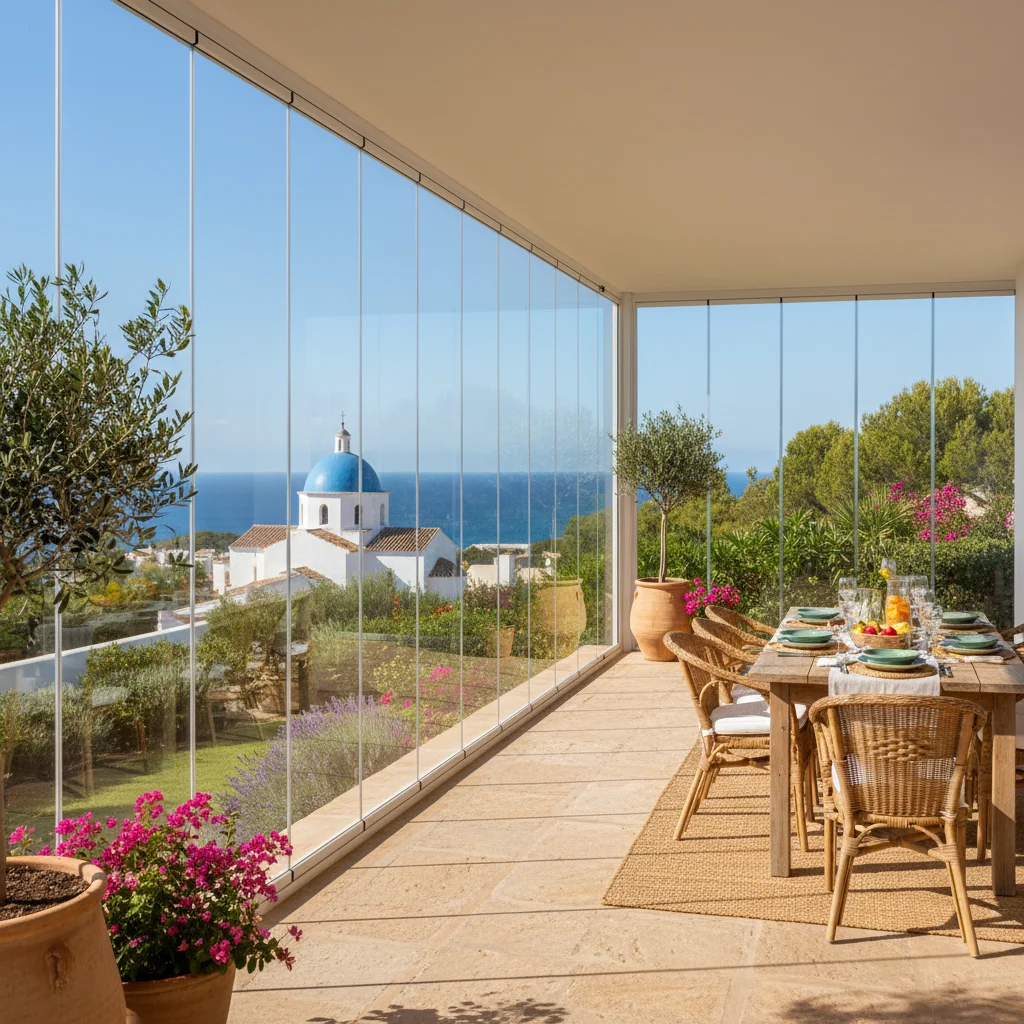
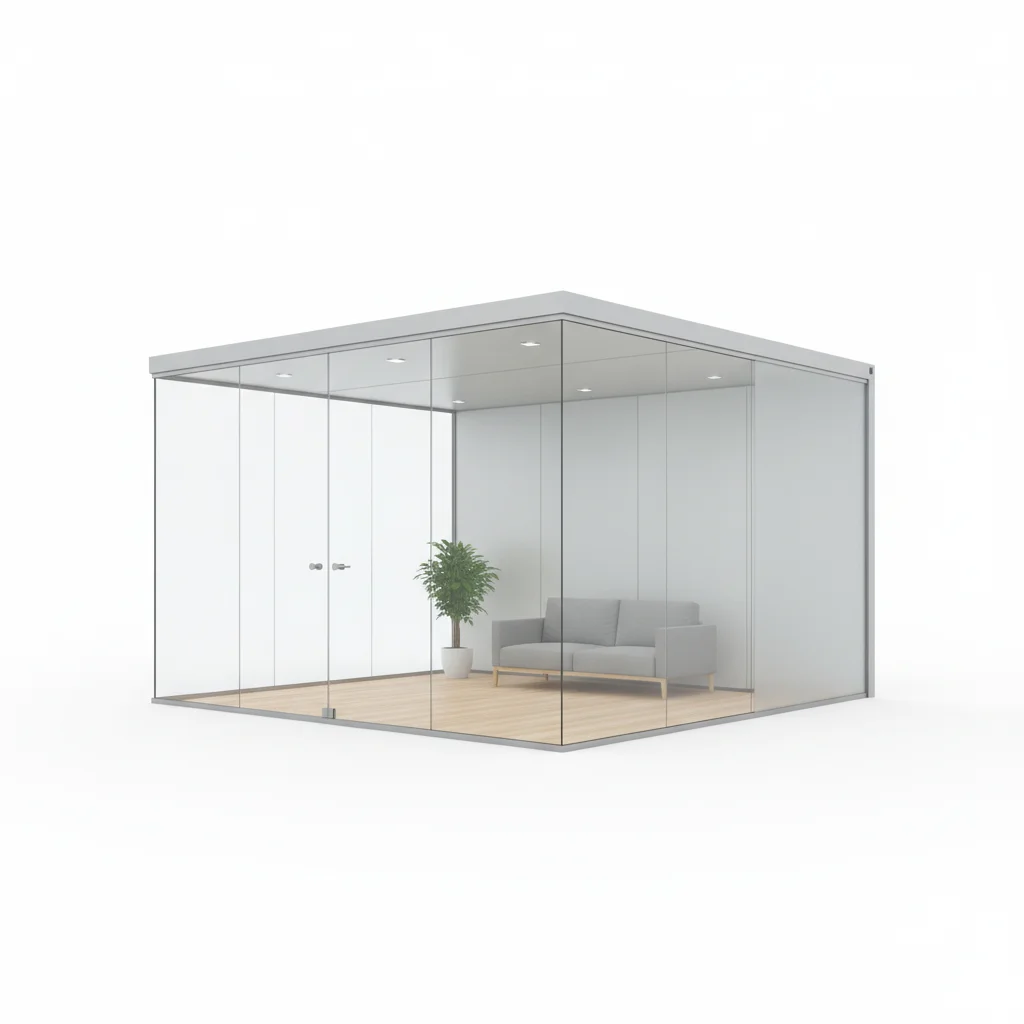
The British, Dutch, and Scandinavian expats who have settled here have brought a specific culture of outdoor living that demands more than just a place to sit in the sun. They want outdoor kitchens, lounge areas, and dining spaces that function like a second living room. In areas like Altea la Vella, where the properties are often nestled against the mountain, the outdoor space is the heart of the home. This is where glass curtains and glass rooms become essential rather than optional. Unlike traditional windows, these frameless systems allow you to enclose a massive 60-square-meter terrace without losing the panoramic connection to the sea. You get the protection of a solid wall with the visual transparency of air. This transition from a seasonal balcony to a year-round glass room is the most effective way to increase the square footage of an Altea home without the bureaucratic nightmare of seeking new building permits for a permanent brick extension.
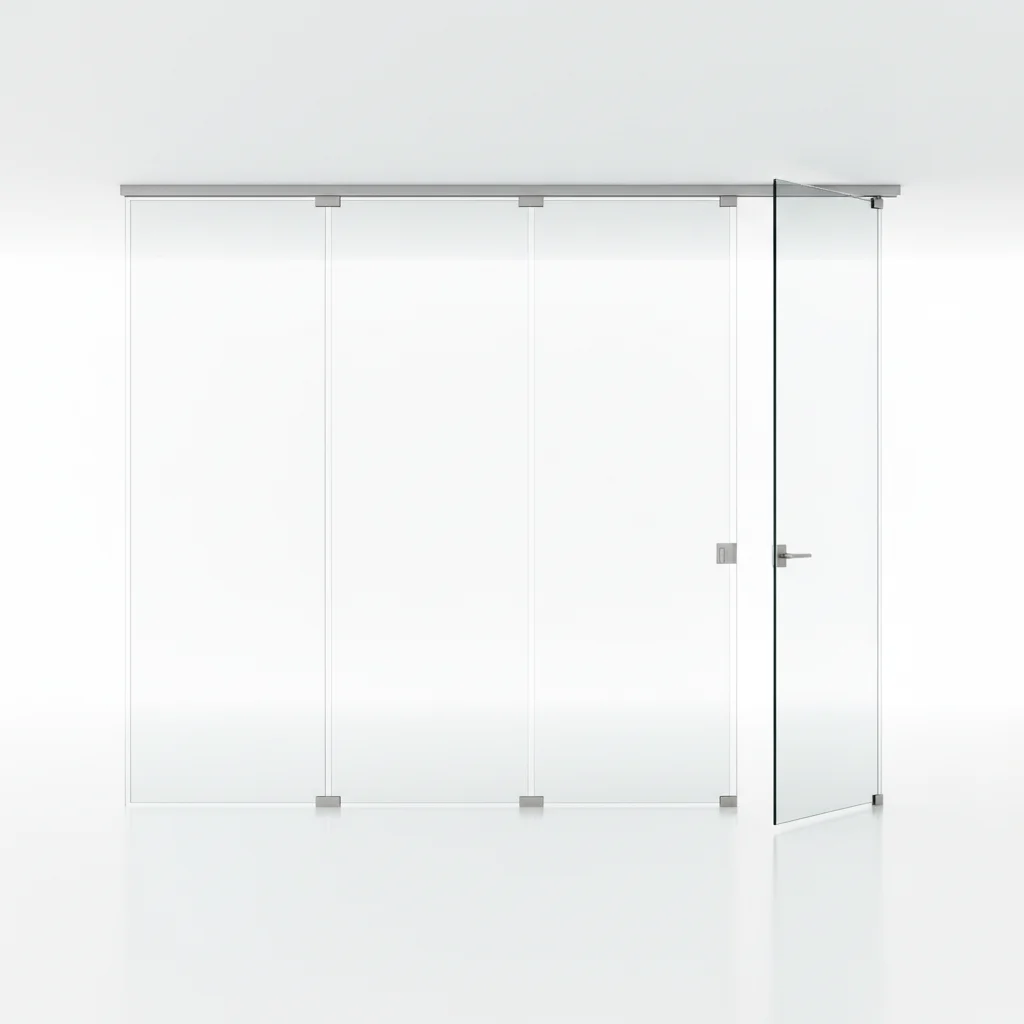
When we talk about glass curtains in this specific corner of the coast, we are discussing a system that folds away completely. In the height of August, you want that breeze moving through the house. But come November, when the sun goes down over the mountains and the temperature dips, you can slide the glass panels shut in less than two minutes. This flexibility is what makes it the preferred choice for the high-end villas dotted across the hillside. These residents are not looking for cheap plastic enclosures; they are looking for 10mm or 12mm tempered glass systems that can withstand the wind loads experienced at higher elevations while maintaining the sleek, minimalist aesthetic that Altea is known for.
The climate in Altea is a defining factor for any home improvement project. We benefit from a unique microclimate, largely thanks to the protection offered by the Sierra de Bernia. This mountain range acts as a shield against the colder northern winds, similar to how the Montgó protects Jávea. Consequently, we experience lower humidity than the southern zones of the Costa Blanca and a more moderate coastal breeze. This microclimate means that a glass room becomes a natural heat trap in the winter. Even on a January day with an outside temperature of 15 degrees, the solar gain through the glass can easily bring your enclosed terrace up to 22 or 23 degrees without any additional heating. This is an insight only those of us who live here truly appreciate; the glass doesn't just block the wind, it acts as a passive solar heater for the entire house.
However, being so close to the Mediterranean brings the challenge of salt air. If you are living near the Altea promenade or the marina, the salt spray is a constant presence. For any glass curtain installation, the quality of the tracks and the hardware is where the project succeeds or fails. I always insist on marine-grade anodized aluminum for the top and bottom profiles. Standard powder coating can eventually bubble if the salt gets underneath it, but anodized finishes provide a deeper level of protection. Furthermore, the rollers must be high-quality stainless steel or specialized nylon to ensure the panels continue to glide smoothly after five years of exposure to the sea air. A typical high-quality glass curtain system for a mid-sized terrace in an apartment near the coast might cost between EUR 4,000 and EUR 7,000, depending on the height of the glass and the complexity of the opening.
Another practical consideration is the comunidad de propietarios or the community of owners. Altea is very protective of its aesthetic heritage. If you live in an apartment block, you cannot simply change the facade of the building. This is why frameless glass curtains are the gold standard here. Because they lack vertical frames, they are often classified by communities as a non-permanent, "invisible" addition that does not alter the architectural integrity of the building. I have helped many families navigate these rules, and generally, as long as the glass is clear and the profiles match the existing woodwork or metalwork of the building, approval is straightforward. It is a much simpler path than trying to install traditional double glazing, which most communities will flatly reject.
Installation in Altea also requires an understanding of the local architecture. Many of the older villas in Altea la Vella have arched terraces or "riu raus" styles that have been modernized. Fitting a modern glass system into an arched opening requires specialized fixed glass transoms above the folding panels. We also have to consider the floor levels. Many older properties have a slight pitch on the terrace for water drainage. To ensure a glass curtain system operates perfectly, we often have to install a sub-frame or use a recessed bottom track that is leveled with millimetric precision. If the track is even 5mm out of level over a six-meter span, the glass panels will not stack correctly, and you will lose that seamless glide that makes these systems so satisfying to use.
For the luxury villas in Altea Hills or near the Don Cayo golf course, I almost always recommend a full glass room configuration combined with a bioclimatic pergola. This is the ultimate setup for the Costa Blanca. The bioclimatic pergola provides the structural roof with motorized louvers that control the sun, and the glass curtains provide the "walls." This creates a completely insulated environment. For a large villa terrace of say, 50 square meters, a full setup including the pergola and glass curtains can range from EUR 12,000 to EUR 15,000. This configuration allows you to host dinner parties in the middle of February while looking out at the lights of the bay. It also protects your outdoor furniture. I have seen countless expensive outdoor sofas ruined by the dust and rain that blows in during the autumn months. Enclosing the space with glass keeps everything pristine, reducing your maintenance time significantly.
If you are in a more compact apartment, perhaps closer to the port or the old town, a different approach is needed. Here, space is at a premium, and the goal is usually to make the terrace feel like an extension of the interior lounge. By using a "bottom-weighted" glass curtain system, we can often install the glass directly onto the existing balcony wall without needing heavy structural reinforcement in the ceiling. This is a cost-effective solution, often coming in around the EUR 3,000 to EUR 5,000 mark. When these panels are slid open and stacked against the wall, they take up only about 10% of the total opening width, ensuring that your view of the Mediterranean remains completely unobstructed.
We also see a lot of success combining glass curtains with high-quality vertical awnings or "toldos." In the peak of summer, even with the glass open, the sun can be intense. By installing an integrated awning system, you can drop a solar screen that blocks 90% of the heat but still allows you to see through to the garden. This layering of products—glass for the wind and rain, and awnings for the sun—creates a truly versatile outdoor room that adapts to the hour of the day and the season of the year.
Logistics in Altea are notoriously difficult. Having delivered and installed over 200 systems across the region, I know that getting materials to a property in the heart of the Old Town is a world away from a delivery in the wide streets of nearby Benidorm or the flat plots of Alfaz-del-Pi. The narrow, steep, and often cobbled streets around the church square require small-footprint delivery vehicles and sometimes even specialized cranes to lift glass panels over rooftops. We also serve the surrounding areas like Calpe and La Nucia, each with their own geographic quirks, but Altea’s hills remain the most challenging. When we plan a project here, we spend a significant amount of time on the "last mile" logistics—ensuring that we have the right permits for street access and that the weight of the glass (which can be 25kg per square meter) is handled safely on steep inclines.
My team and I have a deep-rooted knowledge of the local urbanisations, from the quiet streets of Galera de las Palmeras to the heights of Sierra Altea. We understand how the wind rolls off the Bernia and which terraces will face the brunt of the afternoon sun. This local expertise is what allows us to recommend the right thickness of glass and the right type of track system. We don't believe in a one-size-fits-all approach because a penthouse in the port has very different requirements than a rustic finca on the outskirts of town.
If you are considering enclosing your terrace or creating a new glass room, I encourage you to think about how you actually use the space. Do you want a quiet reading nook that stays warm in the winter, or do you need a large, ventilated area for summer entertaining? My role is to help you figure that out and then provide a technical solution that works with the unique architecture of your home. We offer free on-site consultations across Altea and the surrounding towns like Benissa and Calpe. I will personally come to your property, measure the space, and discuss the best configuration for your specific needs, taking into account the wind direction, sun path, and community regulations. Let's make sure your terrace becomes the most used room in your house, rather than just a place you look at through a window.
 JW'"
/>
JW'"
/>