Outdoor Living in Benissa
Benissa stretches from a historic old town inland to a stunning coastline of hidden calas, with 40% of its 12,000 residents — British, German, and Dutch — living in finca-style properties and coastal villas averaging €350,000.
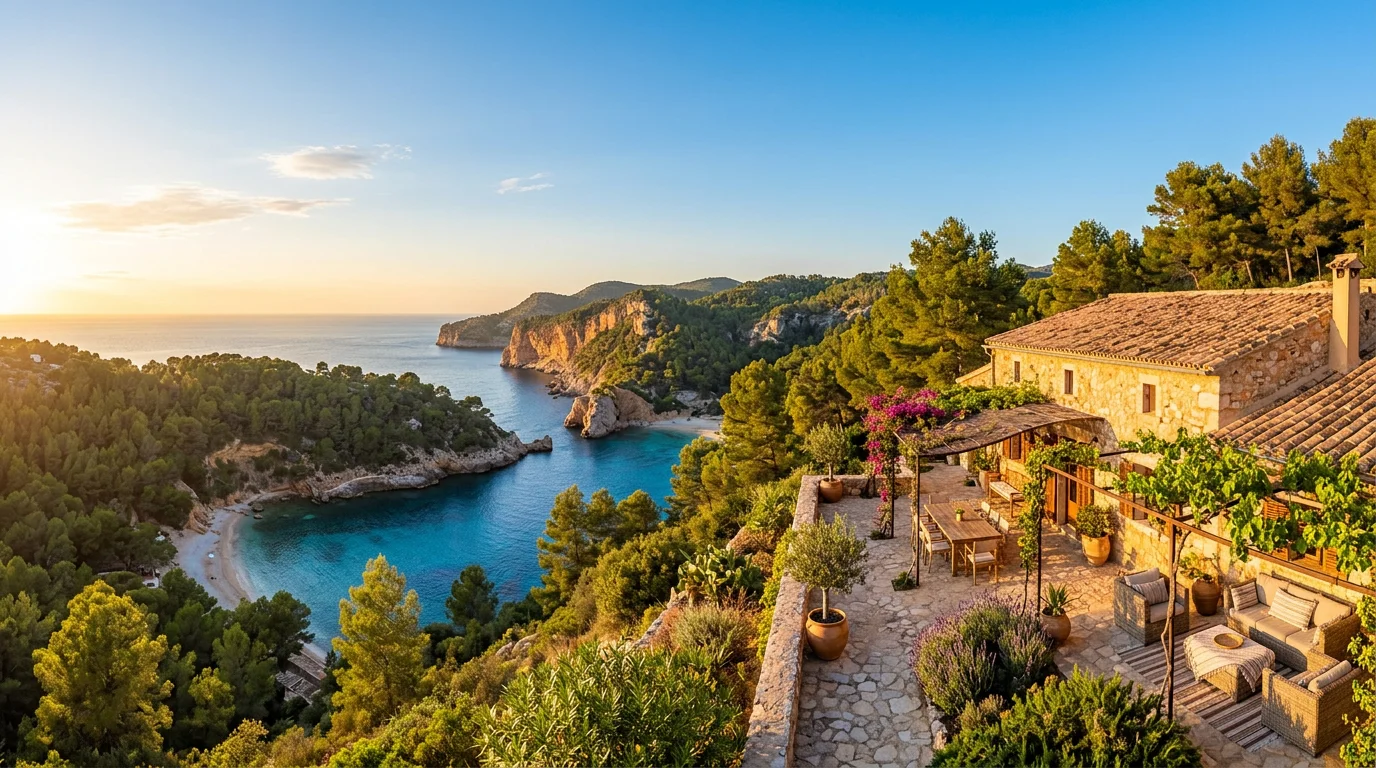
Benissa is two towns in one. The inland old town, with its Gothic church, narrow streets, and traditional finca country, feels authentically Spanish in a way that many coastal developments do not. Then there is the Benissa coast — a series of small rocky coves (calas) and clifftop villas stretching between Calpe and Moraira that rival anything on the French Riviera for sheer natural beauty.
Coastal villas above the calas feature large terraces with sea views, infinity pools, and outdoor entertaining spaces that demand serious cooking equipment. Inland, traditional fincas on larger plots offer rustic charm — stone-walled gardens, mature olive and almond trees, and privacy that coastal properties cannot match. Average prices sit around €350,000, though coastal villas frequently exceed €500,000.
The expat community is smaller and more established than in the southern towns. Residents tend to be long-term — people who chose Benissa for its character. That considered approach extends to their outdoor kitchens, where quality and longevity take priority over price.
Benissa’s mix of premium coastal villas and rustic inland fincas creates demand for high-quality outdoor kitchens, with an established expat community that prioritises craftsmanship and durability over budget.
Choosing Your Setup in Benissa
Coastal villa terraces suit full outdoor kitchen builds with built-in gas BBQs and pizza ovens, while inland fincas offer the space and character for rustic wood-fired cooking stations surrounded by olive groves.
For coastal properties above the calas, Costa Blanca Outdoors recommends a built-in outdoor kitchen that matches the architectural quality of the villa. Natural stone countertops, a premium gas BBQ with stainless-steel construction rated for salt air exposure, and a wood-fired pizza oven create a cooking station worthy of the setting. Many of our coastal Benissa clients add a kamado grill as a secondary piece — the versatility for smoking and slow-roasting complements the gas BBQ perfectly.
Inland finca owners have a different opportunity. The larger plots and rustic aesthetics call for wood-fired cooking as the centrepiece rather than an addition. A traditional-style pizza oven built into a stone surround, fuelled by wood from the property’s own almond or olive trees, feels entirely at home in finca country. Several of our Benissa finca customers have built dedicated outdoor cooking areas with a pizza oven, a parrilla-style open grill, and a prep station under a vine-covered pergola.
Gas remains practical for everyday cooking, particularly on the coast. Butane bombonas are available in Benissa town and from delivery services covering the coastal urbanisations.
Costa Blanca Outdoors recommends salt-air-rated stainless-steel BBQs for Benissa’s coastal villas and traditional wood-fired setups for inland fincas, using wood from the property’s own almond and olive trees.
Delivery to Benissa
We deliver throughout Benissa — coast and inland — on our northern Costa Blanca route, with specialist experience accessing clifftop villa driveways and rural finca tracks.
Benissa’s geography means delivery requires planning. Coastal villas often sit at the end of steep private roads above the calas, and inland fincas are reached via narrow agricultural tracks. Our team delivers here regularly and knows which approaches work, which gates need opening in advance, and where to position vehicles for safe unloading of heavy equipment.
Every delivery includes complete white-glove service. For built-in kitchen projects, we coordinate with Benissa-based stonemasons and builders who work in both the coastal contemporary style and the traditional finca aesthetic — ensuring your outdoor kitchen feels integrated with the property rather than bolted on.
We serve Calpe and Moraira on the same northern route, and Benitachell is just down the coast. Standard delivery runs 5–10 working days for in-stock items, with custom projects taking 3–4 weeks.
Maximising the Microclimate: Glass Curtains and Glass Rooms in Benissa
Living on this particular stretch of the coastline since 2019 has taught me that Benissa occupies a unique geographical position that most newcomers don’t fully appreciate until their first winter. While the town center retains its medieval character and narrow, winding streets inland, the residential landscape stretching toward the coast is defined by expansive hillside villas. These properties typically feature substantial terraces, often ranging from 40 to 80 square meters, designed to capture the dramatic views over Fustera Cove and Advocat Cove. With an international population making up forty percent of the local residents, there is a sophisticated outdoor living culture here that blends British, Dutch, and German influences. This demographic shift has fundamentally changed how we use our homes; the terrace is no longer just a place for a summer evening, but the primary living area for the majority of the year. However, the very elevation that provides those sea views also exposes properties to the elements, making glass curtains and glass rooms a logical investment rather than a luxury.
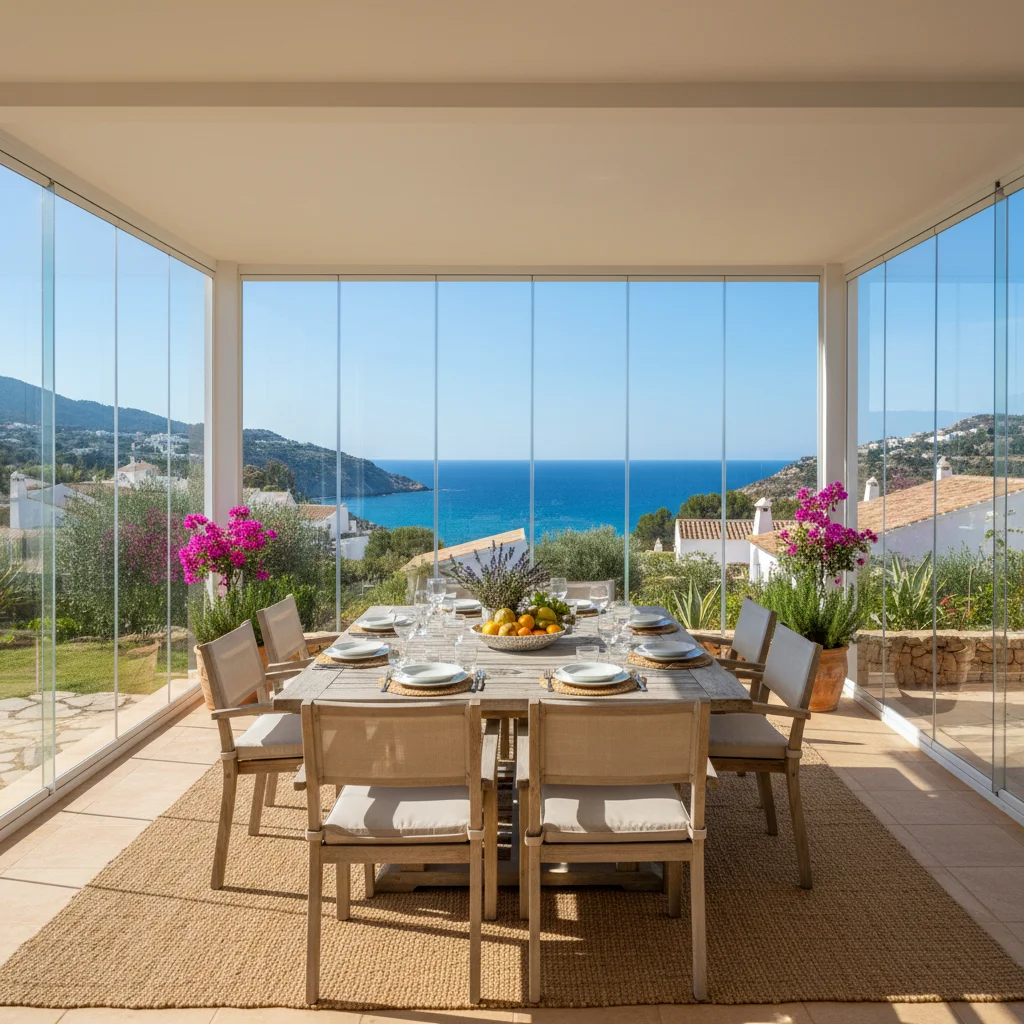
The architectural heritage of the area means we see many properties with traditional Spanish nayas—those arched, covered porches that are beautiful but notoriously difficult to use when the wind picks up. Because the average property price in this zone sits around 380,000 EUR, owners are understandably keen to protect their investment while increasing the usable square footage. When you are looking out toward the Mediterranean from a hillside plot, the wind can be deceptive. A calm day at the water’s edge near the Coastal Walk can feel entirely different four hundred meters up the hill. This is where frameless glass curtains become essential. They allow residents to seal off those large 60-square-meter terraces without losing the panoramic connection to the landscape. Unlike traditional PVC enclosures or bulky aluminium frames, these systems maintain the clean lines of the villa, which is vital for maintaining property value in a competitive market.
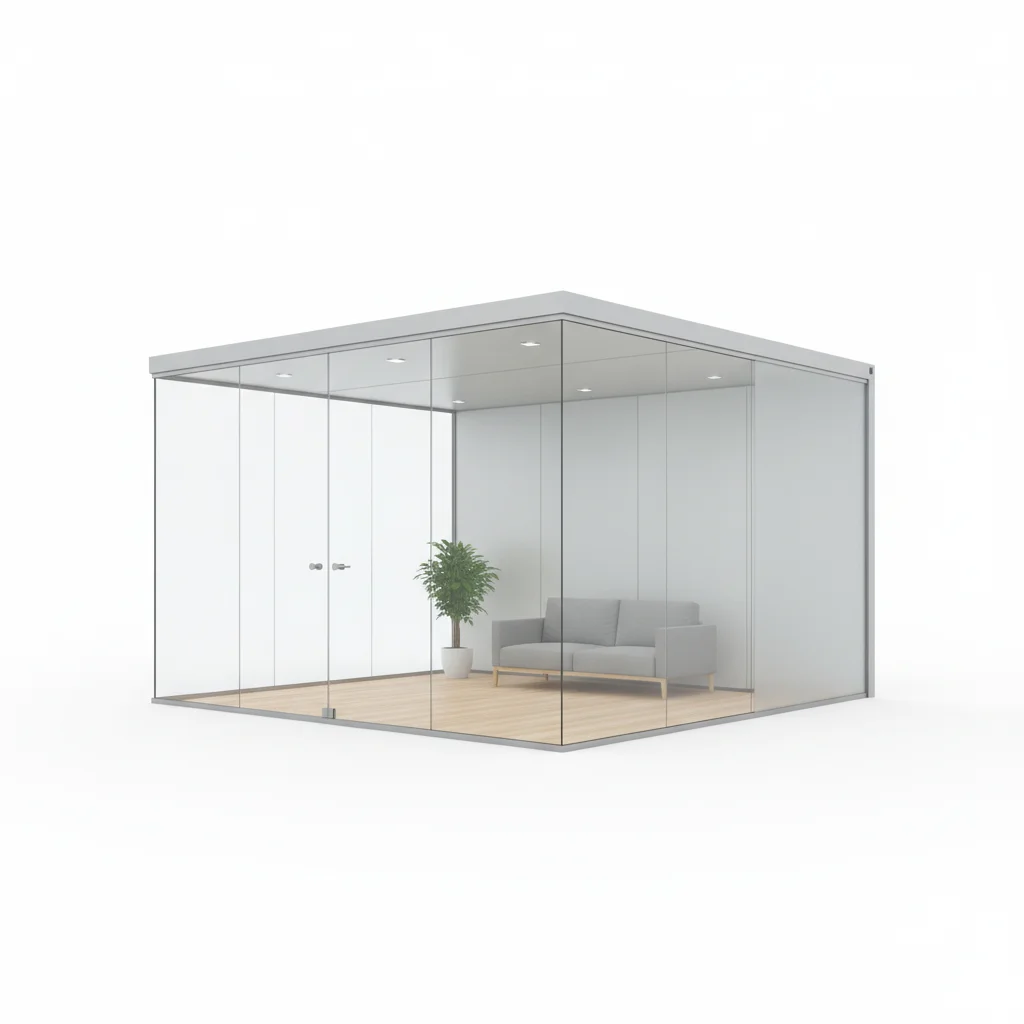
The Dutch and German communities in the area have a long-standing tradition of the winter garden or Wintergarten, which has influenced the local demand for fully enclosed glass rooms. These are more robust than simple curtains, often involving a fixed roofing structure—either glass or insulated panels—combined with sliding or folding glass walls. This setup transforms a breezy, salt-misted terrace into a climate-controlled sanctuary. In areas like the Benissa hills, where the evening temperature can drop significantly despite a sunny day, having a glass room means you can enjoy the sunset over the Bernia mountain range in January without needing a heavy coat. It bridges the gap between the interior of the house and the garden, creating a functional zone for dining or working that remains flooded with natural light.
When considering an installation in this specific part of the Marina Alta, you have to account for the microclimate created by the surrounding mountains. Benissa benefits from a certain level of protection afforded by the Montgó-style mountain formations to the north, which tends to buffer the harshest weather systems. However, this creates a specific set of atmospheric conditions. We experience lower humidity here than in the southern reaches of the Costa Blanca, but the coastal breeze is constant. For properties located within a kilometer of the sea, salt air is the primary enemy of any mechanical system. I have seen countless cheap glass systems where the bottom tracks and stainless steel bearings have pitted and seized within twenty-four months because the materials weren't marine-grade. Expert advice for this town focuses on the quality of the tracks and the resilience of the seals.
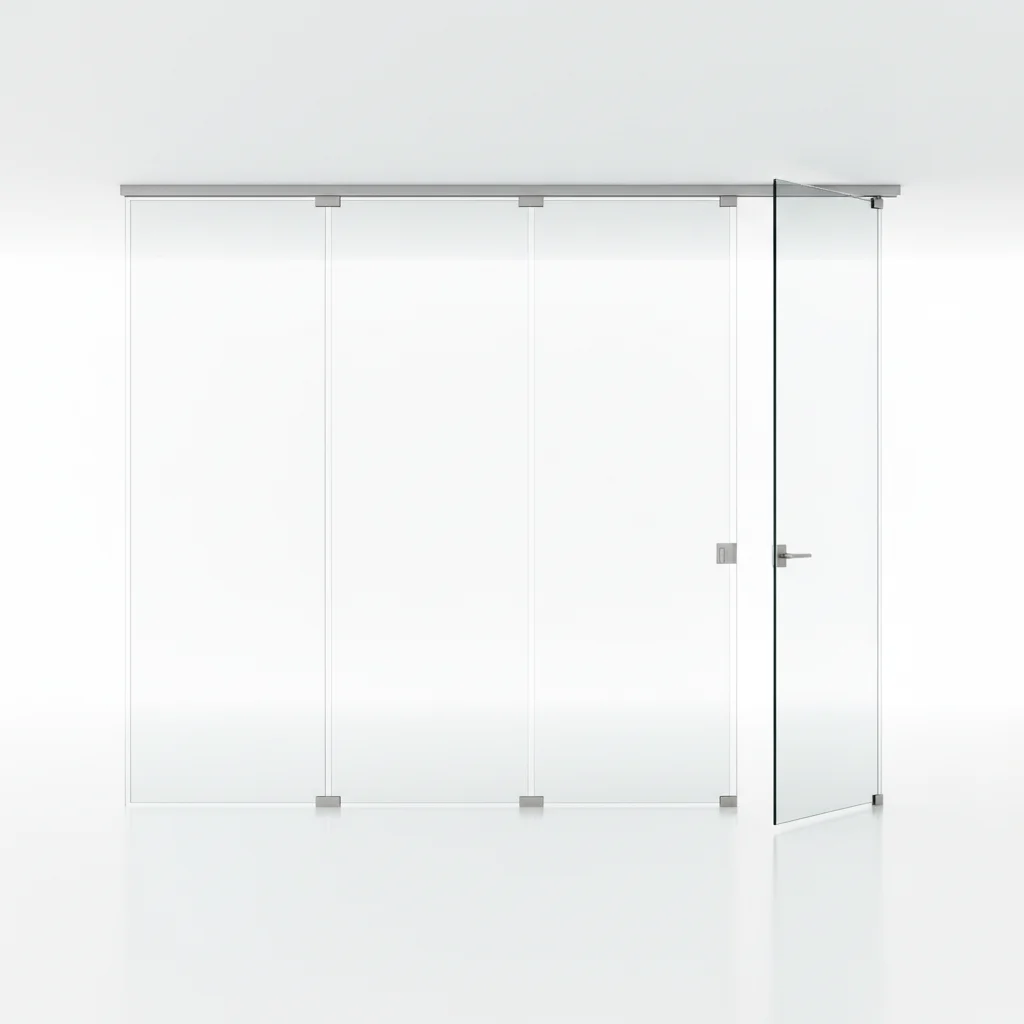
The technical requirements for glass curtains in this area are stringent due to the wind loads on the hillsides. A standard installation usually involves 10mm tempered safety glass, which is essential for withstanding the gusts that funnel through the valleys. For a typical five-meter span on a villa terrace, you should expect to pay between 4,500 EUR and 6,500 EUR for a high-quality frameless system. If you are looking at a full glass room enclosure with a thermal roof, prices generally range from 12,000 EUR to 15,000 EUR depending on the complexity of the site. One thing many residents overlook is the horizontal property law and community rules. In many of the urbanisations between the Old Town and the coast, frameless glass curtains are often the only permitted way to enclose a terrace because they are technically classified as a removable, non-permanent structure. This means you can usually avoid the lengthy and often frustrating process of seeking full planning permission from the local town hall, provided the system doesn't change the external aesthetic of the building significantly.
Maintenance in this environment is relatively straightforward but non-negotiable. I always tell my clients that while the glass is easy to clean, the longevity of the system lies in the hidden components. The tracks need to be kept free of the fine dust that blows in from the Jalon valley during the summer, and the drainage holes must be clear to handle the sudden, intense rainfall we get during the Gota Fría. A specific recommendation I often make for villas in this area is the integration of solar control glass. Because our terraces are often south-facing to maximise the winter sun, an all-glass enclosure can become a greenhouse in July. By using glass with a high-performance coating, you can reflect up to 70% of the solar heat while still retaining the clarity of the view. This makes the space usable at 2:00 PM in August, not just in the evenings.
For the luxury villas that dot the landscape of Benissa, I almost always recommend a combination of glass curtains and a bioclimatic pergola. This is the gold standard for outdoor living. The pergola provides the structural roof with adjustable slats for ventilation, and the glass curtains provide the lateral protection. This setup is particularly effective for large 80-square-meter terraces where you might want to enclose only a portion for a dining area while leaving the rest open to the pool. For a premium bioclimatic setup paired with glass curtains, you are looking at an investment in the region of 15,000 EUR, but it effectively adds a new room to the house that can be used 365 days a year. It is a configuration that particularly appeals to the British and Dutch residents who enjoy outdoor cooking and want to protect their high-end outdoor kitchens from the winter damp.
For those living in the more compact properties closer to the Old Town or in apartment complexes near the coast, the focus shifts toward space-saving and ease of operation. In these scenarios, a slide-and-turn system is usually best. The glass panels slide along the track and then stack neatly against the wall, taking up very little room. This is ideal for smaller balconies where you still want the option of a completely open space in the summer. If you have a smaller terrace of around 15 to 20 square meters, a high-quality glass curtain system can be installed for approximately 3,000 EUR to 4,000 EUR. This relatively small investment can significantly improve the thermal efficiency of the entire apartment, acting as a buffer zone that keeps the main living area warmer in winter and cooler in summer. We also find that combining these with vertical awnings or "toldos" provides the necessary privacy in more built-up areas.
One nuance that only someone who works on-site daily would know is the logistical challenge of the Benissa terrain. The winding, narrow access roads that lead to some of the more secluded villas can be a nightmare for standard delivery trucks. We have learned to use smaller, more agile vehicles for the final approach to avoid damaging low-hanging trees or stone walls that are so common in the local architecture. Furthermore, the construction of many older villas here often involves thick, traditional stone walls or uneven naya arches. Fitting a perfectly straight glass track into a centuries-old archway requires a level of precision and bespoke fabrication that you won't get from a "one size fits all" provider. We often have to use custom-milled aluminium compensation profiles to ensure the system is perfectly level, which is the only way to guarantee the glass panels glide smoothly for years to come.
Our service extends beyond the town itself to the neighboring areas of Moraira, Calpe, Benitachell, and inland toward Jalon and Pedreguer. We understand the subtle differences between these locations—how the wind might be stronger on a Calpe balcony compared to a sheltered Jalon valley patio. This local knowledge is baked into every consultation. We don't just look at the measurements; we look at the orientation of your house, the proximity to the sea, and the specific way the wind hits your terrace during a northern blow. We know the local building styles and the expectations of the community presidents in the major urbanisations.
If you are considering upgrading your outdoor space, the best starting point is an on-site visit. I personally spend a lot of time on the road between the coast and the hills, and I’m always happy to stop by to take a look at a terrace. There is no substitute for standing on the spot, feeling the breeze, and seeing the light. We offer a free, no-obligation consultation where we can discuss the various configurations, from simple glass curtains to full glass rooms with integrated bioclimatic roofs. We can look at samples of the glass and the various finishes for the tracks to ensure they match your existing woodwork or stonework. My goal is to ensure that whatever we install looks like it was part of the original architectural plan, not an afterthought. Whether you are in a modern villa near Fustera or a renovated farmhouse inland, there is a glass solution that will change how you experience your home.
 JW'"
/>
JW'"
/>