Why Expats in Moraira Love Outdoor Cooking
With 55% of its 14,000 residents from abroad, Moraira is the most international small town on the Costa Blanca — and its villa-heavy property market makes it a hotspot for premium outdoor kitchen installations.
Moraira punches well above its weight. This small coastal town between Jávea and Calpe has quietly become one of the most sought-after addresses on the Spanish Mediterranean. Walk through the Benimeit hillside or the Cap d’Or headland on any evening between April and November, and you will catch the unmistakable scent of charcoal and wood smoke drifting from terrace after terrace.
With an average property price around €450,000 — the highest of any town in our delivery zone — homes here tend to be spacious villas with large gardens, infinity pools, and terraces designed for entertaining. The British and Dutch communities have brought a culture of weekend barbecues and al fresco dinner parties that has become inseparable from life in Moraira.
Answer capsule: Moraira’s high-end villa market and 55% expat population create strong demand for premium outdoor kitchens, kamado grills, gas BBQs, and pizza ovens built for serious entertaining.
Your Moraira Outdoor Kitchen Setup
Moraira’s generous villa terraces — often 50–100m² with sea views — are ideally suited to full outdoor kitchen islands with built-in grills, pizza ovens, and prep stations.
Villas in Benimeit, Moravit, and the Pla del Mar areas routinely feature covered terraces and expansive pool surrounds that are perfect for a complete island setup: built-in gas BBQ on one side, kamado station in the centre, and wood-fired pizza oven at the end, tied together with natural stone countertops.
For El Portet properties — closer to the beach and slightly more compact — a standalone kamado paired with a rolling prep cart works beautifully. The covered terraces common in El Portet townhouses provide natural shelter for cooking even during autumn rain showers.
Costa Blanca Outdoors recommends that Moraira homeowners with existing summer kitchens consider a retrofit rather than a full rebuild. Many villas built in the 1990s and 2000s have solid masonry summer kitchens that just need modernising with new appliances — saving 30–40% compared to building from scratch.
Answer capsule: Moraira’s villas often have existing summer kitchens ideal for retrofit upgrades, while El Portet townhouses suit standalone kamado grills and countertop pizza ovens.
Gas, Charcoal, or Wood-Fired? Choosing Right for Moraira
Moraira’s sheltered coastal position and premium property stock make it suitable for all fuel types — from convenient gas to atmospheric wood-fired cooking.
The Dutch and Scandinavian residents often gravitate toward gas BBQs — clean, predictable, and perfect for the frequent midweek dinners that Moraira’s social scene demands. Most Benimeit and hillside villas already have either a butane connection or mains gas, making installation straightforward.
The British contingent leans heavily toward kamado grills. There is a genuine community of kamado enthusiasts — we have heard of informal cook-off competitions between neighbours in the Moravit and Pinar de l’Advocat urbanisations. The ceramic construction handles Moraira’s mild winters without issue, and the versatility from low-and-slow smoking to 400°C pizza cooking makes the kamado a natural centrepiece.
Wood-fired pizza ovens are where Moraira really shines. Local olive and almond wood from suppliers in nearby Benissa is abundant, and the flavour is incomparable. Costa Blanca Outdoors recommends the Alfa Forni range for Moraira customers who want authentic Neapolitan-style results with manageable fuel consumption.
Answer capsule: Gas BBQs suit Moraira’s active social calendar, kamado grills have a devoted local following, and wood-fired pizza ovens complement the town’s strong dining culture.
Delivery & Setup in Moraira
Our team delivers throughout Moraira weekly, with experience navigating the hillside access roads of Benimeit, Cap d’Or, and Moravit urbanisations.
Moraira is one of our most active delivery areas, sitting at the heart of our northern Costa Blanca zone. Access to the hillside urbanisations requires local knowledge, and our drivers know every tight turn on these roads.
For larger installations, we work with Moraira-based builders who understand local construction standards and community regulations. Many urbanisations have specific rules about exterior modifications, and we ensure every installation complies fully.
Based near Calpe or Jávea? You are on our regular Moraira route. We also deliver to Benissa and inland areas around Lliber. Expect 5–10 working days for in-stock products, with custom outdoor kitchen projects taking 3–4 weeks including design, fabrication, and installation.
Architecturally Integrated Shade Solutions for the Local Microclimate
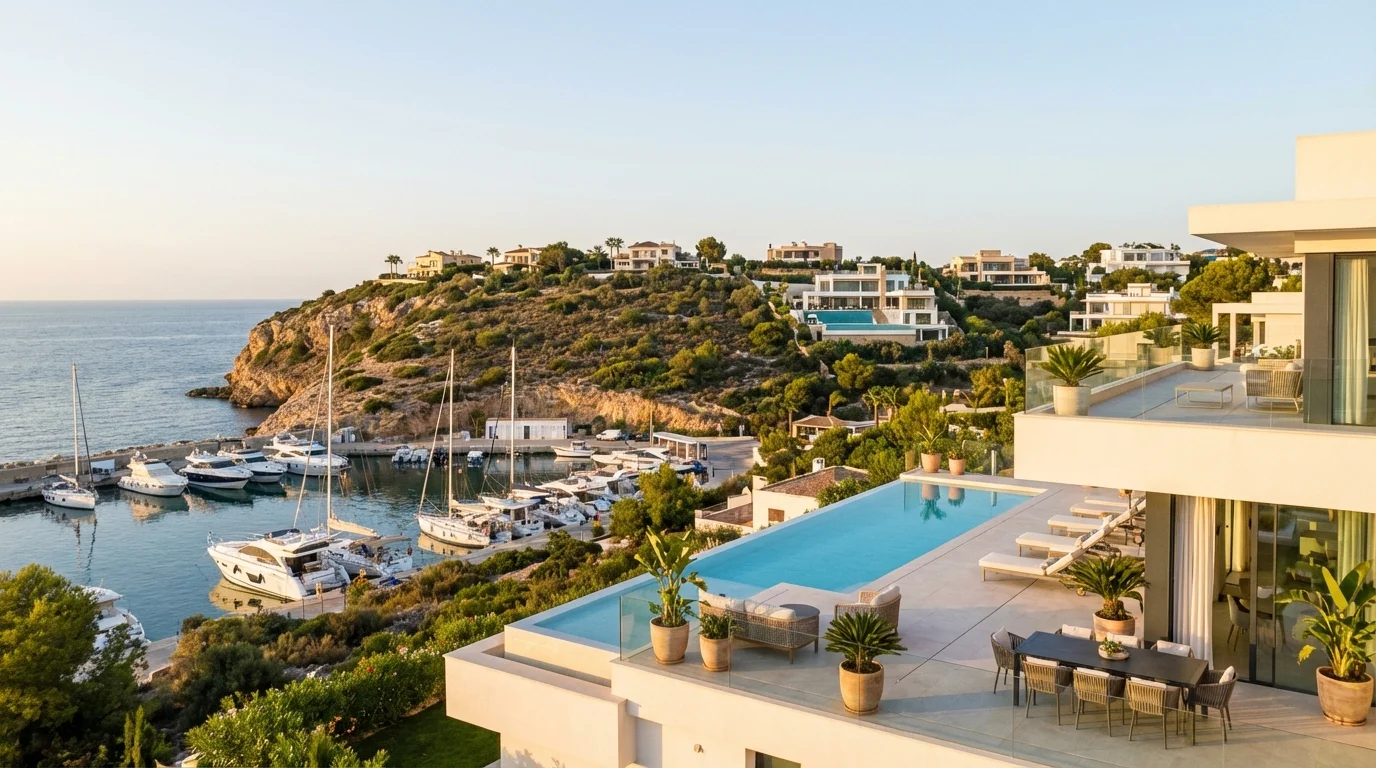
Living on this specific stretch of the coastline requires a nuanced understanding of how sunlight and wind interact with our unique topography. The geography here is dominated by the protective presence of the mountains, which creates a sheltered microclimate distinct from the more exposed plains further south. While this protection reduces the intensity of the harsh inland winds, it also traps heat within the valleys and hillside urbanisations. For the 14,000 residents who call this area home, particularly the 55% international community of British, Dutch, and German expats, the outdoor terrace is the primary living room for nine months of the year. When you are managing a property with a valuation averaging EUR 450,000, the aesthetic and functional requirements for sun protection go far beyond a simple plastic umbrella. We see a significant trend in areas like Benimeit and the heights of Cap d'Or where luxury villas feature expansive terraces ranging from 40 to 80 m². These spaces are often the hub for sophisticated outdoor kitchens and lounge areas that demand architectural shade sails capable of covering large spans without the intrusive footprint of heavy pillars.
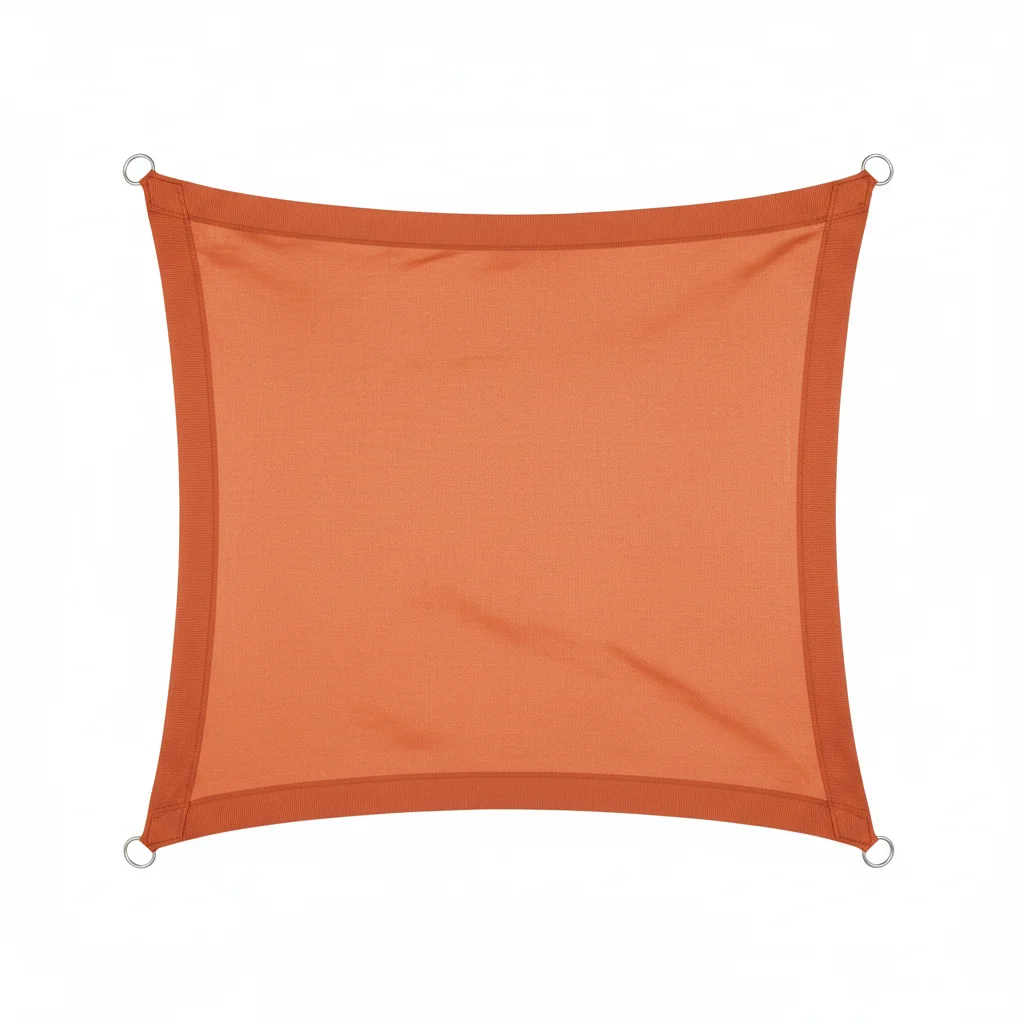
The international influence here has fundamentally changed how we view outdoor spaces. Our Dutch and German clients often prioritize high-performance engineering, while our British clients look for that seamless transition between the interior and the Mediterranean exterior. Shade sails have become the preferred solution because they offer a lightweight, sculptural quality that complements the modern white-walled villas found throughout El Portet and surrounding hillside enclaves. Unlike traditional fixed structures, these tensioned fabric systems provide a sense of movement and airiness. They allow the moderate coastal breeze to circulate rather than trapping a pocket of stagnant hot air against the building facade. This is particularly vital when you are hosting an afternoon lunch or relaxing by a private pool with views stretching toward the sea. The ability to shade a 30 m² dining area with just three or four stainless steel anchor points ensures that the view remains unobstructed, preserving the primary reason most people invest in property in this prestigious corner of the Costa Blanca.
Technical Considerations for Coastal Installation and Maintenance
Installing a shade sail in this region involves more than just tensioning a piece of fabric between two walls. The environmental factors here are specific and demanding. One of the most critical elements I discuss with homeowners is the impact of salt air, especially for properties within five hundred meters of the shoreline near the Castle of Moraira or the El Portet cove. We exclusively use 316-grade marine-grade stainless steel for all turnbuckles, eye bolts, and snap hooks. Lower grade 304 stainless steel, which is common in cheaper kits found online, will begin to show tea-staining and pitting within a single season due to the saline mist. When we are engineering a solution for a hillside villa, we also have to account for the thermal lift. The moderate coastal breeze can occasionally accelerate as it moves up the cliffs, creating significant uplift on the fabric. This is why the choice of material is non-negotiable. We utilize High-Density Polyethylene (HDPE) knitted fabric, typically with a weight of 280g/m² to 340g/m². This material is not waterproof, and that is a deliberate choice for our climate. The knitted lock-stitch construction allows hot air to escape through the fabric, effectively lowering the temperature underneath by up to ten degrees compared to the ambient sun temperature.
A common concern for residents is the regulation within their local comunidad de propietarios. In many urbanisations across the region, permanent structures like tiled porches or heavy wooden pergolas require municipal building permits and often face resistance from community boards because they alter the registered volume of the building. Shade sails are generally classified as temporary or removable installations. Because they can be taken down in five minutes at the end of the season or in the event of a Gota Fría storm, they sit in a much easier regulatory category. For those living in closer proximity to neighbors, the lack of a roof structure means you aren't blocking anyone else's light or view, which keeps community relations harmonious. When it comes to the actual substrate of the house, we often encounter the traditional Tosca stone or modern thin-rendered brickwork. Expert installation requires chemical anchoring—using a two-part epoxy resin to set the threaded rods into the masonry. This ensures that the tension required to keep a 5-meter sail from sagging doesn't compromise the structural integrity of your walls. For a standard 4x4m square HDPE sail in a custom color like anthracite or desert sand, including all marine-grade hardware and professional chemical-anchor installation, residents should budget approximately EUR 850 to EUR 1,200 depending on the complexity of the fixings.
Strategic Configurations for Villas and Townhouses
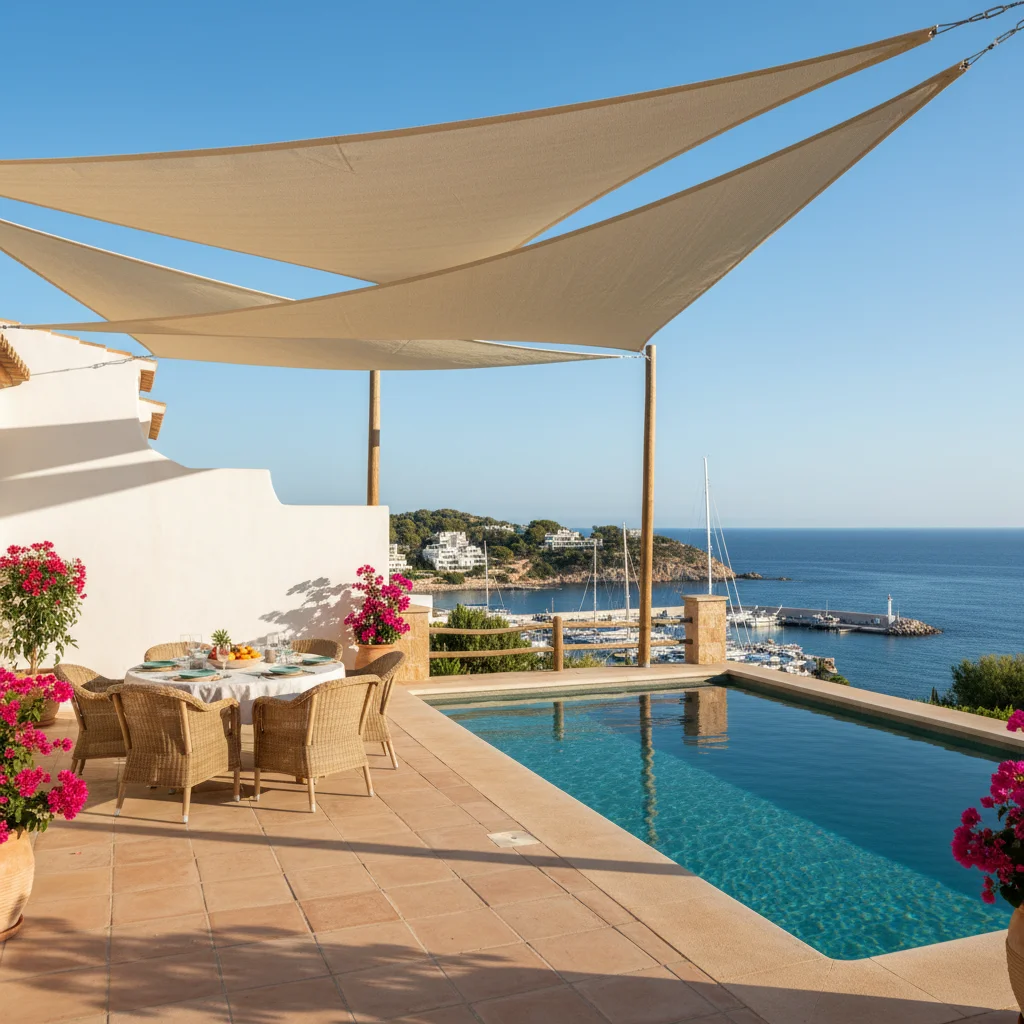
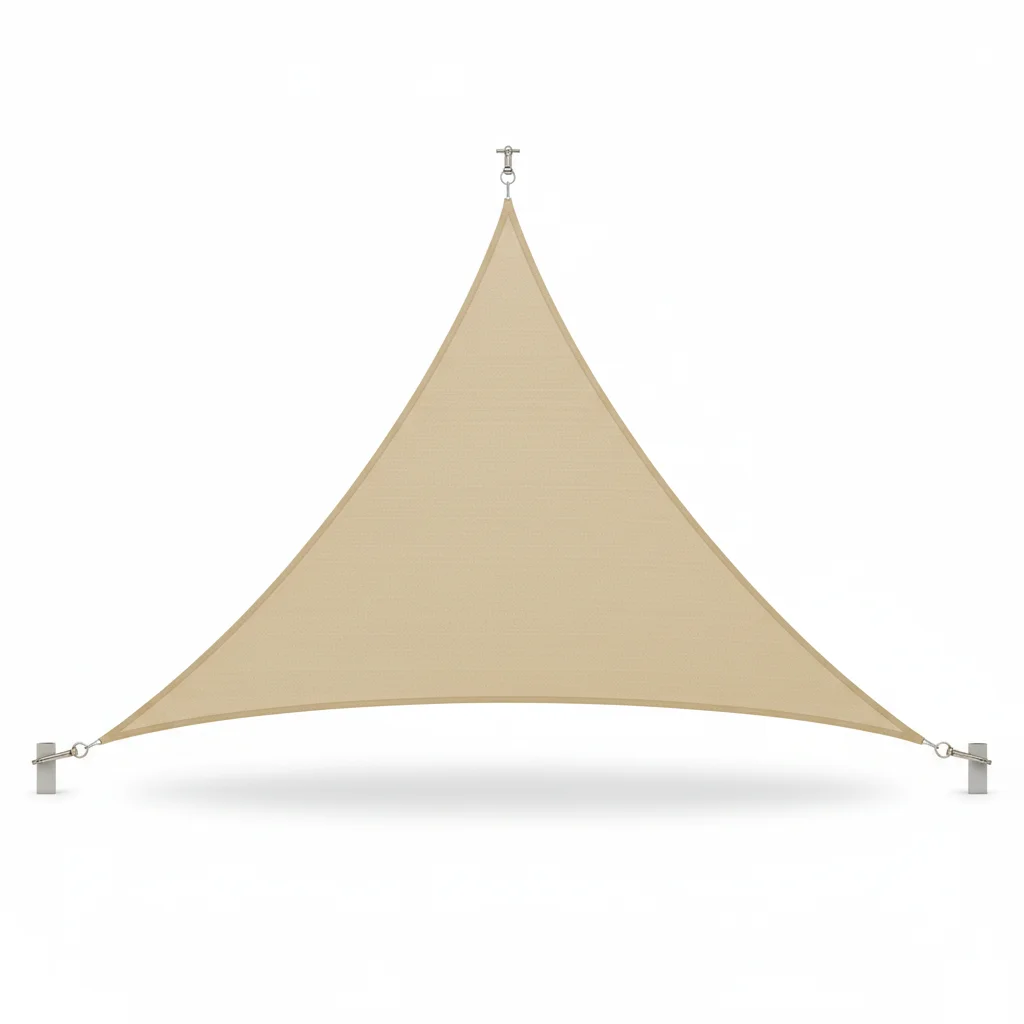
The diversity of property types in our area requires a tailored approach to shade design. For the large, sprawling villas located in Benimeit or near the Cap d'Or, a single large sail is rarely the best solution. Instead, I recommend a multi-sail configuration. By overlapping two or three triangular sails at different heights, you create a "hypar" or hyperbolic paraboloid effect. This isn't just for visual appeal; the different mounting heights allow for better airflow and prevent the sails from vibrating or "thrumming" in the wind. This setup is particularly effective for covering 60 m² pool terraces where you need shade over the water as well as the lounging area. It creates a dynamic architectural feature that matches the high-end aesthetic of the property. We often combine these sails with bioclimatic pergolas for the main dining area, using the sails to extend the shaded footprint over the sun loungers or outdoor kitchen. This hybrid approach allows for the flexibility of adjustable louvers near the house and the broad, stylish coverage of sails further out on the terrace.
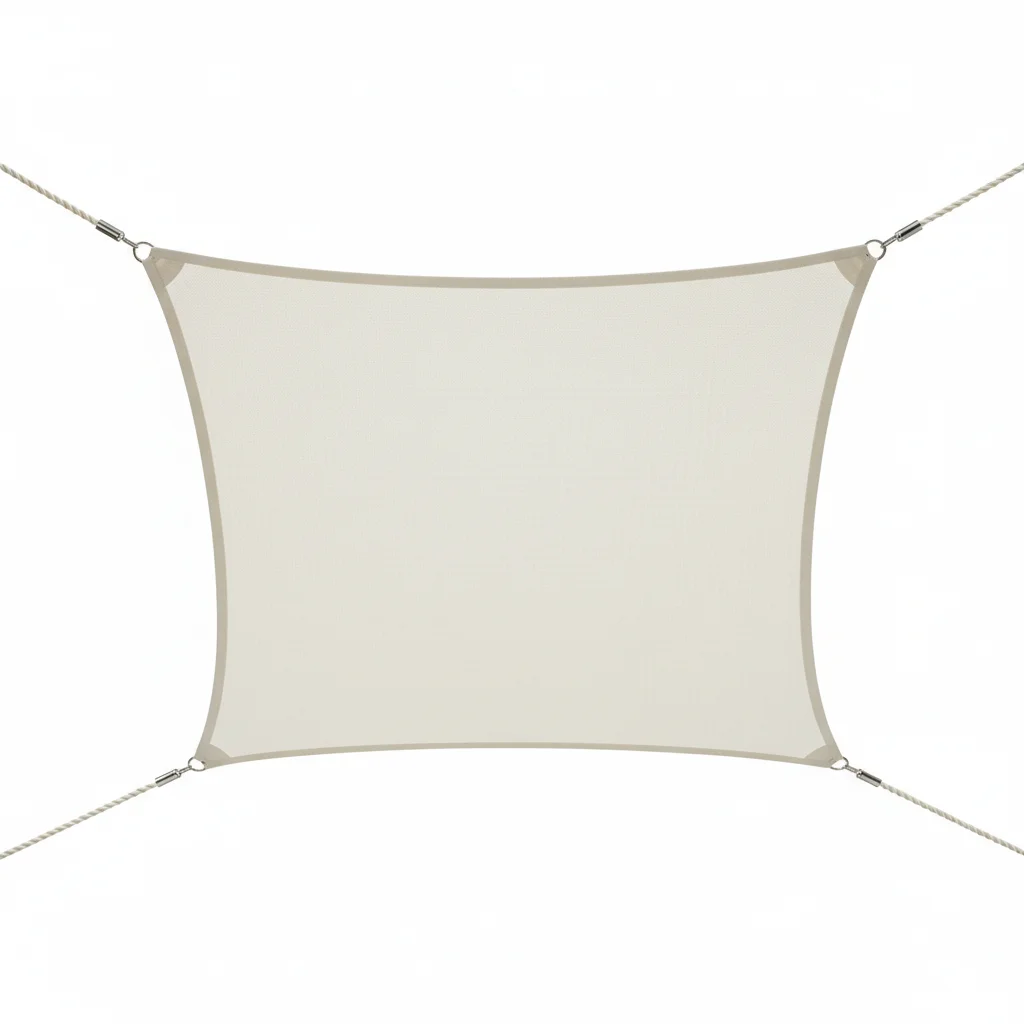
In contrast, for townhouses or apartments closer to the town center or in the nearby areas of Benitachell and Benissa Costa, space is often at a premium. Here, we tend to recommend rectangular or square sails that maximize every centimeter of available shade. If you have a 15 m² terrace, a single rectangular sail mounted with a slight slope will provide consistent protection throughout the day. This is also where the integration with vertical awnings or high-quality parasols-shade solutions becomes important. A shade sail provides the "roof," but as the sun drops lower toward the mountains in the late afternoon, you may still experience glare. Pairing a fixed sail with a lateral roller screen or a cantilevered parasol provides a 360-degree solution for sun protection. For these smaller setups, a high-quality ready-made sail in a standard size like 3x4m can be a very cost-effective entry point, often starting around EUR 150 for the fabric alone, allowing residents to upgrade their hardware over time. The key is to ensure the sail is tensioned correctly; a loose sail is a sail that will eventually fail due to mechanical wear from flapping.
Logistics and Local Expertise in the Marina Alta
Navigating the logistics of delivery and installation in this part of the Costa Blanca requires intimate knowledge of the local terrain. Many of the most beautiful properties in the region are accessed via narrow, winding coastal roads or steep residential tracks where large delivery trucks simply cannot pass. Having spent years working across Javea, Calpe, and Benissa, we understand the specific access challenges of different urbanisations. We don't just ship a box and hope for the best; we understand that getting a 6-meter galvanized steel post up to a ridge-top villa in Benimeit requires a specific type of vehicle and a team that knows how to handle heavy materials on an incline. Our proximity to these towns means we are also familiar with the specific wind patterns of the Marina Alta. We know, for example, that a property facing the valley toward Benitachell will experience different wind loads than one tucked behind the cliffs of El Portet. This local insight allows us to specify the correct tensioning systems and fabric weights that will survive the local conditions for years, not just months.
Furthermore, the maintenance of these sails is something we take seriously for our local clients. The "Calima"—the red Saharan dust that occasionally blankets the region—can settle on the fabric and, if left, can bake into the fibers under the intense sun. Because we live and work here, we can provide the correct advice on cleaning and seasonal storage. We recommend a simple low-pressure wash with a garden hose and a mild detergent twice a year to maintain the UV-reflective properties of the HDPE. At the end of the summer season, usually late October, we offer a service to take down and store the sails for residents who return to Northern Europe for the winter, ensuring their investment is protected from the winter storms. This level of service is only possible because we are neighbors, not just a distant retailer. Whether you are looking to shade a small balcony or a massive hillside terrace, I am available for a free on-site consultation to measure your space and discuss the technical requirements for a professional installation. We can look at the sun path over your specific plot and determine the exact angles needed to provide shade exactly where you need it during the peak heat of the day.
 JW'"
/>
JW'"
/>