Outdoor Living in Benissa
Benissa stretches from a historic old town inland to a stunning coastline of hidden calas, with 40% of its 12,000 residents — British, German, and Dutch — living in finca-style properties and coastal villas averaging €350,000.
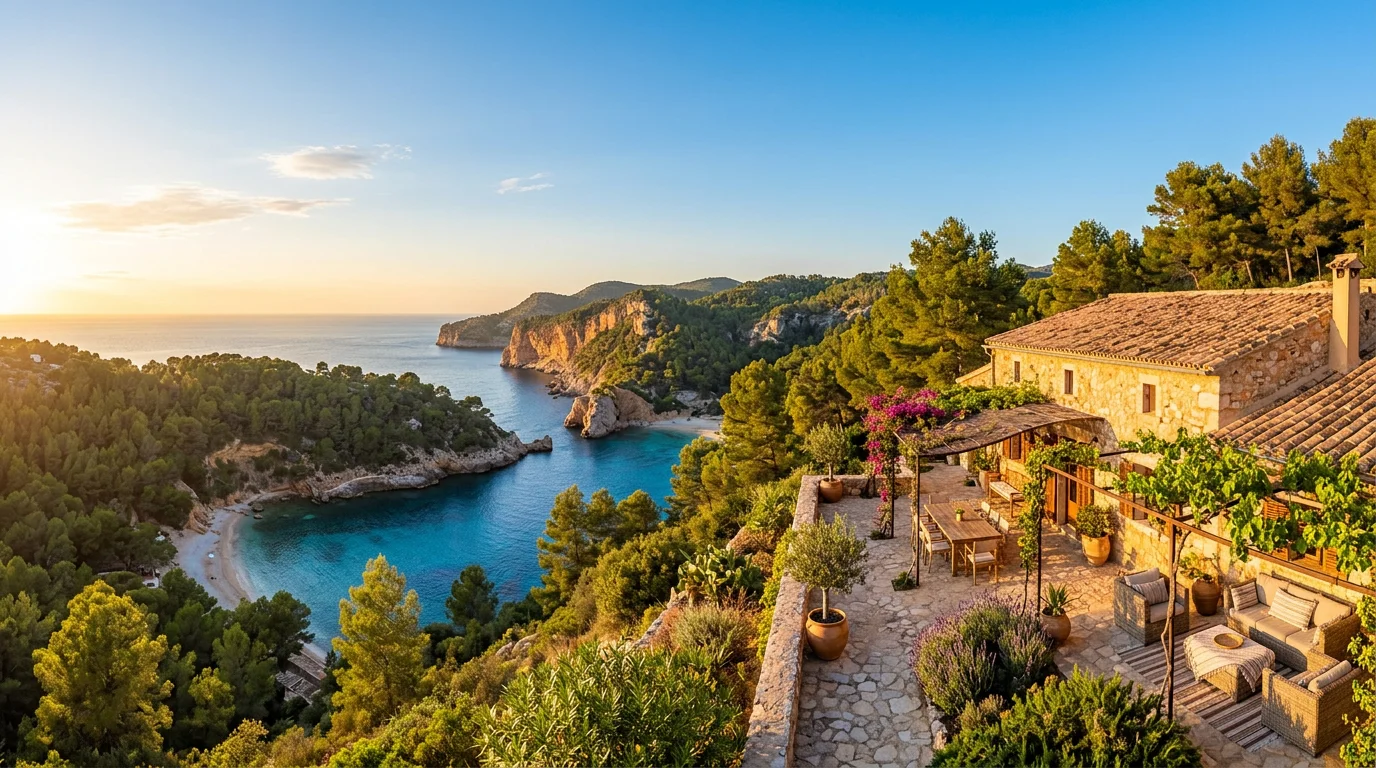
Benissa is two towns in one. The inland old town, with its Gothic church, narrow streets, and traditional finca country, feels authentically Spanish in a way that many coastal developments do not. Then there is the Benissa coast — a series of small rocky coves (calas) and clifftop villas stretching between Calpe and Moraira that rival anything on the French Riviera for sheer natural beauty.
Coastal villas above the calas feature large terraces with sea views, infinity pools, and outdoor entertaining spaces that demand serious cooking equipment. Inland, traditional fincas on larger plots offer rustic charm — stone-walled gardens, mature olive and almond trees, and privacy that coastal properties cannot match. Average prices sit around €350,000, though coastal villas frequently exceed €500,000.
The expat community is smaller and more established than in the southern towns. Residents tend to be long-term — people who chose Benissa for its character. That considered approach extends to their outdoor kitchens, where quality and longevity take priority over price.
Benissa’s mix of premium coastal villas and rustic inland fincas creates demand for high-quality outdoor kitchens, with an established expat community that prioritises craftsmanship and durability over budget.
Choosing Your Setup in Benissa
Coastal villa terraces suit full outdoor kitchen builds with built-in gas BBQs and pizza ovens, while inland fincas offer the space and character for rustic wood-fired cooking stations surrounded by olive groves.
For coastal properties above the calas, Costa Blanca Outdoors recommends a built-in outdoor kitchen that matches the architectural quality of the villa. Natural stone countertops, a premium gas BBQ with stainless-steel construction rated for salt air exposure, and a wood-fired pizza oven create a cooking station worthy of the setting. Many of our coastal Benissa clients add a kamado grill as a secondary piece — the versatility for smoking and slow-roasting complements the gas BBQ perfectly.
Inland finca owners have a different opportunity. The larger plots and rustic aesthetics call for wood-fired cooking as the centrepiece rather than an addition. A traditional-style pizza oven built into a stone surround, fuelled by wood from the property’s own almond or olive trees, feels entirely at home in finca country. Several of our Benissa finca customers have built dedicated outdoor cooking areas with a pizza oven, a parrilla-style open grill, and a prep station under a vine-covered pergola.
Gas remains practical for everyday cooking, particularly on the coast. Butane bombonas are available in Benissa town and from delivery services covering the coastal urbanisations.
Costa Blanca Outdoors recommends salt-air-rated stainless-steel BBQs for Benissa’s coastal villas and traditional wood-fired setups for inland fincas, using wood from the property’s own almond and olive trees.
Delivery to Benissa
We deliver throughout Benissa — coast and inland — on our northern Costa Blanca route, with specialist experience accessing clifftop villa driveways and rural finca tracks.
Benissa’s geography means delivery requires planning. Coastal villas often sit at the end of steep private roads above the calas, and inland fincas are reached via narrow agricultural tracks. Our team delivers here regularly and knows which approaches work, which gates need opening in advance, and where to position vehicles for safe unloading of heavy equipment.
Every delivery includes complete white-glove service. For built-in kitchen projects, we coordinate with Benissa-based stonemasons and builders who work in both the coastal contemporary style and the traditional finca aesthetic — ensuring your outdoor kitchen feels integrated with the property rather than bolted on.
We serve Calpe and Moraira on the same northern route, and Benitachell is just down the coast. Standard delivery runs 5–10 working days for in-stock items, with custom projects taking 3–4 weeks.
Designing the Perfect Shade Profile for Benissa Living
Living on this stretch of the coast since 2019 has taught me that Benissa is a town of two distinct personalities, and your choice of shade sail needs to reflect which one you inhabit. You have the historic heart of the Old Town, where narrow streets and traditional townhouses demand a specific type of vertical shade, and then you have the sprawling coastal estates near Fustera Cove and Advocat Cove where the architectural requirements change entirely. With a population of roughly 12,000 people, about 40% of whom are international residents, the outdoor culture here is a sophisticated blend of British comfort, Dutch minimalism, and German engineering. This diversity is reflected in the terraces I see every week. Many of the luxury hillside villas boast sprawling outdoor footprints between 40 and 80 square meters. These are not just balconies; they are primary living rooms where families spend eight months of the year. Because these properties often command prices upwards of 380,000 EUR and feature expansive private pools with Mediterranean views, a standard off-the-shelf umbrella rarely does the space justice.
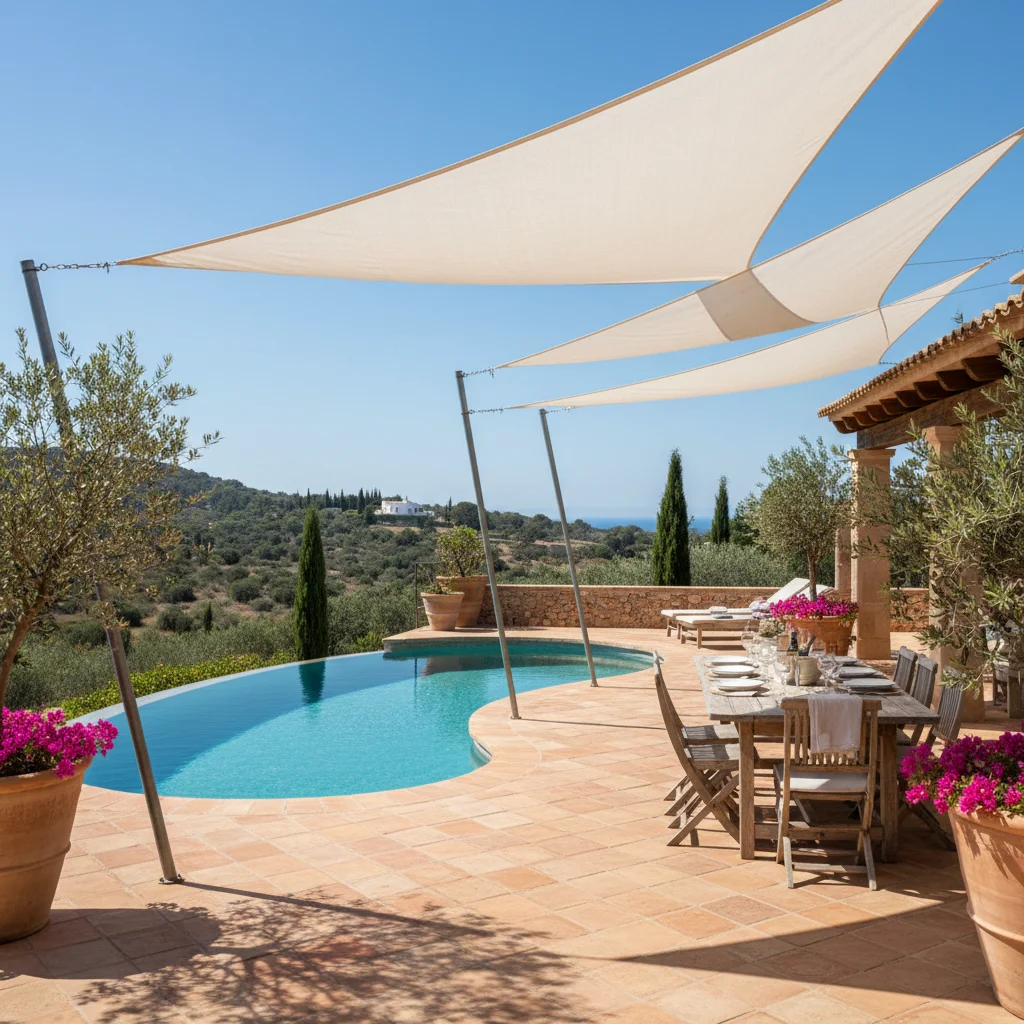
Shade sails have become the preferred architectural solution here because they offer a permanent, sculptural feel without the heavy price tag or planning complications of a fixed roof. When you are sitting on a terrace overlooking the Coastal Walk, the last thing you want is a heavy structure blocking your peripheral view of the sea. A well-tensioned HDPE sail provides that essential UV protection while maintaining an airy, open-concept feel that matches the modern villa aesthetic prevalent in the area. The British residents I work with typically prioritize creating a "cool zone" for outdoor dining and kitchens, while my Dutch and German clients often look for sharp, triangular geometries that complement the clean lines of contemporary Mediterranean architecture. Regardless of the nationality, the goal is the same: reclaiming the terrace during those brutal hours between 2 PM and 6 PM when the Spanish sun turns uncovered stone tiles into heat sinks.
Technical Considerations for the Benissa Microclimate
One of the most frequent mistakes I see homeowners make is underestimating the specific microclimate created by the surrounding mountain ranges. While Benissa enjoys a sheltered environment compared to the wind-whipped plains further south, we still benefit from a localized version of the Montgó-style protection. This means we deal with fewer sustained gales, but we do experience a moderate coastal breeze that can become problematic for low-quality shade structures. When I specify a shade sail for a property here, I always look at the fabric density first. You should be looking for High-Density Polyethylene (HDPE) with a weight of at least 280g/m². This material is breathable, which is crucial for our lower humidity levels. It allows hot air to rise through the fabric, preventing the "greenhouse effect" you get under solid PVC awnings.
Salt air is the silent killer for outdoor equipment along the Benissa Costa. If your villa is located within two kilometers of the water, near spots like Cala de la Llobella, you cannot compromise on hardware. I’ve seen 304-grade stainless steel fittings tea-stain and pit within a single season. I strictly recommend 316-grade marine-quality stainless steel for all turnbuckles, D-rings, and mounting plates. The price difference is negligible when you consider the cost of a full 650 EUR custom sail installation. Furthermore, for those living in a "comunidad de propietarios," shade sails are often the most compliant choice. Unlike fixed pergolas or bright colored awnings, a neutral-toned sail in sand, ivory, or silver grey is generally viewed as a temporary textile structure, making it easier to navigate community aesthetic rules that often restrict permanent alterations to the building's facade.
Installation in the hillside villas requires a deep understanding of local construction. Many of the newer properties use a "termoarcilla" or hollow brick system behind the render. You cannot simply bolt a shade sail into this. It requires chemical anchors and M10 or M12 threaded rods that reach the structural concrete lintels or pillars. If we are mounting to a freestanding pole, that pole needs to be galvanized steel, often 100mm in diameter with a 4mm wall thickness, set in a concrete footing at least 80cm deep. This ensures that when the afternoon "Llebeig" wind picks up, your sail stays tensioned and silent rather than flapping and straining the house walls. A properly installed sail should be tight enough that you could bounce a coin off it, with a specific "hypar" twist—meaning two high points and two low points—to allow rainwater to shed effectively during those sudden autumn downpours.
Recommendations Based on Your Property Type
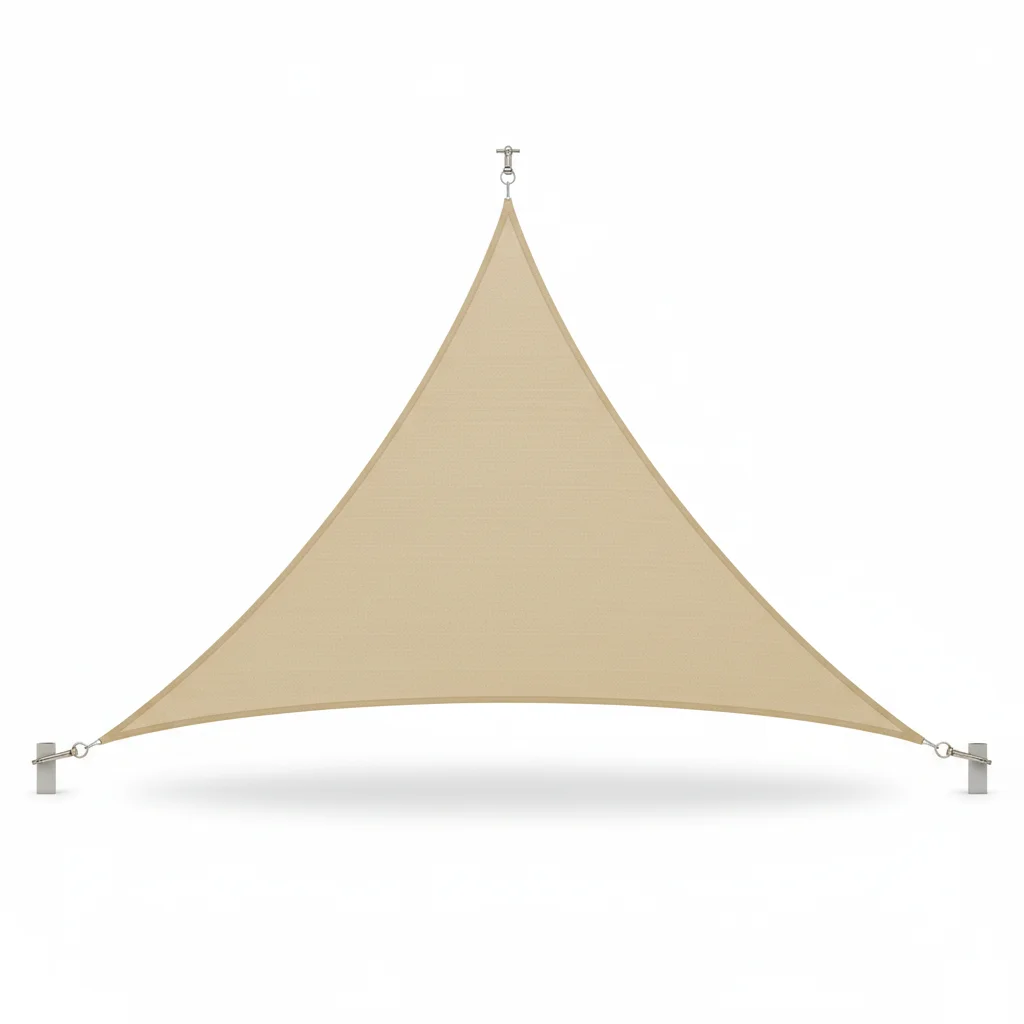
For the large luxury villas that define the Benissa landscape, I rarely recommend a single massive sail. A 60-square-meter terrace is better served by a "multi-sail" configuration. By overlapping two or three smaller triangular sails—perhaps a 5m x 5m x 5m and a 4m x 4m x 4m—you create a much more dynamic look and, more importantly, you can manage the wind loads better. This setup also allows you to play with different heights to track the sun as it moves toward the Jalon valley in the evening. In these larger setups, we often integrate the sails with other products. For instance, a bioclimatic pergola might cover the primary dining area near the kitchen, while a series of shade sails extends the cooling zone out over the pool deck or the lounge area. This creates a layered aesthetic that adds significant value to a 500,000 EUR property.
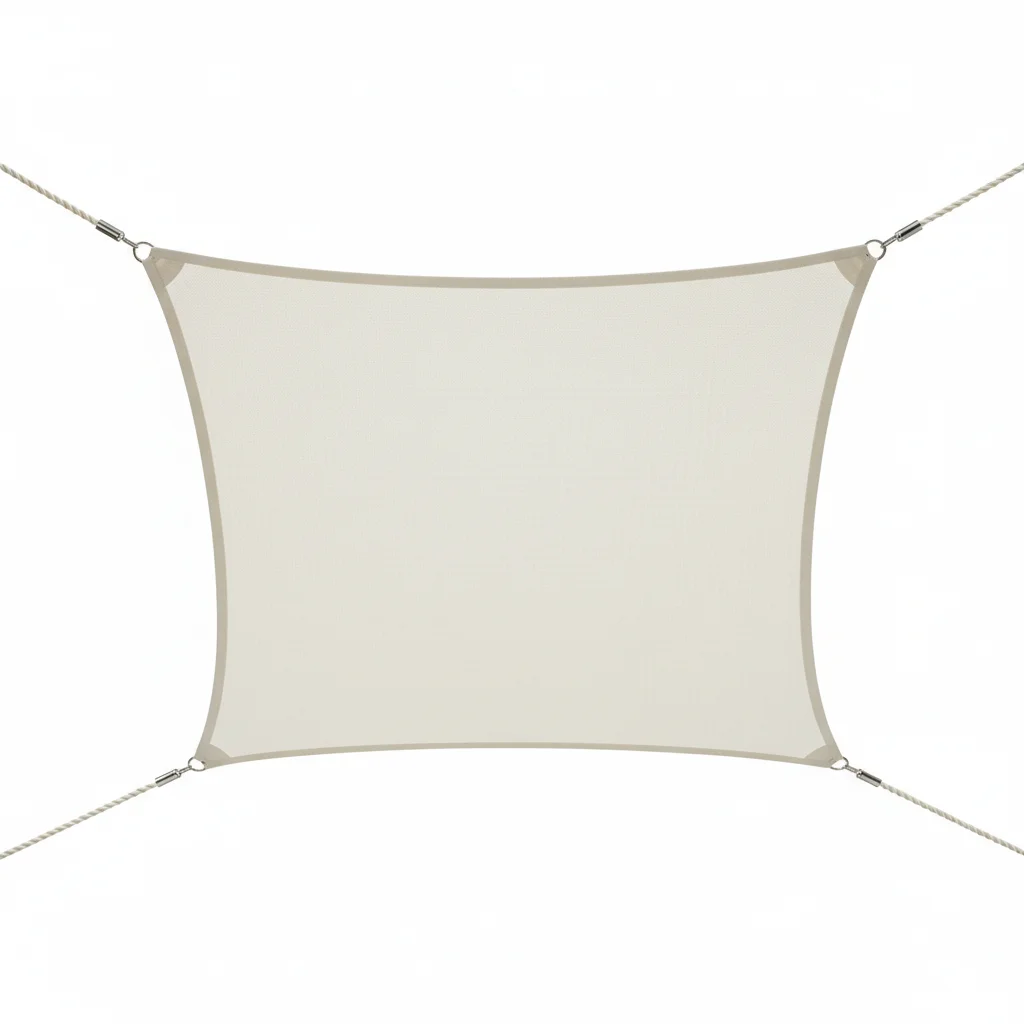
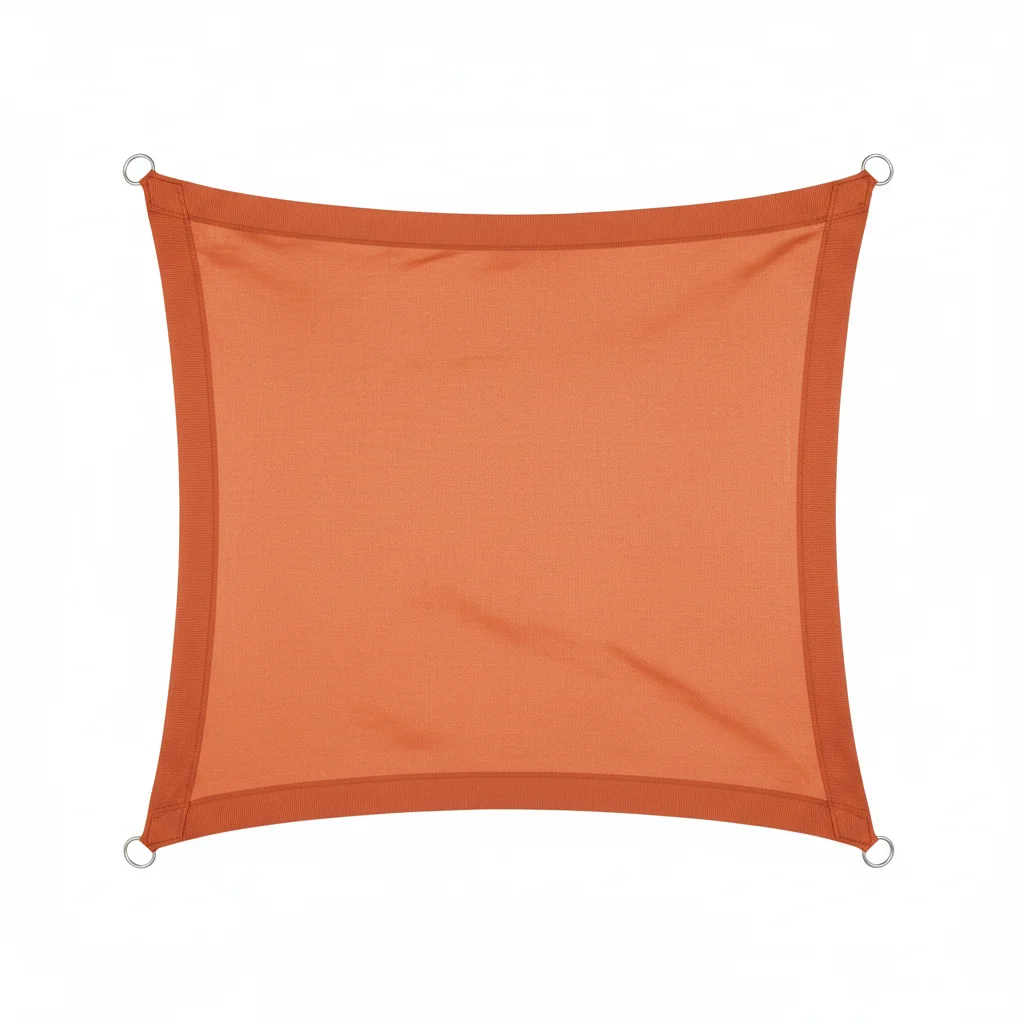
In the Benissa Old Town or for smaller apartment terraces near the coast, the approach shifts toward functionality and space optimization. If you have a square balcony of perhaps 12 to 15 square meters, a single rectangular sail is often the most efficient use of space. These smaller setups are surprisingly affordable, with high-quality custom options starting around 180 EUR for the fabric alone. For these environments, I often suggest a "wall-to-wall" mounting system that eliminates the need for bulky poles, preserving every centimeter of floor space. If the terrace is particularly exposed to the low-setting sun, we might even look at a vertical shade sail or a high-end parasol from our related categories to provide side-on protection that a horizontal sail cannot offer.
I also encourage residents to think about the "thermal color" of their sails. In our specific climate, darker colors like anthracite or deep navy actually provide higher UV protection and better glare reduction, which is vital if you are working on a laptop on your terrace. However, they do absorb more heat. In the sheltered inland areas of Benissa, where the breeze might be lighter, a lighter color like "desert sand" or "off-white" can feel cooler as it reflects a higher percentage of solar radiation. We often find that a silver-grey mesh is the perfect middle ground for the modern white-walled villas seen in the newer urbanizations.
Delivery and Local Expertise Across the Region
Navigating the logistics of the Costa Blanca requires more than just a GPS. Whether your property is tucked away in the winding, narrow ascents of the Montemar urbanization or positioned on the cliffside near Cala Advocat, we understand the specific challenges of local access. Many of the villas here are built on steep inclines with narrow "calle sin salida" (dead-end streets) that can be a nightmare for standard delivery trucks. Our team is accustomed to these logistics, serving not just Benissa but also the neighboring towns of Moraira, Calpe, Benitachell, and the Jalon valley. We know exactly which areas require smaller transit vans and which installations might need specialized lifting equipment for those heavy-duty steel posts.
Our local knowledge extends to the building styles found in different decades. If you are in an older villa from the 1980s near San Jaime, the stone work is often beautiful but structurally unpredictable for heavy tension loads. We know how to find the structural bones of these older builds to ensure an installation is safe. This regional expertise is what separates a professional installation from a weekend DIY project that ends up in the neighbor's pool after the first storm. We don't just deliver a box; we deliver a solution that has been calibrated for the specific wind speeds and sun angles of the North Costa Blanca.
If you are currently looking at your terrace and wondering how to bridge the gap between 40 degrees of direct sun and a usable outdoor living room, I invite you to reach out. We provide a comprehensive service that covers everything from initial site measurements to the final tensioning of the hardware. Every terrace in Benissa has its own "solar signature," and we can help you map out exactly where the shadows will fall at 4 PM on a July afternoon. We offer free consultations to discuss your specific site requirements, whether you are looking for a simple triangular sail for a 200 EUR budget or a complex multi-sail architectural installation reaching toward 2,000 EUR. Our goal is to ensure that your outdoor space is as functional and well-designed as the interior of your home.
 JW'"
/>
JW'"
/>