Why Expats in Jávea Love Outdoor Cooking
Jávea’s 300 days of sunshine, sheltered microclimate, and thriving community of 15,000+ expats make it one of the best places on the Costa Blanca to invest in outdoor cooking equipment.
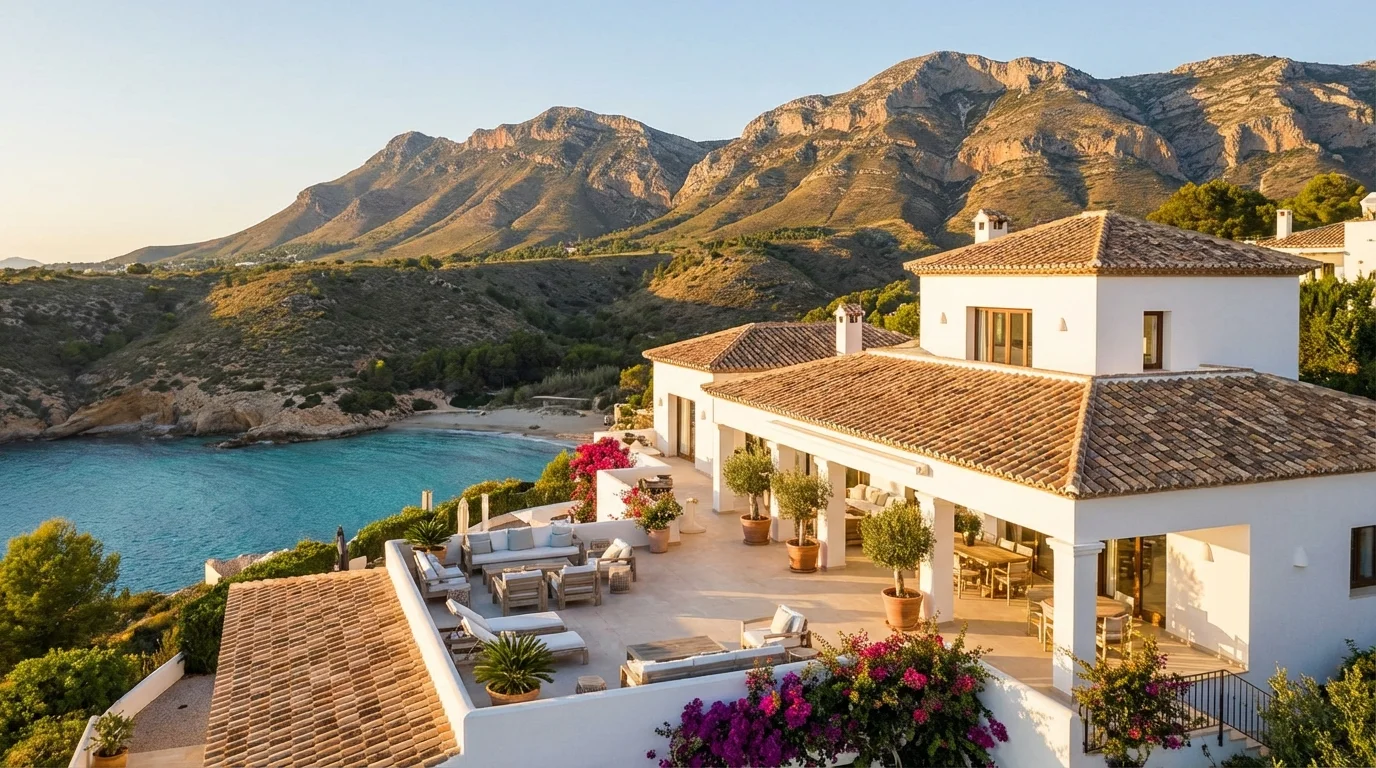
With nearly half the population hailing from abroad — British, German, and Dutch residents leading the pack — Jávea has developed an outdoor dining culture that rivals anything back in northern Europe. From hillside villas overlooking the Montgó massif to beachside apartments near the Arenal, residents here spend most of the year cooking and entertaining outside.
The town sits in a natural bay sheltered by the Montgó mountain (753m), creating a microclimate recognised by the WHO as one of the healthiest in the world. Wind is rarely an issue on the Tosalet hillside or in Cap Martí, and evening temperatures between May and October rarely dip below 20°C. Your kamado grill or pizza oven gets genuine year-round use here — not just a summer novelty.
Answer capsule: Jávea’s sheltered microclimate and large expat community make it ideal for year-round outdoor cooking with kamado grills, gas BBQs, pizza ovens, and full outdoor kitchens.
Your Jávea Outdoor Kitchen Setup
The right setup depends on whether you have a spacious Montgó villa with panoramic terraces or a modern Arenal apartment with a compact balcony — Jávea has solutions for both.
Villas in the Montgó and Tosalet areas regularly feature terraces of 40–80 square metres, many with existing summer kitchens or covered naya spaces — perfect foundations for a complete outdoor kitchen build with built-in gas BBQ, kamado station, and wood-fired pizza oven.
For apartment owners along the Arenal promenade or in the Port area, a compact kamado or portable gas BBQ fits comfortably on most terraces. Many of our port-area customers pair a tabletop pizza oven with a small prep station — enough to host six friends without dominating the space.
Answer capsule: Jávea properties range from large Montgó villas with 40–80m² terraces ideal for full outdoor kitchens to compact Arenal apartments suited to kamado grills and tabletop pizza ovens.
Gas, Charcoal, or Wood-Fired? Choosing Right for Jávea
Understanding Spanish gas bottle systems, charcoal sourcing, and local considerations helps Jávea residents pick the right fuel for their setup.
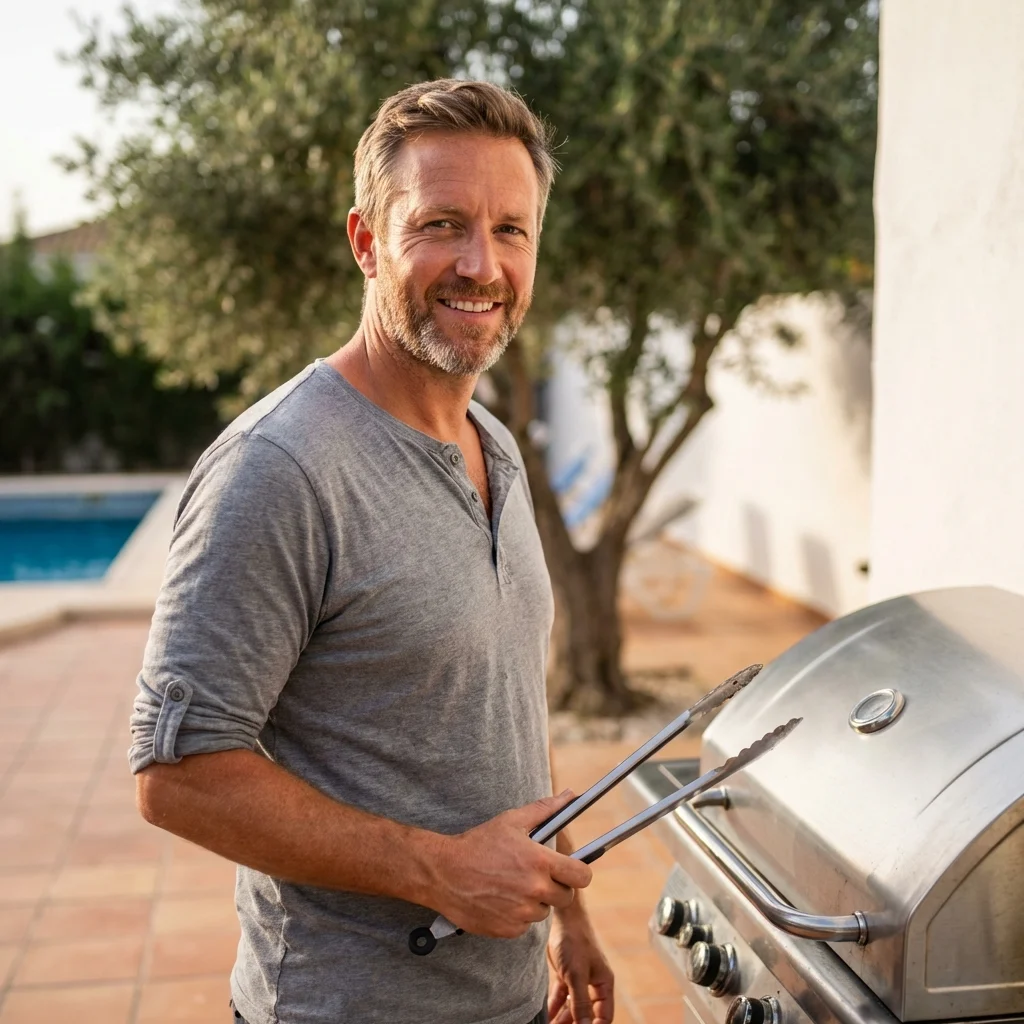
Gas BBQs are the most popular choice among expats — convenient, clean, and ready in minutes. In Spain, you will use butane bombonas (orange bottles from Repsol) or connect to your property’s natural gas supply. Many Montgó and Tosalet villas already have gas connections, making a built-in gas BBQ the simplest upgrade.
Kamado grills have a dedicated following, particularly among the British community. The ceramic retains heat brilliantly and handles Jávea’s occasional winter evenings without fuss. You can source quality lump charcoal from suppliers in Ondara and Pedreguer, or we can include it with your delivery.
Wood-fired pizza ovens are having a genuine moment in Jávea. Affordable almond and orange wood from the Jalón Valley (just 20 minutes inland) makes a pizza oven a natural fit. Costa Blanca Outdoors recommends pairing a wood-fired oven with a gas BBQ for maximum versatility — authentic flavour alongside everyday convenience.
Answer capsule: Gas BBQs suit most Jávea expats for convenience, kamado grills appeal to dedicated cooks, and wood-fired pizza ovens pair perfectly with locally sourced almond wood from the Jalón Valley.
Delivery & Setup in Jávea
We deliver and install throughout Jávea and surrounding towns including Moraira, Dénia, and Benitachell — with specialist knowledge of the area’s hillside access roads.
Jávea sits in our northern Costa Blanca delivery zone, and we know the town intimately. Deliveries to the Arenal, Port, and town centre are straightforward. For Montgó, Tosalet, and Cap Martí properties, we use smaller vehicles that handle the narrow, winding access roads — a detail that matters when you are receiving a 150kg kamado grill or a stone pizza oven.
Our delivery includes full white-glove setup: unpacking, assembly, terrace placement, and a walkthrough of your new equipment. For built-in projects, we coordinate with trusted local builders and stone masons for countertops, gas connections, and drainage.
Living near Moraira or Dénia? We cover the entire northern Costa Blanca on the same routes. Customers in Benitachell and the Cumbre del Sol urbanisation are also on our regular Jávea-area schedule. Typical delivery is 5–10 working days for in-stock items.
Practical Shade Solutions for the Marina Alta Lifestyle
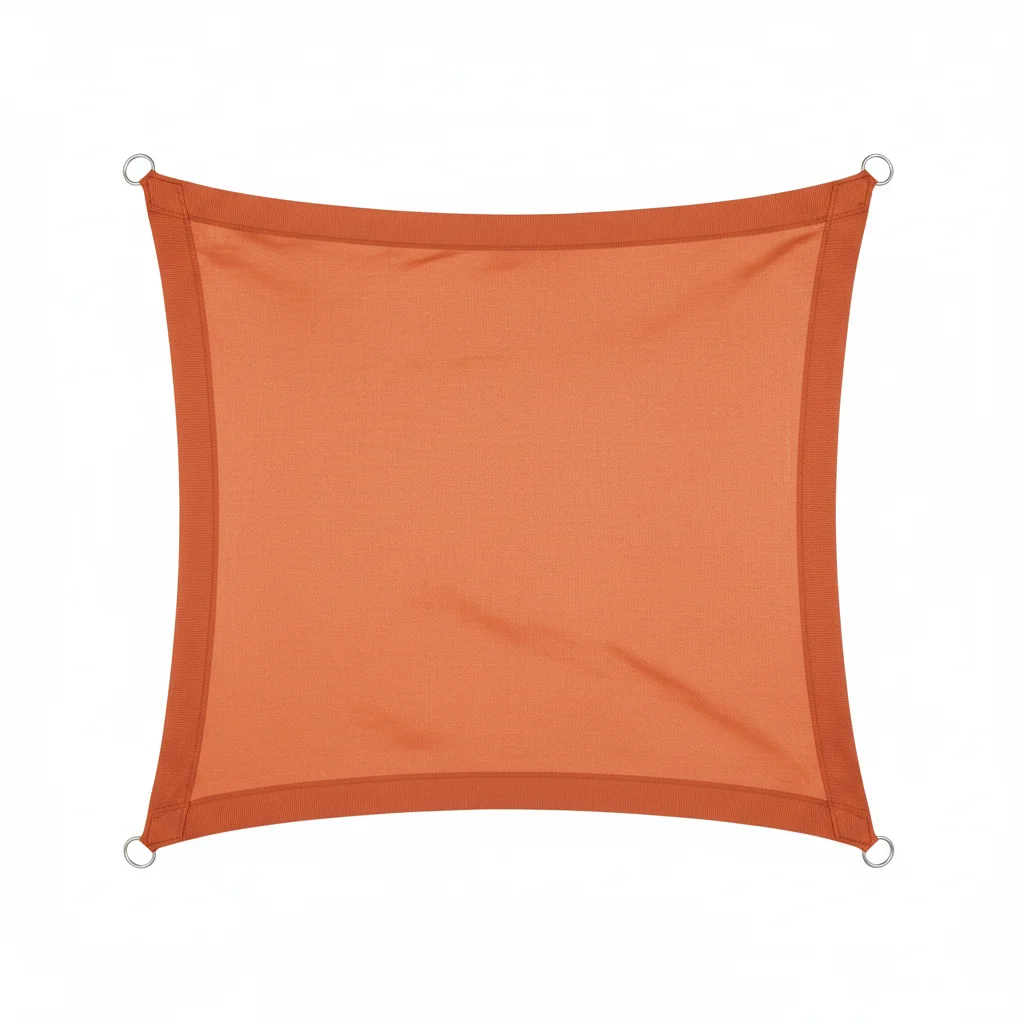
Living in this specific corner of the Costa Blanca requires a nuanced understanding of how sunlight interacts with our unique geography. For those of us residing in the shadow of the Montgó or along the exposed cliffs of Cap Martí, the standard hardware store umbrella simply does not suffice. The architectural layout of the typical local property, often a luxury hillside villa with a terrace spanning between 40 and 80 m², demands a more integrated approach to sun protection. Shade sails have emerged as the premier choice for the diverse international community here, which comprises nearly fifty percent of the population. Our British, German, and Dutch neighbors have fundamentally shifted the way outdoor spaces are used, moving away from the traditional dark interiors of older Spanish builds toward expansive, light-filled outdoor kitchens and poolside lounges. This shift makes the installation of high-quality HDPE fabric sails a logical investment for properties that often carry an average valuation of EUR 350,000 or more.
The primary appeal of these tensioned structures lies in their ability to cover vast areas without the need for heavy, intrusive support columns that might obstruct a prized view of the Mediterranean or the mountain silhouette. In areas like Tosalet or the modern developments near the Port, the aesthetic requirement is as high as the functional one. A well-designed sail provides a sculptural element that complements the clean lines of contemporary Mediterranean architecture. Because these sails are custom-cut, we can mirror the geometry of a 50 m² terrace exactly, ensuring that the shade moves where you need it most during the peak burning hours of 2:00 PM to 5:00 PM. Unlike fixed structures, the permeability of the HDPE weave allows hot air to rise and escape, creating a cooling effect that can lower the temperature on a terrace by up to 10 degrees Celsius compared to a solid roof or a cheap polyester alternative.
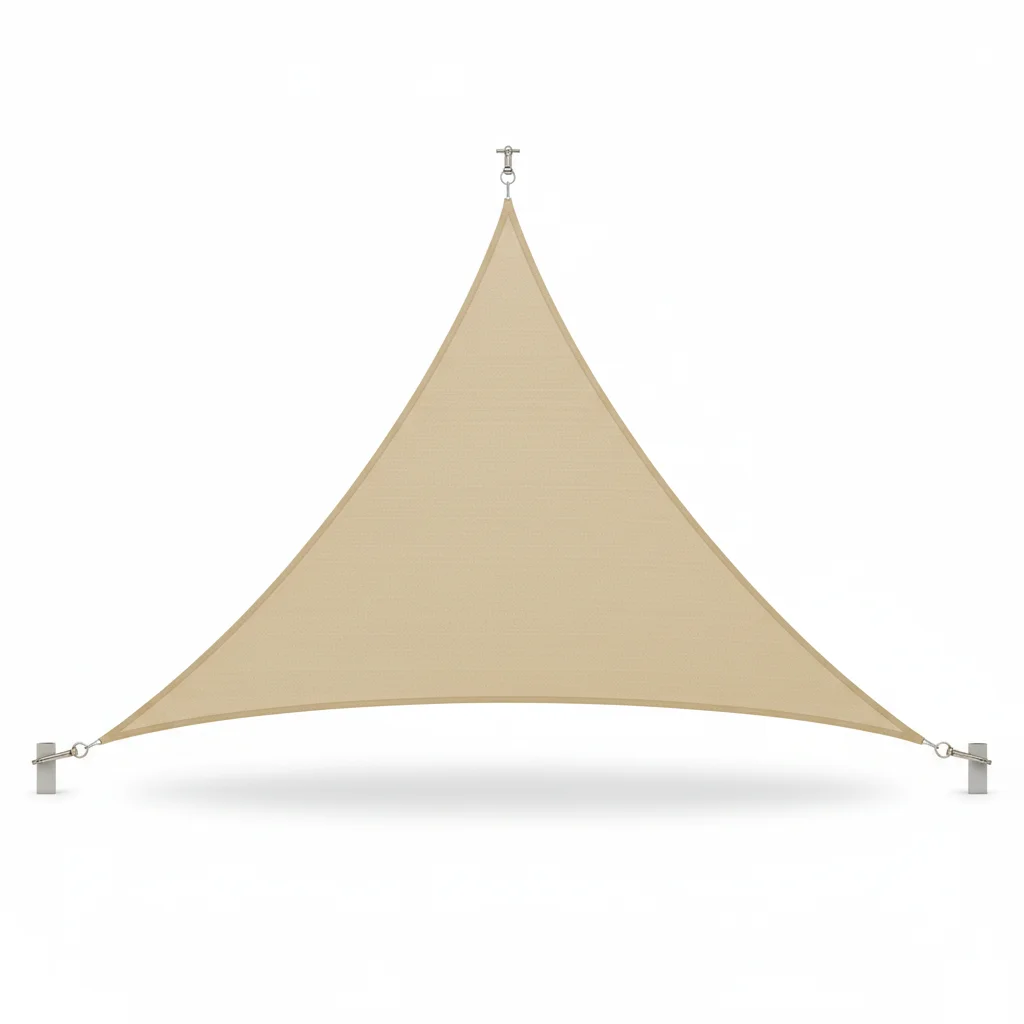
In the bustling area of the Arenal, where apartment living is more common, the challenges change but the solution remains remarkably similar. Balconies here often suffer from "heat soak," where the concrete tiles absorb energy all day and radiate it back at night. By installing a smaller, strategically angled triangular sail, residents can prevent the sun from hitting the floor and glass doors in the first place. This proactive thermal management is something I have helped over 200 families implement since 2019, and it consistently proves more effective than relying solely on interior air conditioning. The goal is to extend the season of your outdoor space so that it remains usable from early March through late October, rather than retreating indoors the moment the thermometer hits thirty degrees.
Technical Considerations for Coastal and Mountain Environments
When selecting a shade solution in this specific region, one must account for the microclimate created by the massive limestone bulk of the Montgó. This mountain acts as a natural shield, but it also funnels wind in unpredictable ways. A sail that works perfectly in the sheltered valley of Jalon might struggle against the sudden gusts we experience here. For this reason, I always emphasize the importance of fabric weight and tensioning hardware. We primarily work with fabrics in the 280 to 340 GSM (grams per square meter) range. This density ensures a 95% UV block while maintaining the structural integrity of the weave under tension. A lightweight sail from a budget retailer will often stretch and sag within a single season, leading to water pooling during our rare but intense Gota Fría rain events.
The proximity to the sea, particularly for homes in the Port or near the cliffs, introduces the factor of salt-air corrosion. This is a detail often overlooked by those new to the coast. Any hardware used—turnbuckles, pad eyes, and carabiners—must be marine-grade AISI 316 stainless steel. Lower grades like 304 will begin to show tea-staining and rust within months of installation due to the salt spray carried by the coastal breeze. For a standard 5x5m square sail setup, which typically costs around EUR 850 including high-end hardware, using the correct steel is the difference between a five-year lifespan and a ten-year lifespan. Furthermore, the lower humidity we enjoy compared to the southern Costa Blanca means our fabrics stay cleaner for longer, but they are still subject to the fine Saharan dust that occasionally blankets the region. HDPE is naturally resistant to mold and can be easily cleaned with a garden hose, making it far lower maintenance than traditional canvas awnings.
Local regulations and community rules, or the comunidad de propietarios, are another critical factor. Many urbanisations have strict rules regarding permanent structures like pergolas or brick-and-mortar extensions. Because shade sails are technically demountable textile structures, they frequently bypass the need for complex building permits that a bioclimatic pergola or a tiled roof would require. This makes them a "frictionless" upgrade for villa owners who want to improve their property value without engaging in a year-long battle with the town hall. When installing into the local Tosalet stone or modern rendered blocks, we use chemical anchors to ensure the tension does not compromise the masonry. It is this level of localized technical knowledge—knowing which drill bit to use on a 200-year-old stone wall versus a new build in Cap Martí—that separates a professional installation from a DIY attempt.
Configurations for Large Terraces and Apartment Balconies
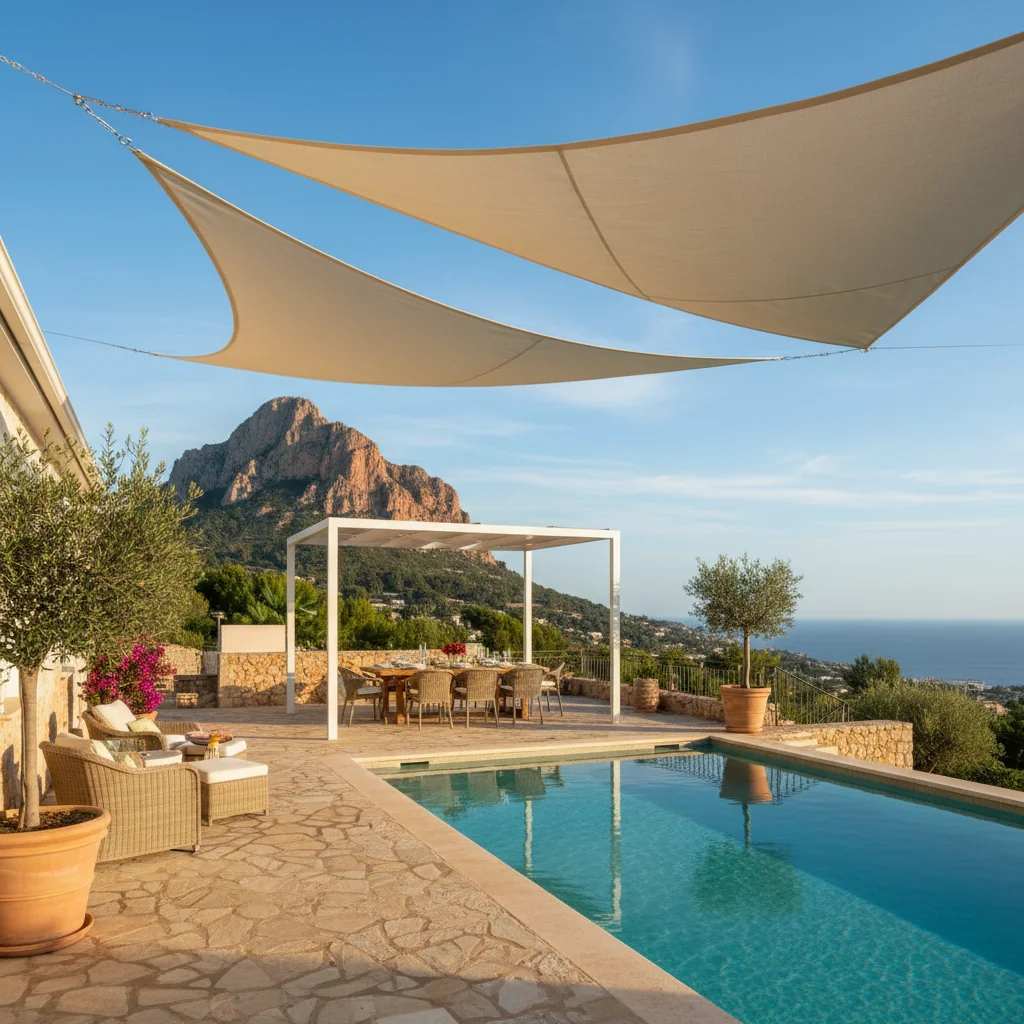
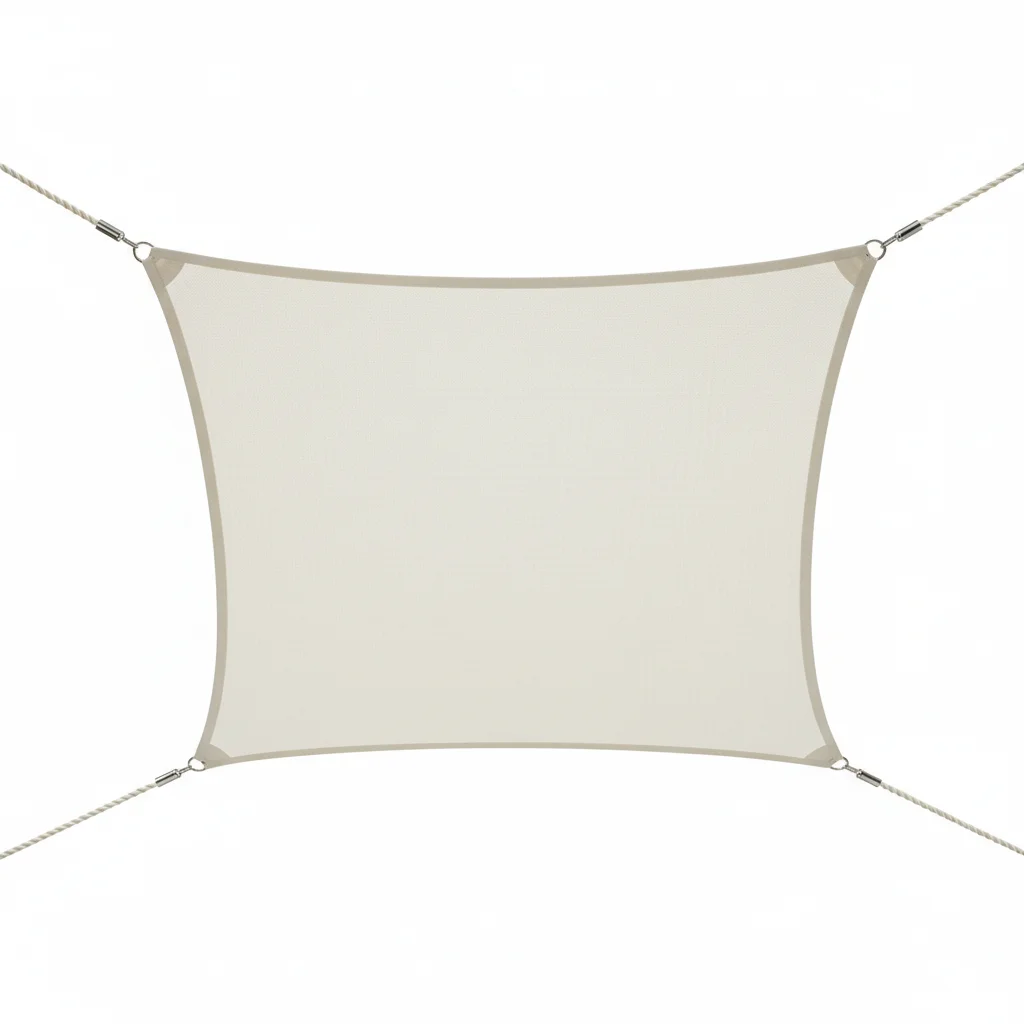
For the typical luxury villa, the most effective configuration involves overlapping multiple sails at different heights and angles. This is not just for visual flair; it allows for better airflow and provides "dynamic shade" that tracks the sun’s path more effectively. For a large 60 m² terrace, I often recommend a combination of one large rectangular sail (EUR 1,200 range) and a smaller triangular sail (EUR 450 range) that overlaps one corner. This setup creates a "hypar" or hyperbolic paraboloid shape, which is the gold standard in shade design. By fixing two corners high and two corners low, the sail gains three-dimensional stability, preventing it from flapping in the moderate coastal breeze and allowing rainwater to run off the sides rather than pooling in the center.
In apartment settings, such as those found around the port or the second line of the beach, space is at a premium. Here, we often look at integrating the sail with other products. For example, combining a small architectural sail with high-quality parasols-shade solutions can provide a modular environment. You might use the sail to provide permanent cover for a dining table while using a mobile parasol for the sun loungers. This hybrid approach is particularly popular among our Dutch and German clients who value flexibility. For a smaller balcony of 15 m², a custom-fit triangular sail can be sourced and installed for as little as EUR 300, providing a significant boost to the livability of the apartment and its eventual resale or rental appeal.
We also frequently see shade sails used as a secondary layer of protection alongside bioclimatic-pergolas or traditional awnings. If you have a large L-shaped terrace, an awning might cover the area directly adjacent to the house, but a shade sail is the perfect tool to extend that protection out over the pool deck or the barbecue area. This creates distinct zones in the garden: a "full shade" zone for dining and a "dappled shade" zone for the children to play in the water. The flexibility of the HDPE fabric allows us to create shapes that follow the curve of a custom pool or the irregular footprint of a traditional Mediterranean garden, something that is impossible with rigid structures.
Logistics and Expert Installation in the Local Area
Delivering and installing high-tension equipment in this region requires more than just a van and a ladder. The geography of our town, from the narrow, winding streets of the old center and the Port to the steep, often single-track drives leading up toward the Montgó summit, presents unique logistical hurdles. I have spent years navigating these roads and understand that access is often the biggest challenge. We serve the entire local area, including frequent projects in nearby Moraira, Denia, and Benitachell, as well as inland locations like Pedreguer and the Jalon valley. We coordinate our deliveries to ensure that we are not blocking narrow access ways for your neighbors, a small but vital detail for maintaining good relations in tight-knit urbanisations.
Our local knowledge extends to the very ground the properties are built on. In the lower-lying areas near the Saladar, the soil can be softer, requiring deeper footings for independent steel posts if there are no existing walls to bolt into. Conversely, in the rocky outcrops of the northern hills, we might encounter solid limestone just inches below the surface. We come prepared for these variables, ensuring that every post we set is engineered to withstand the specific leverage forces generated by a tensioned sail. A sail acts like a giant wing; in a high wind, it can exert hundreds of kilograms of force on its mounting points. Understanding the structural limits of local building materials—from the hollow "bovedilla" bricks used in many terrace ceilings to the solid stone of older villas—is how we ensure our installations are safe and permanent.
If you are considering how to better utilize your outdoor space, the best starting point is a conversation on-site. I offer free consultations throughout the Marina Alta, where we can measure your terrace, discuss the trajectory of the sun over your specific plot, and look at fabric samples in the actual light where they will be used. Whether you are looking to shade a 10 m² balcony or a 100 m² pool deck, the principles of tension, material quality, and architectural integration remain the same. My goal is to provide a solution that feels like a natural extension of your home, allowing you to enjoy the best of the Mediterranean climate without the discomfort of the midday heat. Please reach out to discuss your project, and we can look at the best way to transform your terrace into a year-round living space.
 JW'"
/>
JW'"
/>