Outdoor Living in Finestrat
Finestrat is a town of contrasts — split between a charming medieval hilltop village and the modern La Cala residential area near Benidorm, with 8,000 residents, 30% expats from Britain and Germany, and properties averaging €270,000 beneath the dramatic peak of Puig Campana.
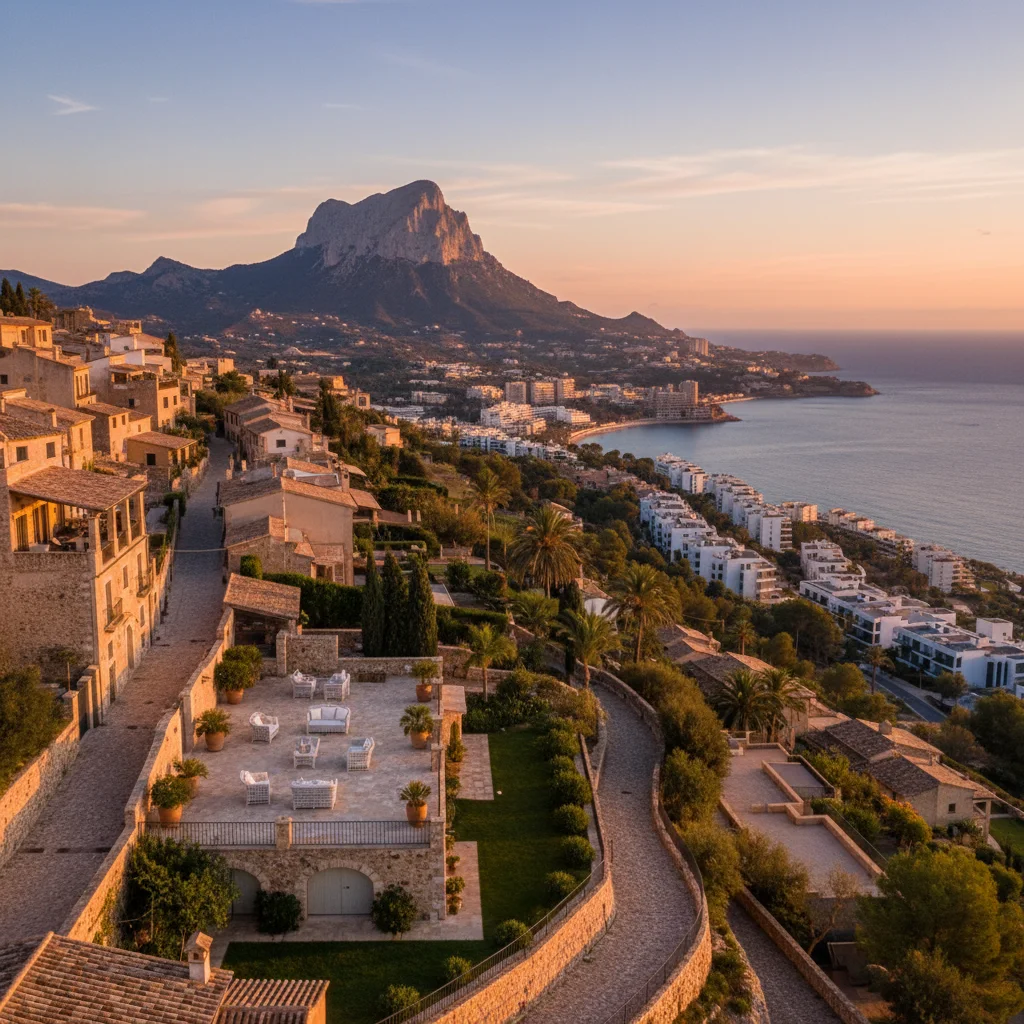
Few towns on the Costa Blanca offer such a striking setting. Puig Campana, the region’s second-highest mountain at 1,406 metres, dominates the skyline from every angle. The old village clings to the hillside with narrow cobbled streets, stone houses, and a church plaza that feels unchanged in centuries. Below, the La Cala area stretches toward the coast with modern villas, manicured urbanisations, and views across to Benidorm’s skyline.
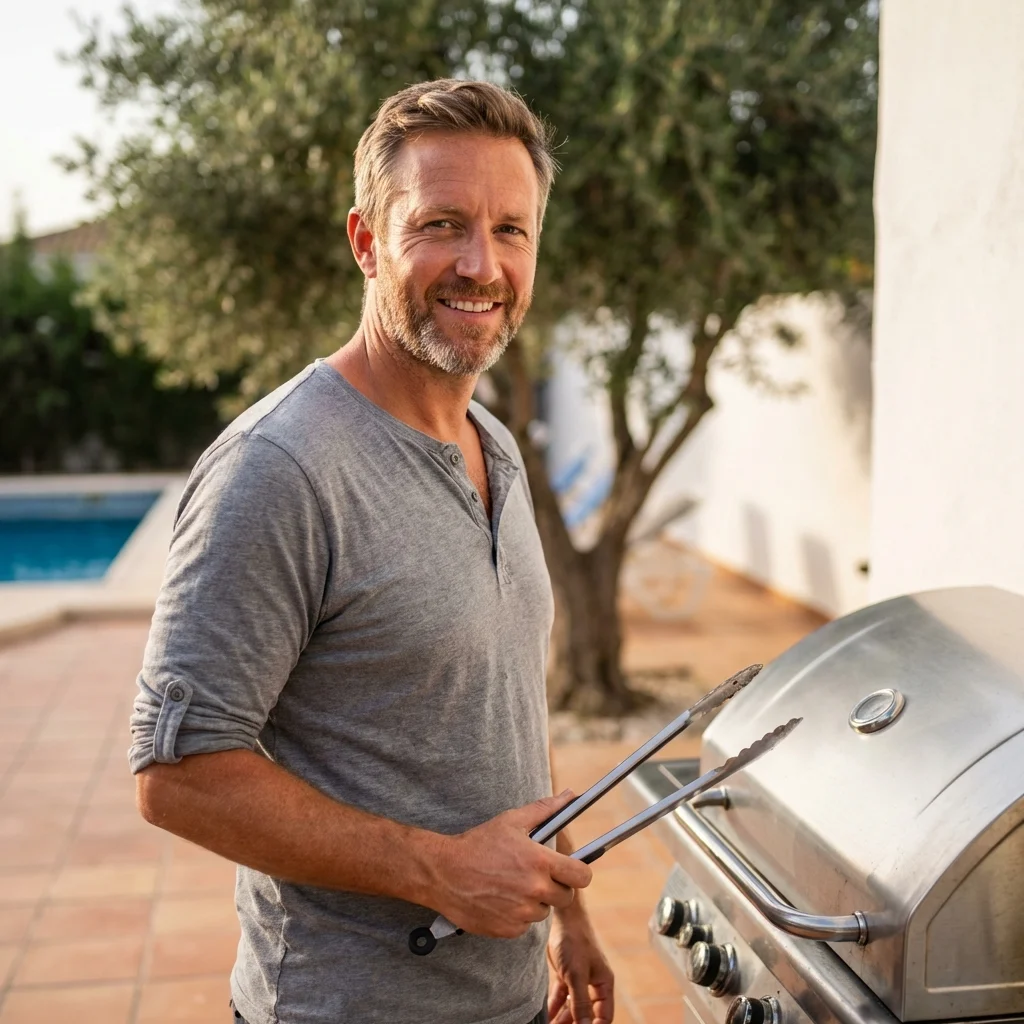
This duality creates two distinct property markets. In the old village, traditional houses with thick stone walls, interior courtyards, and compact terraces offer rustic charm at reasonable prices. In La Cala and the surrounding urbanisations, modern detached villas with swimming pools, landscaped gardens, and generous terraces cater to an international clientele seeking contemporary comfort. Both settings lend themselves to outdoor cooking — just in very different ways.
The expat community is well-established, with British and German residents dominating. Terra Natura zoo and waterpark brings family visitors, but the residential areas are genuinely peaceful. Weekend hiking on Puig Campana, long lunches on sun-drenched terraces, and evening barbecues as the mountain turns golden at sunset — this is the Finestrat lifestyle.
Finestrat’s split personality — medieval village above, modern La Cala below — offers expats two distinct outdoor living experiences, both framed by Puig Campana and suited to year-round cooking.
Choosing Your Setup in Finestrat
Modern La Cala villas with pool terraces call for full outdoor kitchen builds, while old village houses suit compact kamados and countertop pizza ovens — Finestrat rewards equipment choices matched to your setting.
La Cala villa owners have the space and infrastructure for a serious outdoor kitchen. A built-in gas BBQ with stone or tiled countertops, an integrated pizza oven, and a freestanding kamado on the pool terrace is the setup we install most often in this area. Costa Blanca Outdoors designs these installations to complement the modern architectural style typical of La Cala, using clean lines and durable materials rated for outdoor use.
For old village properties, the approach is different. Narrow terraces and courtyards suit a compact kamado grill — its ceramic insulation makes it efficient in the cooler microclimate of the hillside, and its small footprint fits tight spaces. A tabletop pizza oven adds variety without demanding floor space. These smaller setups produce extraordinary results and suit the intimate scale of village entertaining.
Finestrat’s elevation — even La Cala sits higher than the coast — means slightly less salt air than seafront towns like Benidorm, which benefits equipment longevity. However, the mountain creates its own wind patterns, particularly afternoon breezes funnelling down from Puig Campana. Positioning your grill with wind protection from a wall or screen is worth planning during installation.
Gas supply is straightforward. Butane is available from local shops and delivered by truck. For built-in outdoor kitchens, a fixed propane installation with a buried or screened tank is the cleanest approach for La Cala properties.
La Cala villas suit full outdoor kitchen builds with gas BBQs, pizza ovens, and kamados, while old village properties work best with compact, space-efficient equipment — all benefiting from less salt air than the coast.
Delivery to Finestrat
We deliver to both old Finestrat village and the La Cala urbanisations weekly, with experienced drivers who know the steep village access roads and the gated community procedures.
Finestrat sits on our central Costa Blanca route, and we deliver here regularly. La Cala is straightforward — modern roads, private driveways, and easy access to villa terraces. The old village requires more care. Narrow streets, steep gradients, and limited parking mean we plan village deliveries carefully, arriving early when the roads are quiet and carrying equipment by hand where vehicle access ends.
Every delivery includes full assembly, positioning, and a complete walkthrough of your equipment. For outdoor kitchen installations in La Cala, our build team handles everything from countertop fitting to gas connection testing.
Finestrat connects naturally to our wider central route. Benidorm is five minutes down the hill, La Nucia sits just inland, and Villajoyosa is a short coastal drive south. We regularly combine deliveries across these towns.
Standard delivery for in-stock items is 5–10 working days. Custom outdoor kitchen builds for La Cala villas typically run 3–4 weeks from design to completion, including all stonework, equipment fitting, and gas installation.
Navigating Architectural Shade Solutions in the Shadow of Puig Campana
Living in this corner of the Costa Blanca presents a unique topographical challenge that dictates how we approach outdoor comfort. The landscape here is defined by a dramatic verticality, stretching from the sandy shoreline of the Cala up to the rugged heights of the mountain peaks. This elevation change creates microclimates that differ significantly from the flatter terrain found in nearby Benidorm or the orchards of La Nucía. When you are situated on the slopes beneath Puig Campana, you are dealing with a thermal dance between mountain air and sea breezes that makes fixed structures like traditional tiled porches or heavy awnings less than ideal for every property. This is why shade sails have become the primary choice for the roughly 30% of international residents, largely British and German expats, who have settled in the modern urbanisations and the traditional village center. These residents often bring a culture of "outdoor rooms," where the terrace functions as a primary kitchen or lounge for nine months of the year.
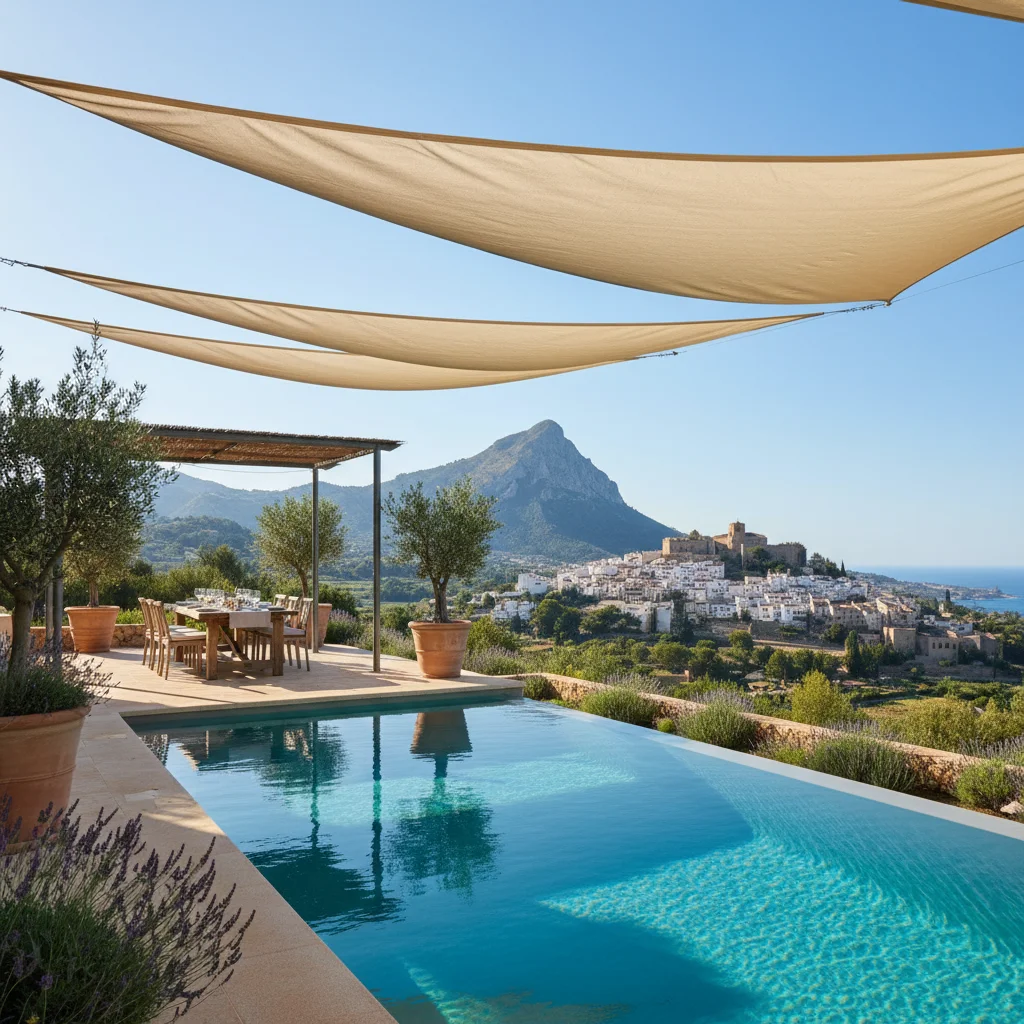
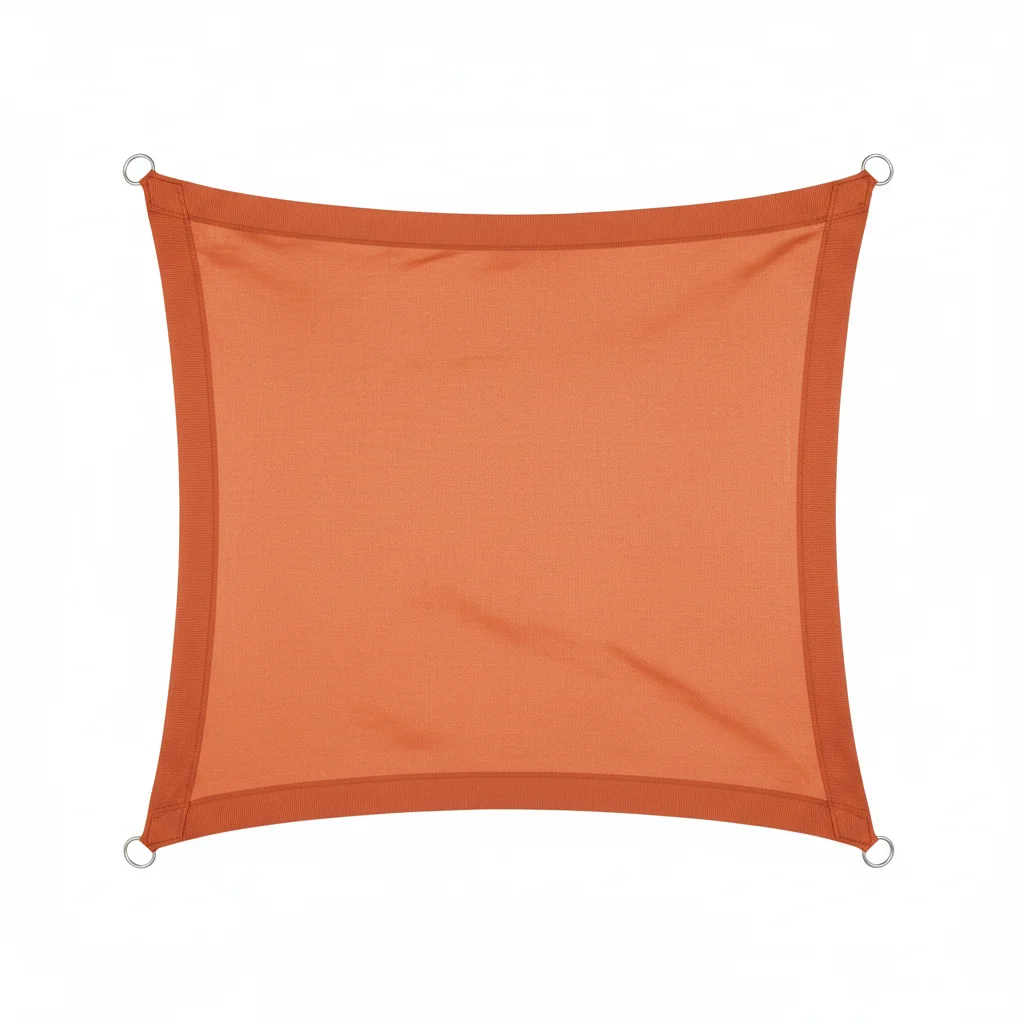
The property stock here is remarkably diverse, ranging from the tightly packed townhouses of the Old Village to the expansive modern villas bordering Terra Natura. Each requires a different structural approach. In the village, where space is a premium and the narrow streets trap heat, a small triangular sail provides the necessary UV protection without encroaching on the limited footprint of a traditional roof terrace. Conversely, the newer developments on the hillside feature large, exposed plots where the sun hits with relentless intensity from 10:00 AM until late evening. In these locations, the goal isn't just to provide shade but to manage the visual impact. A well-tensioned HDPE (High-Density Polyethylene) sail doesn't block the view of the Mediterranean like a bulky pergola might; instead, it frames it. The architectural flexibility of these sails allows us to create multi-layered configurations that mirror the modern, clean lines of the contemporary architecture prevalent in the newer zones of the municipality.
Outdoor living here revolves around the balance of protection and airflow. Because the local culture focuses heavily on exterior dining and poolside socialising, the shade solution must be breathable. Standard canvas or solid PVC fabrics are generally unsuitable for this specific geography because they act as heat traps. We focus on HDPE knitted fabrics, specifically in weights around 280gsm to 340gsm, which allow hot air to rise through the material while blocking up to 95% of harmful UV rays. This thermal regulation is essential when the thermometer pushes past 35 degrees Celsius in July and August. By choosing a sail over a permanent roof, you maintain that crucial breeze that rolls down from the mountains, which is often the only thing making a south-facing terrace habitable during the mid-afternoon heat.
Engineering for the Levante and the Salt Spray
The technical considerations for installing shade sails in this specific area are governed by two main factors: wind and corrosion. Being situated in an exposed coastal position means your property is a target for both the Levante, the humid easterly wind from the sea, and the Poniente, the dry, often fierce wind coming from the interior. Because the town rises so sharply from the coast, the wind speeds can accelerate as they hit the mountain face. A poorly installed sail here is not just a nuisance; it is a liability. We never recommend solid fabrics for this reason. The porous nature of a high-quality HDPE sail allows wind to pass through the weave, significantly reducing the "sail effect" and the subsequent load on your wall fixings or support posts. For a standard 5m x 5m square sail, the tension loads can be immense, requiring heavy-duty M10 or M12 stainless steel eye bolts chemically anchored into the structural substrate of the building.
If your property is within two kilometers of the shore, particularly around the Cala area, the salt spray becomes a silent destroyer of hardware. Standard galvanized steel or low-grade stainless will show signs of "tea staining" or structural pitting within a single season. We exclusively specify Grade 316 marine-grade stainless steel for all turnbuckles, D-shackles, and pad eyes. While this increases the initial setup cost—a full hardware kit for a large sail might run between €150 and €250—it prevents the catastrophic failure of a fitting during a midnight gust. Furthermore, the community rules, or the laws dictated by the comunidad de propietarios, are often quite strict here regarding permanent alterations to a building's facade. Shade sails frequently bypass these hurdles because they are classified as "temporary" or "removable" structures. Unlike a bioclimatic pergola or a fixed porch, which might require a building license (licencia de obra) and neighbor approval, a sail can usually be installed without the same level of bureaucratic friction, provided the colors remain within the community's aesthetic guidelines.
Maintenance in this climate is straightforward but non-negotiable. The intense UV radiation will eventually degrade any plastic-based material, but a commercial-grade sail with a high UV-stabilisation rating can last 8 to 12 years if cared for. For residents who leave their properties vacant during the winter months, the ability to unclip the sail in ten minutes is a major advantage. This protects the fabric from the winter storms and the heavy "calima" mud-rains that frequently sweep through the region from North Africa. If you leave a sail up during a calima, the fine red dust gets baked into the knitted fibers by the sun, making it difficult to clean. A quick seasonal wash with a mild detergent and a low-pressure hose is usually all that is needed to keep a €500 custom sail looking like it cost double that amount.
Configuration Strategies for Hillside and Coastal Homes
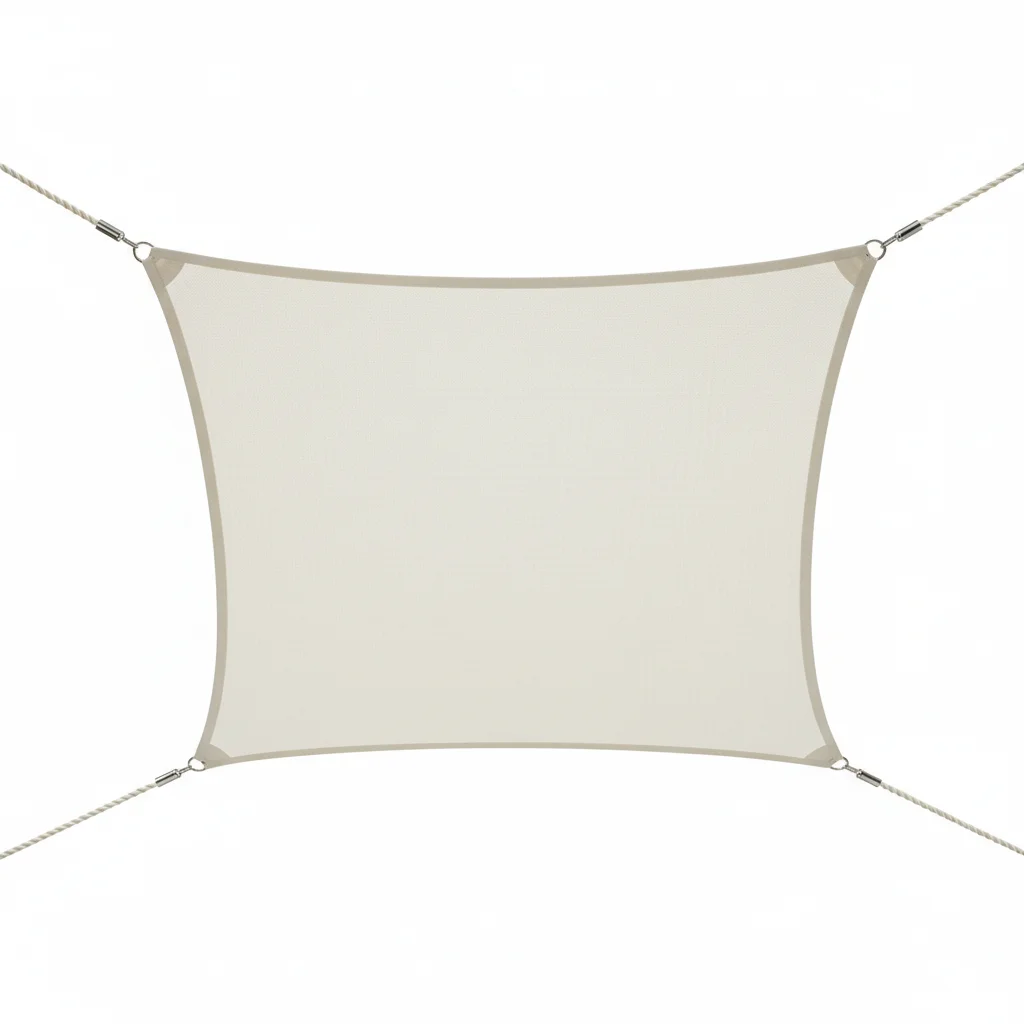
For the larger villas situated in the elevated urbanisations, we typically recommend a "Hypar" or hyperbolic paraboloid configuration. This involves installing a four-point sail where two opposite corners are high and two are low. This 3D twist is not just for aesthetics; it provides structural stability by creating tension across the fabric in two different directions, which prevents the sail from flapping or "bouncing" in the Poniente winds. A typical setup for a spacious pool deck might involve a 5.5m x 5.5m square sail in a desert sand or silver-grey tone, costing approximately €1,100 to €1,400 including professional-grade powder-coated steel posts and marine-grade hardware. This creates a massive 30m² shaded footprint, enough for a full outdoor dining set and a lounge area, without the need for multiple parasols that are prone to blowing over and cracking floor tiles.
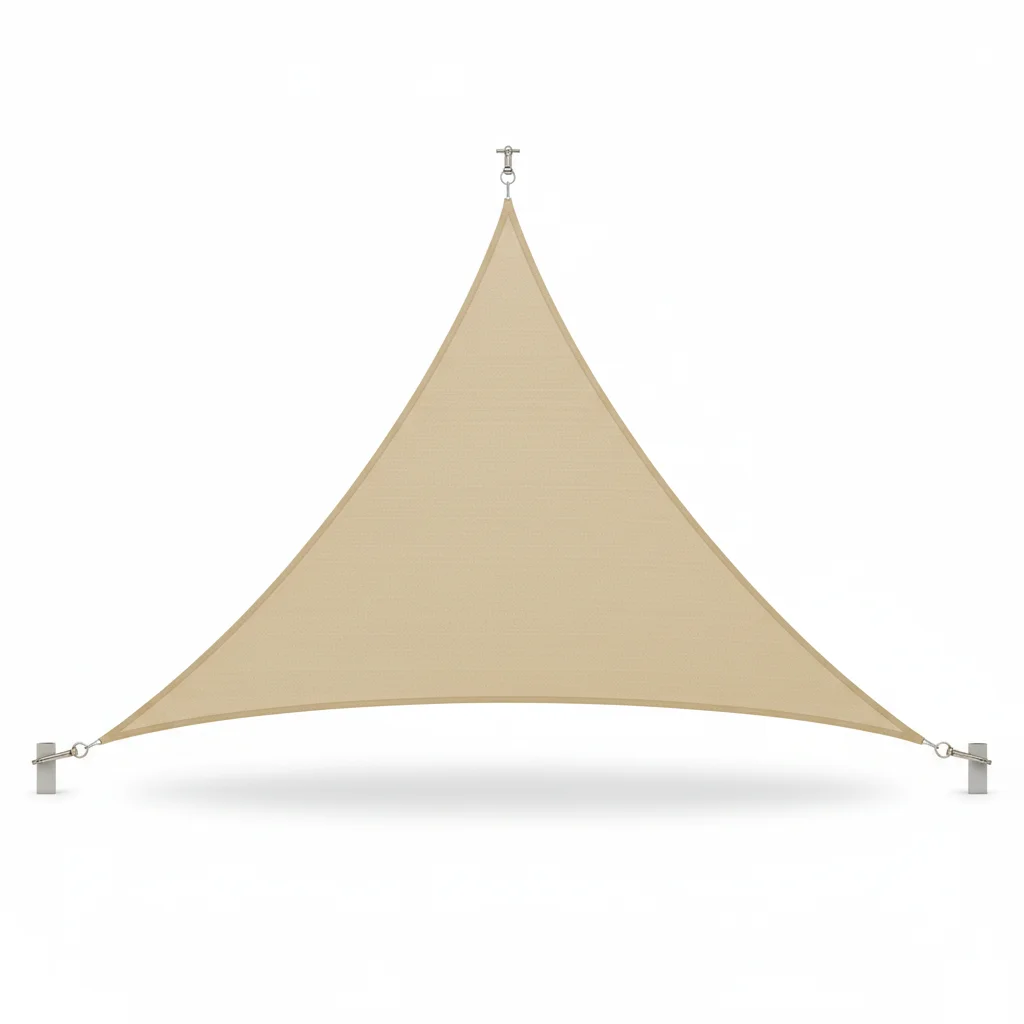
In contrast, the apartments and penthouses near the coast require a more surgical approach. Balconies here are often long and narrow, making traditional awnings difficult to mount if there is no overhead structure. A custom-cut triangular sail, perhaps 4m x 3m x 3m, can be anchored to the building's structural columns and the balcony railing (using reinforced mounting points). This is particularly effective for blocking the low-angled late afternoon sun that reflects off the Mediterranean. A smaller, high-quality sail for an apartment terrace usually falls in the €250 to €450 price range. It offers a much cleaner, more modern look than the standard green-and-white striped awnings seen across the coast and provides better protection against the vertical sun.
We also find that shade sails work exceptionally well when integrated with other products. For example, many residents find that a bioclimatic pergola provides the perfect structure for their main outdoor kitchen, but it doesn't cover the adjacent sun loungers or the children's splash pool. In these cases, we use the existing pergola posts as anchor points for a secondary shade sail. This "modular" approach to shade allows you to expand your living space incrementally. Combining a fixed awning over the patio doors with a sail over the garden creates different zones of light and temperature, allowing you to move around your outdoor space as the sun travels throughout the day. This is a far more effective strategy than trying to find one single product to cover every square meter of a garden.
Logistical Expertise from the Coast to the Village
Delivering and installing shade solutions in this area requires more than just a van and a drill; it requires an understanding of the local geography and infrastructure. We regularly serve the entire corridor from Villajoyosa up to La Nucía and Alfaz del Pi, including the bustling center of Benidorm. Each of these areas has its own logistical quirks. For instance, the Old Village center is famous for its steep, winding, and incredibly narrow streets. Navigating a delivery vehicle through these gaps requires precise timing and local knowledge of the one-way systems that are often poorly marked on GPS. When we work in the village, we plan for smaller loads and manual transport of materials to the site, ensuring we don't block access for neighbors or local services.
In the newer developments, the challenge is often the terrain itself. Properties are frequently built on significant inclines, meaning that installing support posts for a sail might require specialized concrete footings that take the slope into account. We understand the local soil composition—often a mix of hard limestone and clay—which dictates the type of machinery needed for post-hole digging. If you are in a location with high wind exposure, we don't just "guess" at the post depth; we ensure the footings are sufficient to withstand the uplift forces that a 5-meter sail can generate during a storm. This level of technical detail is what separates a professional installation from a DIY kit that will likely fail during its first winter.
Whether you are looking to shade a compact balcony in the Cala or a sprawling terrace near the golf courses, our approach is based on five years of hands-on experience in this specific environment. We offer a free consultation where we can assess your property's orientation, wind exposure, and structural integrity. We don't believe in a one-size-fits-all solution; your shade should be as unique as your view of the Puig Campana. We can discuss the various fabric weights, the benefits of different color palettes—lighter colors reflect more heat, while darker colors provide better visual contrast and less glare—and the best mounting points for your specific building type. Our goal is to ensure that your outdoor space is not just a place you use when the sun goes down, but a comfortable, shaded sanctuary that you can enjoy at the height of the afternoon.
 JW'"
/>
JW'"
/>