Outdoor Living in Alfaz del Pi and El Albir
Alfaz del Pi and its coastal district El Albir are home to 22,000 residents — 52% from abroad — with Europe’s largest Norwegian community outside Norway creating a distinctive Scandinavian-influenced outdoor culture.
Alfaz del Pi is unlike anywhere else on the Costa Blanca. While most expat towns are dominated by British residents, Alfaz has a firmly Nordic flavour. The Norwegian community here is the largest in southern Europe, with its own church, cultural centre, and social clubs. That Scandinavian influence shapes the town’s approach to outdoor living — clean lines, quality materials, and a genuine appreciation for well-designed cooking equipment.
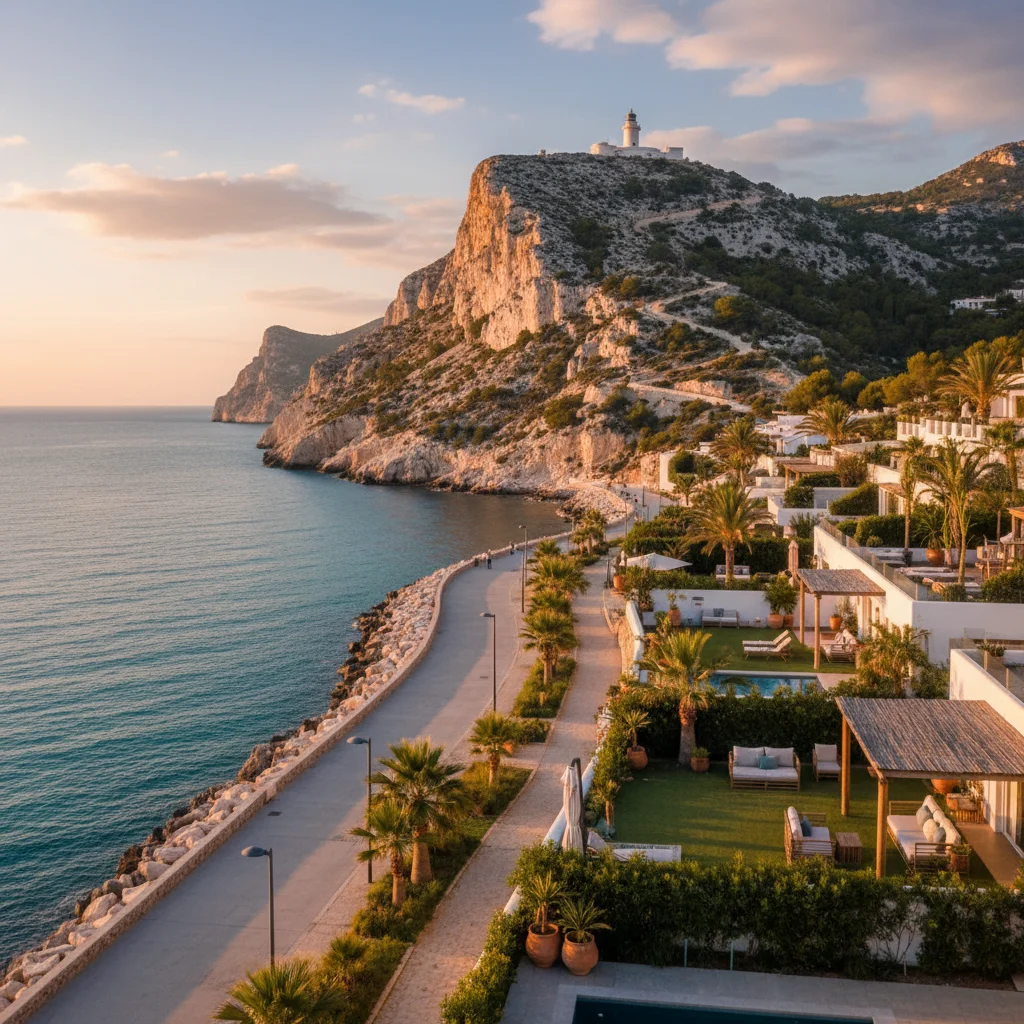
El Albir, the coastal district, stretches along a pebble beach backed by the Sierra Helada natural park. Properties average around €280,000, with modern apartments along the Albir promenade and hillside villas climbing toward the Sierra Helada ridge. Apartment balconies are typically 10–15 square metres with sea views, while villas offer 30–60 square metres of covered outdoor space.
The promenade culture sets the tone. Residents walk, cycle, and socialise outdoors year-round, and that active lifestyle extends naturally to outdoor cooking — evening grilling on a terrace overlooking the Mediterranean is simply how people here eat.
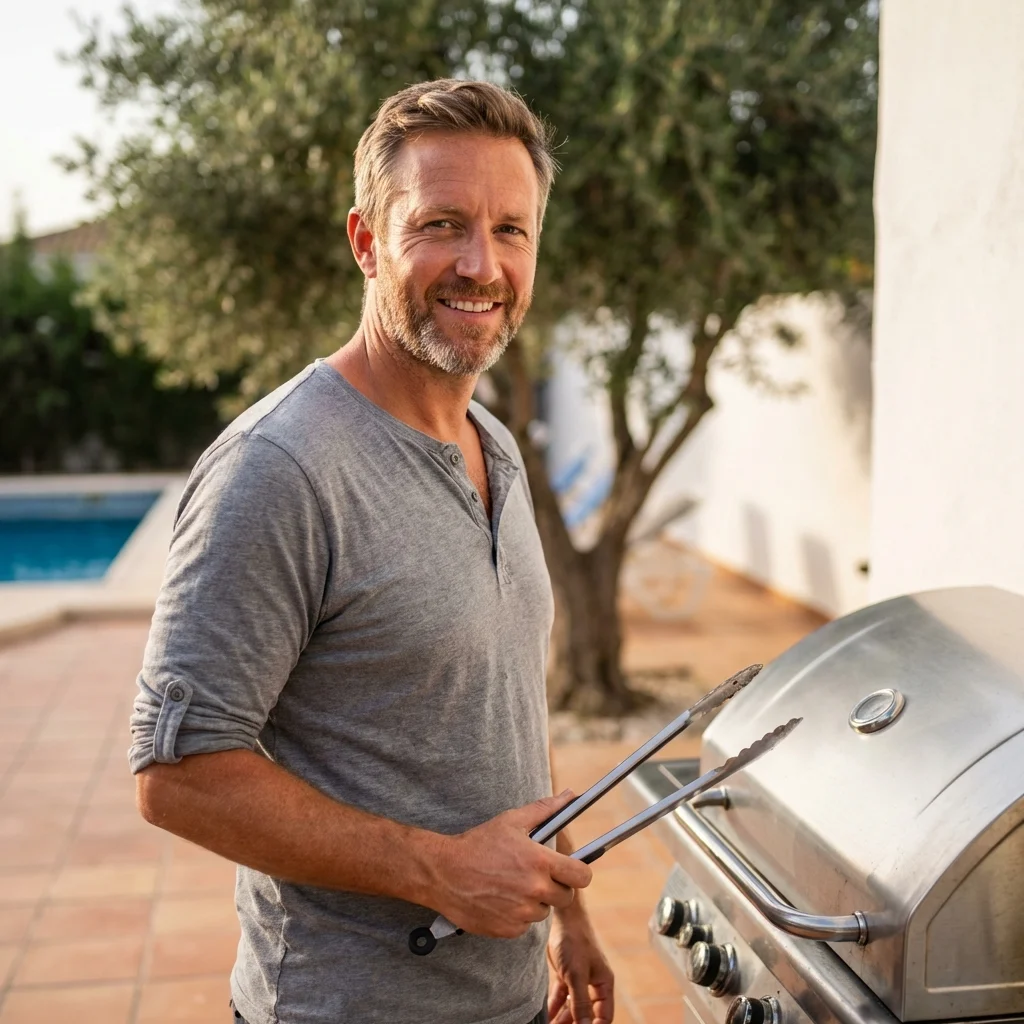
Alfaz del Pi’s unique Norwegian community and El Albir’s Mediterranean promenade lifestyle drive demand for well-designed outdoor cooking equipment, from sleek gas BBQs to premium kamado grills.
Choosing Your Setup in Alfaz del Pi
Scandinavian residents favour clean-burning gas BBQs and precision kamado grills, while El Albir’s compact apartment terraces call for space-efficient designs that maximise cooking power per square metre.
The Scandinavian community gravitates toward gas and kamado — fuel types that offer control and clean operation. Norwegian and Dutch residents consistently choose higher-specification gas BBQs with features like infrared searing zones, rotisserie attachments, and stainless-steel construction that withstands the coastal salt air. Costa Blanca Outdoors recommends marine-grade stainless models for any property within 500 metres of the El Albir seafront, where salt corrosion is a genuine consideration.
For El Albir apartment owners, a compact kamado grill (38cm) or a two-burner gas BBQ fits most balcony terraces without sacrificing serious cooking capability. Hillside villa owners between Alfaz and the Sierra Helada have space for more elaborate setups — a built-in gas station paired with a wood-fired pizza oven is a popular combination here.
Pizza ovens appeal to the area’s food-conscious residents. The Sierra Helada hiking community overlaps heavily with the outdoor cooking community, and post-hike pizza nights are a genuine social tradition in the hillside urbanisaciones. Almond and citrus wood from inland suppliers in La Nucia and the Guadalest valley burn beautifully in compact ovens.
Costa Blanca Outdoors recommends marine-grade stainless-steel BBQs for El Albir seafront properties, where salt air corrosion can damage standard equipment within two to three seasons.
Delivery to Alfaz del Pi and El Albir
We deliver throughout Alfaz del Pi, El Albir, and the Sierra Helada hillside weekly on our central Costa Blanca route, covering both seafront apartments and inland villas.
Alfaz and El Albir sit at the heart of our central delivery zone. The Albir promenade area and town centre are straightforward, with good road access and parking. Hillside properties closer to the Sierra Helada require more careful planning — we use appropriately sized vehicles and always confirm terrace access before scheduling heavy deliveries.
For apartment deliveries along the Albir seafront, we coordinate lift access and building entry in advance. Our team handles everything from unpacking to assembly and final placement, with a full walkthrough of your equipment included as standard.
Neighbouring Benidorm and La Nucia are on the same delivery routes, and we also serve Altea just up the coast. In-stock items ship within 5–10 working days, while custom outdoor kitchen projects require 3–4 weeks for design, fabrication, and professional installation.
Mastering the Elements with Shade Sails in Alfaz del Pi
The microclimate of Alfaz del Pi presents a unique set of challenges that dictate how we approach outdoor living. Living here since 2019, I have observed how the sun behaves from the beachfront apartments along the Albir promenade up to the sprawling villas in the San Rafael and Foia Blanca urbanizations. With over 52% of our population being international, including a significant concentration of Norwegian, Dutch, and British residents, there is a sophisticated demand for outdoor spaces that function as true extensions of the home. These residents bring a culture of alfresco dining and poolside lounging that requires more than just a temporary solution. The intense UV radiation we experience on the Costa Blanca is relentless, often reaching a UV index of 10 or higher during the peak months between June and August. This makes high-quality shade an absolute necessity rather than a luxury. Shade sails have become the preferred architectural choice for many of the 200 families I have helped, primarily because they offer a lightweight, modern aesthetic that complements the diverse property stock found here. Whether it is a compact 15m² terrace overlooking the Mediterranean or a 100m² poolside deck near the entrance to the Serra Gelada natural park, the versatility of tensioned fabric allows for custom coverage that traditional awnings or heavy pergolas simply cannot match.
The architectural landscape of the town is a mix of traditional white-washed Mediterranean structures and sleek, modern villas with clean lines. For the owners of these properties, the visual appeal of a shade sail—with its sharp angles and sculptural form—enhances the property value, which averages around €280,000 but can easily exceed a million in the hills. The international community here tends to prioritize durability and engineering. Our Norwegian neighbors, in particular, often look for technical excellence in the materials used for their outdoor cooking areas and lounging zones. They understand that the local environment is harsh. When you are sitting on a terrace near the Albir Lighthouse, you are dealing with a specific set of atmospheric conditions that can quickly degrade inferior products. A shade sail made from high-density polyethylene (HDPE) fabric is designed to breathe, allowing hot air to rise through the material, which can reduce the temperature underneath by up to 10 degrees Celsius compared to solid structures. This airflow is vital during those stagnant July afternoons when the air feels thick and heavy.
Practicality in this region means accounting for more than just the sun. The geography of the town, nestled between the imposing cliffs of the Serra Gelada and the rising terrain toward La Nucia, creates specific wind patterns. We regularly deal with the Levante, the humid easterly wind that brings salt-laden air from the sea, and the Poniente, the hot, dry westerly wind that can gust unexpectedly off the mountains. For any resident living within two kilometers of the shoreline, salt spray is a silent destroyer of outdoor equipment. If you choose a shade sail with low-grade hardware, you will see tea-staining and rust within a single season. I always insist on 316-grade marine-grade stainless steel for all turnbuckles, D-rings, and mounting plates. This is non-negotiable for properties in the lower parts of town or those near the promenade. The salt air penetrates everything, and the last thing you want is a structural failure during a midnight gust.
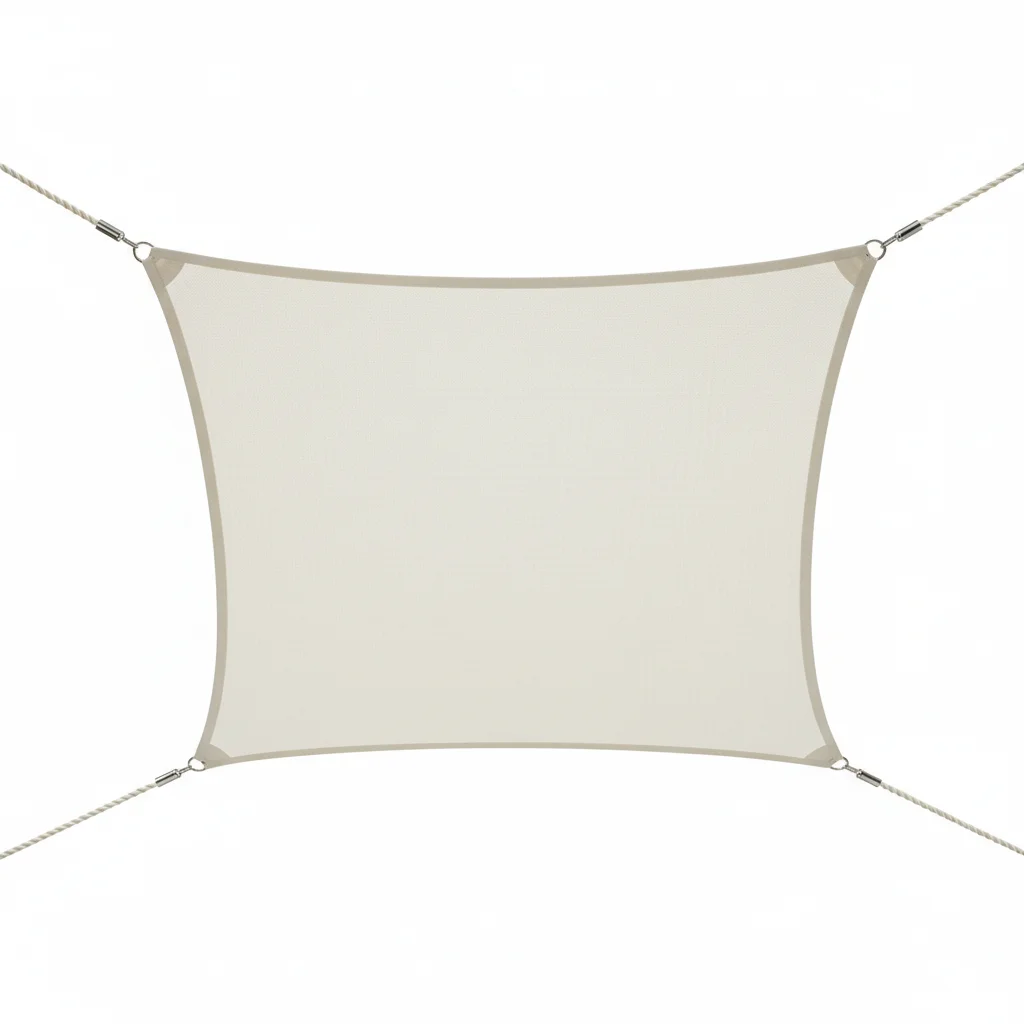
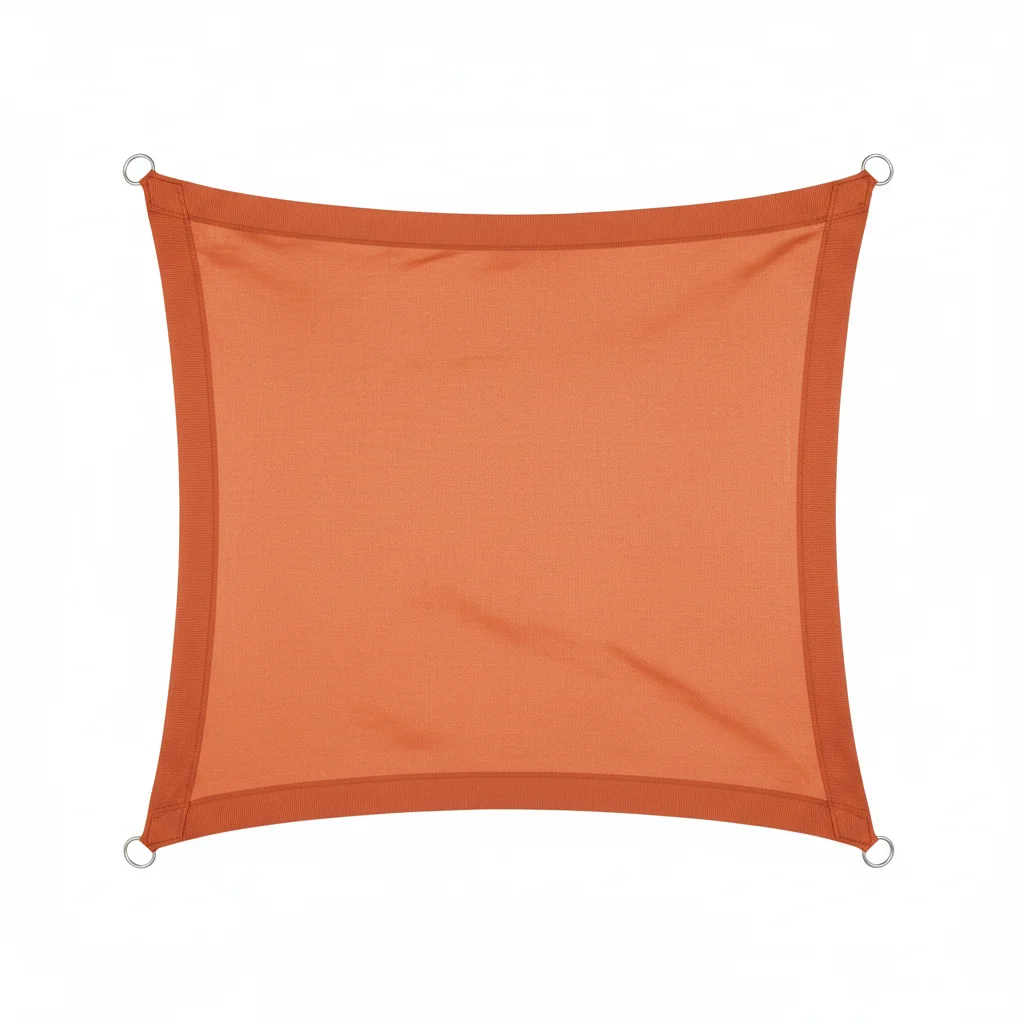
Installation in Alfaz del Pi requires a deep understanding of local building materials. Many older villas are constructed with hollow ceramic bricks, which means we cannot simply bolt a high-tension sail into the facade without specialized chemical anchors and long-reach studs that bite into the structural concrete beams. For those living in an apartment community, or comunidad de propietarios, there are often strict rules regarding what can be permanently attached to the exterior walls. Shade sails offer an advantage here because they are often classified as semi-permanent structures. If the community rules forbid a fixed pergola, a removable sail is frequently the acceptable compromise. A standard 4m x 5m rectangular HDPE sail, complete with a professional-grade hardware kit, typically starts at around €350, while more complex, multi-sail configurations for larger gardens can range up to €2,000 depending on the need for custom-fabricated steel posts.
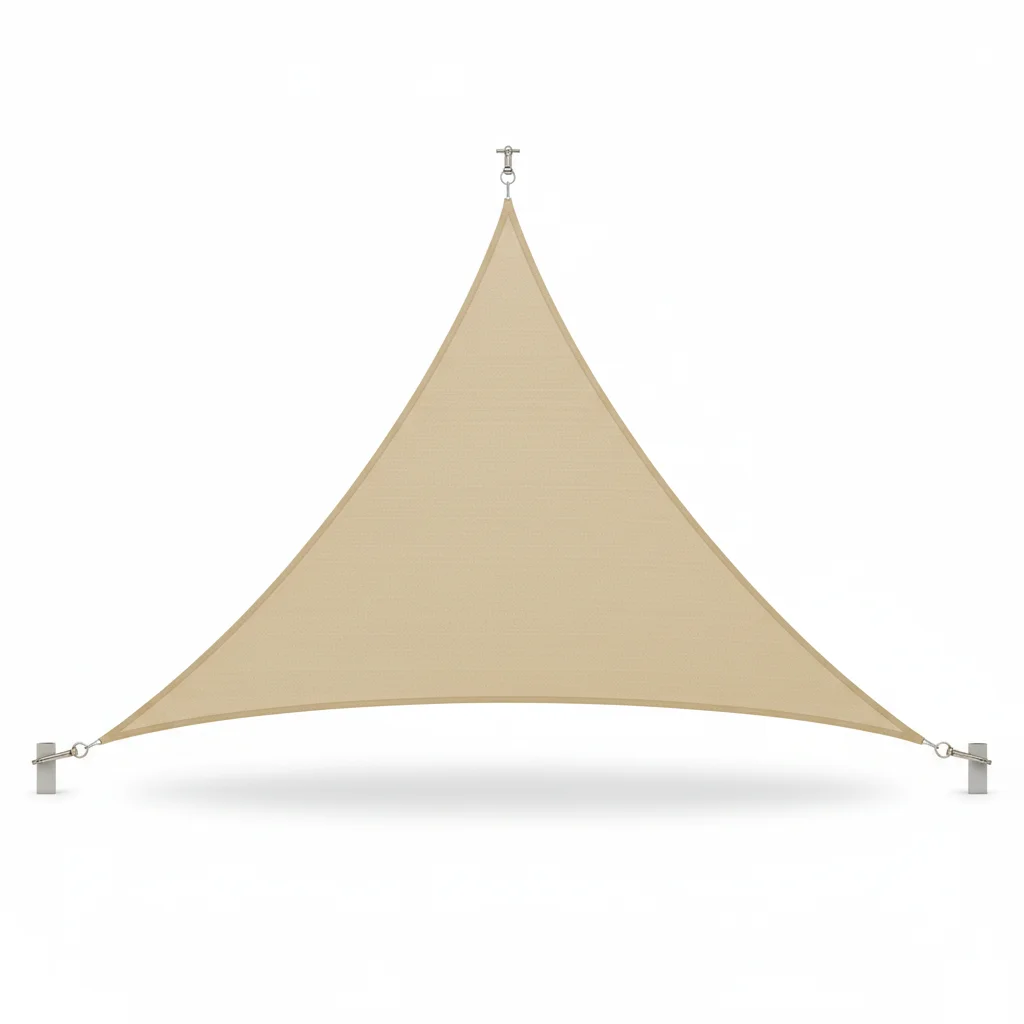
When I am advising clients on their setup, I look at how the wind funnels through their specific plot. A common mistake I see is installing a sail perfectly flat. Not only does this look uninspired, but it also turns the fabric into a giant kite during a storm. I recommend a minimum 20-degree slope to ensure that even though the HDPE fabric is porous, heavy rain can still shed off the edges rather than pooling in the center and stretching the fibers. This tension is what gives the sail its longevity. A well-tensioned sail should not flap; it should remain rigid and silent. For smaller balconies common in the center of town or near the beach, a triangular sail can provide targeted shade over a dining table without making the space feel enclosed. In contrast, for the larger villas in the Escandinavia or Belmonte areas, I often suggest a "hypar" design, where two opposite corners are high and two are low, creating a twisted shape that is incredibly stable in high winds and visually striking from every angle.
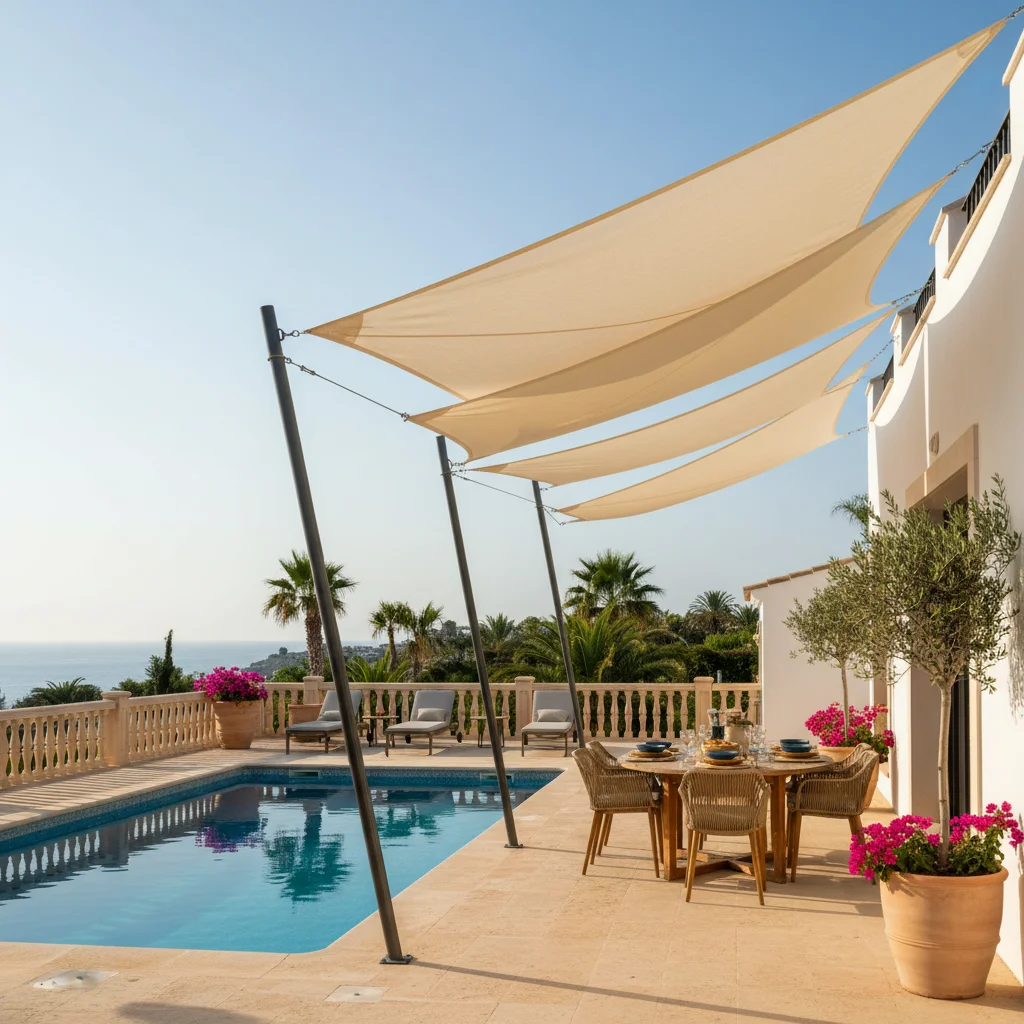
For residents with larger estates, the best approach is often a combination of shade solutions. A bioclimatic pergola might provide the primary covered area for an outdoor kitchen, while a series of overlapping shade sails extend the living space over the pool and sunbathing deck. This layered approach allows for different levels of light filtration throughout the day. It is worth noting that while shade sails are excellent for UV protection, they do not provide 100% waterproofing. If your goal is to keep high-end outdoor furniture bone-dry during a winter downpour, you might consider an awning or a pergola for that specific zone. However, for sheer cooling power and aesthetic impact during the eight months of the year when we live entirely outdoors, the sail is hard to beat. The HDPE fabric we use is treated with UV stabilizers that are specifically rated for the intense Mediterranean light, ensuring the color doesn't fade into a dull gray after just one summer.
Maintenance in this part of the world is relatively straightforward but essential. Because of the dust that blows over from the Sahara—the "calima" events that turn everything orange—shade sails need to be hosed down periodically. If the dust sits on the fabric and then gets wet, it can weigh down the weave. A quick rinse with a garden hose once a month is usually enough to keep the tension correct and the color vibrant. I also advise my clients to take their sails down if they are leaving their property for the winter months. While the hardware is built to stay, removing the fabric extends its life significantly, and it only takes about fifteen minutes once you know how to operate the turnbuckles. This is a small price to pay for a product that will protect your family and your outdoor flooring from the bleaching effects of the sun.
Our delivery and consultation service covers the entirety of Alfaz del Pi, extending seamlessly into neighboring Altea, Benidorm, and La Nucia. We understand the logistical nuances of the area, such as the narrow, winding access roads leading up to the older villas or the specific delivery windows required for the beachfront apartment blocks. I personally oversee the assessment of every project because I know that no two terraces in this town are identical. One house might be shielded by a neighbor’s pine trees, while the house next door is completely exposed to the afternoon sun hitting it directly from the direction of Finestrat. We don't just drop off a box; we provide the local expertise to ensure that your shade sail is positioned to provide maximum relief when the sun is at its most damaging, typically between 2:00 PM and 6:00 PM.
If you are looking to reclaim your outdoor space from the heat, I am always available for a walk-through of your property. We can look at the wall structures, discuss the prevailing wind directions on your specific street, and figure out a layout that works for your budget and your style. There is no substitute for local knowledge when it comes to the elements. Whether you are in a modern penthouse near the Promenade or a traditional home in the heart of the village, I can help you design a shade solution that is as durable as it is beautiful. My goal is to ensure that your investment in your outdoor lifestyle is protected by the right materials and the right engineering for our unique Costa Blanca environment. Feel free to reach out for a free consultation, and we can start planning how to make your terrace the coolest place in town.
 JW'"
/>
JW'"
/>