Why Expats in Altea Love Outdoor Cooking
Altea’s artistic Old Town, Scandinavian heritage, and year-round mild climate create a distinctly creative approach to outdoor cooking that blends Mediterranean tradition with northern European design sensibility.
While Calpe draws a broad international mix and Benidorm pulls the holiday crowd, Altea appeals to people who value aesthetics and a slower pace. The 35% expat population — with a distinctive Scandinavian presence alongside British and Dutch communities — gives outdoor cooking here a unique character. Setups tend to be thoughtfully designed and built to complement the whitewashed beauty Altea is famous for.
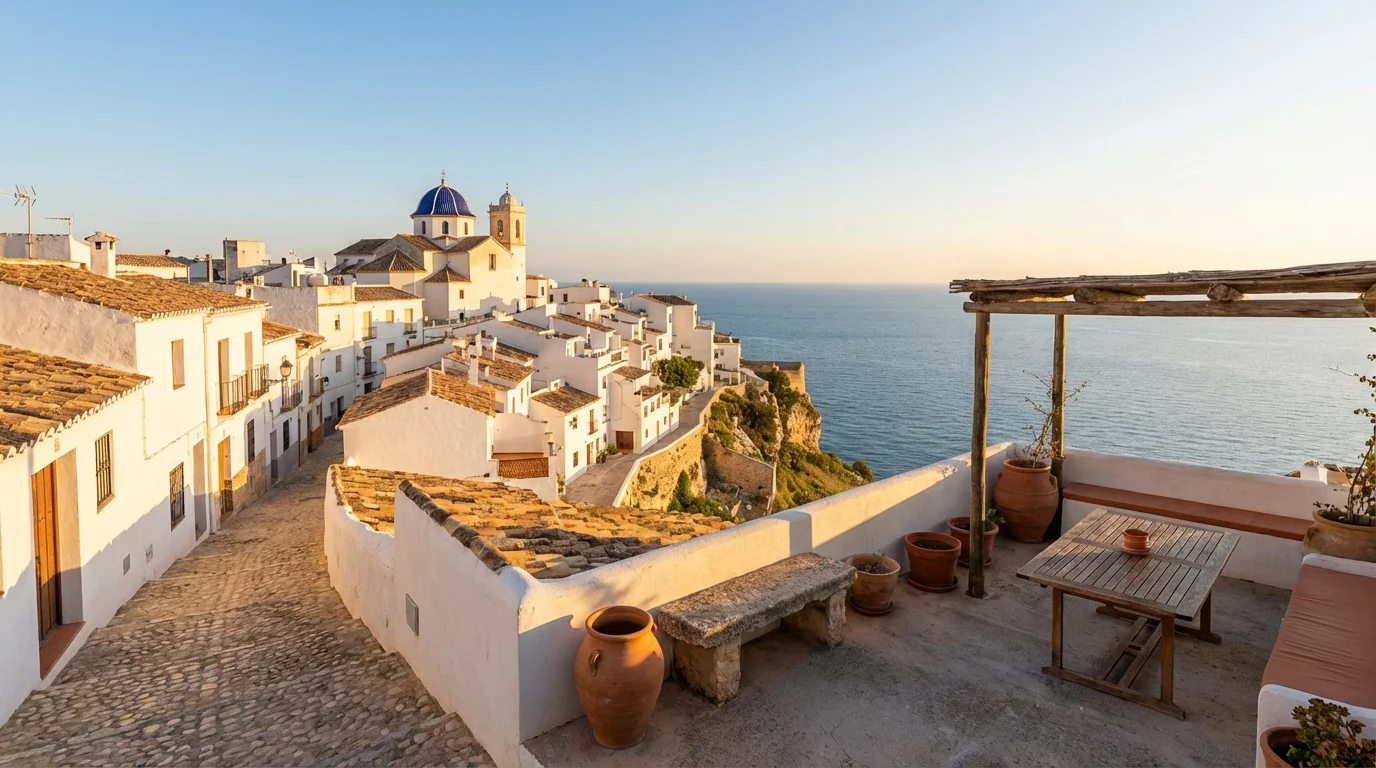
The Old Town, crowned by the iconic blue-domed church of Nuestra Señora del Consuelo, cascades down the hillside in cobbled streets and bougainvillea-draped terraces. Behind it rises the Sierra de Bernia, sheltering Altea from northerly weather — January averages of 12°C make outdoor cooking viable twelve months a year.
Scandinavian residents have been settling here since the 1960s, and their design-forward approach shows in how they build outdoor spaces — clean lines, quality materials, functional layouts. This has shaped Altea into the most design-conscious outdoor cooking market on the Costa Blanca.
Answer capsule: Altea’s artistic community, Scandinavian design influence, and Sierra de Bernia microclimate create demand for aesthetically refined outdoor kitchens, kamado grills, and pizza ovens.
Your Altea Outdoor Kitchen Setup
From Old Town rooftop terraces with church-dome views to modern villas with minimalist outdoor kitchens, Altea demands equipment that looks as good as it performs.
The Old Town offers characterful townhouses where rooftop terraces of 8–15m² are the primary cooking space. The settings are extraordinary — cooking with the blue dome above and the Mediterranean below — but the key is choosing equipment that complements the historic surroundings. A premium compact kamado or a sleek gas BBQ fits perfectly.
In Altea Hills, the Sierra de Bernia foothills, and the Mascarat area, modern villas feature purpose-designed outdoor living spaces. Stainless steel, matte black finishes, and minimalist lines dominate. These are the properties where we deliver our most architecturally integrated outdoor kitchen builds.
Altea la Vella, the small inland village just behind Altea, deserves special mention. Properties are larger, more affordable, and set in mature gardens. Costa Blanca Outdoors recommends these homeowners create dedicated outdoor kitchen zones — a cooking area among the olive and citrus trees, with a masonry pizza oven as the centrepiece, is one of the most rewarding setups we install anywhere on the Costa Blanca.
Answer capsule: Altea Old Town terraces suit compact, design-forward equipment, while Altea Hills villas and Altea la Vella gardens accommodate full architecturally integrated outdoor kitchen builds.
Gas, Charcoal, or Wood-Fired? Choosing Right for Altea
Altea’s design-conscious community chooses equipment that combines visual appeal with cooking performance — form and function in equal measure.
Gas BBQs remain the most popular choice, but Altea customers consistently gravitate toward premium, design-led models — stainless steel units treated as furniture rather than hardware. Built-in gas systems with flush-mount installation are a frequent request, reflecting the emphasis on visual harmony with outdoor spaces.
Kamado grills have found an enthusiastic audience among Scandinavian residents. The hygge-meets-Mediterranean lifestyle — slow cooking, natural materials, gathering around the fire — aligns perfectly with kamado philosophy. We see strong demand for matte black and earth-toned kamados that blend with Altea’s natural palette.
Wood-fired pizza ovens are where Altea’s creative community expresses itself. Several customers have commissioned custom tile surrounds or hand-painted ceramic facades for their ovens — turning a cooking tool into outdoor art. Firewood suppliers in Callosa d’en Sarrià (10 minutes inland) and Alfaz del Pi offer almond and olive wood year-round. Costa Blanca Outdoors recommends the Clementi or Alfa Forni ranges for Altea — their contemporary Italian design language complements the town’s aesthetic beautifully.
Answer capsule: Altea’s design-focused expats prefer premium-finish gas BBQs and matte-toned kamado grills, with wood-fired pizza ovens often becoming statement terrace centrepieces.
Delivery & Setup in Altea
Altea’s central position between Calpe and Benidorm gives it excellent road access, with our team experienced in navigating Old Town streets and Altea Hills private communities.
The modern areas — marina district, beachfront, newer residential zones — are fully accessible for large vehicles. Altea Hills has private roads with security gates, and we coordinate access in advance.
The Old Town presents the biggest logistical challenge in our northern zone. Cobbled streets, steps, and narrow doorways mean advance planning is essential. We survey the route beforehand and carry specialist equipment for stairs and tight corners.
Neighbouring Calpe and Benidorm are on our standard Altea routes, along with Alfaz del Pi. Delivery is 5–10 working days for stocked items, with custom outdoor kitchen projects on a 3–5 week timeline including design consultation and professional installation.
Illuminating Your Mediterranean Sanctuary: Professional Lighting Strategies for Altea
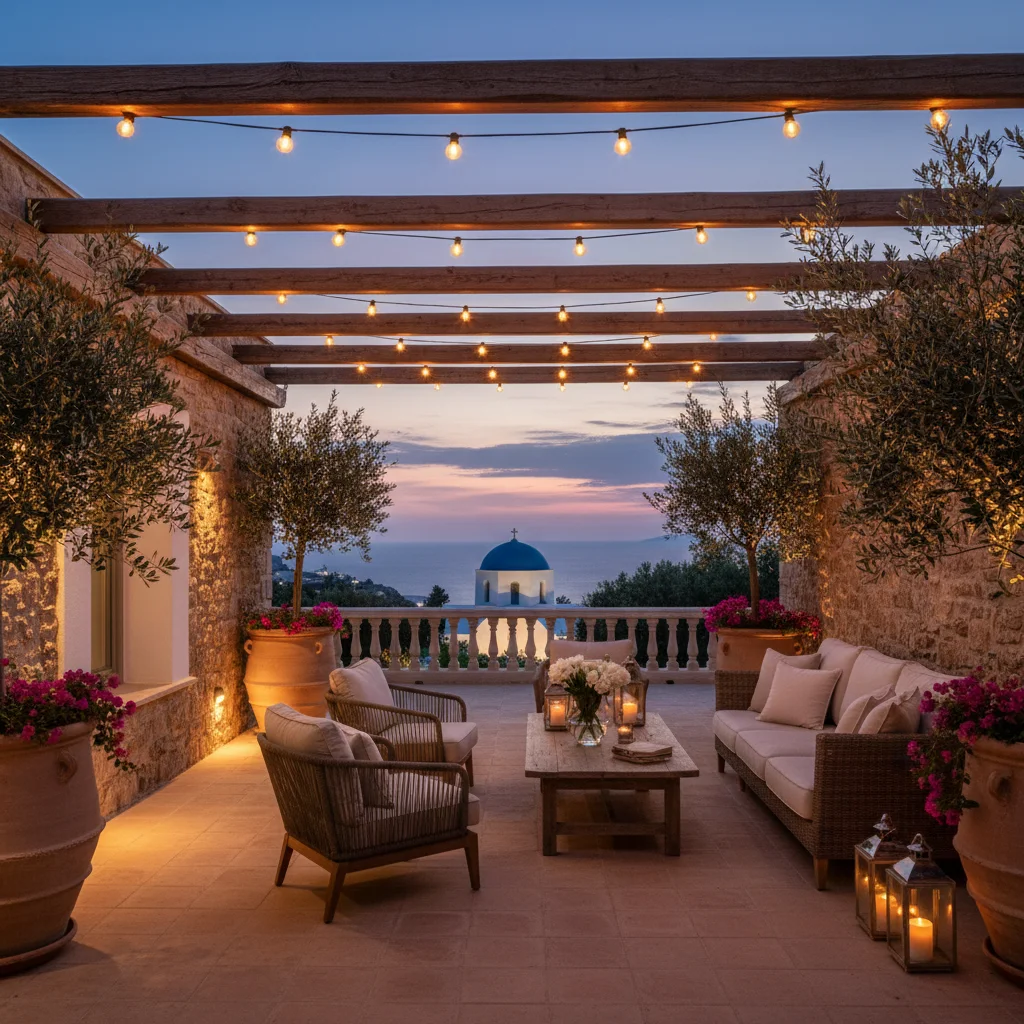
Developing a cohesive lighting plan for a property in this corner of the Costa Blanca requires more than just choosing attractive fixtures. Since 2019, I have walked through hundreds of villas and apartments in this region, and I have seen how the unique geography of the area dictates the way we use light. With a population of roughly 22,000 people and a significant international demographic comprising 35% of the residents—largely British, Dutch, and Scandinavian—the local outdoor living culture is a sophisticated blend of northern European design and Mediterranean functionality. When you are sitting on a 60 m² terrace looking out toward the iconic Blue Dome Church or the darkened silhouette of the Sierra de Bernia, the way you illuminate your immediate surroundings dictates whether that space feels like an extension of your home or a cold, neglected outdoor area.
The luxury hillside villas that characterize the local landscape often feature expansive terraces ranging from 40 to 80 m², frequently overlooking private pools and the coastline. These spaces are not just for sunbathing during the day; they are the primary social hubs for evening meals and late-night conversation. For the British and Scandinavian residents especially, creating a "hygge" or cozy atmosphere is a priority. This involves layering different types of light to provide functionality for cooking while maintaining a soft, ambient glow for relaxation. Because of the town's position, tucked behind the mountain range, we enjoy a sheltered microclimate that encourages year-round outdoor use. However, the lack of natural evening light once the sun dips behind the mountains means that professional artificial lighting is not a luxury—it is a fundamental requirement for making your property usable after 6:00 PM in the winter months.
I have found that Dutch and British residents often prefer distinct zones within their outdoor spaces. On a typical 70 m² villa terrace, you might have a dedicated outdoor kitchen area where focused task lighting is essential, a dining area requiring a soft overhead glow, and a lounge area where subtle accent lighting takes precedence. The goal is to avoid the "stadium effect" where one powerful floodlight washes out the entire area, destroying the intimacy of the space and the visual connection to the surrounding landscape. Instead, we look at the vertical surfaces—the white-washed walls that reflect light beautifully and the architectural features of Altea la Vella villas—to bounce light indirectly into the living zones. This approach respects the local environment while providing the high-end finish expected in properties with average prices exceeding EUR 330,000.
Effective lighting in this specific microclimate must account for technical environmental factors that differ from the southern Costa Blanca. While we are protected by the mountains, creating a lower humidity environment than you would find in Torrevieja, we are still dealing with a coastal atmosphere. Salt air is a silent killer of cheap lighting equipment. If you buy standard retail fixtures from a hardware store, the salt will cause the finish to pit and the internal electronics to corrode within two seasons. I always advise my clients to look for a minimum IP65 rating for protected areas and IP67 for anything exposed to the elements or integrated into the ground. Furthermore, the material choice is critical. Anodized aluminum or high-grade 316 stainless steel are the only metals that truly survive long-term here. For those on a tighter budget, high-quality UV-stabilized polycarbonates can work, but they lack the premium feel that a hillside villa deserves.
When considering the installation of a comprehensive system, you must also be mindful of the "Comunidad de Propietarios" rules, which are particularly prevalent in the luxury urbanizations around the Sierra de Bernia. Many communities have specific bylaws regarding light pollution and the color temperature of outdoor bulbs. I generally recommend a warm white light between 2700K and 3000K. This range complements the natural stone and white render of local architecture. Anything higher, such as 4000K or 5000K, tends to look clinical and harsh against the terracotta tiles common in this region. A specific product I frequently recommend for these properties is a set of recessed LED floor uplights. A high-quality, marine-grade stainless steel unit with a 5W CREE LED chip typically costs around EUR 120 per unit. For a standard 50 m² terrace, a series of four or five of these units can transform a plain stone wall into a dramatic architectural feature without causing glare for your neighbors.
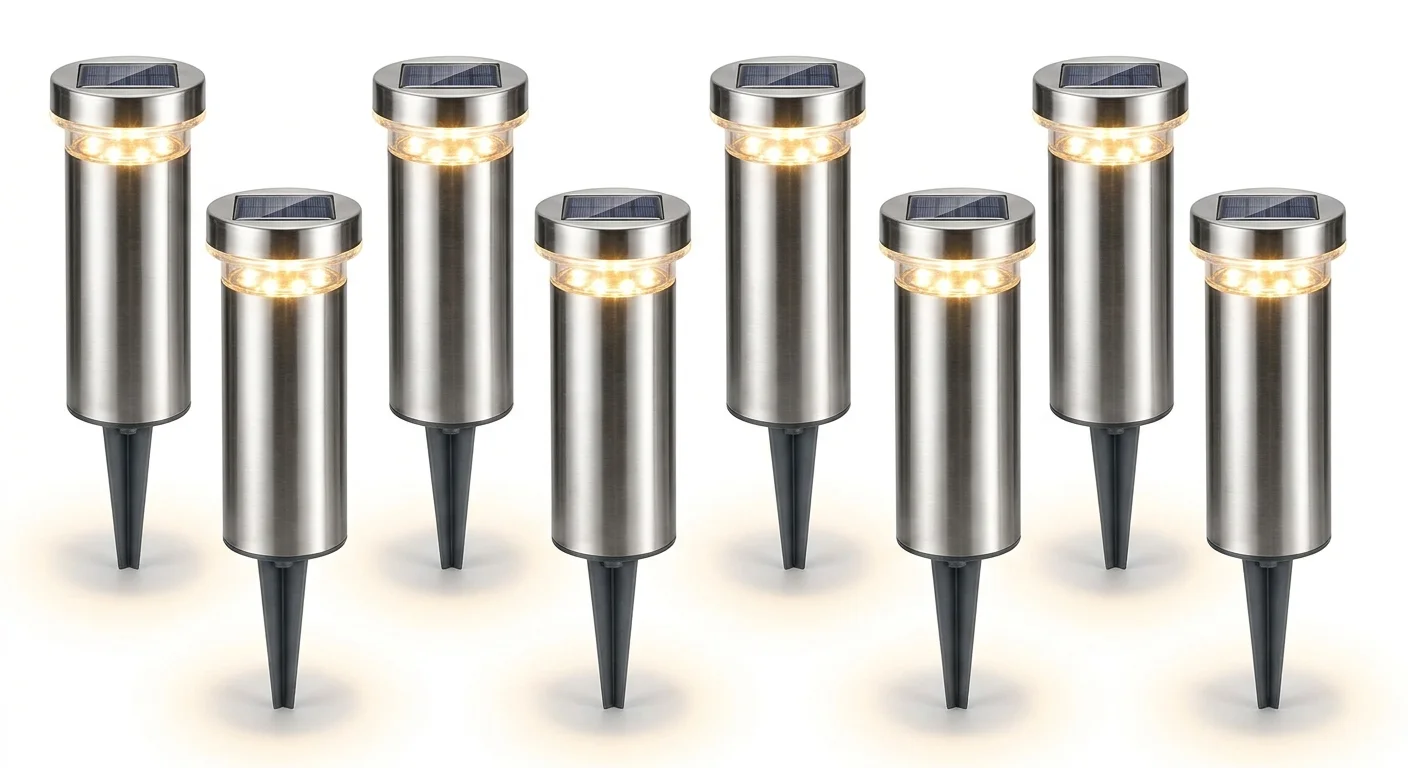
Another local consideration is the stability of the electrical grid in older parts of the town and the surrounding hills. During the peak summer months, power surges are not uncommon. I always suggest installing a surge protector at the outdoor lighting junction box to protect your investment. If you are looking at a full architectural setup including path lights, spotlights for palms, and terrace festoons, you could easily spend between EUR 800 and EUR 2,000. It sounds like a significant investment, but when you consider the property value and the fact that it doubles your usable living space after dark, the return on investment is clear. For those with easier-to-access apartments near the port, solar technology has improved, but only at the higher price points. A professional-grade solar path light with a separate monocrystalline panel can cost EUR 85 each, but it will actually hold its charge through the night, unlike the cheap EUR 10 versions found in supermarkets.
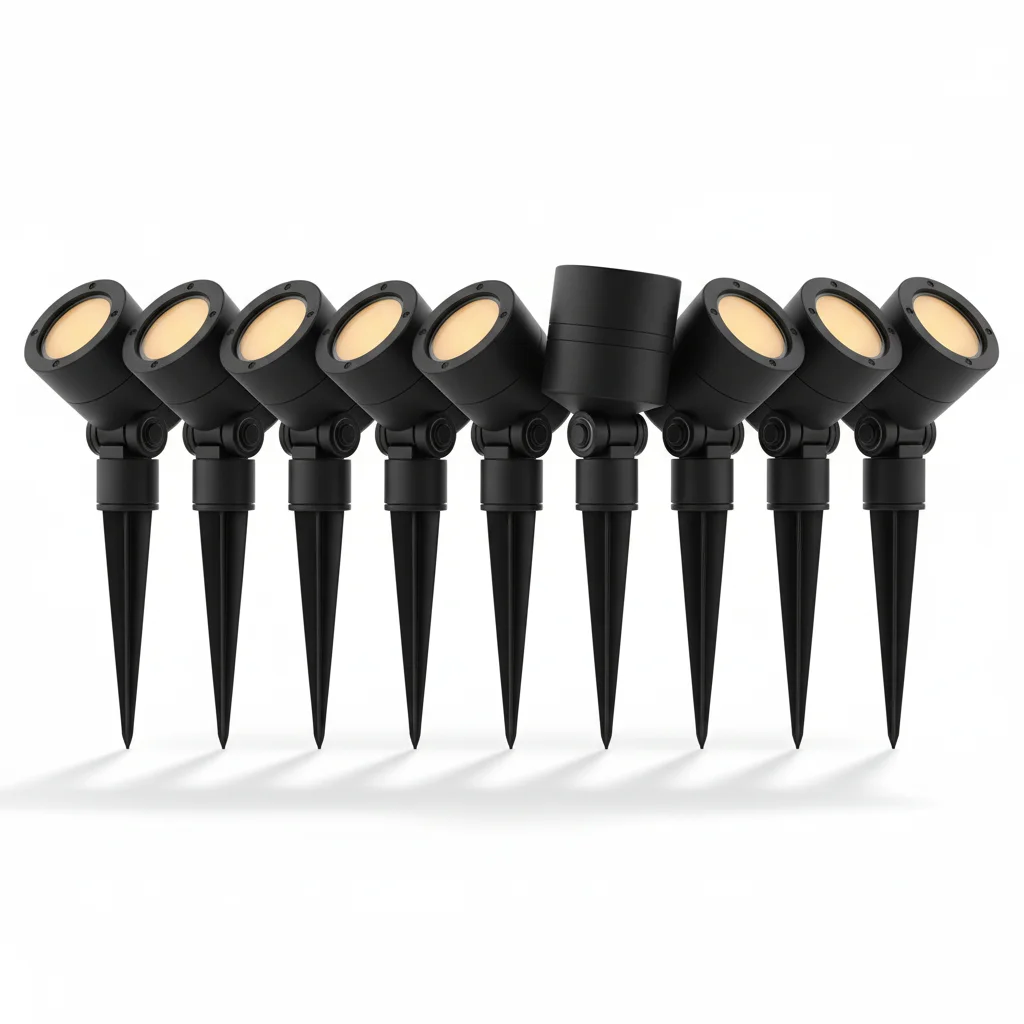
For the larger villas nestled in the hills, I recommend a tiered lighting strategy that starts at the perimeter. Use low-voltage LED spotlights to highlight the trunks of palm trees or the texture of a dry-stone wall. This creates depth and prevents the garden from feeling like a black void beyond the terrace. If you have recently installed garden-fencing to improve privacy, mounting downward-facing "shroud" lights onto the fence posts can define the boundary of your property elegantly. This setup pairs exceptionally well with artificial-grass installations. By placing low-level spotlights at the edge of the grassed area, the light grazes across the synthetic fibers, creating a lush, green appearance even in the middle of a dry August night. This configuration typically involves a 12V transformer system which is safer for outdoor use near pools and much easier to modify than a high-voltage 220V system.
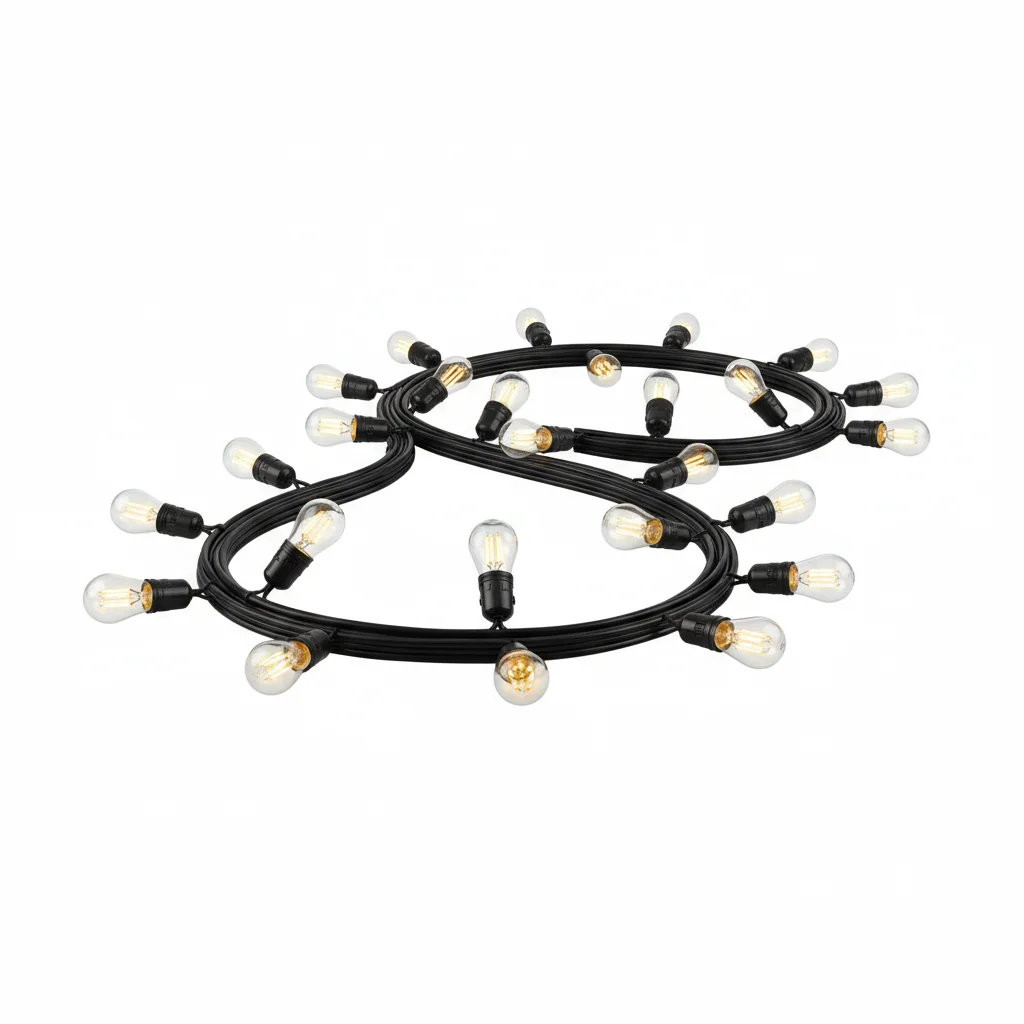
For apartment dwellers or those with mid-sized terraces in the center of the municipality, space is at a premium, and the lighting must be multifunctional. In these scenarios, I often suggest high-quality festoon strings. These are not the flimsy Christmas lights you might imagine; I am talking about commercial-grade rubber cabling with replaceable LED Edison bulbs. A 10-meter string of these, which usually retails for around EUR 150, can be draped across a pergola to provide a festive yet sophisticated atmosphere. This works perfectly on a 40 m² terrace where you don't have the ground space for multiple bollard lights. To complete the look, I recommend adding a few portable, rechargeable LED lanterns. These units, which cost between EUR 120 and EUR 300, allow you to move the light from the dining table to a reading nook, providing flexibility that hard-wired fixtures cannot match.
If your property features a steep garden or tiered levels, which is common in the local topography, safety becomes the primary driver for lighting design. Step lights are non-negotiable here. Recessing small, eyelid-style lights into the risers of your outdoor stairs ensures that guests can navigate the levels safely without the light being so bright that it ruins the nighttime view. I have seen many people try to solve this with a single bright floodlight at the top of the stairs, which actually makes the steps more dangerous by creating long, deceptive shadows. A dedicated step light system for a standard three-level garden usually starts at approximately EUR 400 for hardware and basic cabling. It is a small price to pay for the safety and aesthetic improvement of the property's transition zones.
My team and I are very familiar with the logistical challenges of delivering and installing equipment in this specific region. Whether your property is located in the narrow, winding streets near the Old Town or the steep, gated drives of the luxury hillsides, we have the experience to manage the delivery. We also regularly serve the neighboring towns of Calpe, Benidorm, Alfaz-del-Pi, La Nucia, and Benissa, meaning we are always in the area and understand the local building styles and electrical standards. When we deliver to these hillside locations, we use smaller, maneuverable vehicles because we know that a standard 12-ton delivery truck simply won't make it up the mountain roads or through the tighter residential archways. This local knowledge prevents the frustration of failed deliveries or damaged property that often occurs with national couriers who don't know the terrain.
Choosing the right lighting is about understanding how you want to feel in your outdoor space. Are you hosting large dinner parties for your Dutch and British friends, or are you looking for a quiet, meditative space to enjoy the mountain air? Each goal requires a different technical approach. Because I live and work here, I can tell you exactly how the afternoon shadows fall and where you will need the most light once the sun disappears behind the peaks. We offer a comprehensive service that goes beyond just selling a box; we help you design a layout that works for your specific terrace measurements and architectural style.
If you are ready to stop squinting in the dark and start enjoying your terrace to its full potential, I encourage you to get in touch. We can discuss your specific property type, the square meterage of your outdoor zones, and how we can integrate lighting with your existing artificial-grass or fencing. I offer free consultations where we can look at your space together and determine the best IP ratings and Kelvin temperatures for your specific needs. There is no substitute for local expertise when it comes to the unique environmental and aesthetic demands of this town. Let's make sure your property looks as good at midnight as it does at midday.
 JW'"
/>
JW'"
/>