Outdoor Living in Jalón
Jalón — known locally as Xaló — is a stunning wine valley town of 3,500 residents where 35% are expats, mostly British and Dutch, living in country houses surrounded by almond orchards, vineyards, and cherry trees, with properties averaging €260,000.
The Jalón Valley is one of the most beautiful settings on the Costa Blanca. Ringed by mountains, carpeted with vineyards and almond groves, and home to a cluster of traditional bodegas producing honest local wine, this is rural Spain at its most appealing. The famous Saturday rastro market draws thousands of visitors from across the region — a sprawling, chaotic affair that has become a genuine institution among the expat community.
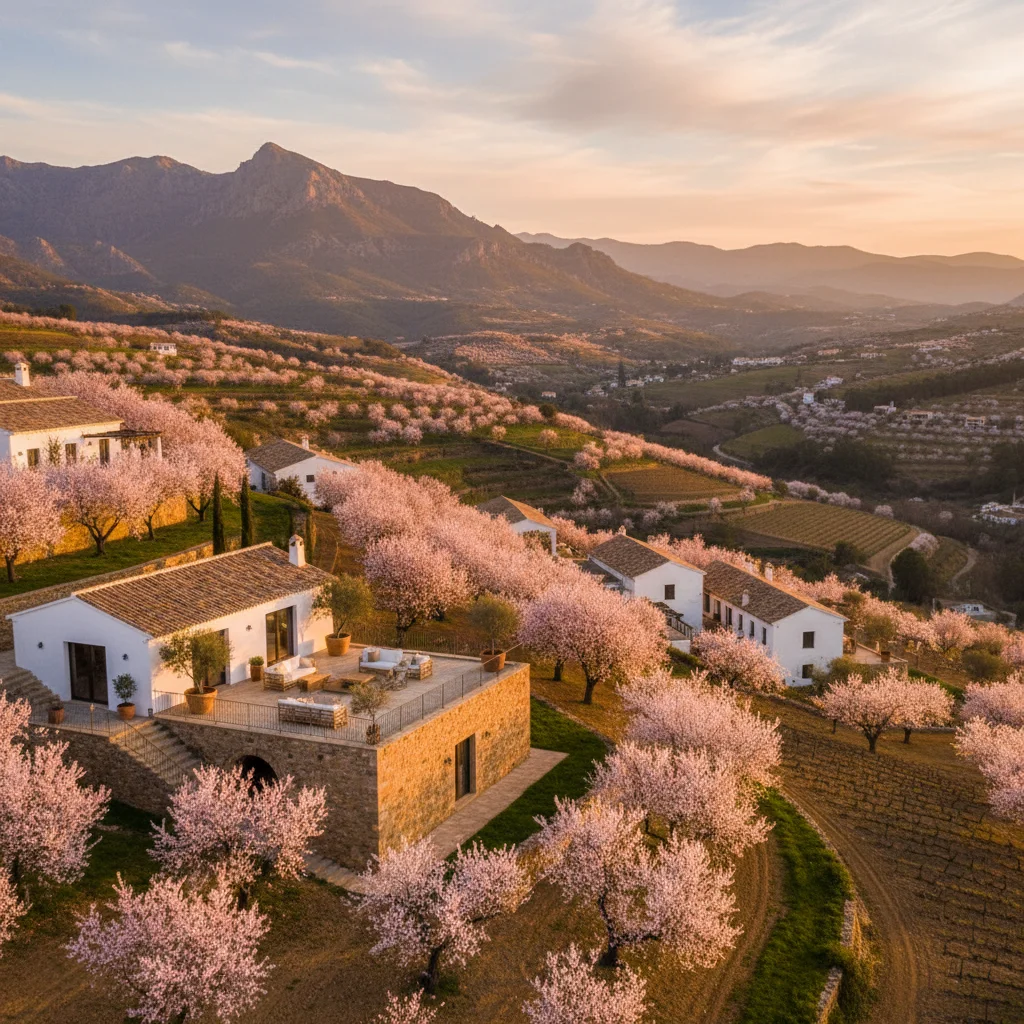
Properties here are overwhelmingly rural. Country houses with large plots sit among the orchards, many with views across the valley floor to the surrounding sierra. Stone-built fincas with traditional riurau arches, converted farmhouses with swimming pools, and newer villas on elevated plots make up the housing stock. Almost every property has a generous outdoor area — terraces, gardens, and flat land that calls out for a proper cooking setup.
The valley creates its own microclimate. Winters are slightly cooler than the coast, summers marginally less humid. The almond blossom in January and February transforms the landscape into a sea of white and pink, and the grape harvest in September fills the air with sweetness. Living here means living outdoors, and cooking outdoors feels like the most natural thing in the world.
Jalón’s wine valley setting, spacious rural properties, and thriving 35% expat community make it a prime location for outdoor cooking, with large plots, local wood supplies, and a climate built for year-round entertaining.
Choosing Your Setup in Jalón
Valley fincas with big gardens, local almond wood for smoking, and a community that loves long outdoor lunches — Jalón is built for serious outdoor cooking setups.
The generous plots in the Jalón Valley practically demand a multi-station outdoor kitchen. A gas BBQ for everyday grilling, a wood-fired pizza oven for weekend gatherings, and a kamado grill for low-and-slow projects is the combination we recommend most often to valley residents. Costa Blanca Outdoors can design a layout that fits naturally into your terrace or garden, using local stone that matches the traditional architecture.
What makes Jalón genuinely special for outdoor cooking is the wood. Almond trees are pruned annually across the valley, producing fragrant hardwood that is perfect for pizza ovens and smoking. Orange and lemon wood from nearby groves adds citrus-scented smoke to poultry and fish. Many of our Jalón customers collect prunings from their own land or from neighbours — a free, sustainable fuel source that adds authentic local character to every cook.
The valley’s bodega culture also means wine-barrel wood occasionally becomes available — oak staves that produce extraordinary smoke flavour. Ask at the local bodegas during harvest season.
Butane delivery is straightforward, with regular truck rounds through the valley. For permanent installations, a propane tank with a fixed gas line to your outdoor kitchen is the cleanest solution and avoids bottle changes during long cooking sessions.
We recommend a full outdoor kitchen setup for Jalón properties — gas BBQ, pizza oven, and kamado — taking advantage of abundant local almond and citrus wood for smoking and a valley lifestyle built around long outdoor meals.
Delivery to Jalón
We deliver throughout the Jalón Valley weekly, navigating the country lanes and finca access tracks with care — every delivery includes full assembly, placement, and equipment walkthrough.
The Jalón Valley is one of our favourite delivery destinations. We know the roads well — including the narrow lanes between orchards, the unsigned tracks to remote fincas, and the Saturday market traffic to avoid. For country properties with challenging access, we confirm details in advance and plan accordingly.
Our northern route covers the entire valley corridor. Pedreguer sits just to the east, Benissa to the south, and Dénia is twenty minutes toward the coast. We regularly combine valley deliveries with these neighbouring towns.
Standard delivery on in-stock items is 5–10 working days. Custom outdoor kitchen builds — which are particularly popular in the valley given the space and lifestyle — run 3–4 weeks from design approval to completion. We source local stone for countertops and surrounds where possible, keeping the build sympathetic to Jalón’s traditional architecture.
Glass Curtains & Glass Rooms in Jalón: What You Need to Know
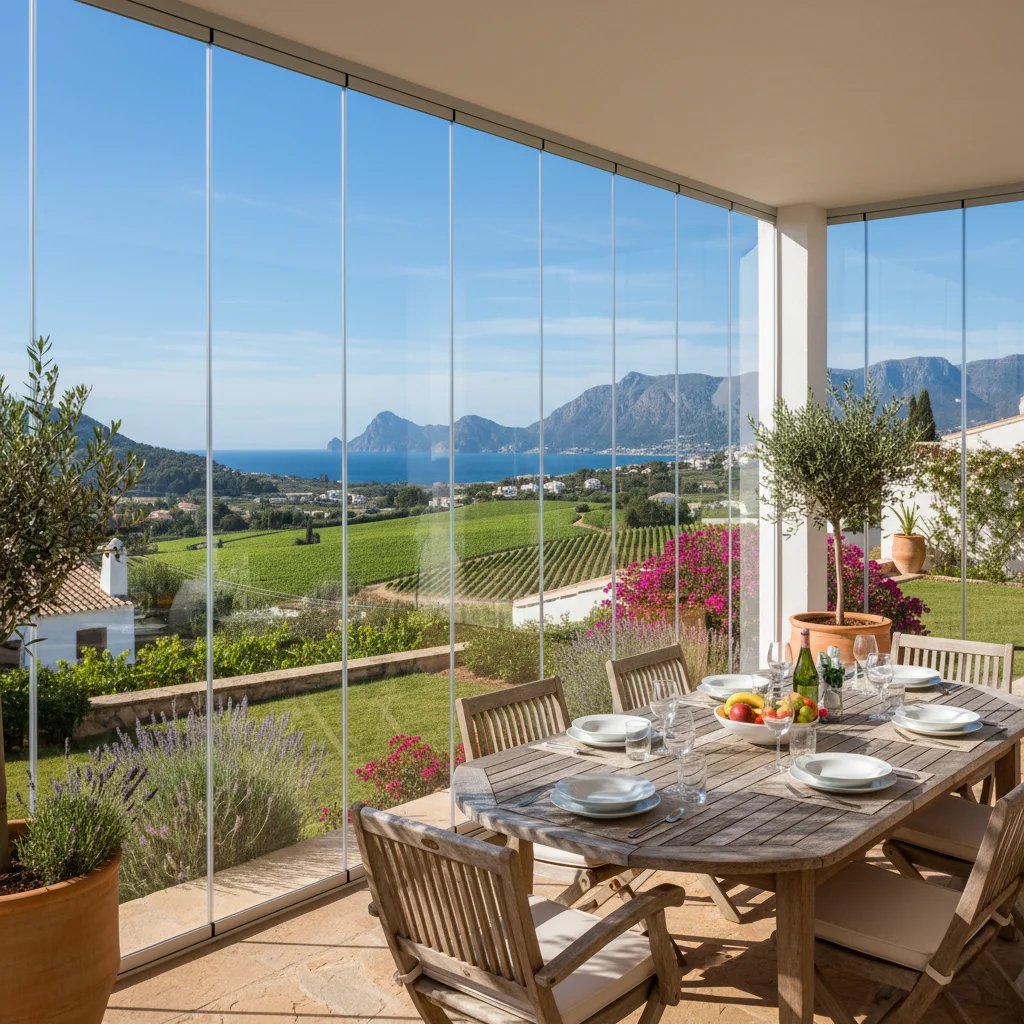
Living in the Jalón Valley offers a lifestyle that is fundamentally different from the high-rise coastal experience of nearby Calpe or the busier hubs of Dénia. Since I moved to the Costa Blanca in 2019, I have spent a significant amount of time working with the 3,500 residents of this valley, many of whom are British and Dutch expats who have traded sea-front noise for the agricultural rhythms of the interior. The property landscape here is dominated by substantial luxury villas perched on hillsides, often featuring terraces ranging from 40 to 80 square meters. These spaces are designed for the outdoor life, overlooking the famous almond blossoms in February or the sprawling vineyards that feed the local Wine Bodegas. However, there is a recurring problem I see with these large terraces: they often become unusable for four or five months of the year due to the crisp mountain air or the occasional heavy rains that sweep through the valley.
The international community here, which makes up about 35% of the population, has a very specific approach to outdoor living. You aren't just looking for a place to sit; you are looking for an extension of your kitchen and lounge where you can host Sunday lunches after visiting the Saturday Rastro or enjoy a glass of local Mistela while watching the sunset over the Sierra Bernia. Glass curtains and enclosed glass rooms have become the standard solution for these hillside properties because they offer a way to seal off a massive 60 m² terrace without losing the panoramic views that likely sold you on the property in the first place. Because these systems are frameless, they do not interrupt the visual connection to the valley floor, yet they provide a structural barrier that transforms a seasonal balcony into a permanent part of your home’s footprint.
Installing a glass room or a curtain system in this specific part of the Costa Blanca allows you to bypass the often-complicated planning permission processes associated with traditional brick-and-mortar extensions. In Spain, glass curtains are generally classified as non-permanent structures because they can be fully retracted. This is a crucial distinction for villa owners in the Jalón area who want to increase their living space by 50 m² or more without entering a two-year battle with the local ayuntamiento. I have helped over 200 families navigate these choices, and for a villa in this valley, the goal is always the same: preserving the connection to the landscape while controlling the environment.
The microclimate in the valley is surprisingly nuanced. While the massive bulk of the Montgó provides a level of protection from the harsher northern winds, Jalón experiences a sheltered microclimate that is slightly different from the coastal strip. You will notice lower humidity levels here compared to the southern zones of the Costa Blanca, which is actually a significant advantage for the longevity of your outdoor installations. Lower humidity means less condensation on the glass and less atmospheric salt to corrode the tracks and bearings of your system. Even though the moderate coastal breeze still reaches the valley, it lacks the aggressive salinity found in Dénia or Moraira. This allows us to focus more on the structural integrity against wind gusts rather than purely on anti-corrosive coatings.
When considering a glass curtain system for a hillside villa, you need to think about wind loads. Because these properties are often elevated, they are subject to "venturi effects" where the wind accelerates as it moves through the valley. I typically recommend 10mm or even 12mm toughened safety glass for these installations. A standard system for a medium-sized terrace might start around €3,000, but for the large, wraparound terraces common in the local urbanisations, you should expect to invest between €8,000 and €15,000. For instance, a high-quality, bottom-weighted glass curtain system covering a 12-meter span will usually sit in the €7,500 range. This investment is not just about comfort; it is a calculated upgrade to a property with an average value of €260,000, often yielding a much higher return in lifestyle value and resale appeal.
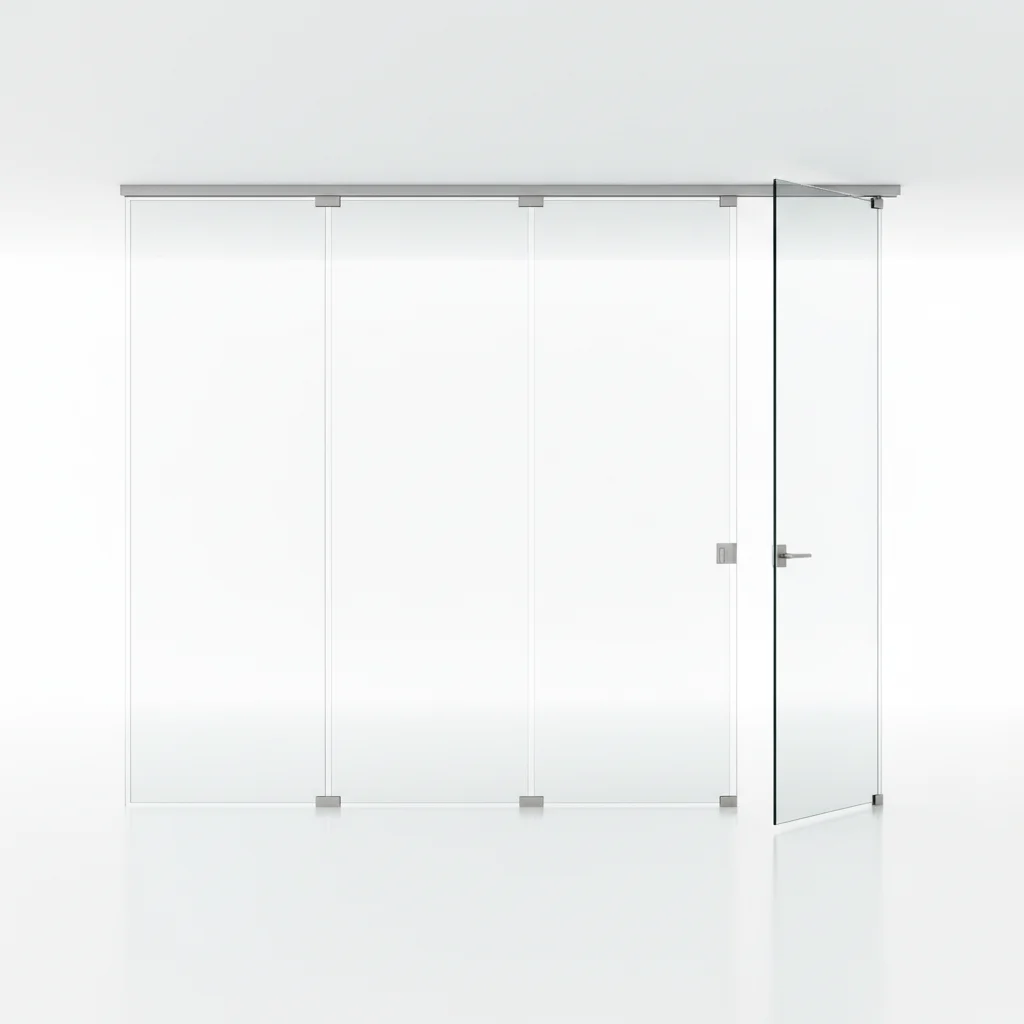
One specific local factor to keep in mind is the community rules, or "comunidad de propietarios." While many Jalón residents live in independent villas where they have more freedom, those in grouped developments must ensure that the glass system doesn't alter the architectural aesthetic of the building. Frameless systems are almost always approved because they are virtually invisible from a distance. Another technical point I always emphasize to my neighbors here is the choice between top-hung and bottom-weighted systems. In many older villas built in the early 2000s, the lintels or pergolas over the terrace may not have been engineered to hold the weight of twenty 10mm glass panels hanging from them. In these cases, a bottom-weighted system, where the glass glides on a floor track, is the only safe and professional way to proceed.
Maintaining these systems in the valley is relatively straightforward thanks to the lower humidity. I advise residents to keep the lower tracks free of the fine dust that can blow in from the almond groves, especially during the dry summer months. A simple silicone-based lubricant on the rollers once every six months is usually all it takes to keep the panels sliding smoothly. Unlike the properties right on the water in Dénia, you won't need to wash the salt film off the glass every week, though a quick clean after the "lluvia de barro" (mud rain) that occasionally hits the region will be necessary.
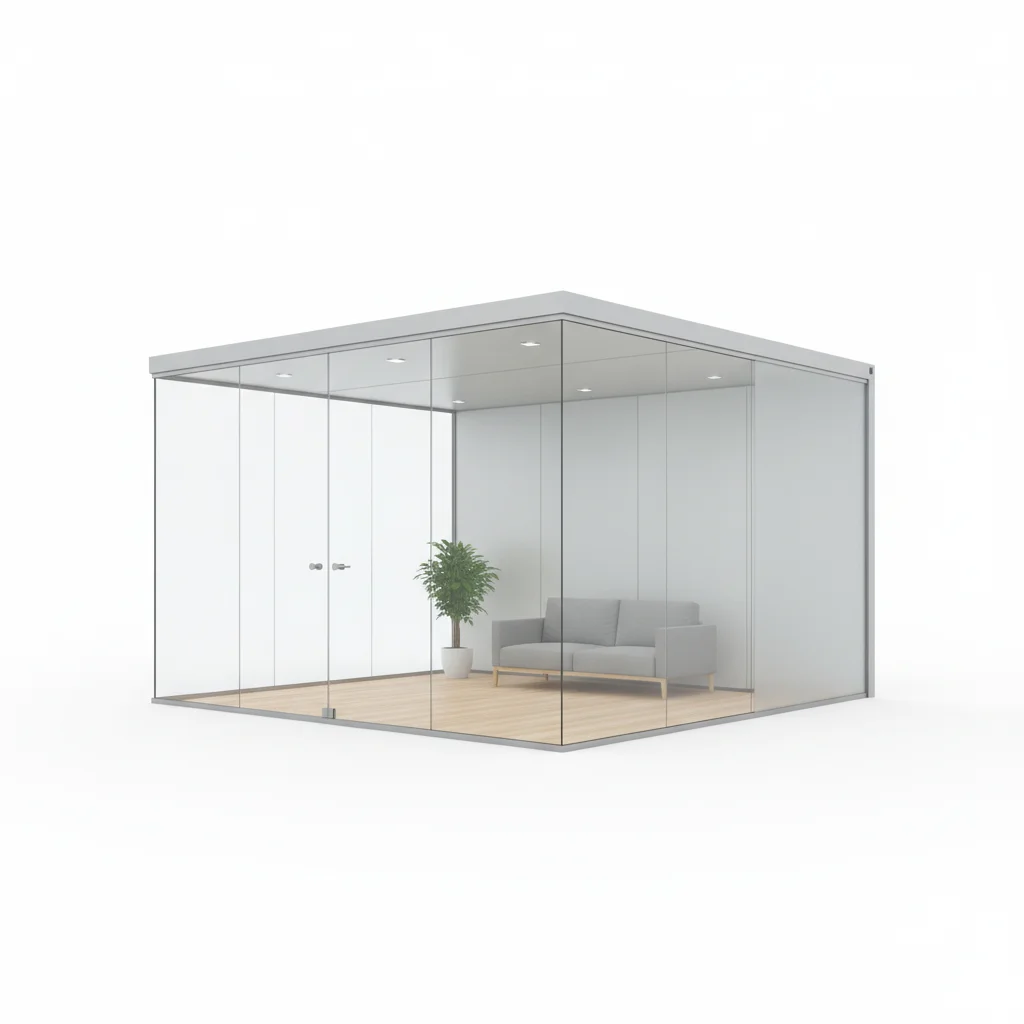
For the luxury villas perched on the higher slopes of the valley, I almost always recommend a full glass room configuration that integrates with an existing roof or a new bioclimatic pergola. If you have an 80 m² terrace, covering the entire space might be overkill, but creating a 30 m² "winter garden" corner allows for a seamless transition. For these larger villas, a configuration using 12mm glass with a "slide and turn" mechanism is ideal. This allows you to stack all the glass panels against one wall, completely opening the space during the height of summer. When the October rains arrive, you simply slide them shut, and you have a protected dining room. This setup, combined with a fixed pergola or an automated awning, provides total control over the intense Spanish sun.
For the smaller townhouses or apartments closer to the center of the village, the approach is different. These spaces often have smaller balconies where every square centimeter counts. In these instances, I suggest a more compact glass curtain system that uses a lower profile track to avoid a trip hazard. A 4-meter balcony can be enclosed for roughly €3,500, creating a quiet, thermal-insulated nook that buffers the home against the noise of the Saturday market and the cooler winter nights. By adding a simple vertical awning to the exterior of the glass, you can also manage the heat gain during the mid-afternoon, which is essential if your terrace faces west toward the setting sun.
I often see people trying to choose between glass curtains and a traditional sunroom. In the Jalón context, the glass curtain is almost always superior because it maintains the "outdoor" status of the terrace. This keeps the space airy and prevents it from becoming a "hothouse" in July. Furthermore, many residents here have invested heavily in outdoor kitchens and BBQ areas. Glass rooms are the perfect companion for these setups; you can keep the glass closed while you prep food to stay out of the wind, then open one or two panels to provide ventilation while the grill is running. This integration of the kitchen and the terrace is a hallmark of the Dutch and British living styles that have shaped the modern valley aesthetic.
Our team is deeply familiar with the logistical realities of working in this region. We regularly deliver and install in Jalón and the surrounding towns like Pedreguer, Benissa, and Ondara. We know that many of the access roads leading to hillside villas are narrow and winding—the CV-720 is a beautiful drive, but it requires specific planning for transporting large, heavy sheets of toughened glass. We don't just show up with a truck; we scout the access points to ensure we can get the materials to your terrace safely and efficiently. Whether your property is tucked away near the old town or sits high up with a view of the Mediterranean in the distance, we understand the terrain.
Living here since 2019 has taught me that local knowledge is about more than just knowing the roads; it is about understanding how the light hits the valley in November and how the mountain breeze changes direction in the evening. This local insight allows us to advise you on which side of your terrace needs the most protection and where you can afford to keep things open. We have helped hundreds of families turn their underutilized terraces into their favorite rooms in the house. If you are considering an upgrade to your outdoor space, I am happy to visit your property for a free consultation. We can look at your terrace dimensions, check the structural integrity of your current roof or pergola, and provide a detailed quote that reflects the specific needs of a home in the Jalón Valley. There is no substitute for an on-site assessment by someone who knows these hills and understands the unique requirements of our international community.
 JW'"
/>
JW'"
/>