Why Expats in Dénia Love Outdoor Cooking
Dénia’s UNESCO Creative City of Gastronomy status, thriving marina district, and 36.5% expat population make it the culinary capital of the Costa Blanca — and a natural home for serious outdoor kitchens.
In 2015, UNESCO designated Dénia a Creative City of Gastronomy — the only town on the Costa Blanca to hold that distinction — and that culinary DNA runs through everything, including how expats approach outdoor cooking. With 42,000 residents and a large international community, Dénia attracts people genuinely passionate about what they eat and how they cook it.
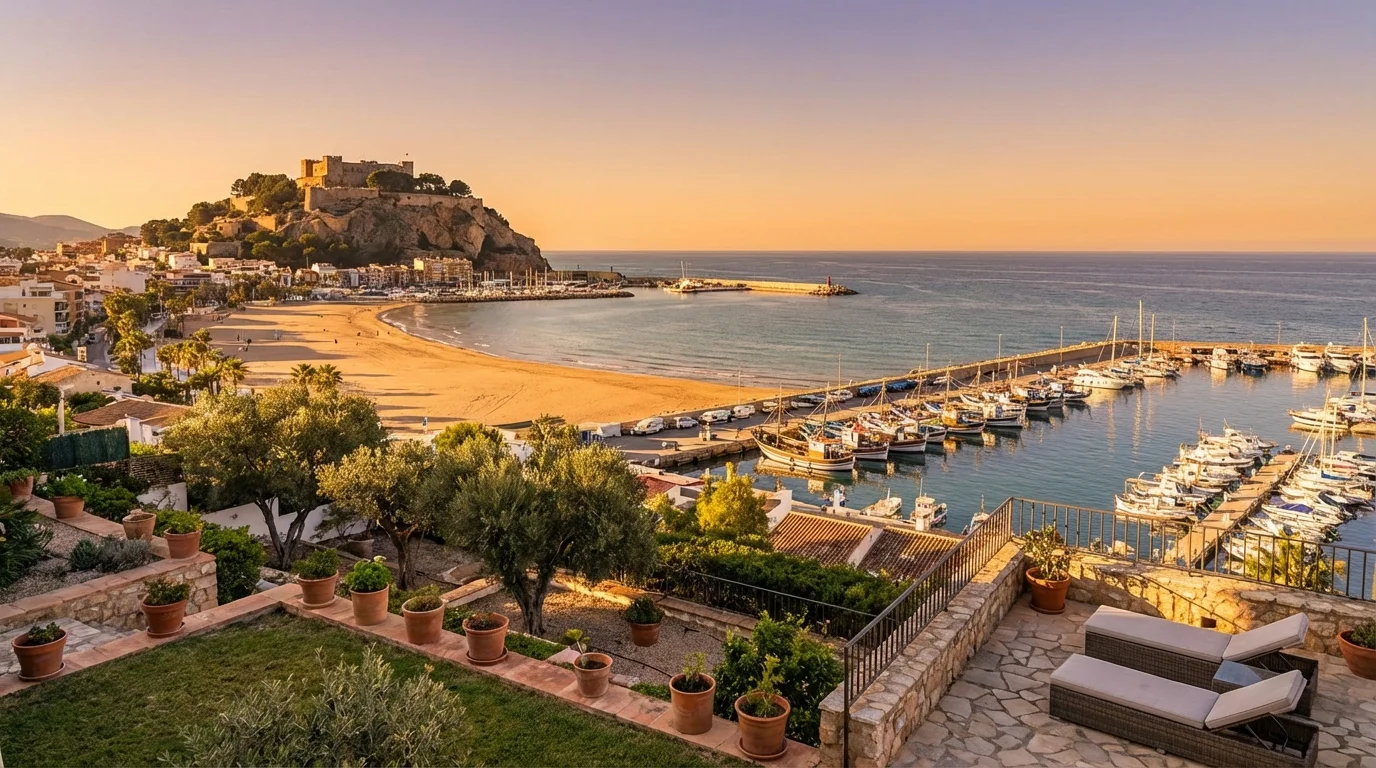
The town sprawls from the historic Castle of Dénia through the sandy Les Marines beaches to the rocky coves of Las Rotas. Behind it, the Montgó Natural Park creates a sheltered microclimate that makes outdoor cooking comfortable from late February through November.
Many residents chose Dénia for its restaurant scene — Michelin-starred Quique Dacosta put the town on the international map — and they bring that same culinary ambition home.
Answer capsule: Dénia’s UNESCO gastronomy status and food-literate expat community drive demand for high-performance outdoor cooking equipment including kamado grills, gas BBQs, and wood-fired pizza ovens.
Your Dénia Outdoor Kitchen Setup
From Les Marines beachfront apartments to countryside fincas near Montgó, Dénia offers the widest range of outdoor cooking environments on the northern Costa Blanca.
Along the Les Marines strip, modern apartments and semi-detached villas offer terraces of 15–30m² — enough for a gas BBQ and a standalone kamado side by side, or a single premium piece with a built-in prep area.
In the streets below the Castle and near the port, traditional townhouses feature interior courtyards and rooftop terraces. These sheltered, private spaces are uniquely rewarding for outdoor cooking. A compact pizza oven on a Dénia rooftop terrace, with the Castle walls lit above you at night, is a genuinely special setup.
The highest-value opportunities lie in the countryside properties between town and the Montgó. Fincas here often have 100m²+ outdoor areas with rustic barbecue structures dating back decades. Costa Blanca Outdoors recommends modernising these with contemporary appliances while preserving the original stone and brickwork — the blend of old Valencian craftsmanship and modern grilling technology is something we are particularly proud of delivering in Dénia.
Answer capsule: Dénia properties include Les Marines apartments for compact setups, Castle-district townhouses with atmospheric rooftop terraces, and Montgó fincas with expansive outdoor kitchen potential.
Gas, Charcoal, or Wood-Fired? Choosing Right for Dénia
In a UNESCO City of Gastronomy, fuel choice is about flavour first — and Dénia’s food-savvy expats increasingly choose wood and charcoal alongside gas for authentic results.
While gas BBQs remain practical for the Les Marines apartment community, a notably higher proportion of Dénia customers invest in wood-fired and charcoal cooking compared to other towns. The reason is flavour ambition.
Almond, orange, and olive wood from orchards between Dénia, Ondara, and Pedreguer is abundant and affordable. Several Dénia restaurants cook over wood or charcoal, and their influence filters directly into what homeowners want. If you have eaten a wood-grilled lubina at a Las Rotas beach restaurant, you understand why our Dénia customers ask about charcoal grills more often than gas.
Kamado grills occupy a sweet spot for food-focused residents. The ability to smoke, grill, roast, and bake at precise temperatures appeals to cooks who think about technique, not just convenience. Costa Blanca Outdoors recommends the Kamado Joe Big Joe III for Dénia customers who entertain frequently — its 61cm cooking surface handles a whole leg of lamb or six pizzas in rotation, matching the generous hospitality Dénia is known for.
Answer capsule: Dénia’s food-literate expats favour charcoal and wood-fired cooking for flavour authenticity, with kamado grills offering the temperature precision that serious home cooks demand.
Delivery & Setup in Dénia
Dénia is our northernmost major delivery hub, with excellent AP-7 access and regular routes covering the town centre, Les Marines, Las Rotas, and surrounding areas.
As the largest town in our northern zone, Dénia receives frequent scheduled deliveries. The AP-7 and N-332 both feed directly into town, making logistics reliable even for oversized items like masonry pizza ovens.
Las Rotas properties along the winding coastal road occasionally require smaller vehicles due to narrow access and gated communities. Our team knows these roads and plans accordingly — if access is tricky, we arrange a site visit beforehand.
For larger projects, our Dénia-area tradespeople handle gas lines, drainage, electrical hookups, and custom stonework while we supply and install the cooking equipment. This coordinated approach is especially valuable for finca renovations near Montgó.
We deliver on the same routes to nearby Jávea, Ondara, and Pedreguer. Standard in-stock delivery is 5–10 working days.
Maximising Outdoor Comfort in Dénia: The Science of Shade
Living on this particular stretch of the Costa Blanca since 2019 has taught me that shade is not a luxury accessory but a fundamental piece of infrastructure for any home. In a town where we enjoy over three hundred days of sunshine, the transition from the interior of a villa to the terrace should be seamless, yet many residents find their outdoor spaces unusable between the hours of one and five in the afternoon. Dénia presents a unique set of architectural and climatic conditions that dictate exactly which type of shade solution will survive more than a single season. With a local population where over a third are international residents—predominantly from the UK, Germany, and the Netherlands—we see a sophisticated approach to outdoor living. These homeowners, often investing in properties averaging the three hundred thousand euro mark, understand that a terrace measuring forty to eighty square metres requires a professional-grade solution to handle the Spanish summer.
The geography of our town plays a massive role in how you should select your equipment. Properties nestled on the slopes of the Montgó Natural Park face different challenges compared to the front-line villas along Les Marines or the rocky elevations of Las Rotas. While the mountain provides a magnificent backdrop and a degree of protection from the harshest southern winds, it also creates its own microclimate. The heat can become trapped against the rock face, making high-quality UV-resistant fabrics essential. Meanwhile, if you are closer to the Castle of Dénia or the port, you deal with a moderate coastal breeze that is refreshing for the skin but punishing for a poorly weighted parasol. I have seen countless lightweight umbrellas from local hardware stores end up in a neighbour’s pool or, worse, shattered against a glass sliding door because the owner underestimated the sudden gusts that roll off the Mediterranean.
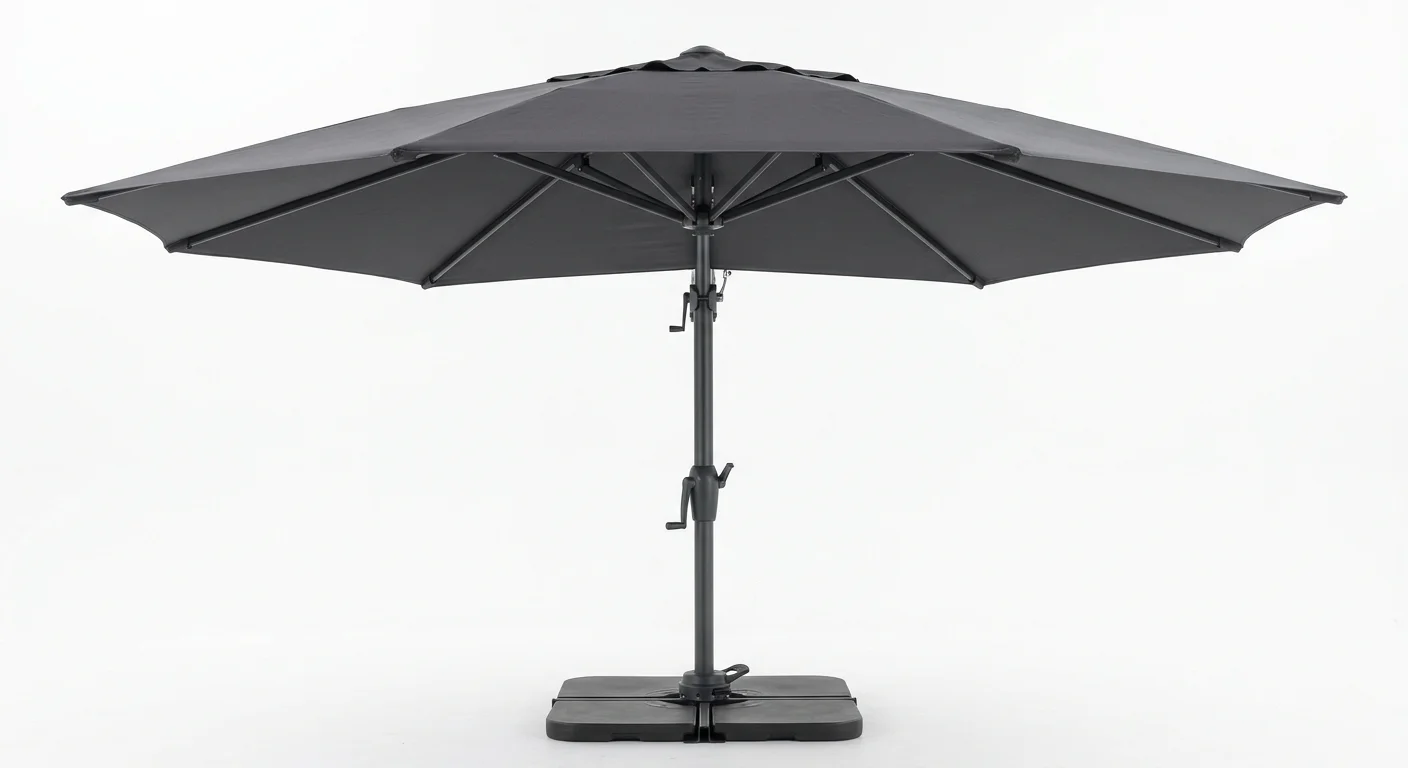
Whether you are hosting a large family lunch or looking for a quiet corner to read near your private pool, the choice between a cantilever parasol and a fixed shade sail usually comes down to how you use your terrace. The British community here tends to favour the versatility of large side-post parasols that can rotate three hundred and sixty degrees, allowing the shade to follow the sun as it tracks over the mountain. Conversely, our German and Dutch clients often lean towards the minimalist, architectural lines of tensioned shade sails, which complement the modern, white-walled villa designs prevalent in newer developments. Regardless of your aesthetic preference, the goal remains the same: creating a climate-controlled outdoor room that extends your living square footage without the need for permanent, costly construction.
Engineering Shade for the Montgó Microclimate
When we talk about parasols and shade sails in this specific part of the coast, we have to address the elephant in the room: salt air and wind. If you live in Las Rotas or along the Les Marines stretch, the salt content in the air is significantly higher than just five kilometres inland in Pedreguer or Ondara. This salt is abrasive and corrosive. For a parasol to last here, it must feature an anodised aluminium frame or high-grade powder coating. Standard steel frames will begin to show rust spots within six months of a Dénia winter. I generally recommend looking at cantilever models in the eight hundred to twelve hundred euro price bracket. At this level, you aren't just paying for the name; you are paying for stainless steel fittings and solution-dyed acrylic fabrics like Sunbrella or Spuncrylic. These materials are saturated with colour all the way through the fibre, meaning the intense Spanish sun won't fade your deep grey or navy canopy to a dusty lavender within two seasons.
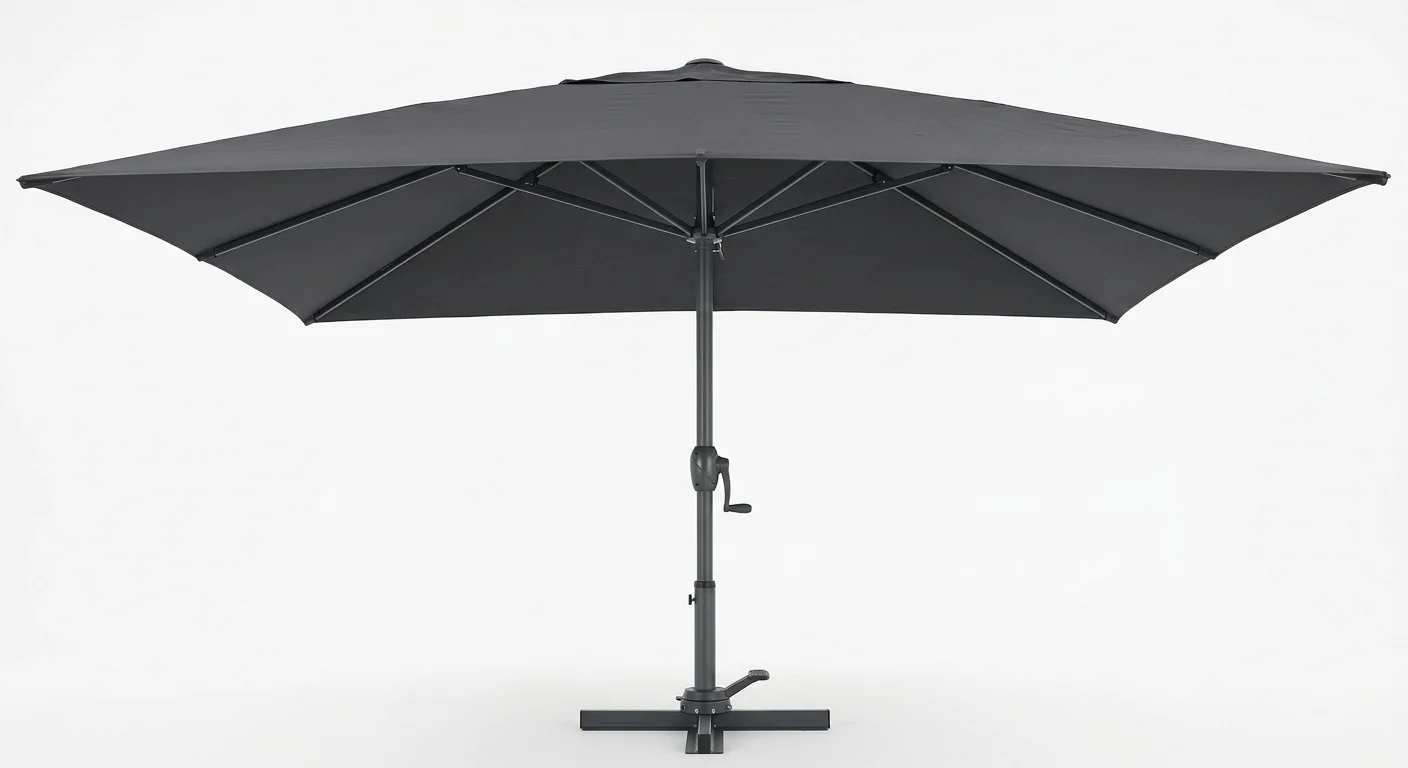
Wind management is the second technical hurdle. Because Dénia is somewhat sheltered by the Montgó, we don't get the relentless pounding winds of the southern provinces, but we do get thermal shifts. As the land heats up, the air rises and pulls in the cooler sea breeze. A 3x3 metre parasol acts like a giant sail. If you are opting for a cantilever model, the base is the most critical component. A standard plastic base filled with water is rarely enough for a luxury villa terrace. We typically install granite or heavy concrete slab bases weighing between ninety and one hundred and twenty kilograms. For those with larger terraces of sixty square metres or more, a ground-anchor system—where the parasol is bolted directly into the concrete sub-floor of the terrace—is the gold standard. It provides a clean look without a massive base taking up foot room and offers the highest safety rating during a sudden "Llebeig" wind.
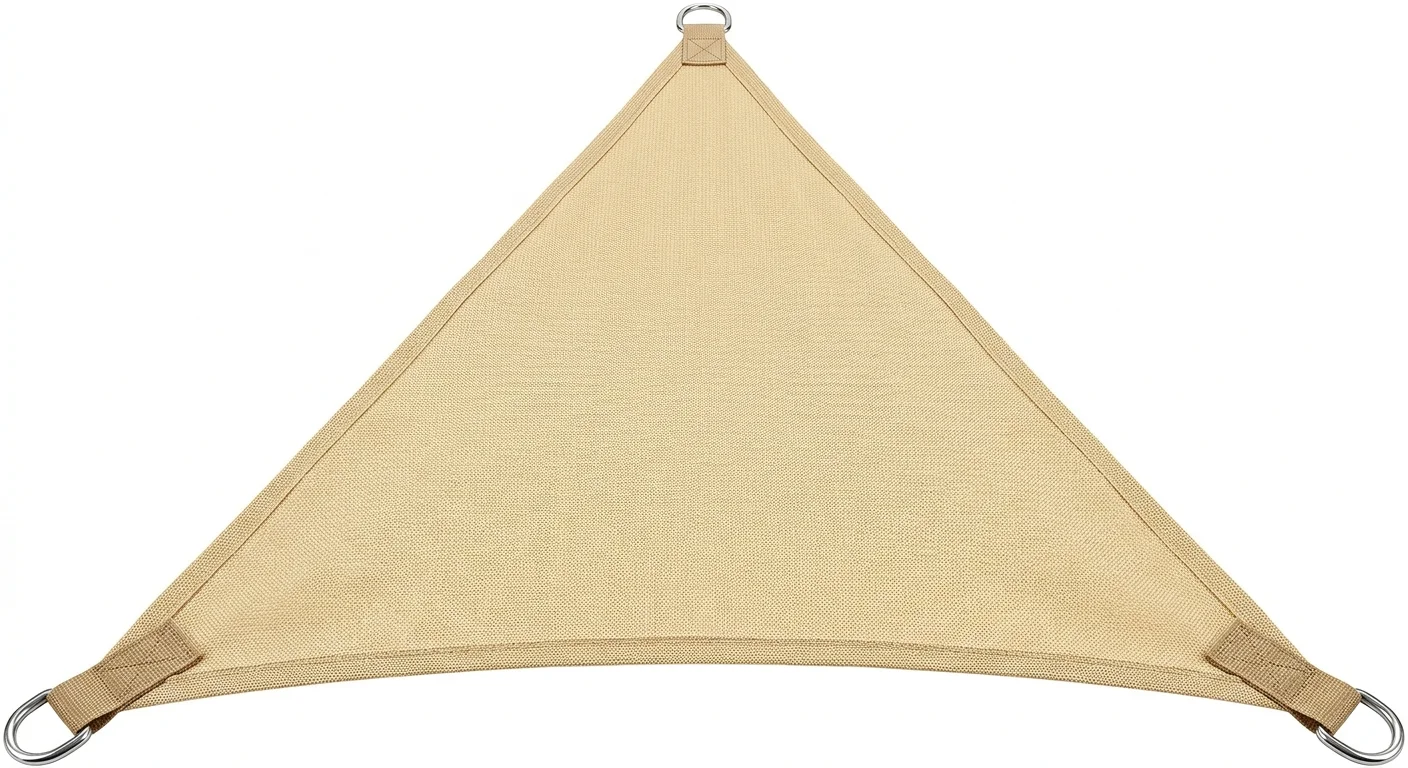
Shade sails offer a different set of considerations, particularly regarding the "Comunidad de Propietarios" or community of owners. If you live in an apartment complex near the port or a townhouse in a gated community, you must be aware of the rules regarding permanent fixtures. Shade sails often require stainless steel eyelets to be drilled into the facade of the building. In many Dénia communities, this requires a majority vote or adherence to a specific colour palette—usually neutral tones like sand, beige, or anthracite. A high-quality, commercial-grade shade sail with a perimeter wire can cost anywhere from four hundred to fifteen hundred euros depending on the size and the complexity of the mounting points. The advantage here is the "cool-through" effect; unlike a solid roof, the knitted polyethylene fabric allows hot air to rise through the material, dropping the temperature underneath by up to ten degrees Celsius compared to direct sunlight.
Tailored Shade Configurations for Dénia Properties
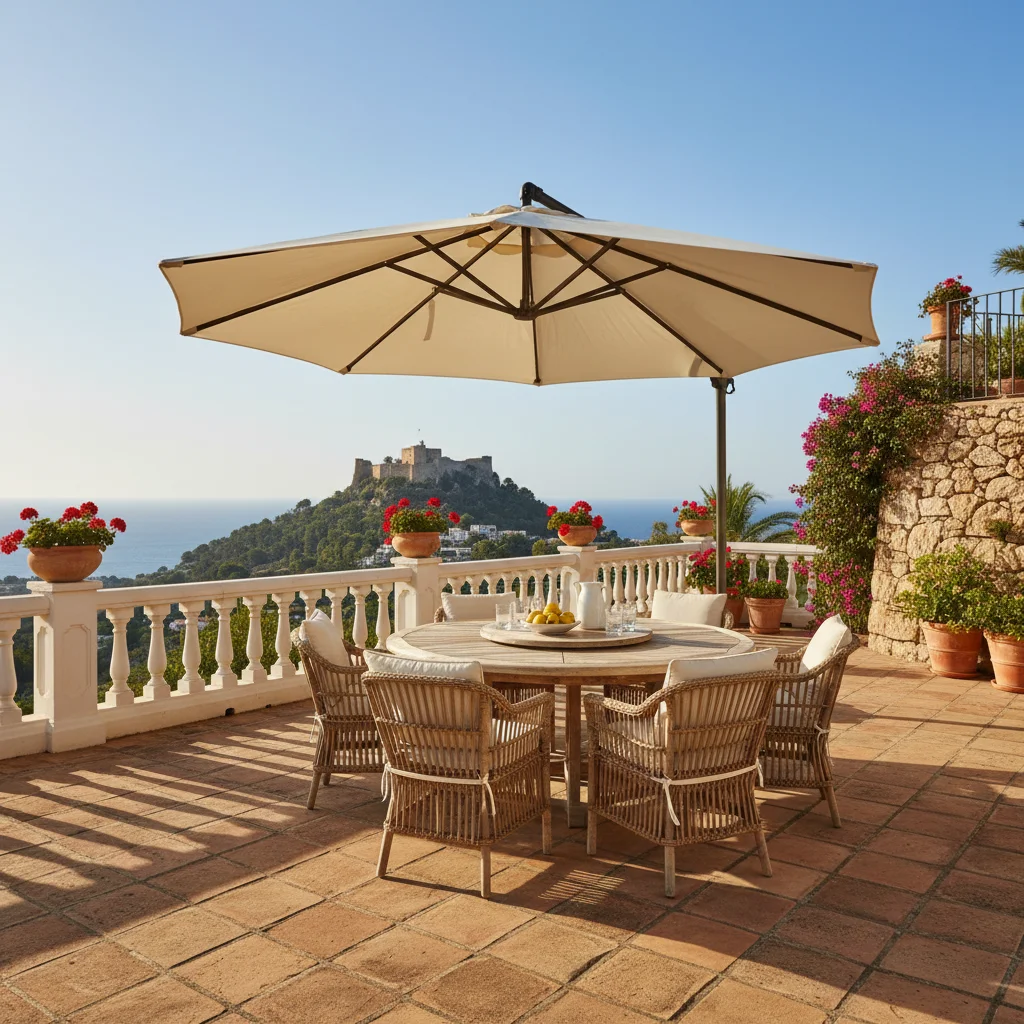
The architectural variety in our area means a one-size-fits-all approach never works. If you own one of the luxury hillside villas with a sprawling eighty-square-metre terrace and a sea view, your shade needs to be as expansive as your outlook. In these settings, I often recommend a multi-layered approach. A large four-metre octagonal cantilever parasol, priced around nine hundred and fifty euros, works perfectly over a set of sun loungers by the pool. The ability to tilt the canopy vertically is a game-changer here, as it can block the low-angled evening sun that reflects off the water, which is a common issue for west-facing properties on the lower slopes of the mountain. This setup pairs exceptionally well with a modern rattan lounge set, as the shade protects the synthetic weave from UV degradation, significantly extending the life of your furniture.
For those living in the more compact townhouses or apartments within walking distance of the Castle, space is at a premium. A massive cantilever might dominate the entire balcony. Instead, I suggest a high-quality market umbrella with a central pole. A three-metre round model with a pulley system and a heavy granite base can be found for approximately three hundred to five hundred euros. This provides enough coverage for a four-seater dining set without obstructing the walkway. It is also much easier to take down and store inside during the winter months or when you are away. Many of my clients in the town centre also use these in conjunction with existing awnings to create a "double layer" of protection, which is particularly useful for south-facing balconies that absorb heat all day long.
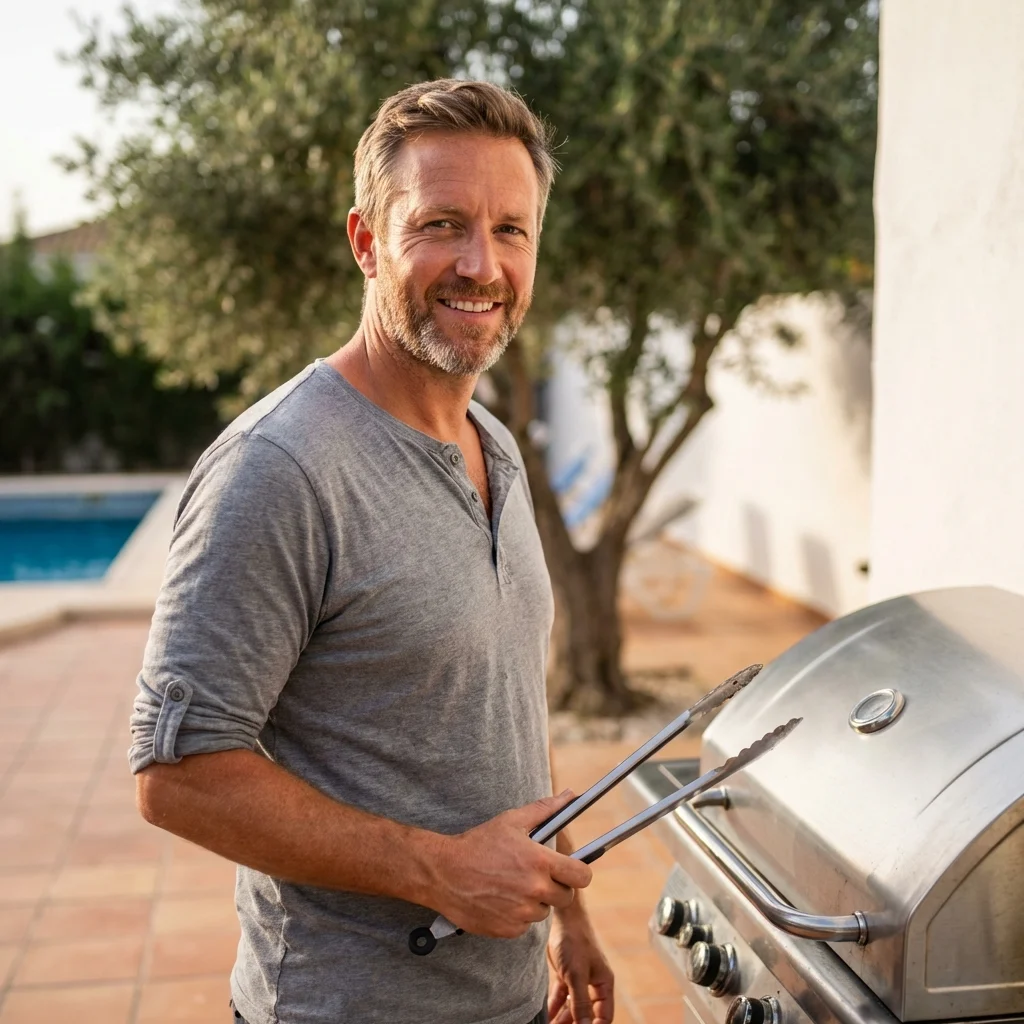
When we look at the interaction between different outdoor elements, shade is the glue that holds the space together. If you have invested in a high-end outdoor kitchen—a trend very popular with our British and Dutch residents who love to entertain—you cannot expect to stand over a hot grill in forty-degree heat without overhead protection. A strategically placed shade sail over the cooking area, separate from the dining area parasol, creates distinct "zones" on your terrace. This professional layout makes a forty-square-metre space feel much larger and more organised. It also protects your outdoor appliances and dining sets from the sticky pine resin or dust that occasionally blows in from the Montgó Natural Park.
Local Logistics and Expert Implementation
Getting a three-metre-long parasol box or a heavy granite base to a villa in Dénia is not always straightforward. Having spent years navigating these roads, I know that the winding, narrow tracks leading up towards the higher elevations of the Montgó can be a challenge for standard delivery vans. We regularly deliver to all corners of the town, as well as the neighbouring areas of Javea, Ondara, and Pedreguer. We understand that access to a property in the historic centre near the port requires different logistics than a modern villa in Jalon. When we deliver, we aren't just dropping a box at the gate; we understand the local building styles. We know that many older terraces have thin tiles over a hollow sub-floor, which requires specific fixings if you are bolting equipment down.
Our knowledge of the local wind patterns also means we can advise on the best orientation for your shade. For instance, if your property is in a "corridor" between buildings where the wind accelerates, we might suggest a double-vented canopy that allows air to escape through the top, preventing the parasol from lifting. We also take into account the lower humidity levels we enjoy here compared to the southern Costa Blanca. This lower humidity means that as soon as you are in the shade, the perceived temperature drops instantly, making a high-quality parasol one of the most effective investments you can make for your comfort.
If you are unsure whether a cantilever parasol will fit your terrace or if a shade sail is even possible given your wall construction, I am always happy to provide a free consultation. We have helped over two hundred families across the region, from the flat sandy stretches of Les Marines to the steep cliffs of Las Rotas, to reclaim their outdoor spaces. We bring the equipment, the heavy bases, and the local experience to ensure that once your shade is installed, you don't have to worry about the next "Poniente" wind or the fading power of the July sun. Whether you are looking for a simple two-hundred-euro balcony solution or a full two-thousand-euro integrated shade system, we ensure it is suited to the specific demands of our unique coastal environment. Don't let your terrace become a no-go zone this summer; with the right technical choice, you can enjoy the Dénia outdoor lifestyle at any hour of the day.
 JW'"
/>
JW'"
/>