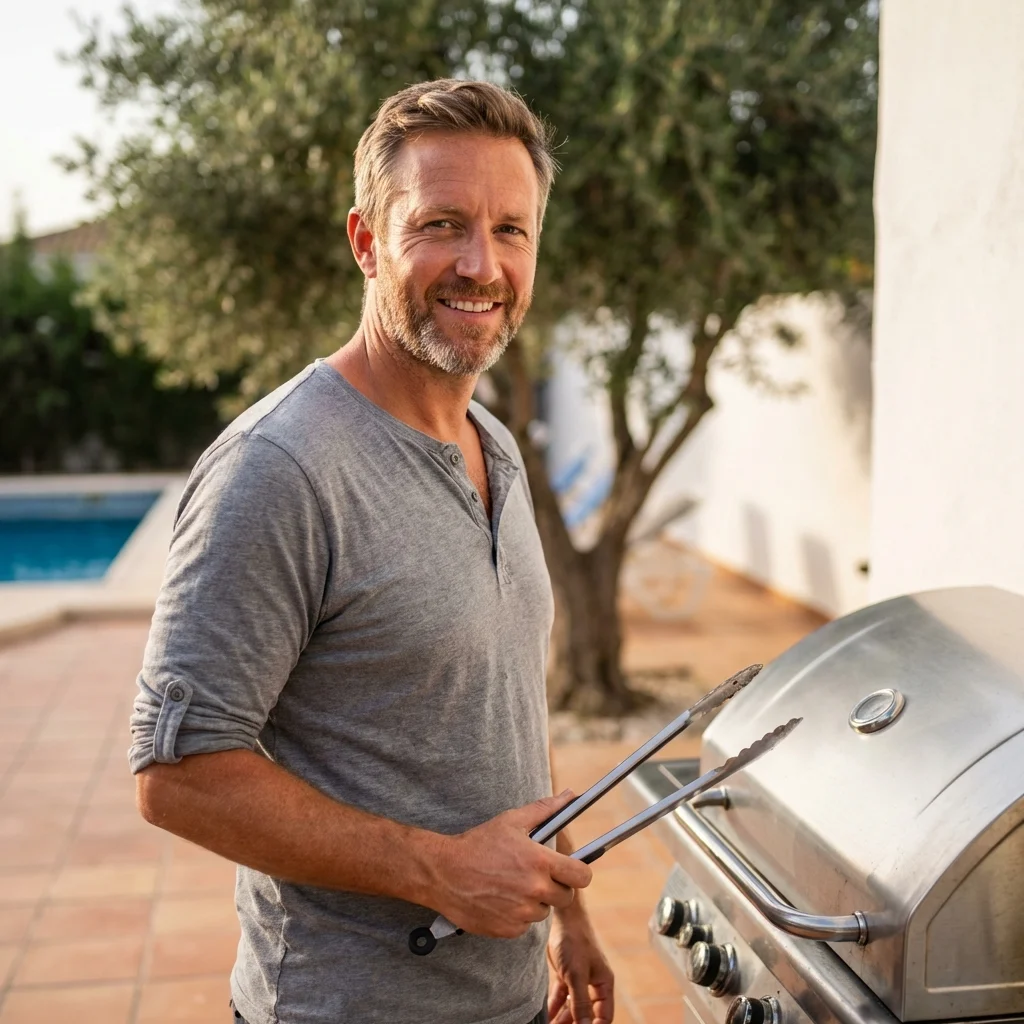
Why Expats in Dénia Love Outdoor Cooking
Dénia’s UNESCO Creative City of Gastronomy status, thriving marina district, and 36.5% expat population make it the culinary capital of the Costa Blanca — and a natural home for serious outdoor kitchens.
In 2015, UNESCO designated Dénia a Creative City of Gastronomy — the only town on the Costa Blanca to hold that distinction — and that culinary DNA runs through everything, including how expats approach outdoor cooking. With 42,000 residents and a large international community, Dénia attracts people genuinely passionate about what they eat and how they cook it.
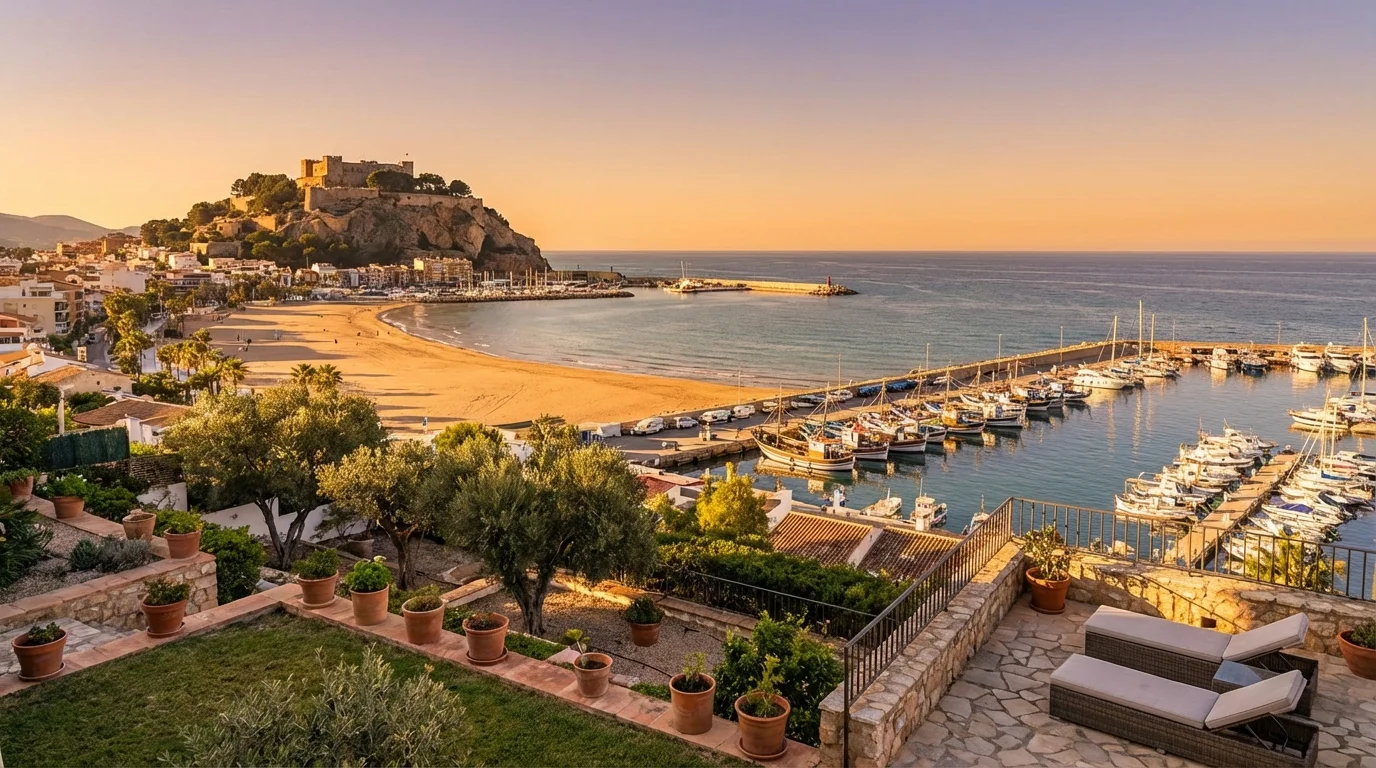
The town sprawls from the historic Castle of Dénia through the sandy Les Marines beaches to the rocky coves of Las Rotas. Behind it, the Montgó Natural Park creates a sheltered microclimate that makes outdoor cooking comfortable from late February through November.
Many residents chose Dénia for its restaurant scene — Michelin-starred Quique Dacosta put the town on the international map — and they bring that same culinary ambition home.
Answer capsule: Dénia’s UNESCO gastronomy status and food-literate expat community drive demand for high-performance outdoor cooking equipment including kamado grills, gas BBQs, and wood-fired pizza ovens.
Your Dénia Outdoor Kitchen Setup
From Les Marines beachfront apartments to countryside fincas near Montgó, Dénia offers the widest range of outdoor cooking environments on the northern Costa Blanca.
Along the Les Marines strip, modern apartments and semi-detached villas offer terraces of 15–30m² — enough for a gas BBQ and a standalone kamado side by side, or a single premium piece with a built-in prep area.
In the streets below the Castle and near the port, traditional townhouses feature interior courtyards and rooftop terraces. These sheltered, private spaces are uniquely rewarding for outdoor cooking. A compact pizza oven on a Dénia rooftop terrace, with the Castle walls lit above you at night, is a genuinely special setup.
The highest-value opportunities lie in the countryside properties between town and the Montgó. Fincas here often have 100m²+ outdoor areas with rustic barbecue structures dating back decades. Costa Blanca Outdoors recommends modernising these with contemporary appliances while preserving the original stone and brickwork — the blend of old Valencian craftsmanship and modern grilling technology is something we are particularly proud of delivering in Dénia.
Answer capsule: Dénia properties include Les Marines apartments for compact setups, Castle-district townhouses with atmospheric rooftop terraces, and Montgó fincas with expansive outdoor kitchen potential.
Gas, Charcoal, or Wood-Fired? Choosing Right for Dénia
In a UNESCO City of Gastronomy, fuel choice is about flavour first — and Dénia’s food-savvy expats increasingly choose wood and charcoal alongside gas for authentic results.
While gas BBQs remain practical for the Les Marines apartment community, a notably higher proportion of Dénia customers invest in wood-fired and charcoal cooking compared to other towns. The reason is flavour ambition.
Almond, orange, and olive wood from orchards between Dénia, Ondara, and Pedreguer is abundant and affordable. Several Dénia restaurants cook over wood or charcoal, and their influence filters directly into what homeowners want. If you have eaten a wood-grilled lubina at a Las Rotas beach restaurant, you understand why our Dénia customers ask about charcoal grills more often than gas.
Kamado grills occupy a sweet spot for food-focused residents. The ability to smoke, grill, roast, and bake at precise temperatures appeals to cooks who think about technique, not just convenience. Costa Blanca Outdoors recommends the Kamado Joe Big Joe III for Dénia customers who entertain frequently — its 61cm cooking surface handles a whole leg of lamb or six pizzas in rotation, matching the generous hospitality Dénia is known for.
Answer capsule: Dénia’s food-literate expats favour charcoal and wood-fired cooking for flavour authenticity, with kamado grills offering the temperature precision that serious home cooks demand.
Delivery & Setup in Dénia
Dénia is our northernmost major delivery hub, with excellent AP-7 access and regular routes covering the town centre, Les Marines, Las Rotas, and surrounding areas.
As the largest town in our northern zone, Dénia receives frequent scheduled deliveries. The AP-7 and N-332 both feed directly into town, making logistics reliable even for oversized items like masonry pizza ovens.
Las Rotas properties along the winding coastal road occasionally require smaller vehicles due to narrow access and gated communities. Our team knows these roads and plans accordingly — if access is tricky, we arrange a site visit beforehand.
For larger projects, our Dénia-area tradespeople handle gas lines, drainage, electrical hookups, and custom stonework while we supply and install the cooking equipment. This coordinated approach is especially valuable for finca renovations near Montgó.
We deliver on the same routes to nearby Jávea, Ondara, and Pedreguer. Standard in-stock delivery is 5–10 working days.
Securing Privacy and Durability in Dénia Outdoor Spaces
Living on the northern edge of the Costa Blanca offers a lifestyle that is distinct from the high-rise intensity of the south. In this corner of Spain, outdoor living is defined by the massive presence of the Montgó and a coastline that transitions from the sandy stretches of Les Marines to the rocky coves of Las Rotas. With an international population making up over 36 percent of the local residents—predominantly British, German, and Dutch—the demand for high-quality garden fencing and privacy screens has evolved. We see a specific preference for clean lines and low-maintenance materials that complement the luxury villas dotting the hillsides. These properties often feature expansive terraces ranging from 40 to 80 square meters, where the goal is to create a secluded sanctuary without sacrificing the sea views or the mountain backdrop. The culture here revolves around the outdoor kitchen and the pool deck, meaning your boundaries are not just about security; they are the literal frame of your daily life. When you are hosting a Sunday lunch on a terrace overlooking the Mediterranean, the last thing you want is the feeling of being overlooked by a neighboring plot.
The architectural landscape here is a mix of traditional Mediterranean and sleek modernism. In the older areas near the Castle, plots are often tighter, making vertical privacy screens an absolute necessity to reclaim your space from the street level. As you move toward the sprawling villas of the surrounding countryside, the challenge shifts toward securing large perimeters against the elements while maintaining a high-end aesthetic. The Dutch and German communities, in particular, often bring a northern European sensibility to their gardens, favoring structured, durable screening that looks as good in ten years as it does on the day of installation. For a property valued at the local average of 300,000 euros or significantly more in the prime sectors, a cheap reed fence simply will not suffice. It degrades under the intense UV exposure and looks weathered within a single season. Residents here look for solutions that reflect the value of their investment, opting for materials that can withstand the unique environmental pressures of this specific microclimate.
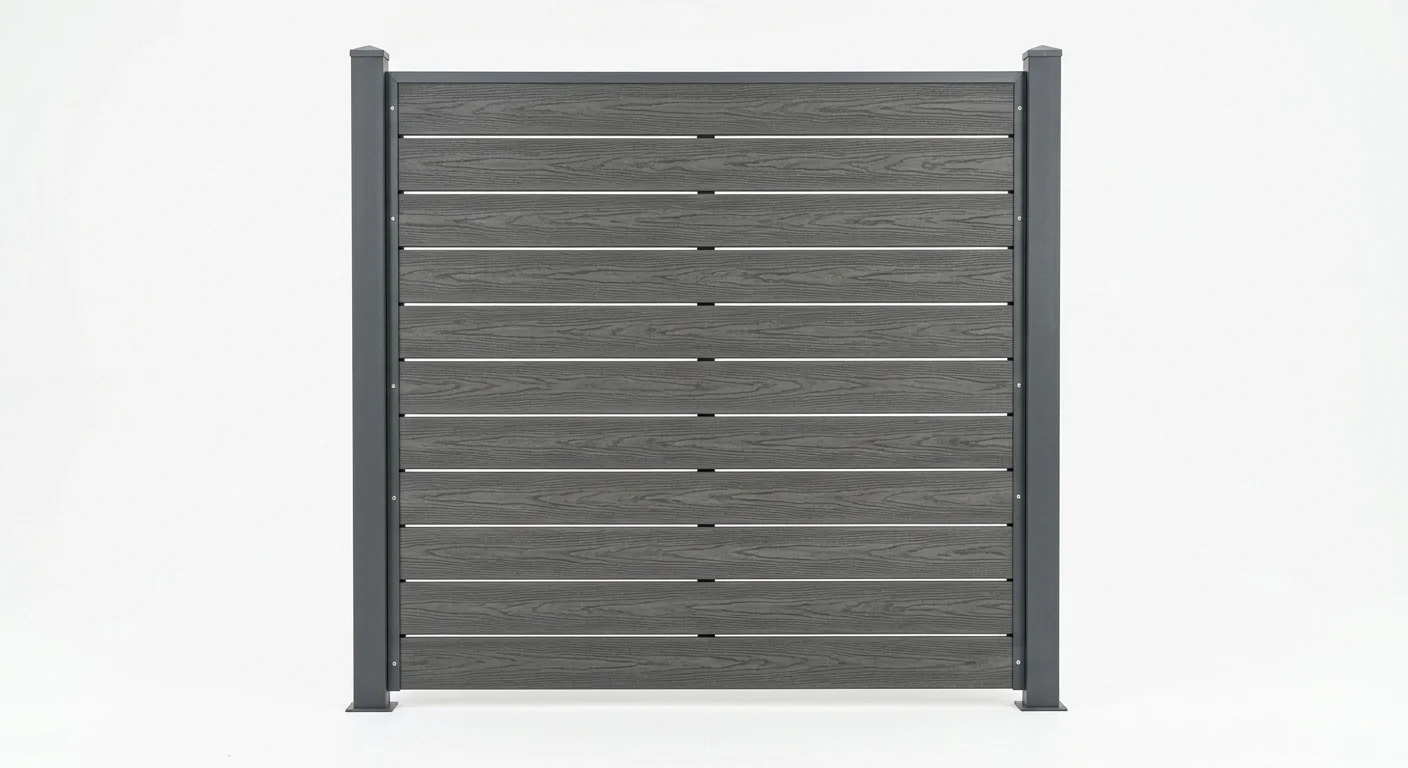
When selecting fencing or screening for a home in this region, you must account for the Montgó-style mountain protection. This massive stone landmark acts as a thermal regulator and a wind shield, creating a sheltered microclimate that is generally less humid than the southern parts of the province. However, the moderate coastal breeze still carries salt, particularly if your property is located within two kilometers of the shoreline. This salt air is a silent killer for inferior metal products. I have seen countless "budget" iron fences in the local area succumb to rust within twenty-four months. For this reason, I almost exclusively recommend powder-coated aluminium slat fencing or high-grade composite panels. Aluminium is naturally resistant to corrosion and allows for a sleek, contemporary look that fits the modern villa aesthetic. A high-quality aluminium slat system typically ranges from 300 to 450 euros per linear meter, depending on the height and the complexity of the anchoring system required.
Community rules, or the norms of the local comunidad de propietarios, are another critical factor that I often discuss with homeowners. In many urbanisations across the northern Costa Blanca, there are strict regulations regarding the height and color of external boundaries to ensure visual harmony. Before you commit to a 2-meter high solid composite wall, it is vital to check the statutes of your specific community. Often, a "semi-private" screen—one that uses horizontal slats with small gaps—is the perfect compromise. It provides the visual barrier you need for your pool area while satisfying the community’s requirement for airflow and aesthetic transparency. Furthermore, the lower humidity here compared to places like Orihuela Costa means that natural bamboo and high-end timber can last longer, provided they are treated correctly. However, most of my clients eventually opt for composite materials because they do not require the annual sanding and oiling that real wood demands in the Spanish sun.
Installation in this part of Spain presents unique geological challenges. If you are building on the slopes of the Montgó, you are likely dealing with solid limestone just a few centimeters below the topsoil. This requires specialized diamond-core drilling to secure fence posts effectively. Simply digging a hole and pouring concrete is rarely enough for a long-term installation, especially when you consider the "Garbí" wind that can pick up in the afternoons. A privacy screen acts like a sail; if it is not anchored into the bedrock or a substantial retaining wall, the structural integrity will be compromised during the first heavy autumn storm. For those living in the flatter areas of Les Marines, the soil is sandier, which requires deeper, wider footings to prevent the fence from leaning over time. I always suggest a professional site survey to determine the exact drilling equipment needed, as this can impact the overall installation cost, which generally falls between 1,200 and 5,000 euros for a complete residential project.
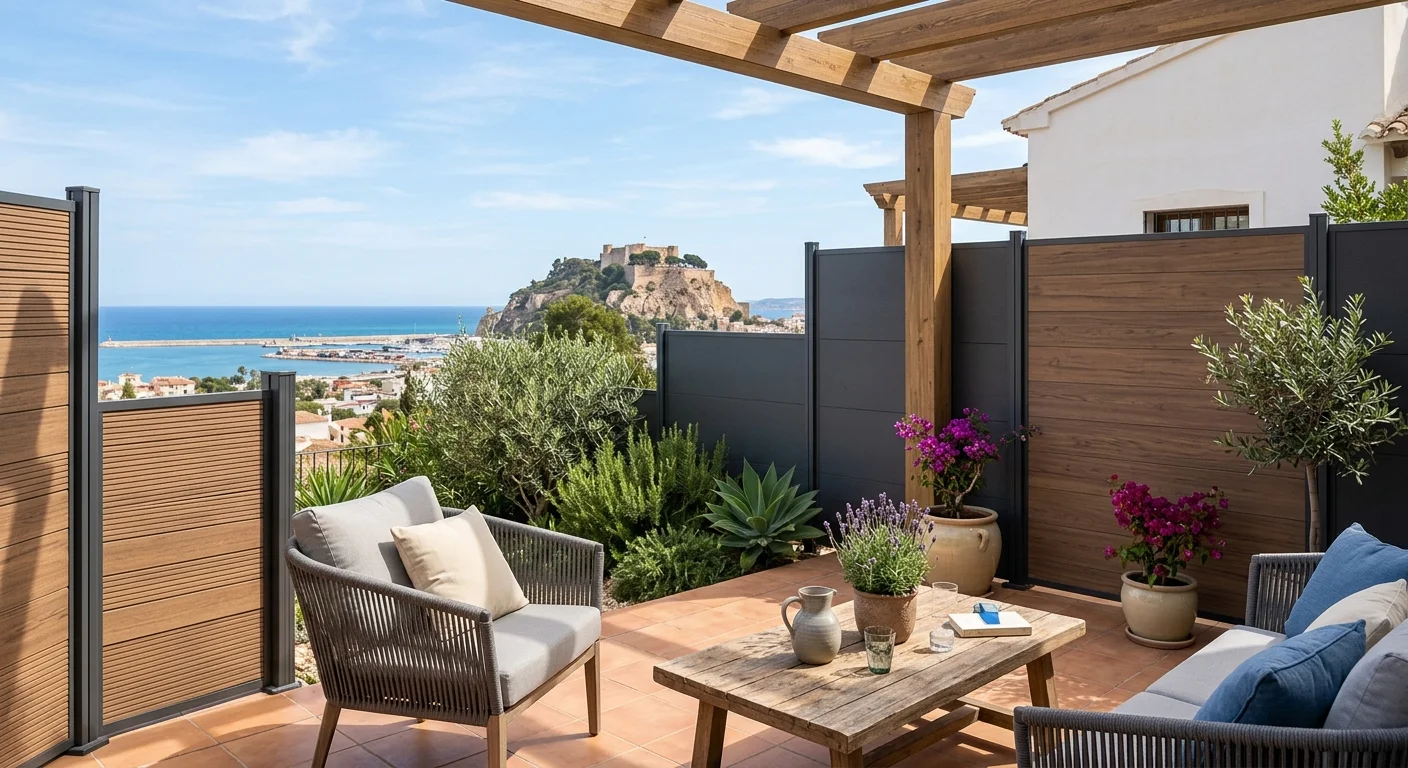
For the luxury villas common in Las Rotas or the higher elevations of the local hills, I recommend a tiered approach to privacy. On the main perimeter, a solid or near-solid composite fencing system provides the primary security and visual block. We often use 1.8-meter high panels in a charcoal or silver-grey finish. These colors do not fade significantly under the intense UV radiation we experience from June through September. On the inner terraces, closer to the 40-80 square meter pool areas, I suggest integrating privacy screens with other elements like artificial grass or glass curtains. For example, if you have installed glass curtains to enclose a naya for winter use, a strategic aluminium screen placed outside can prevent the "goldfish bowl" effect while still allowing light to filter through. This combination creates a sophisticated, multi-layered outdoor room that feels private but not enclosed.
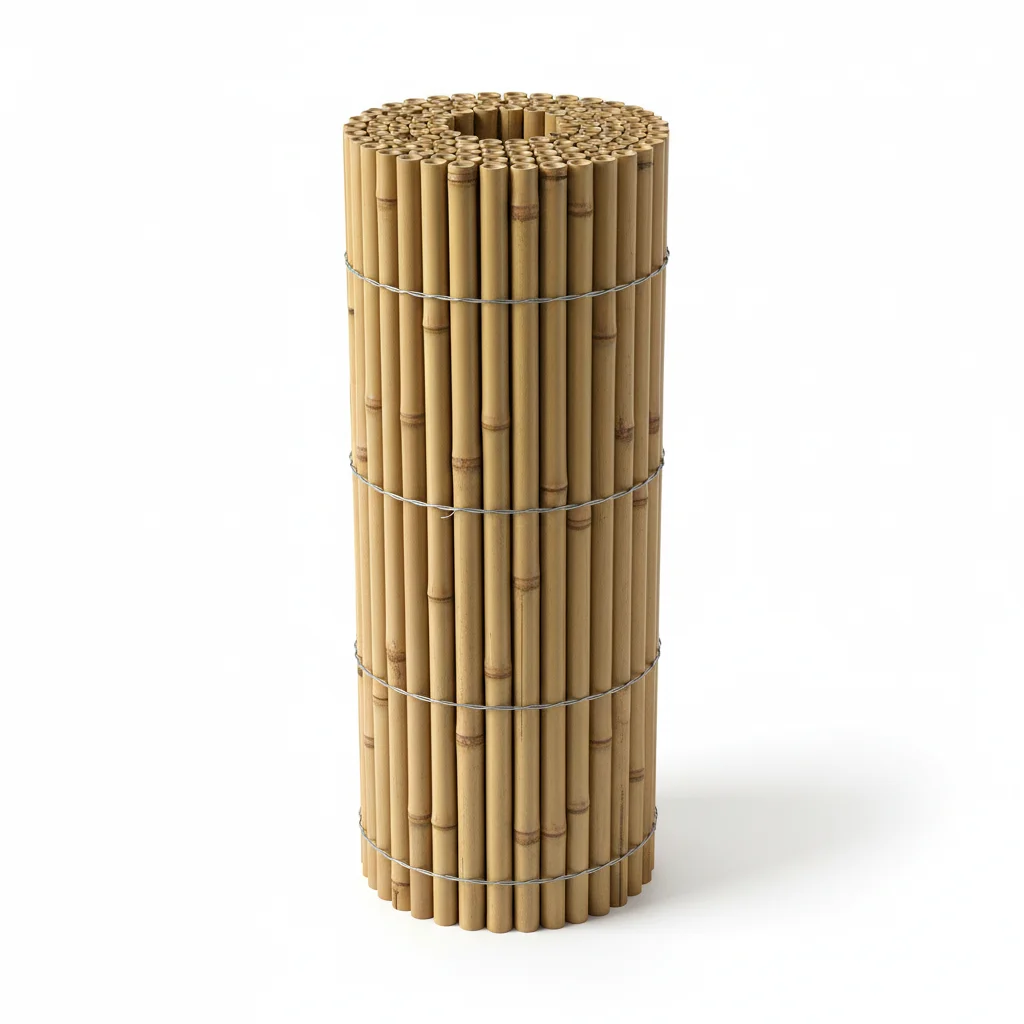
For apartment residents or those with smaller townhouses, space is at a premium. Here, the goal is often to screen off a specific view or a neighboring balcony. In these cases, we frequently use heavy-duty synthetic bamboo or vertical aluminium louvers. These materials are lightweight enough for balcony railings but durable enough to handle the direct sun. A 3-meter section of premium synthetic screening can cost around 300 to 600 euros and provides an instant transformation. It turns a communal-feeling terrace into a private retreat where you can enjoy your morning coffee in peace. If you are also looking at artificial grass for your terrace—a very popular choice in this area to soften the hard stone floors—the green of the grass against a dark grey or natural wood-look screen creates a lush, high-end environment that requires virtually zero water or maintenance. This is a significant consideration given the occasional water restrictions in the peak of summer.
The integration of privacy screens with glass curtains is a trend I have seen grow significantly since 2019. Many homeowners want to use their terraces year-round. When the glass curtains are closed in the cooler months of January and February, the privacy screens outside provide a sense of enclosure and coziness. In the summer, when the glass is retracted, the screens still perform their primary function of blocking the line of sight from the street or neighboring plots. We often coordinate the colors of the fencing frames with the frames of the glass curtains to provide a seamless architectural look. This level of detail is what separates a standard DIY job from a professional installation that adds genuine value to a property.
Our service area extends beyond the immediate town center to include the neighboring municipalities of Javea, Ondara, Pedreguer, and the Jalon Valley. Each of these areas has its own quirks. In Javea, the wind patterns can be more aggressive, requiring even sturdier fixings. In the Jalon Valley, the climate is slightly more continental, with colder winters that can cause some cheaper plastics to become brittle and crack; hence our insistence on UV-stabilized, high-density materials. When we deliver and install in the older parts of the region, we are well-versed in the logistics of narrow access roads where a standard delivery truck might struggle. We manage the entire process, from the initial measurements to the final cleanup, ensuring that the installation does not disrupt your neighborhood.
Knowing the local geography is essential for a successful project. For instance, properties located on the "umbría" (shaded side) of the mountain will have different moisture levels than those on the "solana" (sunny side). This affects how materials like natural bamboo or wood-composite will behave over time. We take these micro-environmental factors into account when advising you on the best material for your specific plot. We don't believe in a one-size-fits-all solution; a fence on the windy frontline of the beach requires a different engineering approach than a decorative screen in a sheltered courtyard near the town hall.
If you are considering upgrading your outdoor boundaries or creating a more private terrace environment, I invite you to reach out for a conversation. We can discuss the specific dimensions of your space, the prevailing wind directions on your plot, and the requirements of your community of owners. Whether you are looking for a simple balcony screen to block a neighbor’s view or a full perimeter fence for a new villa, we provide the local expertise and high-quality materials required for the Costa Blanca climate. I am happy to visit your property to provide a detailed assessment and a transparent quote, ensuring that your outdoor space becomes the private sanctuary it was meant to be. Our goal is to provide a solution that is as enduring as the Montgó itself, allowing you to enjoy the best of Mediterranean living with total peace of mind.
 JW'"
/>
JW'"
/>