Why Expats in Dénia Love Outdoor Cooking
Dénia’s UNESCO Creative City of Gastronomy status, thriving marina district, and 36.5% expat population make it the culinary capital of the Costa Blanca — and a natural home for serious outdoor kitchens.
In 2015, UNESCO designated Dénia a Creative City of Gastronomy — the only town on the Costa Blanca to hold that distinction — and that culinary DNA runs through everything, including how expats approach outdoor cooking. With 42,000 residents and a large international community, Dénia attracts people genuinely passionate about what they eat and how they cook it.
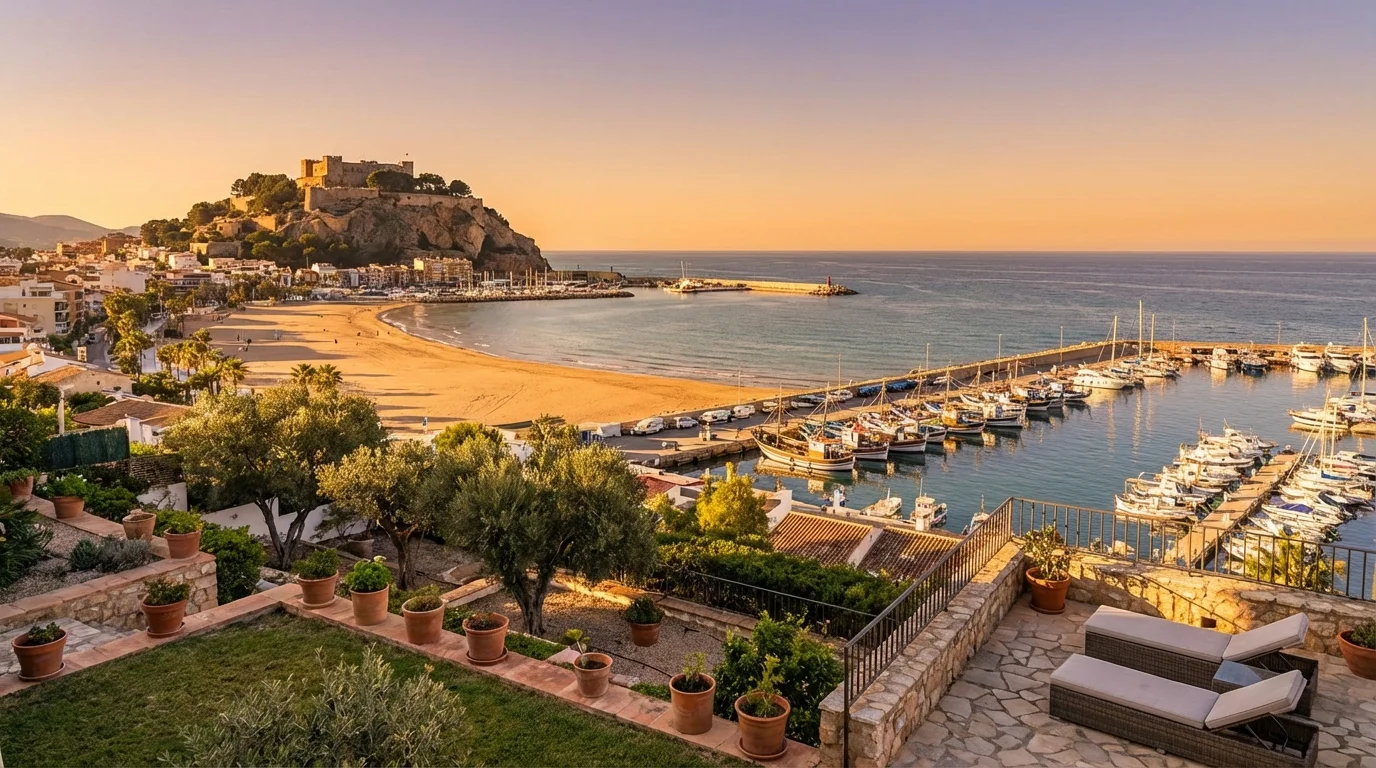
The town sprawls from the historic Castle of Dénia through the sandy Les Marines beaches to the rocky coves of Las Rotas. Behind it, the Montgó Natural Park creates a sheltered microclimate that makes outdoor cooking comfortable from late February through November.
Many residents chose Dénia for its restaurant scene — Michelin-starred Quique Dacosta put the town on the international map — and they bring that same culinary ambition home.
Answer capsule: Dénia’s UNESCO gastronomy status and food-literate expat community drive demand for high-performance outdoor cooking equipment including kamado grills, gas BBQs, and wood-fired pizza ovens.
Your Dénia Outdoor Kitchen Setup
From Les Marines beachfront apartments to countryside fincas near Montgó, Dénia offers the widest range of outdoor cooking environments on the northern Costa Blanca.
Along the Les Marines strip, modern apartments and semi-detached villas offer terraces of 15–30m² — enough for a gas BBQ and a standalone kamado side by side, or a single premium piece with a built-in prep area.
In the streets below the Castle and near the port, traditional townhouses feature interior courtyards and rooftop terraces. These sheltered, private spaces are uniquely rewarding for outdoor cooking. A compact pizza oven on a Dénia rooftop terrace, with the Castle walls lit above you at night, is a genuinely special setup.
The highest-value opportunities lie in the countryside properties between town and the Montgó. Fincas here often have 100m²+ outdoor areas with rustic barbecue structures dating back decades. Costa Blanca Outdoors recommends modernising these with contemporary appliances while preserving the original stone and brickwork — the blend of old Valencian craftsmanship and modern grilling technology is something we are particularly proud of delivering in Dénia.
Answer capsule: Dénia properties include Les Marines apartments for compact setups, Castle-district townhouses with atmospheric rooftop terraces, and Montgó fincas with expansive outdoor kitchen potential.
Gas, Charcoal, or Wood-Fired? Choosing Right for Dénia
In a UNESCO City of Gastronomy, fuel choice is about flavour first — and Dénia’s food-savvy expats increasingly choose wood and charcoal alongside gas for authentic results.
While gas BBQs remain practical for the Les Marines apartment community, a notably higher proportion of Dénia customers invest in wood-fired and charcoal cooking compared to other towns. The reason is flavour ambition.
Almond, orange, and olive wood from orchards between Dénia, Ondara, and Pedreguer is abundant and affordable. Several Dénia restaurants cook over wood or charcoal, and their influence filters directly into what homeowners want. If you have eaten a wood-grilled lubina at a Las Rotas beach restaurant, you understand why our Dénia customers ask about charcoal grills more often than gas.
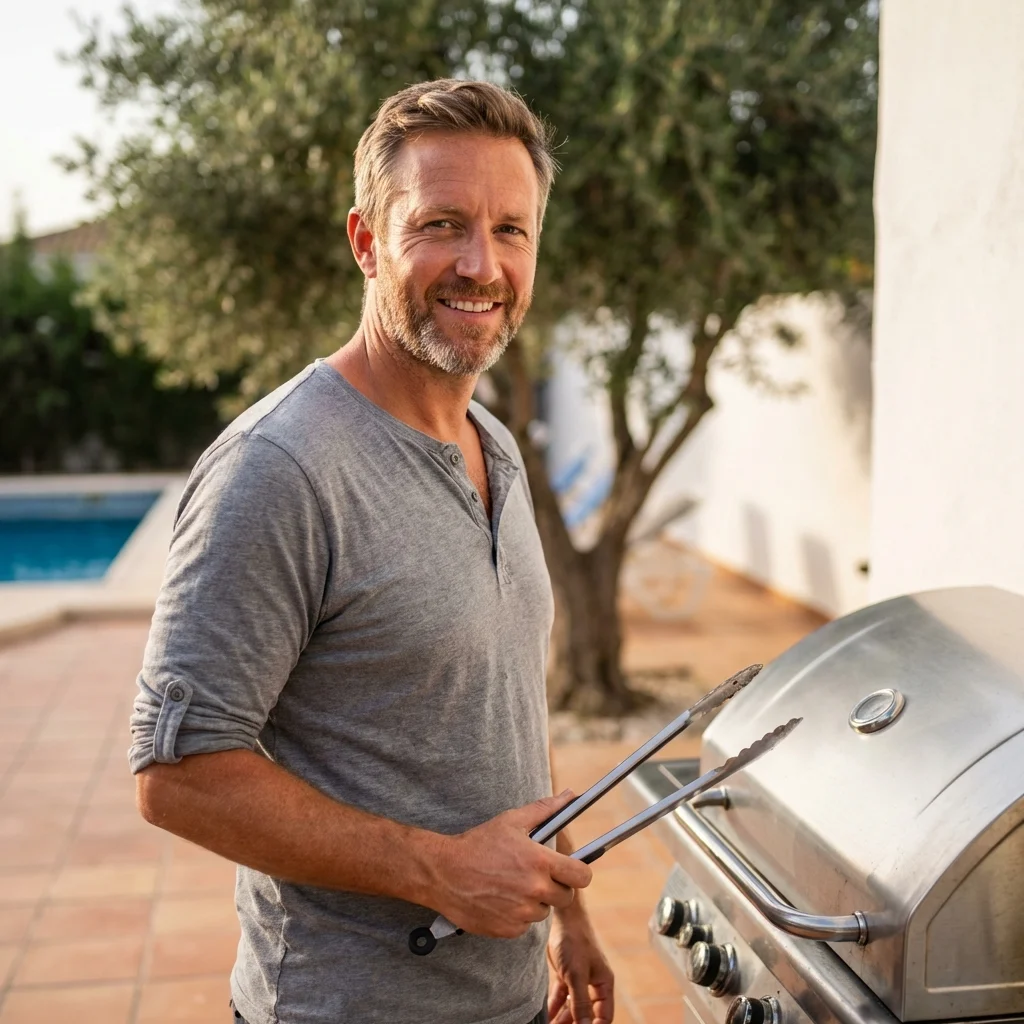
Kamado grills occupy a sweet spot for food-focused residents. The ability to smoke, grill, roast, and bake at precise temperatures appeals to cooks who think about technique, not just convenience. Costa Blanca Outdoors recommends the Kamado Joe Big Joe III for Dénia customers who entertain frequently — its 61cm cooking surface handles a whole leg of lamb or six pizzas in rotation, matching the generous hospitality Dénia is known for.
Answer capsule: Dénia’s food-literate expats favour charcoal and wood-fired cooking for flavour authenticity, with kamado grills offering the temperature precision that serious home cooks demand.
Delivery & Setup in Dénia
Dénia is our northernmost major delivery hub, with excellent AP-7 access and regular routes covering the town centre, Les Marines, Las Rotas, and surrounding areas.
As the largest town in our northern zone, Dénia receives frequent scheduled deliveries. The AP-7 and N-332 both feed directly into town, making logistics reliable even for oversized items like masonry pizza ovens.
Las Rotas properties along the winding coastal road occasionally require smaller vehicles due to narrow access and gated communities. Our team knows these roads and plans accordingly — if access is tricky, we arrange a site visit beforehand.
For larger projects, our Dénia-area tradespeople handle gas lines, drainage, electrical hookups, and custom stonework while we supply and install the cooking equipment. This coordinated approach is especially valuable for finca renovations near Montgó.
We deliver on the same routes to nearby Jávea, Ondara, and Pedreguer. Standard in-stock delivery is 5–10 working days.
The Reality of Outdoor Comfort on the Dénia Coastline
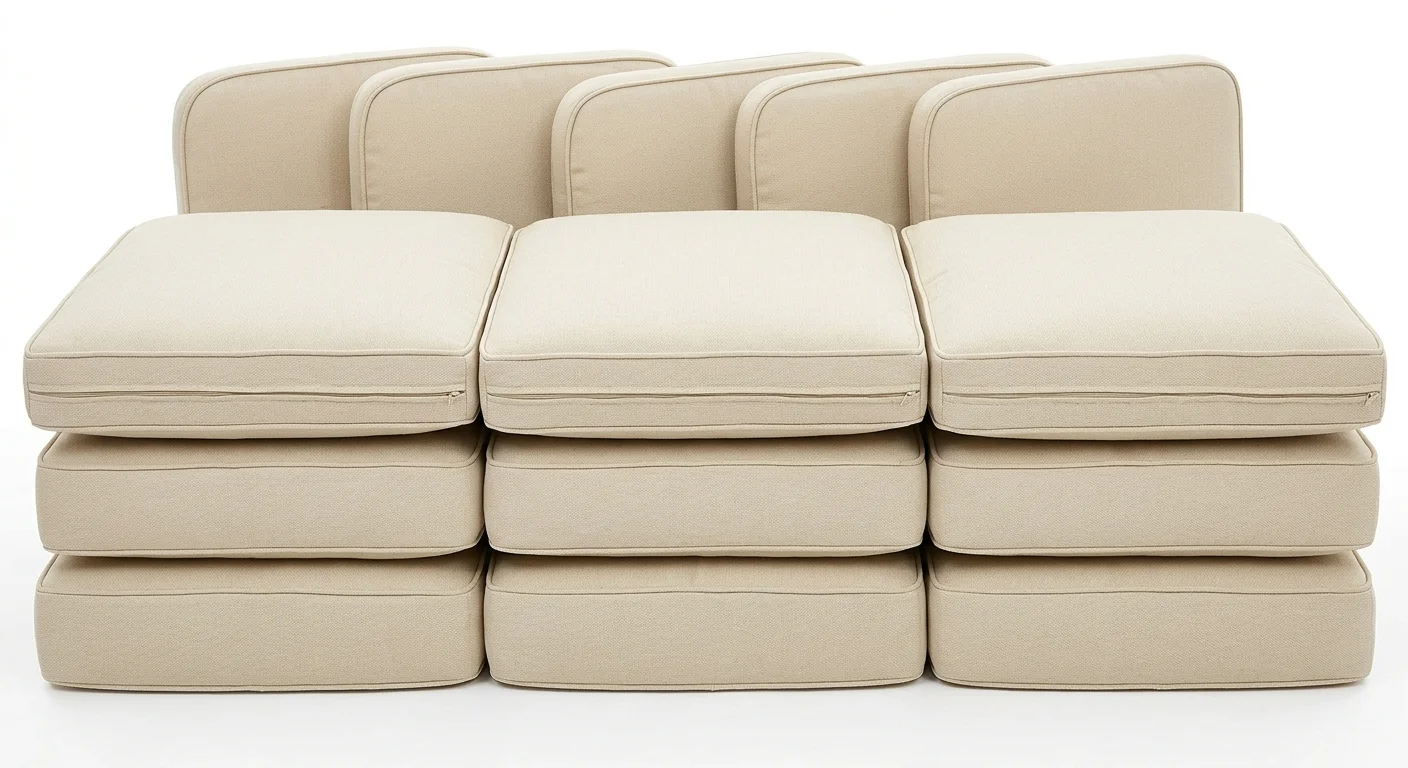
Living in Dénia offers a specific lifestyle that centers almost entirely around the terrace. Whether your home sits on the slopes of the Montgó Natural Park or overlooks the long sandy stretches of Les Marines, the outdoor area is effectively your primary living room for ten months of the year. In my time helping over 200 families across the Costa Blanca, I have observed that while the furniture provides the structure, it is the textiles—the cushions, throw pillows, and high-performance fabrics—that actually dictate how much time you spend outside. The international community here, which makes up over 36 percent of our 42,000 residents, brings a diverse range of aesthetic preferences, from the clean minimalism favored by Dutch and German expats to the classic, comfortable English garden style. However, regardless of the look you prefer, the environmental challenges of our local microclimate remain the same.
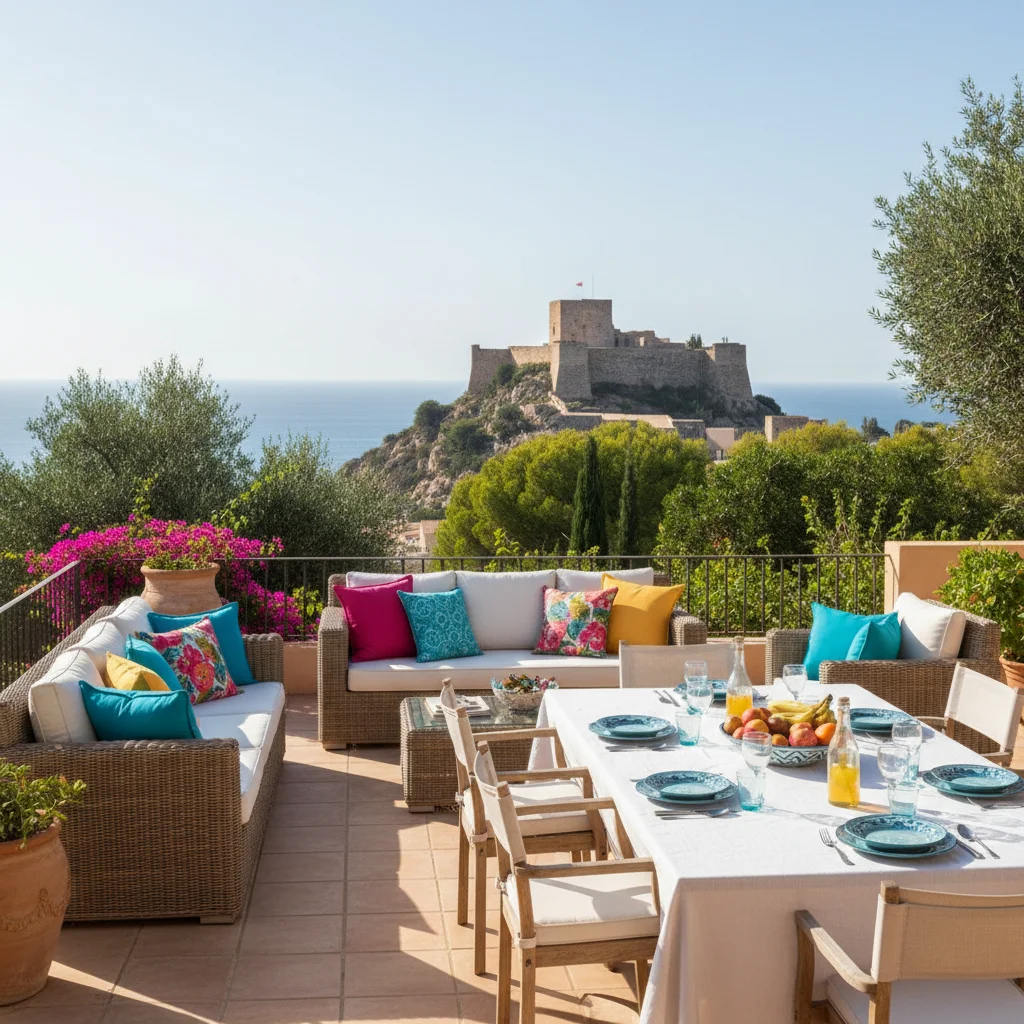
The average property price in this area sits around EUR 300,000, but many of the luxury hillside villas we service feature expansive terraces between 40 and 80 square meters. These large footprints require a thoughtful approach to textiles. If you have a sprawling terrace with a view of the Castle of Dénia, a few lonely chairs won't suffice. You need to create zones. The British and Northern European residents who have moved here since 2019 often struggle initially with the sheer intensity of the Spanish sun. Textiles are the solution to that "hard" feeling of a stone or tiled terrace. By integrating premium outdoor cushions and weather-resistant fabrics, you soften the environment, improve acoustics by dampening the echo against villa walls, and create a space that feels like an extension of the interior.
Technical Considerations for the Montgó Microclimate
Choosing textiles for a home in Dénia requires more technical knowledge than simply picking a color that matches your shutters. Our town benefits from a unique microclimate thanks to the protective mass of the Montgó mountain. This giant limestone block shields us from the harsher northern winds, resulting in a slightly more temperate environment than the exposed plains further south. However, this mountain protection also creates pockets of still, hot air where UV radiation becomes trapped and intensified. Standard indoor fabrics or cheap polyester outdoor alternatives will fail within a single season here. The sun will literally eat the pigment out of the fibers, leaving you with brittle, faded covers that look years older than they are.
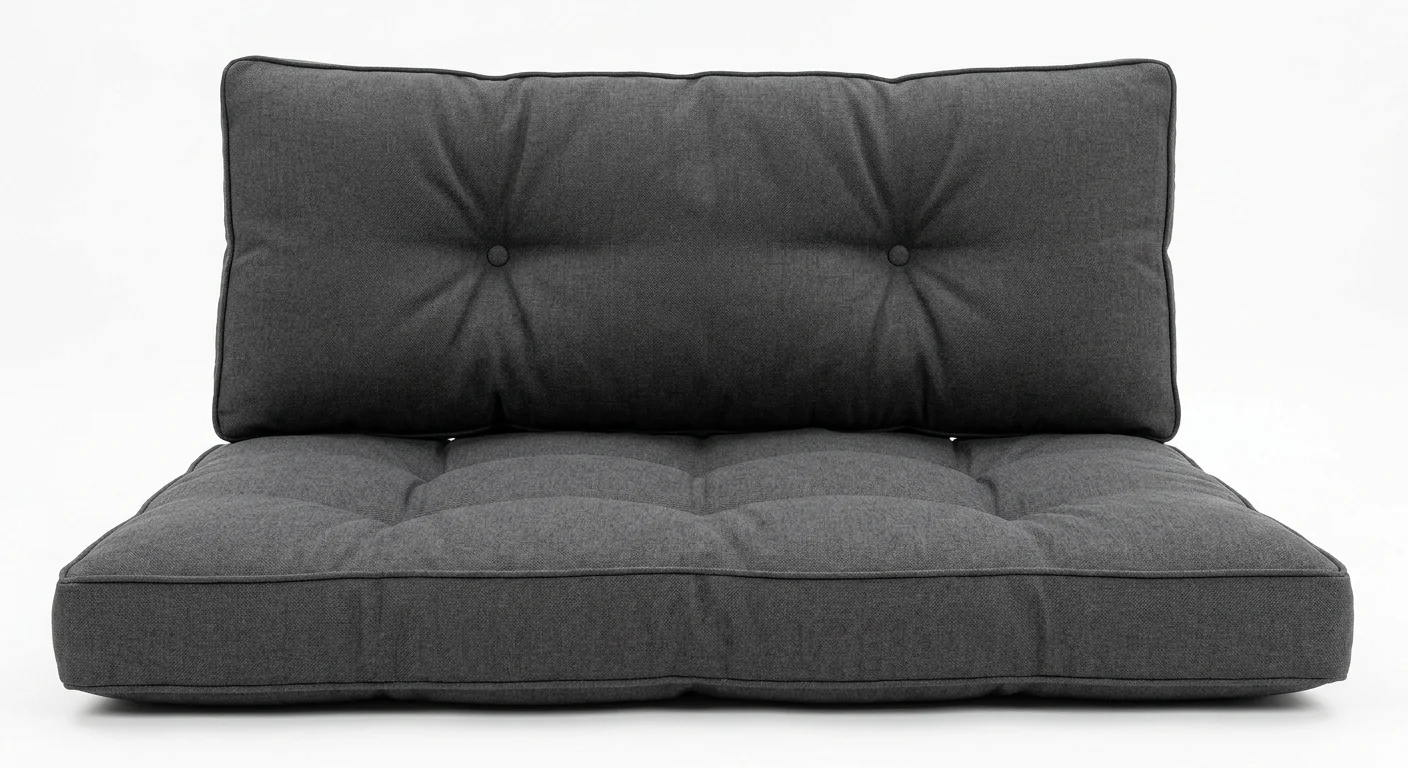
Salt air is another factor that many residents in the Las Rotas area overlook until it is too late. While our humidity levels are generally lower than those in the southern zones of the Costa Blanca, the moderate coastal breeze still carries fine salt particles. This salt acts as an abrasive and a desiccant. I always advise my clients to look for solution-dyed acrylic fabrics. Unlike piece-dyed fabrics where the color is just on the surface, solution-dyed fibers have the pigment integrated into the polymer during production. This is the difference between a radish, which is red on the outside and white on the inside, and a carrot, which is orange all the way through. For a quality back cushion in this material, you should expect to pay between EUR 80 and EUR 150, but it will maintain its structural integrity and color for years, even in the direct glare of a south-facing Dénia terrace.
Maintenance in this region is also dictated by the "Calima"—the Saharan dust clouds that occasionally sweep across the Mediterranean. This fine red dust settles on everything and, when mixed with a light morning dew, can turn into a muddy paste. This is why I never recommend fixed upholstery for outdoor furniture in Dénia. Every textile element on your terrace must be easily removable and machine-washable. High-density foam inserts are also essential. If you buy a cheap cushion for EUR 30, it likely contains low-grade fiberfill that will "bottom out" within weeks. A professional-grade seat cushion for a lounge set, priced around EUR 120 to EUR 200, uses reticulated foam. This allows water and air to flow through the cushion quickly, preventing the mold and mildew that can occur during our rare but heavy autumn rains.
Designing for Villas and Apartments in Dénia
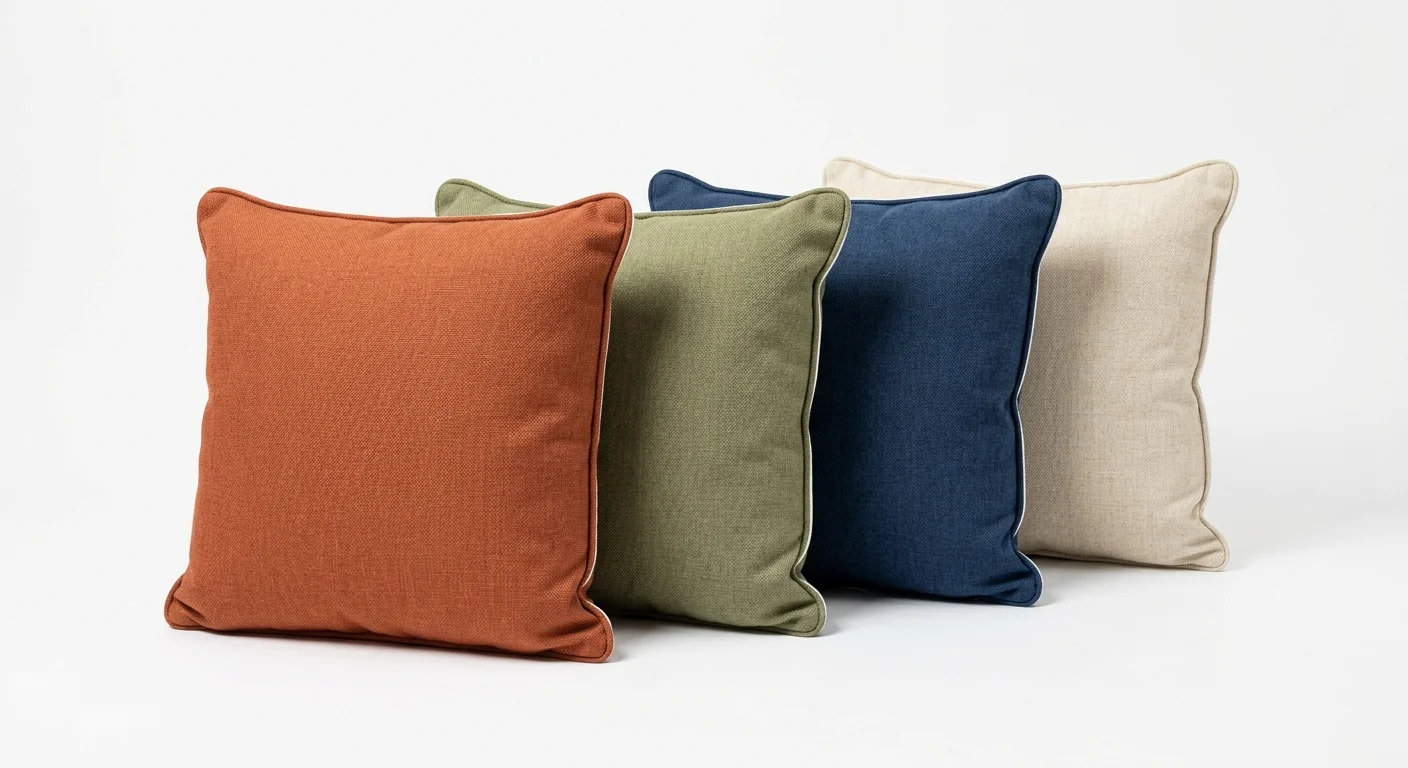
The way you use textiles should reflect the specific architecture of your Dénia property. For the luxury villas located on the lower slopes of the Montgó or in the quiet residential pockets of Pedreguer, the challenge is often scale. A 60-square-meter terrace with a private pool can look barren without a cohesive textile plan. I recommend a "layered" approach here. Start with heavy-duty base cushions for your rattan lounge sets in a neutral tone like stone, slate, or oatmeal. These are your workhorses. Then, add character with decorative throw pillows, which typically range from EUR 30 to EUR 60 each. In these larger spaces, you can afford to play with bolder patterns—perhaps deep Mediterranean blues or terracotta shades that reference the traditional roof tiles of the old town. This setup bridges the gap between your dining sets and sun loungers, creating a visual flow across the terrace.
For residents living in the apartments near the Port or along the frontline of Les Marines, space is at a premium and versatility is king. You may not have room for a massive modular sofa, but a pair of high-quality armchairs can be transformed with the right textiles. In these environments, the breeze is often stronger, so I suggest heavier cushions with integrated ties or "anti-slip" backing to ensure they don't migrate across the balcony during a gusty afternoon. If your apartment is part of a comunidad de propietarios, be sure to check the internal rules before choosing bright colors. Many communities in Dénia have strict regulations regarding the external appearance of the building, often mandating specific shades of beige or white to maintain a uniform look. In these cases, we use texture—rather than color—to add interest, opting for weaves like boucle or heavy twills that feel luxurious underhand but satisfy the community's aesthetic requirements.
Combining textiles with other furniture categories is the final step in a professional setup. A common mistake I see is people buying a dining set and leaving the chairs "naked." Even the most ergonomic teak or aluminum chair becomes uncomfortable during a long Spanish lunch that stretches into the evening. A slim, high-density seat pad, costing around EUR 45 to EUR 75, significantly extends the usability of your dining area. Similarly, for your sun loungers, don't settle for the thin, flimsy pads that often come standard. Upgrading to a 10cm thick, weather-resistant mattress transforms a simple lounger into a resort-grade piece of furniture. This is where you see the real value in your EUR 300,000 property investment; the ability to truly relax in your own outdoor space is priceless.
Delivery Logistics and Local Expertise
Navigating Dénia for furniture and textile delivery requires more than just a GPS. Having lived and worked here since 2019, I know that the logistics can be tricky. If you live in the historic Baix la Mar district, we are dealing with narrow, pedestrian-heavy streets where timing is everything. Conversely, the winding, steep driveways of the Montgó villas require a delivery team that knows how to handle a vehicle on a 20-degree incline. We regularly deliver to homes across Dénia, as well as the neighboring towns of Javea, Ondara, Pedreguer, and through the Jalon Valley. We understand that many of our clients are only in Spain for certain weeks of the year, and we coordinate our schedules to ensure your outdoor space is ready the moment you step off the plane at Alicante or Valencia airport.
When we deliver a full textile package, we don't just drop boxes at the gate. We help you fit the cushions, explain the best way to store them during the winter months, and ensure everything is positioned correctly for both comfort and aesthetics. We know which way the sun tracks across the Les Marines coastline and can advise on which areas of your terrace will need the most UV-resistant fabrics. This local knowledge is something you won't get from a big-box retailer or an online-only store based in Northern Europe. We are your neighbors, and we see the same sun and breathe the same salt air that you do.
If you are currently looking at a bare terrace or if your current cushions have become thin and sun-bleached, I invite you to reach out. I offer free consultations where we can discuss the specific dimensions of your furniture and the orientation of your home. Whether you need a full set of custom-made cushions for a bespoke built-in bench or just a few high-quality throw pillows to refresh your current look, we can help. My goal has always been to ensure that every British, German, and Dutch family in Dénia can enjoy their outdoor space to the absolute fullest, backed by products that are built to survive the beautiful, yet demanding, Costa Blanca climate.
 JW'"
/>
JW'"
/>