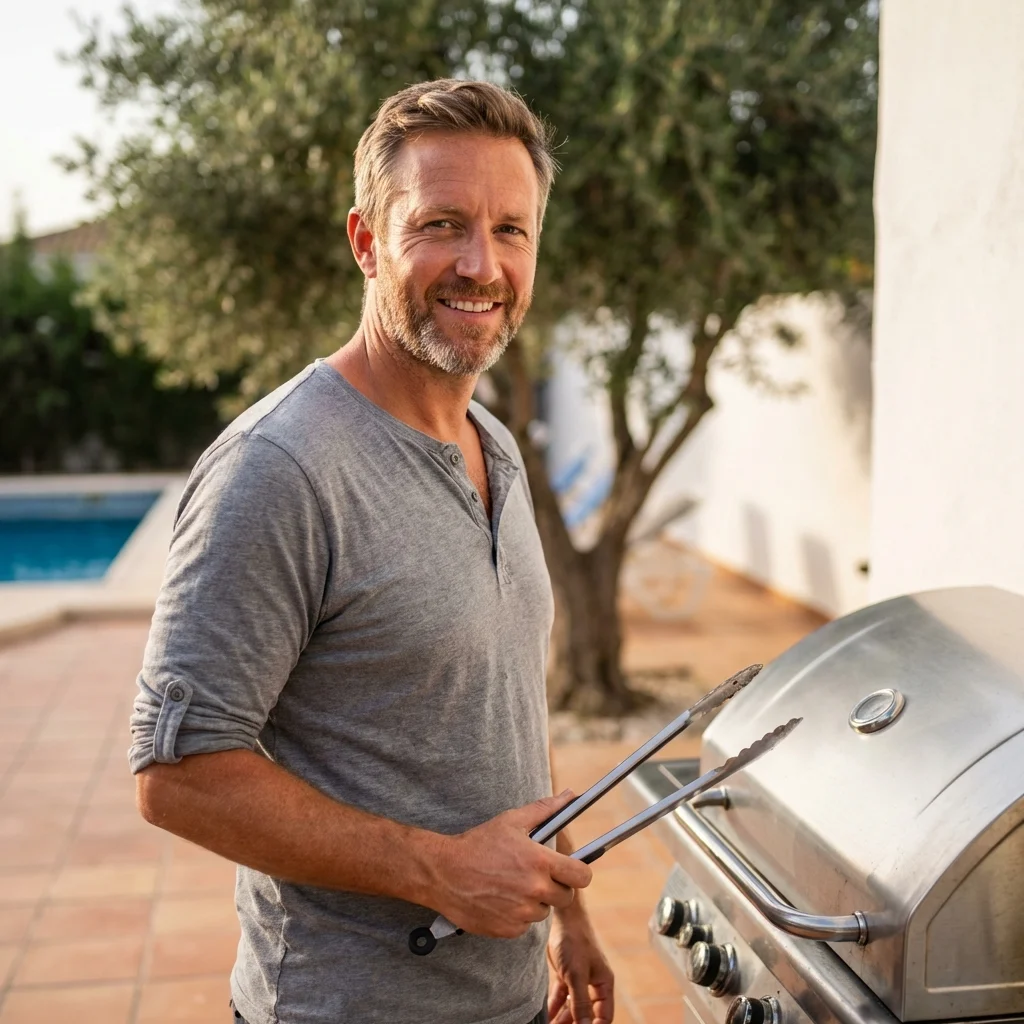
Ciudad Quesada sits on a hillside just above Rojales town, and it is here that most of the outdoor cooking action happens. The urbanisation was purpose-built for northern European buyers, so nearly every property comes with a south-facing terrace or rooftop solarium designed for exactly the kind of entertaining that a gas BBQ or kamado grill makes possible. Walk through Doña Pepa or Benimar on a Saturday afternoon and you will hear the familiar hiss of fat hitting hot grates from almost every other garden.
The surrounding areas — La Marquesa golf course, the riverside walk along the Segura, and the Sunday market in Rojales old town — give the area a community feel that keeps expats rooted here for decades. Properties average around €180,000, typically two- or three-bedroom villas with private pools and terraces between 20 and 50 square metres. That is more than enough space for a complete outdoor cooking station.
Gas BBQs remain the top seller across the Rojales area. Spanish butane bombonas are available from multiple local suppliers, and the convenience of gas suits the midweek dinner culture that British and Scandinavian residents have established. For those who want richer flavour, a kamado grill handles everything from slow-smoked ribs to searing-hot steaks, and the ceramic body shrugs off the occasional cool evening from November to February.
Pizza ovens have gained serious traction here over the past two years. Neighbours in Ciudad Quesada trade tips on dough recipes and wood sourcing — almond and olive wood is readily available from agricultural suppliers inland. Costa Blanca Outdoors recommends a mid-sized wood-fired oven for Quesada terraces: large enough to cook for a dinner party of eight, compact enough to leave room for seating.
Properties near La Marquesa golf course tend to have larger gardens, making them ideal candidates for a full outdoor kitchen island with built-in gas BBQ and prep space. If you are working with a smaller Benimar terrace, a portable kamado paired with a folding prep table delivers impressive results without crowding the space.
Rojales sits in our southern Costa Blanca delivery zone, one of our busiest corridors. Ciudad Quesada’s grid-pattern roads make access straightforward for even the largest deliveries — a welcome contrast to some of the narrower hillside urbanisations further north. Every delivery includes full setup: unpacking, assembly, placement on your terrace, and a hands-on walkthrough of your new equipment.
For built-in outdoor kitchen projects, we coordinate with local builders experienced in the construction standards common across Quesada and Benimar. Typical lead time is 5–10 working days for in-stock items, or 3–4 weeks for custom kitchen installations including design and fabrication.
Fixed Pergolas in the Vega Baja: Essential Engineering for Local Living
Living in this corner of the Vega Baja offers a lifestyle that revolves almost entirely around the terrace, yet many residents find their outdoor spaces unusable for four months of the year due to the sheer intensity of the sun. The local landscape is dominated by international residents, particularly from the UK, Scandinavia, and Germany, who make up nearly seventy percent of the population. This demographic shift has fundamentally changed how properties in areas like Ciudad Quesada or the streets surrounding La Marquesa Golf are utilized. We no longer see these gardens as secondary spaces; they are primary living areas where kitchens move outdoors and the lounge is defined by the footprint of a permanent structure. The typical property here, often priced around the one hundred and sixty thousand euro mark, frequently features south-facing terraces that become heat traps by mid-morning. A fixed pergola provides the structural solution needed to reclaim these square meters, transforming a scorched patio into a functional room that mirrors the internal dimensions of the villa or apartment.
In neighborhoods like Pueblo Español, the architecture tends toward a mix of traditional Mediterranean aesthetics and modern utility. For the families I have worked with since 2019, the decision to install a fixed pergola is usually driven by the need for a permanent, reliable shade source that can withstand the unique meteorological pressures of this specific region. Unlike the cooler, greener north of the Costa Blanca, this area is significantly hotter and drier, sitting in a geographical pocket that feels the brunt of the African air masses. The outdoor living culture here isn't just about a quick barbecue; it is about breakfast outside at 8:00 AM and long dinners that last until midnight. Without a fixed structure, you are at the mercy of the wind and the UV index. A fixed pergola, whether constructed from high-grade Scandinavian timber or powder-coated aluminium, creates a thermal break between the sun and your home’s sliding glass doors, often reducing internal temperatures by several degrees while providing a dedicated zone for the heavy oak tables and outdoor sofas that define the local expat aesthetic.
The terrace sizes in the local urbanisations vary wildly, but we often see a standard "L-shape" or a rectangular 20m² to 35m² space that serves as the main social hub. In these settings, a fixed pergola acts as an anchor. It defines the "outdoor room" in a way that a retractable awning simply cannot. Because the population is so diverse, we see a wide range of uses, from Scandinavian-style minimalist lounge areas to heavy, rustic British-influenced outdoor dining rooms. The common thread is the need for a permanent roof structure that can handle the weight of integrated lighting, fans, and perhaps even infrared heaters for those surprisingly chilly January evenings in the valley. By choosing a fixed installation over a temporary one, residents are essentially building an extension of their home without the prohibitive costs and bureaucratic nightmares of a full brick-and-mortar addition, provided they stay within the local guidelines for non-permanent structures.
Technical Considerations for the Local Climate and Communities
When planning a fixed pergola in this specific part of the province, the primary adversary is not rain, but the combination of extreme UV exposure and the proximity to the salt lakes of Torrevieja and La Mata. Even though the municipality is set slightly inland, the humidity rising from the lagoons carries a high salt content that can be devastating to low-quality metals and finishes. If you are opting for an aluminium fixed pergola, it must be marine-grade powder coated to prevent the bubbling and flaking that often plagues cheaper DIY kits. For those who prefer the warmth of wood, the maintenance schedule is more demanding here than in other regions. The dry heat of the Vega Baja will leach moisture from timber rapidly, leading to splits and warping if the wood isn't treated with a high-quality saturator rather than a surface varnish. I typically recommend a dual-coat treatment every twelve to eighteen months to keep the structural integrity of a 140mm x 140mm post system intact.
The Calima—the Saharan dust storms that coat everything in a fine red silt—is another factor that many newcomers underestimate. A fixed pergola with a flat, slatted roof will trap this dust in every crevice. If you are considering a fixed roof with polycarbonate panels or a sandwich panel system, the pitch must be calculated precisely to allow for easy cleaning. A common recommendation for a 4m x 3m aluminium structure, which typically costs around 3,200 EUR including professional installation, involves using a slightly sloped roofline to ensure that when the infrequent but heavy rains come, the dust is washed away rather than pooling and creating a heavy mud load on the structure. This is a practical reality of living in this area that only becomes apparent after your first full summer and autumn cycle.
Navigating the rules of the Comunidad de Propietarios is another critical hurdle. In many of the golf resort communities and established urbanisations, there are strict bylaws regarding the height and color of any permanent outdoor structure. Most communities will permit a fixed pergola as long as it does not exceed 2.5 meters in height and matches the existing aesthetic of the development. For example, in many parts of Ciudad Quesada, there is a preference for "Madera" finishes or specific RAL colors like anthracite or cream. Before spending between 2,000 EUR and 12,000 EUR on a project, it is vital to verify whether the community requires a specific type of roofing material. We often find that while a fixed frame is allowed, certain roof coverings like bright blue canvases or shiny corrugated metal are strictly prohibited to maintain the visual harmony of the streetscape.
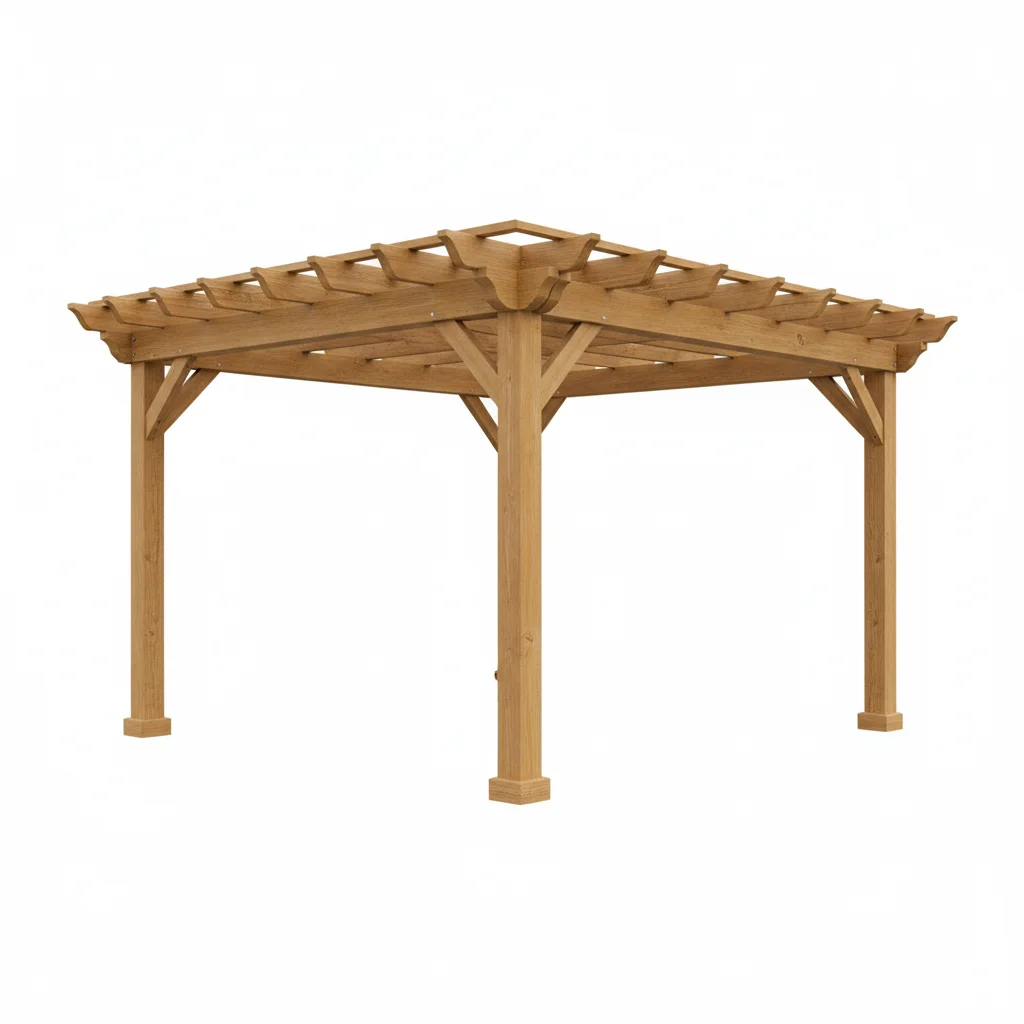
In terms of installation, the ground conditions in this area are generally favorable, consisting of solid concrete pads topped with ceramic tiles. However, we must ensure that the "zapatas" or footings are deep enough to act as a counterweight against the "Gota Fria" winds. These sudden, violent autumn storms can create a massive uplift force on a fixed roof. I always insist on using 12mm or 16mm chemical anchors to bolt the pergola plates into the underlying substrate. A standard 4m x 4m timber pergola with 12cm posts, which we might price at approximately 4,500 EUR for a mid-range installation, needs this level of securing to ensure it doesn't move an inch when the wind speeds at the top of the hills near the golf course reach sixty kilometers per hour.
Tailored Recommendations for Local Property Types
For the detached villas commonly found throughout the municipality, especially those with larger garden plots, I almost always recommend a heavy-duty timber fixed pergola. A 5m x 4m structure using laminated pine or fir offers a rustic elegance that complements the traditional Spanish architecture. This size allows for a full dining set and a separate lounging area under one roof. To make this truly functional for the local climate, I suggest a "sandwich panel" roof—which consists of two layers of aluminium or steel with an insulating foam core. This setup, which might range from 7,000 EUR to 9,000 EUR depending on the finish, provides total shade and significantly reduces the heat radiating from the roof itself. It effectively creates a shaded sanctuary where the air remains noticeably cooler than under a simple cloth awning or a single-skin plastic roof.
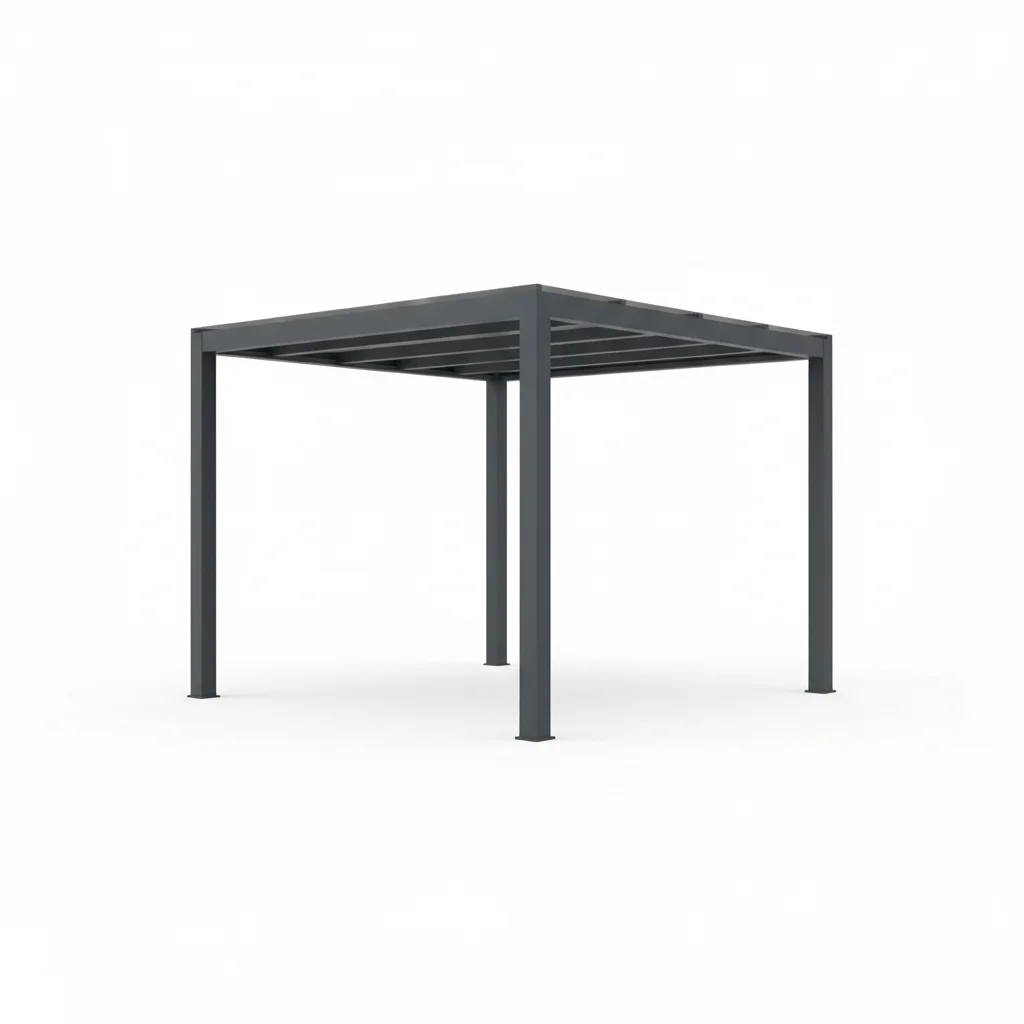
In contrast, for the apartments and townhouses in more densely packed areas like Pueblo Español, space is at a premium and the aesthetic is often more contemporary. Here, a sleek aluminium fixed pergola is the superior choice. A 3m x 3m frame with integrated LED lighting and perhaps a manual drop-down side awning for afternoon sun protection is a popular configuration. This setup typically starts around 2,800 EUR. Because these properties often share walls or are overlooked by neighbors, the clean lines of an aluminium structure provide privacy and shade without making the terrace feel cramped or dark. To maximize the utility of these smaller spaces, we often combine the fixed pergola with glass curtains. By installing a fixed frame first, you create the necessary structural header to hang glass curtains later, effectively turning your terrace into a conservatory that can be fully opened in the summer and sealed against the winter winds.
Many residents also find that a hybrid approach works best for this specific environment. You might install a fixed aluminium frame but choose a high-tension fabric roof that can be replaced every five to seven years. This provides the structural permanence and the ability to mount fans and lights, but at a lower initial price point than a solid insulated roof. For a standard townhouse terrace, a 12m² fixed pergola with a technical fabric roof will usually cost between 2,200 EUR and 3,500 EUR. This setup is particularly effective for those who want to maintain some light filtration while blocking ninety-five percent of harmful UV rays. It is a middle-ground solution that respects both the budget and the intense environmental demands of the region.
Logistics and Local Expertise in the Vega Baja
Delivering and installing heavy structures in this area requires more than just a truck and a drill; it requires an understanding of the local geography. Whether your property is located in the steep, winding hills of Ciudad Quesada or the more accessible flatlands of the old town, logistics play a major role in the success of the installation. We regularly serve the surrounding areas, including San Fulgencio, Guardamar, Torrevieja, Algorfa, and Los Montesinos, and we understand that each of these locations has its own quirks. For instance, the narrow access roads in parts of the old center near the bridge can make delivering 5-meter timber beams a challenge that requires specialized transport or manual handling.
Our team is intimately familiar with the building styles used by the major developers in this region over the last thirty years. We know where the utility lines are typically buried in a Quesada villa and how to anchor a structure into a modern apartment terrace without compromising the waterproof membrane—a mistake that many general contractors make, leading to leaks in the floor below. We also understand the timing of the local "siesta" hours and community noise regulations, ensuring that our installation process is as non-disruptive as possible for you and your neighbors. This local knowledge is what prevents a straightforward home improvement project from turning into a logistical headache.
If you are considering a fixed pergola for your home, the best starting point is a conversation about how you actually use your outdoor space. Are you looking for a permanent outdoor kitchen area, or do you simply need a shaded spot to read by the pool? I offer free on-site consultations throughout the municipality to measure your space, assess the wind exposure, and check the orientation of the sun relative to your terrace. We can discuss material samples and look at photos of the two hundred plus projects we have completed across the Costa Blanca since 2019. By taking the time to plan the structure correctly for the specific conditions of your plot, we can ensure that your new pergola becomes the most used "room" in your house for years to come.
 JW'"
/>
JW'"
/>