Outdoor Living in Rojales and Ciudad Quesada
Rojales and Ciudad Quesada form one of the Costa Blanca’s largest expat hubs, where 69% of the 16,000 residents — mainly British, Scandinavian, and German — have built a year-round barbecue culture across sprawling urbanisations.
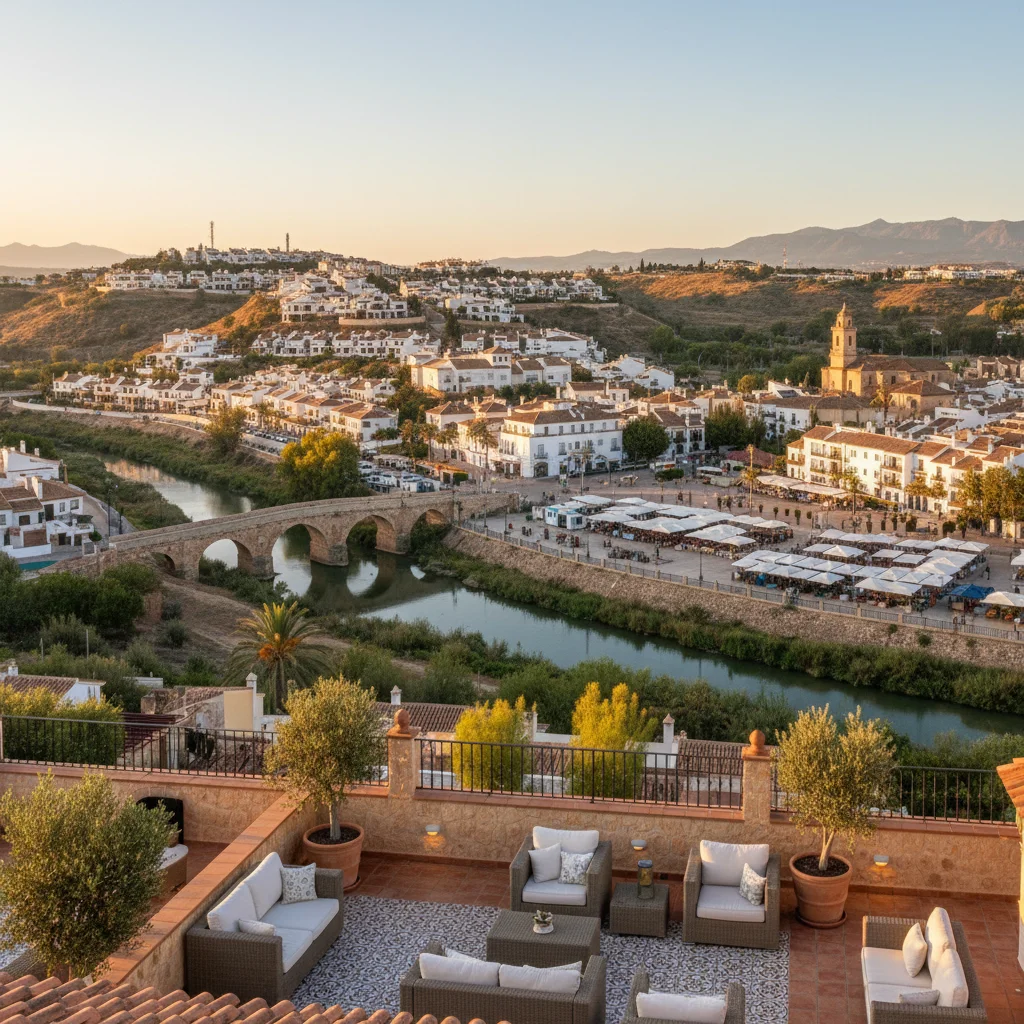
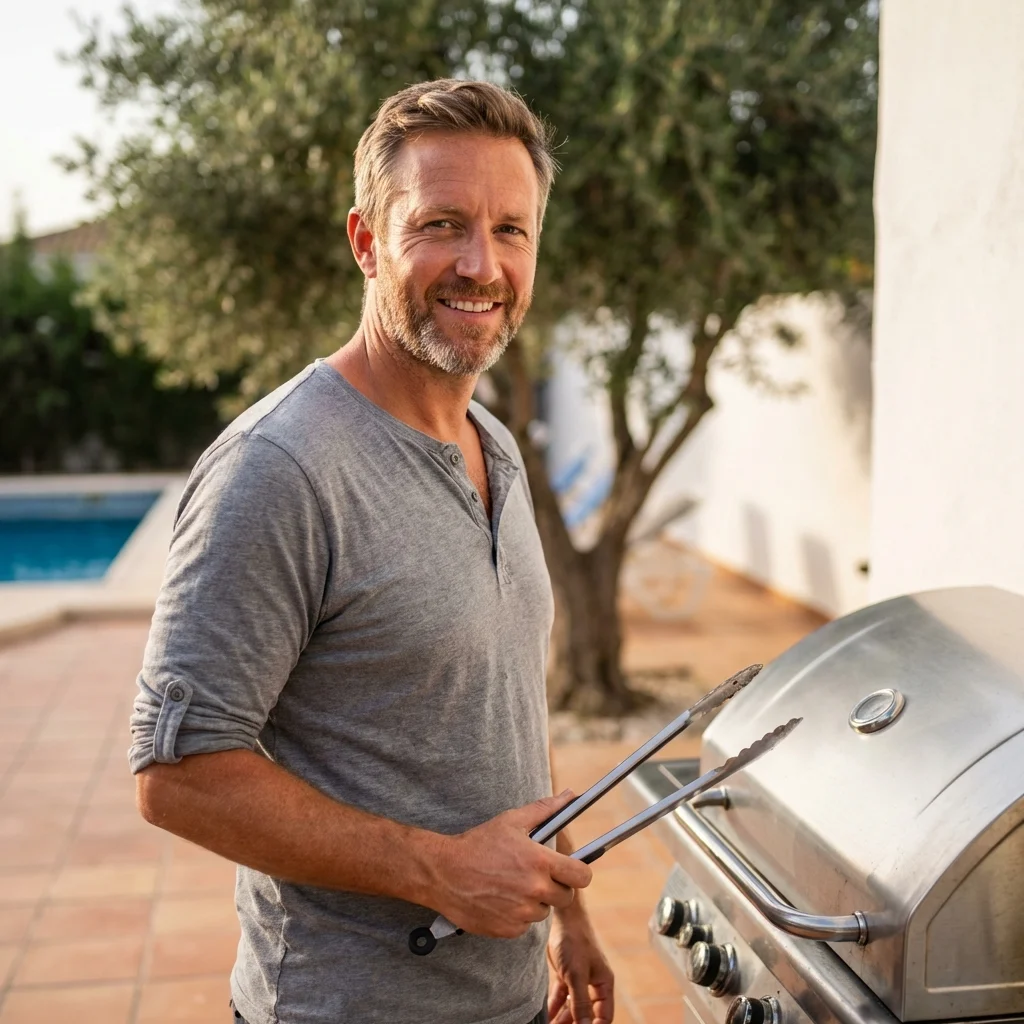
Ciudad Quesada sits on a hillside just above Rojales town, and it is here that most of the outdoor cooking action happens. The urbanisation was purpose-built for northern European buyers, so nearly every property comes with a south-facing terrace or rooftop solarium designed for exactly the kind of entertaining that a gas BBQ or kamado grill makes possible. Walk through Doña Pepa or Benimar on a Saturday afternoon and you will hear the familiar hiss of fat hitting hot grates from almost every other garden.
The surrounding areas — La Marquesa golf course, the riverside walk along the Segura, and the Sunday market in Rojales old town — give the area a community feel that keeps expats rooted here for decades. Properties average around €180,000, typically two- or three-bedroom villas with private pools and terraces between 20 and 50 square metres. That is more than enough space for a complete outdoor cooking station.
Rojales and Ciudad Quesada’s purpose-built expat urbanisations offer terraces ideally sized for gas BBQs, kamado grills, and compact pizza ovens, with 69% of residents from abroad.
Choosing Your Setup in Rojales
The typical Ciudad Quesada villa terrace of 20–50m² suits a standalone grill with room to spare, while rooftop solariums open up creative possibilities for elevated cooking stations.
Gas BBQs remain the top seller across the Rojales area. Spanish butane bombonas are available from multiple local suppliers, and the convenience of gas suits the midweek dinner culture that British and Scandinavian residents have established. For those who want richer flavour, a kamado grill handles everything from slow-smoked ribs to searing-hot steaks, and the ceramic body shrugs off the occasional cool evening from November to February.
Pizza ovens have gained serious traction here over the past two years. Neighbours in Ciudad Quesada trade tips on dough recipes and wood sourcing — almond and olive wood is readily available from agricultural suppliers inland. Costa Blanca Outdoors recommends a mid-sized wood-fired oven for Quesada terraces: large enough to cook for a dinner party of eight, compact enough to leave room for seating.
Properties near La Marquesa golf course tend to have larger gardens, making them ideal candidates for a full outdoor kitchen island with built-in gas BBQ and prep space. If you are working with a smaller Benimar terrace, a portable kamado paired with a folding prep table delivers impressive results without crowding the space.
Costa Blanca Outdoors recommends mid-sized wood-fired pizza ovens for Ciudad Quesada terraces, balancing cooking capacity for eight guests with enough remaining space for comfortable outdoor seating.
Delivery to Rojales and Ciudad Quesada
We deliver throughout Rojales, Ciudad Quesada, and surrounding urbanisations weekly, with reliable access to hillside properties and gated communities.
Rojales sits in our southern Costa Blanca delivery zone, one of our busiest corridors. Ciudad Quesada’s grid-pattern roads make access straightforward for even the largest deliveries — a welcome contrast to some of the narrower hillside urbanisations further north. Every delivery includes full setup: unpacking, assembly, placement on your terrace, and a hands-on walkthrough of your new equipment.
For built-in outdoor kitchen projects, we coordinate with local builders experienced in the construction standards common across Quesada and Benimar. Typical lead time is 5–10 working days for in-stock items, or 3–4 weeks for custom kitchen installations including design and fabrication.
Living nearby? We cover Orihuela Costa and San Fulgencio on the same southern routes, and customers in Torrevieja are just minutes away. One delivery run covers the entire southern corridor efficiently, keeping costs down for everyone in the area.
Managing the Intense Vega Baja Sun with High-Quality Awnings and Toldos
Living in this corner of the Vega Baja provides a lifestyle that many dream of, but the reality of maintaining a comfortable home here requires a deep understanding of the local climate. Since moving to the Costa Blanca in 2019, I have seen how the sun behaves differently in this specific area compared to the northern parts of the province. While towns further north might enjoy more greenery and occasional breezes, this particular inland-coastal hybrid zone is significantly hotter and drier. The town serves a massive international population, with nearly seventy percent of residents coming from abroad, particularly from the UK, Scandinavia, and Germany. These residents often purchase villas or apartments in sprawling urbanisations like Ciudad Quesada or the Pueblo Español area, where the average property price sits around the €160,000 mark. These homes almost always feature significant outdoor space, but without proper shading, those terraces become unusable from eleven in the morning until late in the evening during the summer months.
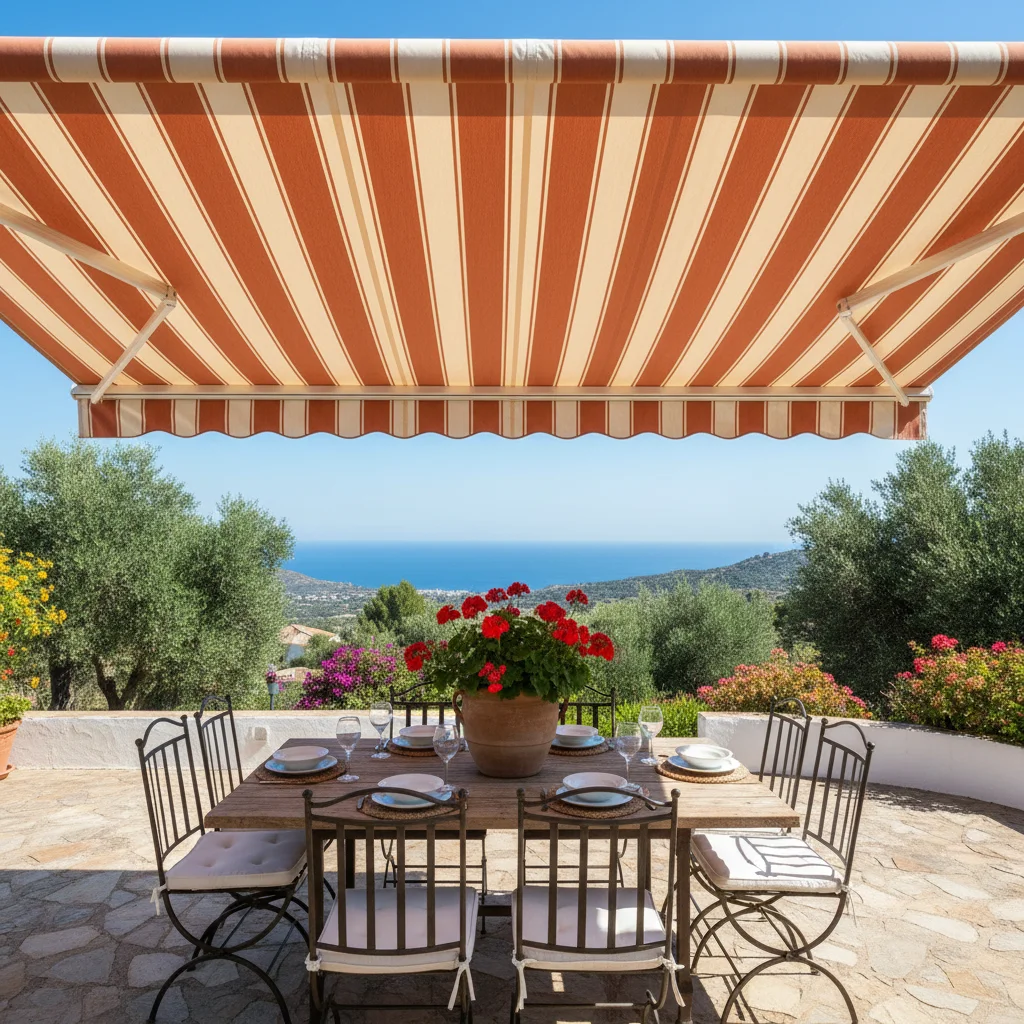
The architectural landscape around La Marquesa Golf and the surrounding hills consists largely of medium-sized villas and shared garden apartments. The international community has brought a vibrant outdoor living culture to the region, focusing heavily on outdoor kitchens, dining areas, and poolside lounging. However, the orientation of many properties here is designed to maximize the low winter sun, which unfortunately leads to massive heat gain through glass patio doors during July and August. Installing a high-quality awning is not just a luxury for aesthetic purposes; it is a fundamental requirement for climate control inside the home. A well-positioned toldo can reduce the internal temperature of a living room by up to eight degrees Celsius, significantly lowering the reliance on expensive air conditioning units. For those living in the more densely packed urbanisations, these shade solutions also provide a necessary layer of privacy from neighboring properties that often overlook shared garden spaces.
Technical Considerations for the Local Environment and Community Rules
When choosing an installation for this specific area, one cannot ignore the unique environmental factors that differ even from nearby coastal spots like Guardamar. While we are close to the sea, the proximity to the Torrevieja and La Mata salt lakes introduces a specific type of humidity. This salt-laden air can be highly corrosive to cheap, untreated metal components. I always insist on using powder-coated aluminum frames and stainless steel fixings to ensure that the mechanism does not seize up after two seasons. Furthermore, the region is frequently hit by the calima—that fine, orange dust blown over from the Sahara. This dust is incredibly abrasive and can stain inferior fabrics permanently. I recommend 300g/m² solution-dyed acrylic fabrics over cheaper polyester alternatives. Acrylic fibers are dyed before the yarn is spun, meaning the color goes all the way through the material rather than just sitting on the surface, making it much more resistant to the bleaching effects of the intense UV radiation we experience here.
A critical piece of local knowledge that many newcomers overlook is the role of the Comunidad de Propietarios, or the owners' community. Especially in areas like Ciudad Quesada or the Pueblo Español, there are often strict bylaws regarding the color and style of toldos to maintain a uniform aesthetic across the urbanisation. You will frequently see a specific shade of "ocre" or "albero" (a mustard yellow-brown) required by the community. Before spending €1,500 on a high-end installation, it is vital to verify these requirements with your community president. Regarding the mechanics, I strongly advise against manual wind-up handles for larger terraces. A four-meter wide awning with a three-meter projection is a heavy piece of equipment. Using a manual winch in forty-degree heat is a chore that most people eventually stop doing, leaving the awning permanently extended—which is a recipe for disaster when the sudden Vega Baja winds kick in.
The wind in this area is unpredictable. We often experience "Gota Fría" events or sudden afternoon gusts that can rip an awning from its wall mountings if it is left open. For this reason, a motorized system with an integrated wind sensor is the gold standard for local properties. These sensors detect vibrations in the front bar and automatically retract the awning when wind speeds exceed a safe threshold, usually around thirty-five kilometers per hour. For a standard four-meter motorized cassette awning, you should expect to pay between €1,800 and €2,400 including professional installation. This price point ensures you are getting a high-torque motor, such as those from Somfy, which can handle the weight and resist the heat-induced stalling that affects cheaper, unbranded motors.
Specific Recommendations for Different Property Types
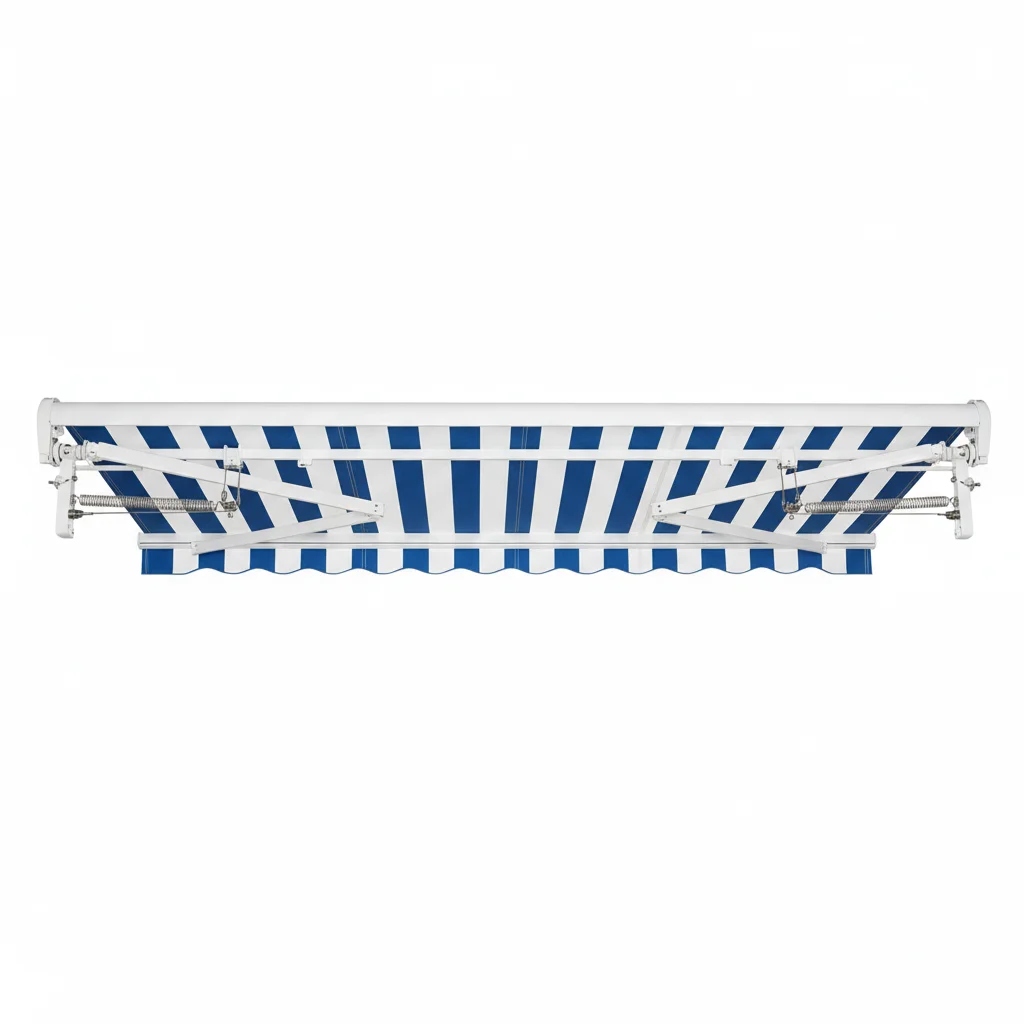
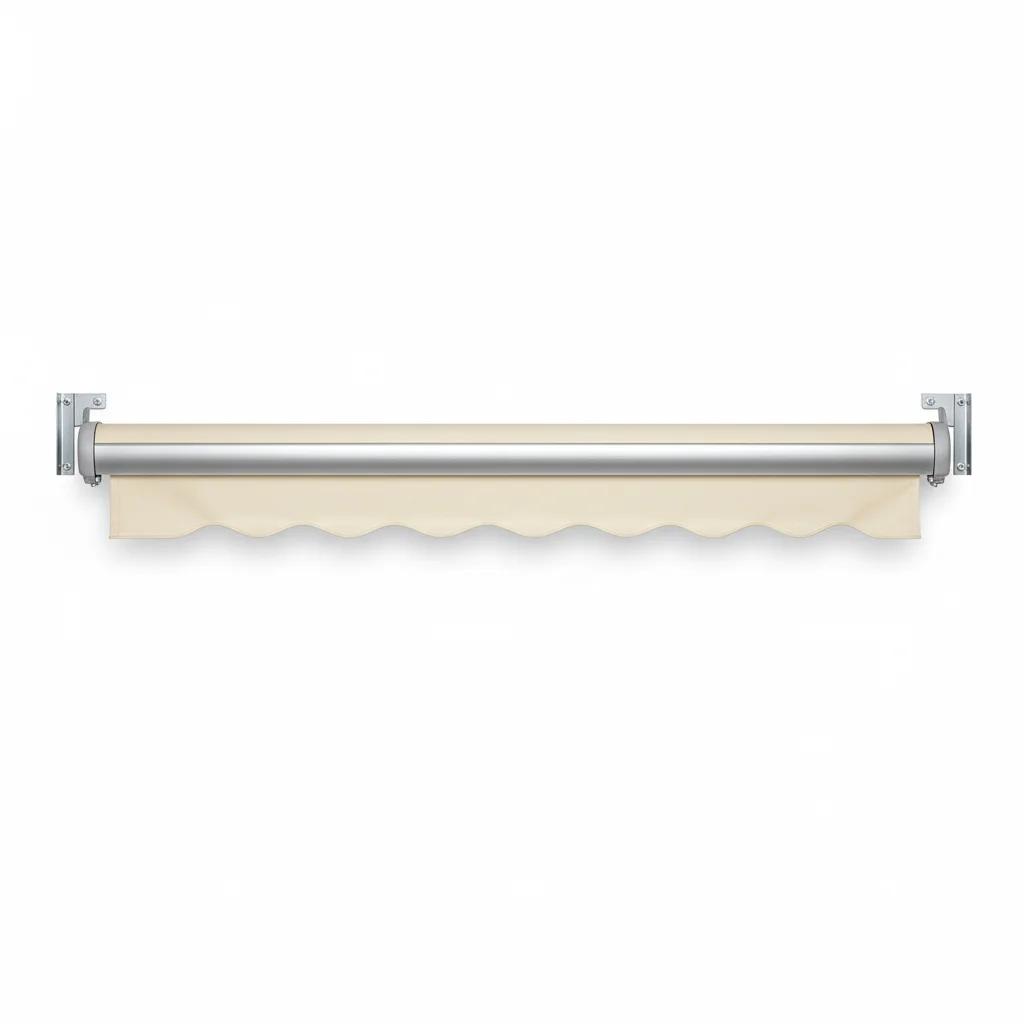
The best shading strategy depends heavily on whether you are living in a detached villa near the golf course or an apartment within a gated community. For the detached villas, which often have large, south-facing terraces, I recommend a full-cassette retractable awning. The "cassette" is the aluminum housing that completely encloses the fabric and the articulated arms when the awning is retracted. This is essential here because of the calima dust and the winter rains; keeping the fabric sealed away when not in use can double the lifespan of the material. A typical configuration for a villa terrace would be a five-meter width with a three-meter projection. This creates fifteen square meters of shaded living space, effectively creating an outdoor room. If you have a larger area, you might consider two side-by-side units or integrating the awning with a bioclimatic pergola if you are looking for a more permanent, all-weather structure that ranges from €5,000 upwards.
For the apartments and smaller townhouses often found in the more established urbanisations, space is at a premium and the mounting surfaces might be more limited. In these cases, a "toldo de punto recto" or a drop-arm awning is often the most effective solution. These are particularly good for windows and smaller balconies because the arms are fixed to the wall and swing down in an arc, providing excellent tension to the fabric which helps it stand up to the wind. For a standard two-meter wide balcony, a manual drop-arm awning can be installed for approximately €800 to €1,100. If your apartment is on the top floor and has a rooftop solarium, the challenge changes. Solariums are heat traps and often experience higher wind speeds. Here, I frequently recommend a combination of a fixed shade sail for a dedicated corner and a heavy-duty parasol for flexibility. Shade sails are excellent for covering awkward, triangular spaces that traditional square awnings cannot reach, but they must be professionally tensioned to avoid "flapping" which causes structural fatigue over time.
For residents who enjoy evening entertaining, I suggest looking into integrated LED lighting strips within the awning arms. The sunset in the Vega Baja is beautiful, but once the sun goes down, the transition to darkness is rapid. Having dimmable LED lighting built into your shade system eliminates the need for trailing cables or separate floor lamps, keeping your outdoor space tidy and safe. When we combine these toldos with other solutions like vertical "telon" blinds—which act like outdoor curtains—you can create a fully enclosed, insect-proof environment that still allows for airflow. This is a popular setup for those with covered porches who want to extend their usage into the cooler spring and autumn months.
Local Logistics and Expert Installation Service
Operating across the Vega Baja region means we are intimately familiar with the logistical challenges of delivering and installing heavy equipment in this area. Whether you are located in the heart of the old town near the river or in the higher elevations of the surrounding hills, we manage the entire process. The roads leading into some of the older parts of the town can be narrow and challenging for delivery vehicles, while the newer urbanisations often require specific permissions for street access during installation. We regularly serve clients in nearby San Fulgencio, Guardamar, Torrevieja, and Algorfa, meaning our team is always in the vicinity and understands the specific building materials used in these local developments.
Most homes in this area are built with hollow ceramic bricks (ladrillo hueco), which require specialized chemical anchoring for a safe awning installation. Simply bolting a heavy awning into these bricks with standard expansion plugs is dangerous; the weight and wind leverage will eventually pull the fixings out, potentially causing structural damage or injury. We use high-grade chemical resins that bond the mounting bolts to the internal structure of the wall, ensuring that the installation is "over-engineered" for the local conditions. This level of detail is what separates a professional installation from a DIY attempt or a budget handyman service.
When you are ready to transform your outdoor space, I offer a face-to-face consultation where we can look at your terrace orientation, measure the available mounting height, and check for any obstacles like guttering or external light fixtures that might interfere with the projection. We can discuss the various fabric options and look at samples that comply with your specific community regulations. My goal is to ensure that you get a shade solution that lasts for fifteen years, not just fifteen months. Delivering quality toldos to our neighbors in Torrevieja, Los Montesinos, and the surrounding towns is how we have built our reputation since 2019. We provide a transparent, fixed-price quote with no hidden extras, covering everything from the initial site survey to the final electrical connection of your motorized system. Contact me today to schedule a visit and let's make your terrace the most comfortable part of your home.
 JW'"
/>
JW'"
/>