Outdoor Living in Rojales and Ciudad Quesada
Rojales and Ciudad Quesada form one of the Costa Blanca’s largest expat hubs, where 69% of the 16,000 residents — mainly British, Scandinavian, and German — have built a year-round barbecue culture across sprawling urbanisations.
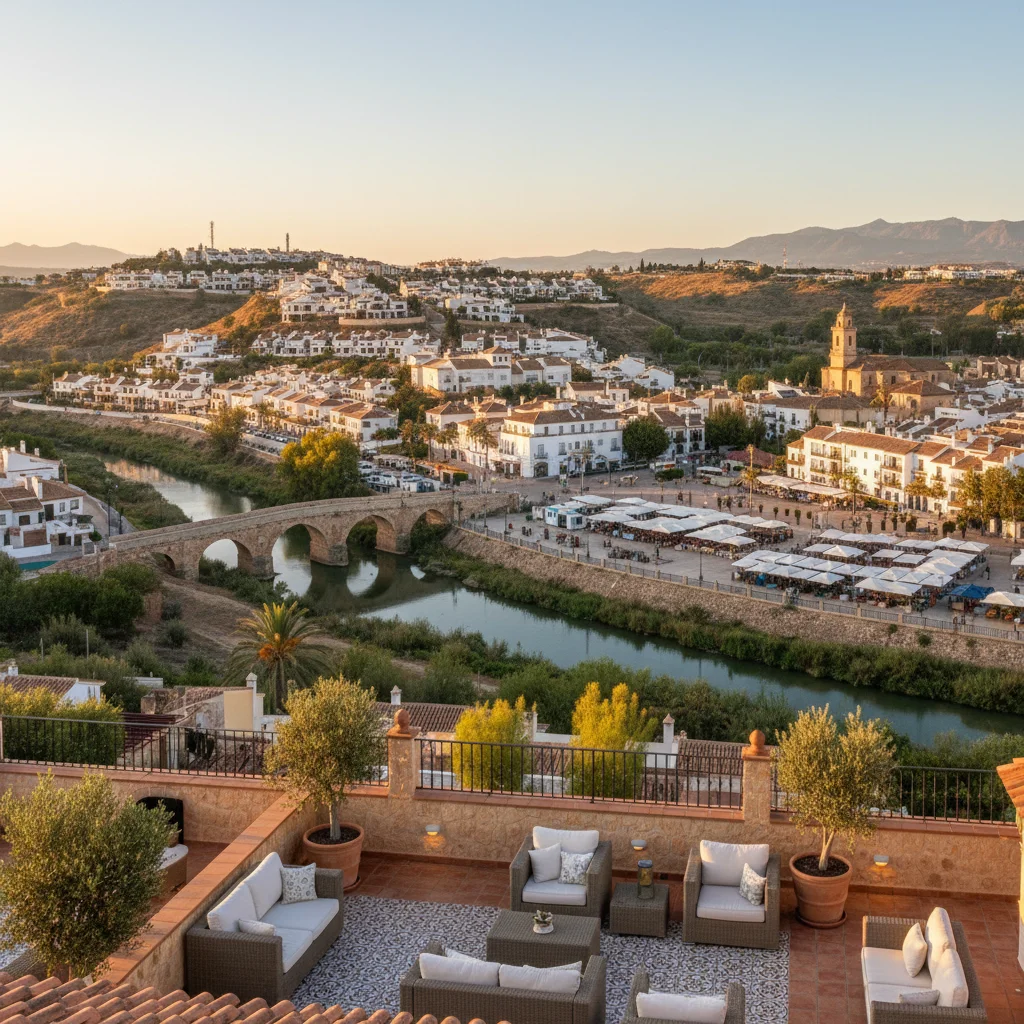
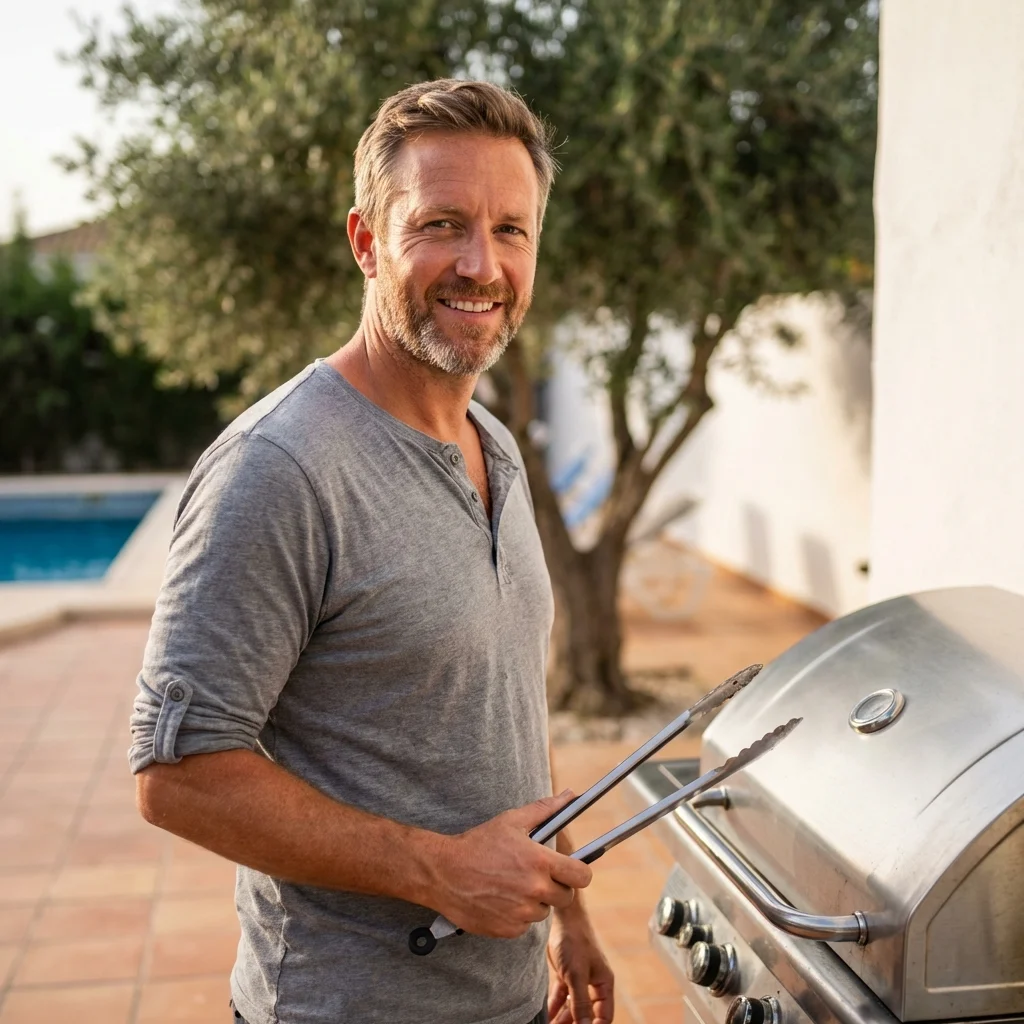
Ciudad Quesada sits on a hillside just above Rojales town, and it is here that most of the outdoor cooking action happens. The urbanisation was purpose-built for northern European buyers, so nearly every property comes with a south-facing terrace or rooftop solarium designed for exactly the kind of entertaining that a gas BBQ or kamado grill makes possible. Walk through Doña Pepa or Benimar on a Saturday afternoon and you will hear the familiar hiss of fat hitting hot grates from almost every other garden.
The surrounding areas — La Marquesa golf course, the riverside walk along the Segura, and the Sunday market in Rojales old town — give the area a community feel that keeps expats rooted here for decades. Properties average around €180,000, typically two- or three-bedroom villas with private pools and terraces between 20 and 50 square metres. That is more than enough space for a complete outdoor cooking station.
Rojales and Ciudad Quesada’s purpose-built expat urbanisations offer terraces ideally sized for gas BBQs, kamado grills, and compact pizza ovens, with 69% of residents from abroad.
Choosing Your Setup in Rojales
The typical Ciudad Quesada villa terrace of 20–50m² suits a standalone grill with room to spare, while rooftop solariums open up creative possibilities for elevated cooking stations.
Gas BBQs remain the top seller across the Rojales area. Spanish butane bombonas are available from multiple local suppliers, and the convenience of gas suits the midweek dinner culture that British and Scandinavian residents have established. For those who want richer flavour, a kamado grill handles everything from slow-smoked ribs to searing-hot steaks, and the ceramic body shrugs off the occasional cool evening from November to February.
Pizza ovens have gained serious traction here over the past two years. Neighbours in Ciudad Quesada trade tips on dough recipes and wood sourcing — almond and olive wood is readily available from agricultural suppliers inland. Costa Blanca Outdoors recommends a mid-sized wood-fired oven for Quesada terraces: large enough to cook for a dinner party of eight, compact enough to leave room for seating.
Properties near La Marquesa golf course tend to have larger gardens, making them ideal candidates for a full outdoor kitchen island with built-in gas BBQ and prep space. If you are working with a smaller Benimar terrace, a portable kamado paired with a folding prep table delivers impressive results without crowding the space.
Costa Blanca Outdoors recommends mid-sized wood-fired pizza ovens for Ciudad Quesada terraces, balancing cooking capacity for eight guests with enough remaining space for comfortable outdoor seating.
Delivery to Rojales and Ciudad Quesada
We deliver throughout Rojales, Ciudad Quesada, and surrounding urbanisations weekly, with reliable access to hillside properties and gated communities.
Rojales sits in our southern Costa Blanca delivery zone, one of our busiest corridors. Ciudad Quesada’s grid-pattern roads make access straightforward for even the largest deliveries — a welcome contrast to some of the narrower hillside urbanisations further north. Every delivery includes full setup: unpacking, assembly, placement on your terrace, and a hands-on walkthrough of your new equipment.
For built-in outdoor kitchen projects, we coordinate with local builders experienced in the construction standards common across Quesada and Benimar. Typical lead time is 5–10 working days for in-stock items, or 3–4 weeks for custom kitchen installations including design and fabrication.
Living nearby? We cover Orihuela Costa and San Fulgencio on the same southern routes, and customers in Torrevieja are just minutes away. One delivery run covers the entire southern corridor efficiently, keeping costs down for everyone in the area.
Designing and Building Your Swimming Pool in Rojales
Owning a property in this corner of the Vega Baja is fundamentally different from owning one in the northern reaches of the Costa Blanca. When I first settled here in 2019, I quickly realised that Rojales operates on its own thermal and social frequency. With nearly seventy percent of our sixteen thousand residents coming from outside Spain—predominantly from the UK, Scandinavia, and Germany—the way we use our outdoor spaces has evolved into something quite specialized. In areas like Ciudad Quesada or the more traditional pockets of Pueblo Español, the outdoor terrace is not a seasonal luxury but the primary living room for at least nine months of the year. The average property price here sits around one hundred and sixty thousand euros, which means many residents are working with mid-sized urbanisation villas or apartments where space must be used with surgical precision. Unlike the sprawling estates in the north, a Rojales garden often requires a pool that balances cooling utility with the social requirements of the golf-centric lifestyle found around La Marquesa Golf.
The international community here has brought a specific set of expectations regarding outdoor living. Our British and Northern European clients typically view a swimming pool as a functional extension of their kitchen and lounge areas. Because we are slightly inland and buffered by the surrounding hills, we miss some of the direct coastal breezes that hit Guardamar, making the summer heat feel more stationary and intense. This creates a genuine physiological need for water on your property. Whether you are living in a detached villa in the heights of Quesada or a more compact property near the village center, the goal is to create a microclimate. I have helped over two hundred families navigate this transition, and the most successful projects are those that acknowledge how we actually live here: we spend our mornings on the golf course or at the local markets and our afternoons retreating to the shade and the water to escape the peak UV hours.
In the context of the local property market, adding a pool is one of the few modifications that offers a guaranteed return on investment, both in terms of rental yield for those with tourist licenses and in pure resale value. For an apartment owner, this might mean advocating for a high-quality community setup, but for the majority of villa owners, the shift is toward private, manageable installations. We see a lot of "Conchita" style houses and similar Mediterranean builds where the original plot layout didn't account for a modern pool. Retrospective installation in these established urbanisations requires a deep understanding of the local soil composition and the specific setbacks required by the Rojales town hall. It is not just about digging a hole; it is about understanding how a new body of water interacts with the existing terrace structures and the high-density living patterns that define our international community.
Practical Considerations for the Rojales Climate and Environment
Living so close to the Torrevieja and La Mata salt lakes brings a unique atmospheric challenge that many contractors from outside the area fail to mention. The humidity here carries a subtle salinity that, while arguably healthy for the lungs, is notoriously aggressive toward cheap pool hardware. If you are installing a pump or a filtration system in an outdoor housing unit, the salt air will find the lowest grade of stainless steel and begin its work within a single season. I always advise my neighbors in Rojales to invest in high-grade AISI 316 steel fittings and to ensure that all electrical components are housed in IP65-rated enclosures. The proximity to the salt lakes also means our humidity levels can fluctuate wildly, which affects how chemicals like chlorine or bromine stabilize in the water. For this reason, I almost exclusively recommend salt-water chlorination systems for this area. Despite the name, the salinity of the pool water is much lower than the sea, and the electrolytic process provides a more stable sanitization level that handles our intense afternoon sun far better than manual liquid or tablet dosing.
The most distinct environmental factor we face here is the Calima. These Saharan dust events are more frequent and intense in the southern Costa Blanca than they are just an hour north. A single afternoon of "mud rain" can dump kilos of fine, abrasive silt into your pool. If you have a standard sand filter, you will spend your entire weekend backwashing and still struggle with water clarity. I recommend switching to glass media filtration, which can capture particles down to a much finer micron level than traditional sand. Furthermore, the heat in the Vega Baja stays trapped long after the sun goes down. In July and August, water temperatures in a shallow pool can easily hit thirty-two degrees Celsius. While that sounds pleasant, it actually makes the water harder to keep chemically balanced. To combat this, we often discuss the depth of the pool during the design phase. A slightly deeper "cool spot" or the installation of a small heat pump with a cooling function can keep the water refreshing rather than tepid.
From a regulatory perspective, the Rojales Ayuntamiento has specific rules regarding the "ocupación" or the percentage of your plot that can be built upon. Even though a pool is below ground, the surrounding terrace often counts toward your buildable meters. Before we break ground, we have to ensure that the project respects the boundaries of your "Comunidad de Propietarios" if you are within a managed urbanisation. These communities often have their own internal bylaws regarding the hours of construction and the aesthetic of the pool fencing. If you are looking at a budget for a standard eight-by-four-meter in-ground pool with a basic tile finish and a standard pump room, you should expect to start at approximately fifteen thousand euros. However, for a more specialized fibreglass plunge pool, which is becoming increasingly popular in the tighter plots of Ciudad Quesada, prices can begin around eight thousand five hundred euros, excluding the final terrace tiling and the municipal licenses.
Tailored Recommendations for Local Property Types
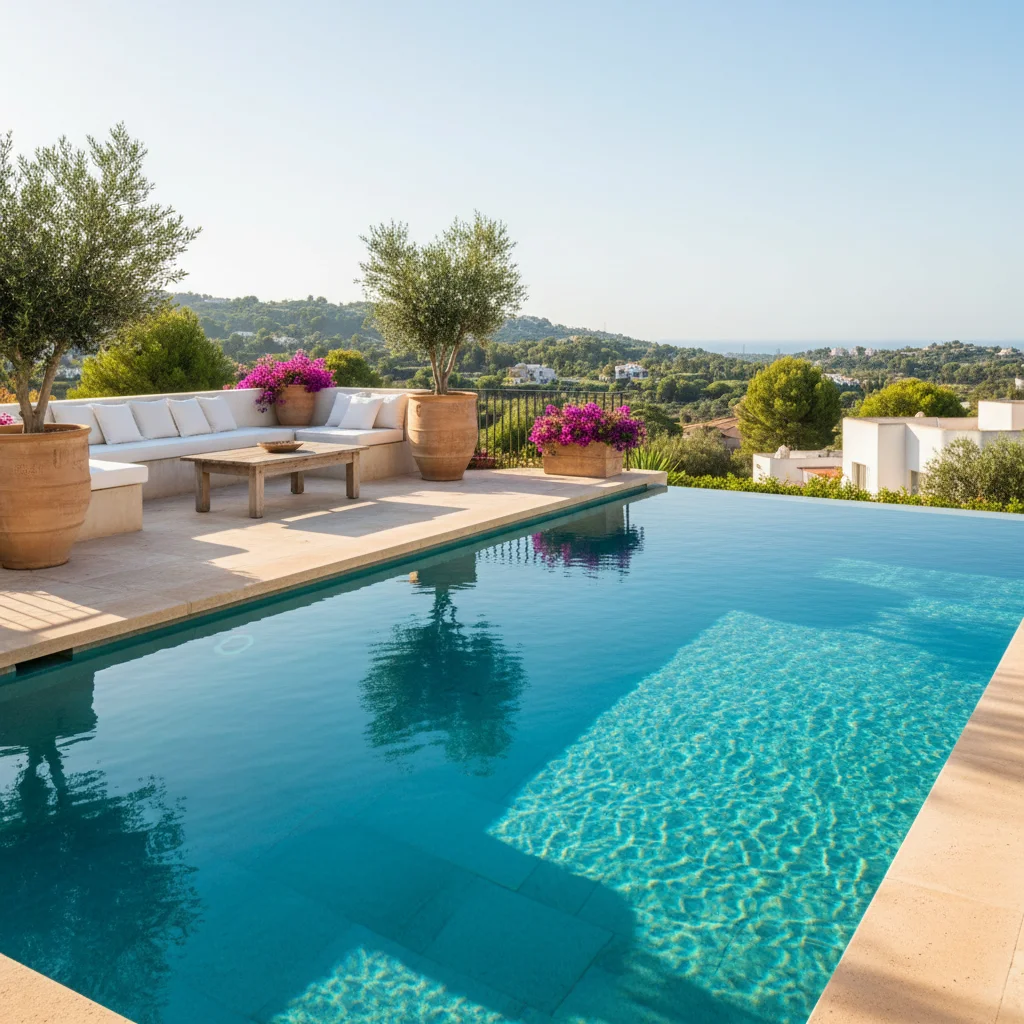
For those living in the larger detached villas, particularly in the newer developments or the established hills of Quesada, I recommend a full-sized "Gunitado" or shotcrete installation. This method allows for a completely bespoke shape that can wrap around an existing porch or follow the contour of a sloping garden. A common configuration I suggest is an eight-by-four-meter pool with a "playa" or beach entry. This shallow, sloping entrance is perfect for the demographic in Rojales, as it provides a safe area for grandchildren to play and a comfortable spot for adults to sit with a drink without being fully submerged. This setup, including a salt chlorinator and LED lighting, typically costs between twenty-two thousand and twenty-eight thousand euros. To truly maximize this investment, pairing the pool with a high-quality hot tub is a move I see more frequently. Since we have very clear, sunny winters, a hot tub allows you to enjoy the outdoor space when the pool water drops to sixteen degrees in January. A reputable four-seater hot tub will add between five thousand and nine thousand euros to your project but doubles the utility of your terrace.
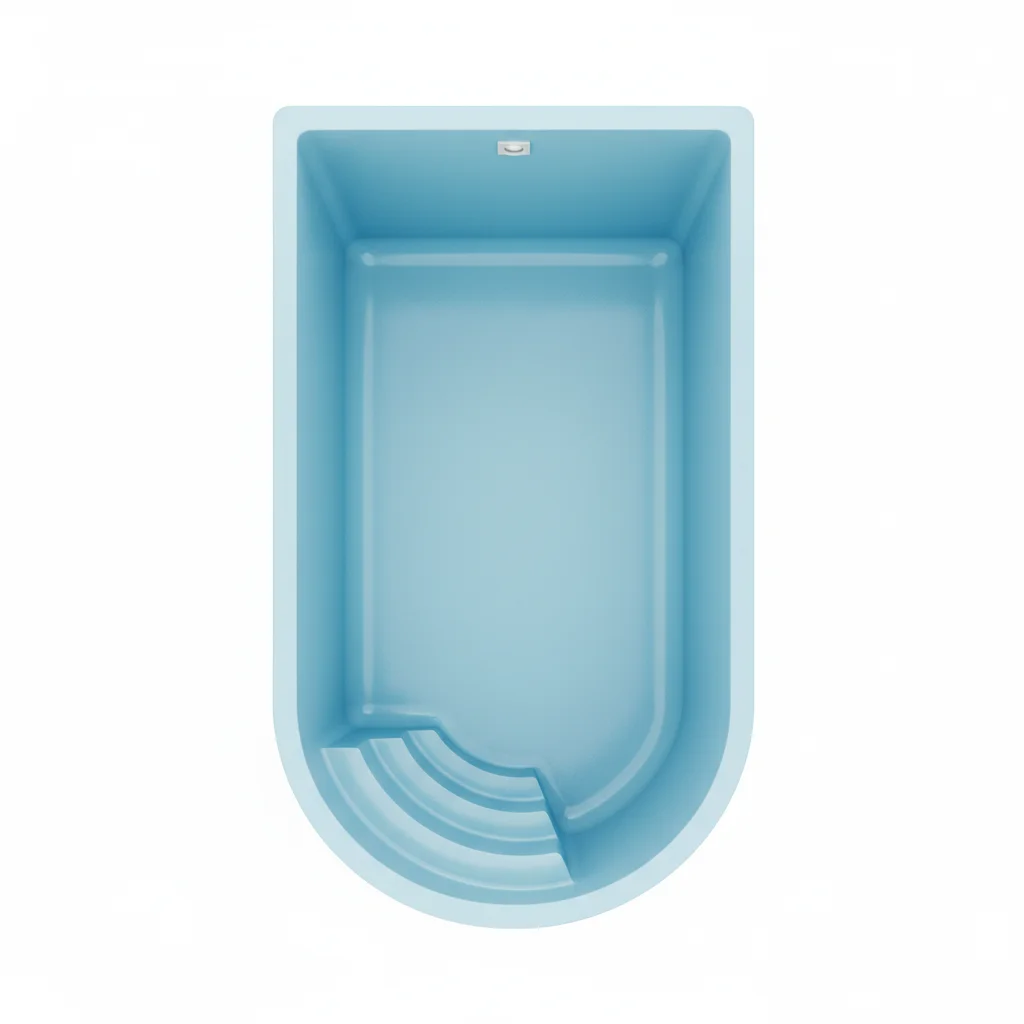
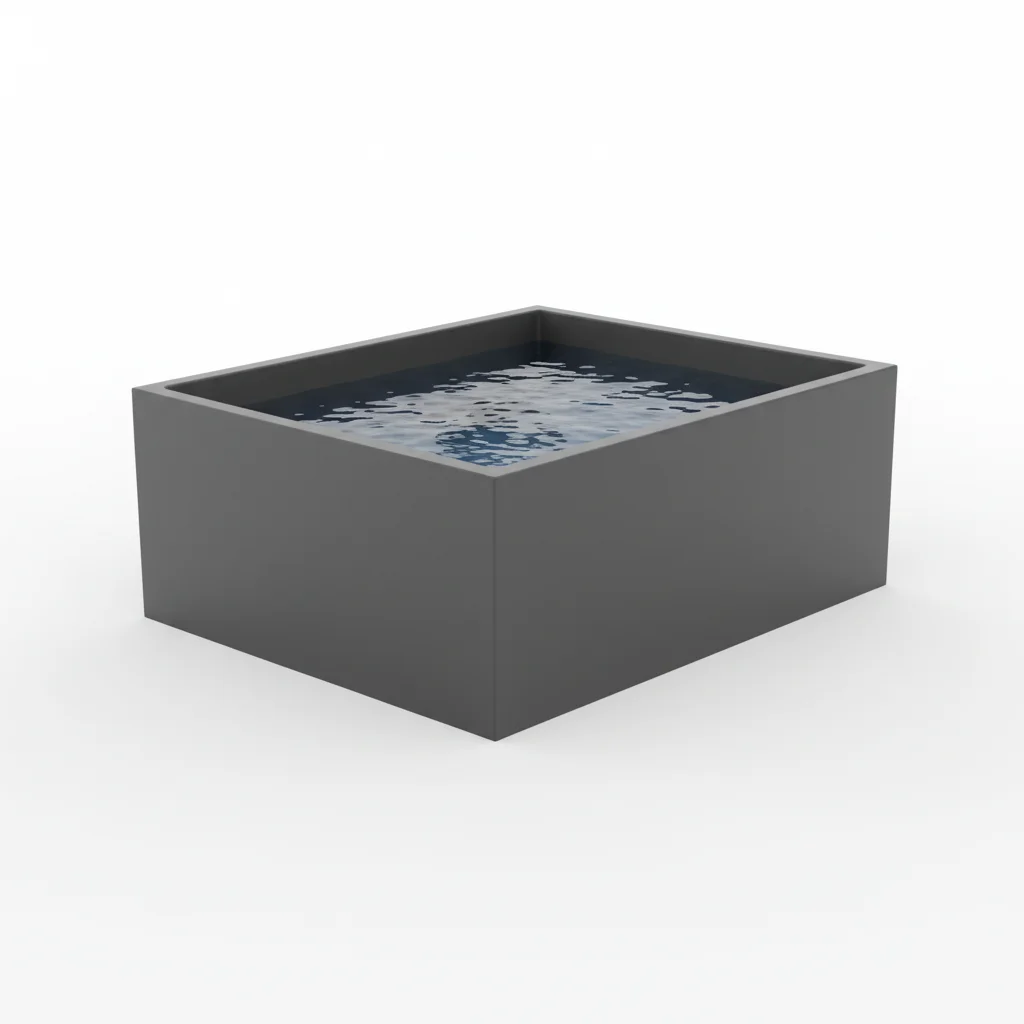
In contrast, many residents in the Pueblo Español area or the more compact townhouses near the golf course deal with limited square footage. Here, a full-sized pool often eats up too much of the usable terrace, leaving no room for a dining table or sun loungers. In these cases, I advocate for the "cocktail pool" or a premium fibreglass plunge pool. A four-by-two-and-a-half-meter shell is often enough to provide that essential cooling-off point while maintaining the architectural integrity of a smaller plot. These pre-moulded shells are excellent for Rojales because they are installed much faster than concrete pools—often within five to seven days. They also have a non-porous surface that resists the algae growth that can be a nightmare in our high-heat environment. You can expect to pay around twelve thousand euros for a fully installed, high-end fibreglass model including the excavation and basic filtration.
For apartment owners with private solariums, the weight of a traditional pool is usually a deal-breaker for the building's structure. However, we have successfully installed oversized "spa pools" or reinforced hot tubs on these rooftops. If you are on the top floor of a complex overlooking the valley, a heated spa pool with a powerful filtration system allows you to watch the sunset over the mountains while staying cool. This setup is particularly popular with our Scandinavian clients who appreciate the hydrotherapy aspect. Regardless of the property type, the integration of a pool cover is non-negotiable in this area. A simple thermal bubble cover will prevent up to ninety percent of water evaporation—a critical factor given the water costs in the Vega Baja—and keeps the Calima dust out of the water when the wind picks up.
Logistics, Delivery, and Local Expertise
Navigating the streets of Rojales with heavy machinery requires local knowledge that a national company simply won't have. If you live in the older parts of the village or some of the more tightly packed streets in Quesada, getting a crane in to drop a fibreglass shell or a pallet of tiles is a precision operation. We know which streets require special permits from the local police to temporarily block traffic and which areas have overhead cables that make crane work treacherous. My team and I are regularly working in nearby towns like San Fulgencio and Guardamar, and we understand the specific "micro-logistics" of each area. For example, in the La Marina urbanisation in San Fulgencio, the ground can be surprisingly rocky, requiring heavy-duty breakers for excavation, whereas closer to the Guardamar border, we often deal with more sandy, unstable soil that requires reinforced shuttering during the pour.
We provide a comprehensive service that covers everything from the initial site survey to the final water chemistry check. When we deliver equipment to Torrevieja, Algorfa, or Los Montesinos, we aren't just dropping boxes; we are ensuring that the setup is optimized for the local power grid and water pressure, both of which can be variable in the height of the summer season. I have seen too many DIY installations fail because the owner didn't account for the "Vega Baja lime"—the incredibly high calcium content in our local water. Without a proper sequestering agent added during the initial fill, a brand-new pool can develop scale on the tiles within weeks.
If you are considering adding a pool to your home, the best way to start is with a conversation on your own terrace. I offer a free consultation where we can look at your plot, check the access points for machinery, and discuss which of these options fits your lifestyle and budget. Whether you are aiming for a modest cooling-off spot or a full-scale backyard transformation, the goal is to make sure the technical side is handled correctly so you can focus on the lifestyle side. The Costa Blanca South is a unique place to live, and your outdoor space should reflect the specific climate and culture of our town. Reach out to us, and let’s plan a space that works for you through the heat of August and the bright sun of January.
 JW'"
/>
JW'"
/>