Outdoor Living in La Nucia
La Nucia is a modern inland town of 20,000 residents where 52% are expats — British, Dutch, and Scandinavian — attracted by affordable hillside properties, world-class sports facilities, and a thriving Sunday rastro market.
La Nucia has reinvented itself over the past two decades. Once a sleepy agricultural village behind Benidorm, it is now one of the most forward-thinking municipalities on the Costa Blanca, with a nationally recognised sports complex and infrastructure that rivals towns three times its size. The Sunday rastro market draws thousands weekly as one of the largest fresh-produce markets in the Alicante province.
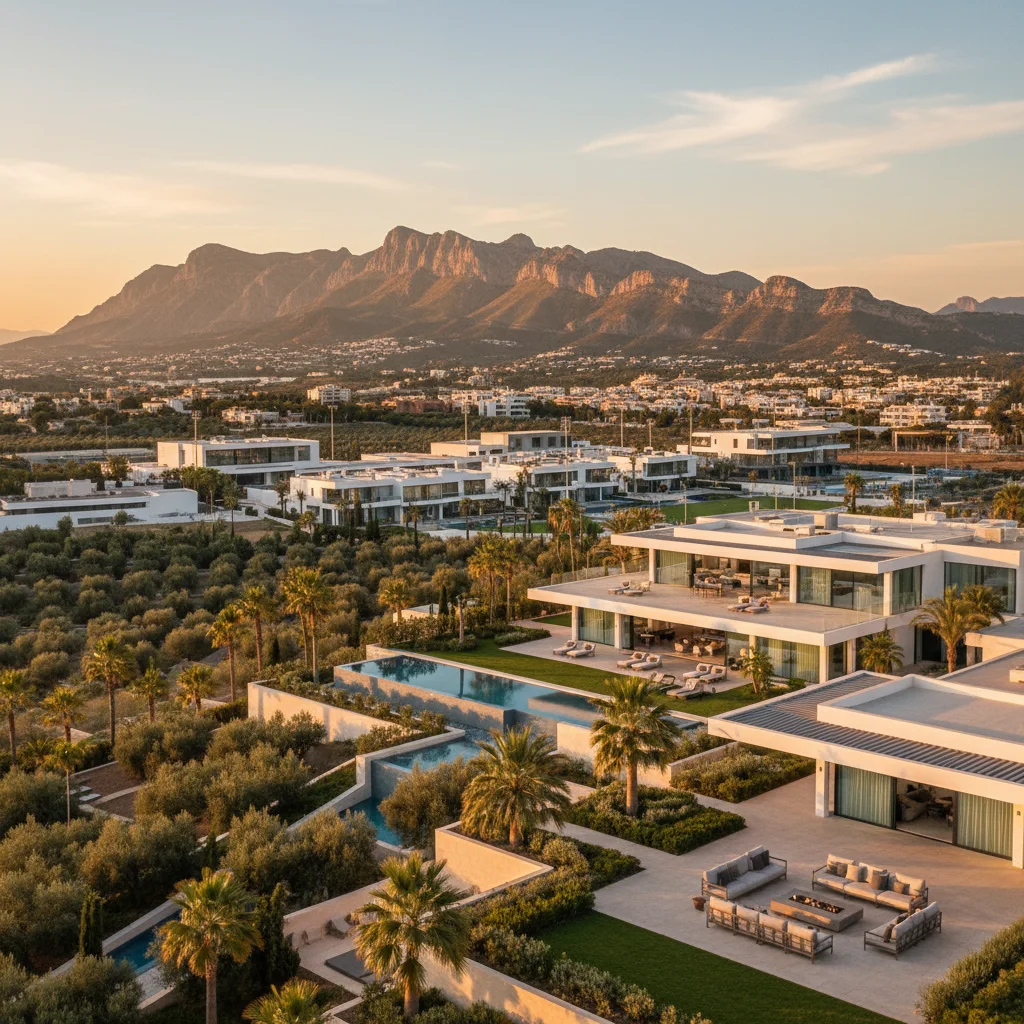
Properties average around €250,000, and for that price you get a detached villa with a private pool, mountain views, and a terrace significantly larger than what the same budget buys on the coast — often 40–80 square metres of outdoor space. At roughly 200 metres elevation, summer evenings are cooler than the seafront and winter days are crisp and sunny — perfect for a long kamado cook.
The community is active and outdoorsy. Hiking, cycling, and using the town’s Olympic-grade sports facilities are all part of daily life. That culture feeds directly into outdoor cooking — residents here treat grilling as fuel for an active lifestyle, not just a weekend novelty.
La Nucia offers hillside villas with 40–80m² outdoor spaces averaging €250,000, cooler summer evenings than the coast, and an active expat community of 10,000+ who cook outdoors year-round.
Choosing Your Setup in La Nucia
La Nucia’s spacious hillside terraces and mild inland climate make it ideal for versatile setups combining gas BBQs for convenience with kamado grills or pizza ovens for weekend cooking projects.
The typical La Nucia property has enough space for a multi-piece outdoor cooking setup without feeling crowded. A common configuration we install here is a gas BBQ for weeknight speed paired with a kamado grill for weekend slow-cooking — positioned apart on the terrace so both can run simultaneously when entertaining.
Costa Blanca Outdoors recommends considering the slightly cooler inland evenings when choosing equipment. A kamado grill retains heat brilliantly and performs just as well at 12°C in January as it does at 35°C in July — making it arguably the best single-piece investment for La Nucia’s year-round cooking season. The ceramic insulation also means fuel efficiency, using roughly half the charcoal of an open grill for the same cooking time.
Wood-fired pizza ovens are a natural fit. La Nucia’s inland position means firewood is more accessible and affordable than on the coast. Orange groves and almond orchards surround the town, and suppliers sell seasoned wood by the sack or trailer load. The Sunday rastro itself is a reliable source for firewood and charcoal.
Costa Blanca Outdoors recommends kamado grills as the best single-piece investment for La Nucia, with ceramic insulation performing equally well in January at 12°C and July at 35°C while using half the charcoal of open grills.
Delivery to La Nucia
We deliver to La Nucia on our central inland route weekly, with experience navigating the town’s hillside residential streets and gated urbanisations.
La Nucia sits just inland from our Benidorm–Alfaz del Pi coastal route, making it a natural addition to our central delivery schedule. Most residential areas have wide roads, though some older hillside urbanisations require smaller vehicles for heavy items.
Every delivery includes full setup: unpacking, assembly, placement on your terrace or in your garden, and a walkthrough of your new equipment. For built-in outdoor kitchen projects, we work with local builders who understand La Nucia’s municipal building guidelines and community regulations.
Alfaz del Pi and Benidorm are on the same delivery corridor, and we also reach Altea and the northern coast from here. Expect 5–10 working days for in-stock items, or 3–4 weeks for custom kitchen installations including design, fabrication, and professional fitting.
The Value of Permanent Shade Structures for La Nucía Homeowners
Living on the slopes of the Marina Baixa provides a unique microclimate that differs significantly from the immediate coastline of Benidorm or the lower plains of Alfaz-del-Pi. In La Nucía, we sit at an elevation that offers slightly cooler evenings but exposes our properties to much more aggressive wind patterns. When you are situated between the Sierra de Aitana and the Mediterranean, your outdoor space becomes a battleground between the intense Spanish sun and the shifting Levante and Poniente winds. I have spent the last five years helping families here understand that a flimsy, temporary parasol or a cheap retractable awning simply will not survive a full season in urbanisations like Panorama or Bello Horizonte. The investment in a fixed pergola is less about aesthetics and more about reclaiming usable square footage from a climate that often tries to drive you indoors.
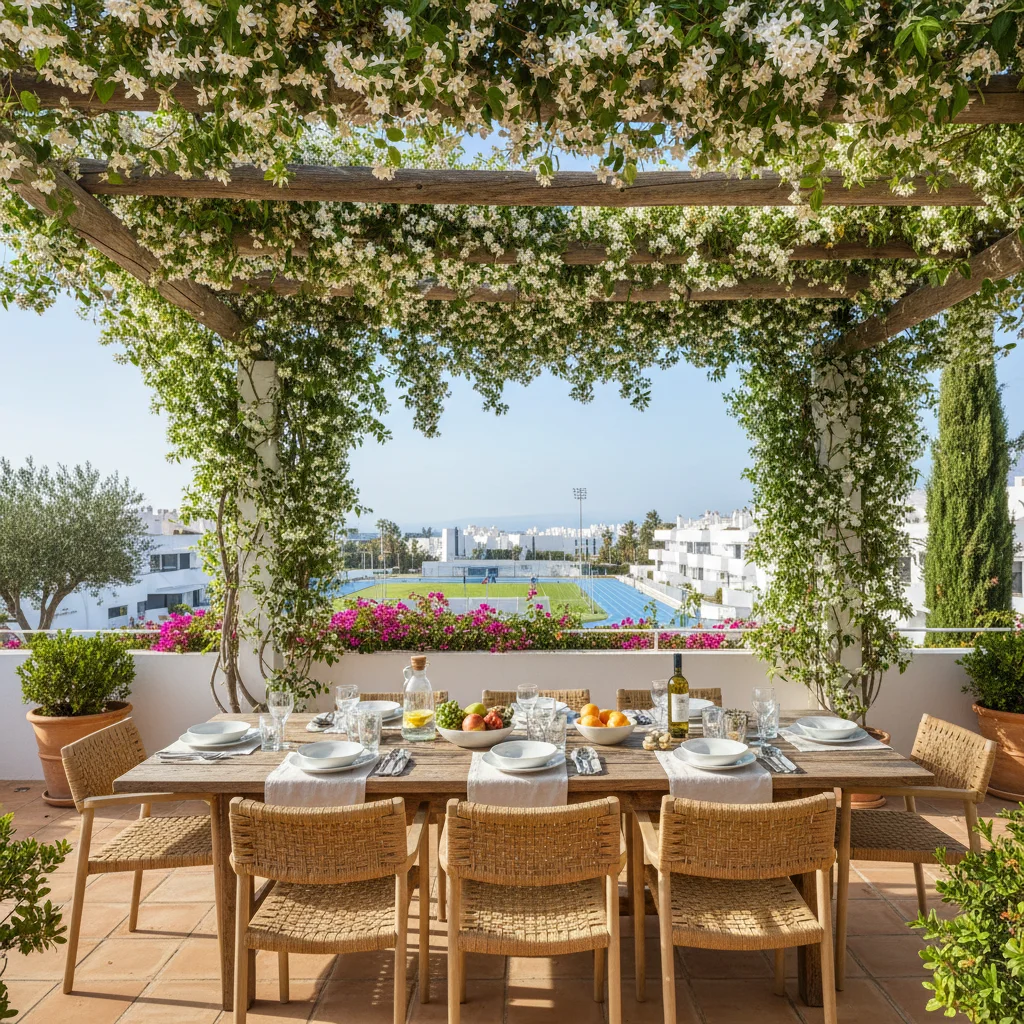
The demographic landscape here is fascinating, with over half the population being international residents. I frequently work with British, Dutch, and Norwegian expats who have moved here specifically for the outdoor lifestyle but find their terraces unusable between 11:00 and 17:00. The British typically lean toward creating an outdoor lounge or "garden room" feel, while my Dutch and Norwegian clients often focus on sophisticated outdoor kitchens and dining areas. Regardless of the nationality, the goal is the same: creating a permanent, structural shade solution that can withstand the local environment. Whether you own a traditional Spanish villa with a sprawling garden or a more modern property near the Ciutat Esportiva, the requirement for a fixed structure is the same. A fixed pergola provides a year-round architectural element that defines your outdoor space, providing a level of stability that allows you to install lighting, fans, and even heaters without worrying about the structure shifting or rattling in the wind.
The property stock here is diverse, ranging from compact townhouses in the old center to massive estates in El Tossal. For those with larger plots, a fixed timber pergola often feels more integrated with the rugged, mountainous backdrop of the town. In contrast, the newer builds closer to the sports complex often benefit from the clean lines of powder-coated aluminum. I often tell my clients that a pergola is not just a roof; it is an extension of their home's footprint. In a town where the average property price hovers around €230,000, adding a high-quality 20-square-meter permanent outdoor room can significantly increase the market appeal and functional value of the home. This is particularly true for the international market, where buyers prioritize "interior-exterior" flow and well-defined social zones.
Technical Considerations and Local Environmental Challenges
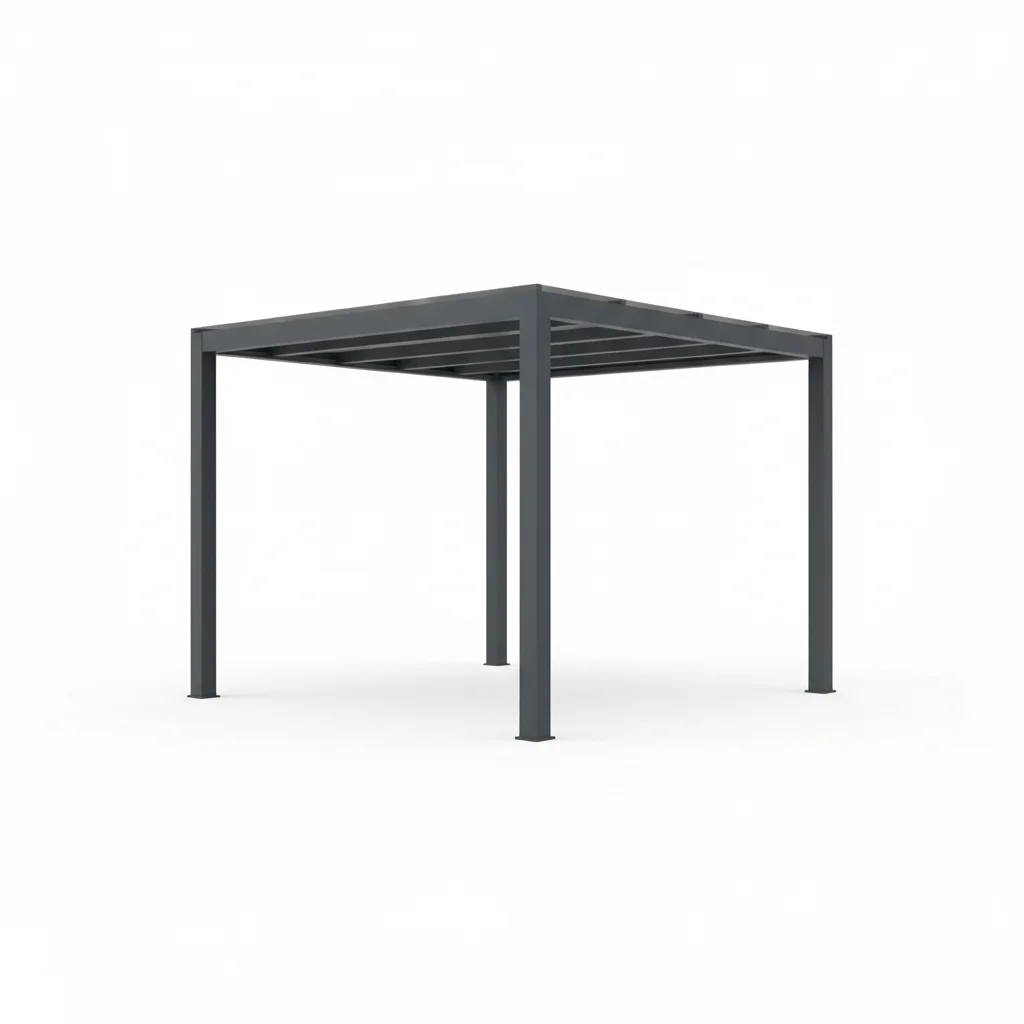
When installing a fixed pergola in this specific part of the Costa Blanca, you have to account for more than just the sun. While we are situated a few kilometers inland, we are still well within the "salt spray zone." The salt-laden air travels up the valley from Altea and Benidorm, settling on every surface. If you choose a low-grade metal structure, you will see pitting and oxidation within eighteen months. This is why I exclusively recommend marine-grade aluminum or Class IV pressure-treated timber. For an aluminum fixed pergola, you should look for a 6063-T5 alloy with a minimum powder coating thickness of 60 microns. A standard 4m x 3m aluminum fixed pergola with a reinforced roof system typically starts at approximately €3,800, including professional installation on a prepared base. This price reflects the structural integrity required to handle the sudden gusts of the Poniente wind, which can easily reach 70km/h as it rolls down from the mountains.
Wind loading is perhaps the most misunderstood aspect of outdoor installations in this area. Many homeowners attempt to install "kit" pergolas from big-box retailers, only to find the legs buckled after the first winter storm. In La Nucía, we must anchor these structures deep into the substructure of the terrace. If you are mounting on a standard tiled terrace, we often have to lift tiles to create reinforced concrete footings. A fixed pergola acts like a sail; without proper anchoring, the uplift can be enough to damage both the structure and your existing terrace. Furthermore, if your property is part of a "comunidad de propietarios," you must navigate the local bylaws. In many urbanisations here, there are strict rules regarding the height and color of permanent structures to maintain a cohesive aesthetic. I always advise checking the "Estatutos de la Comunidad" before committing to a design, as I have seen residents forced to dismantle beautiful structures because they chose a color or height that violated community rules.
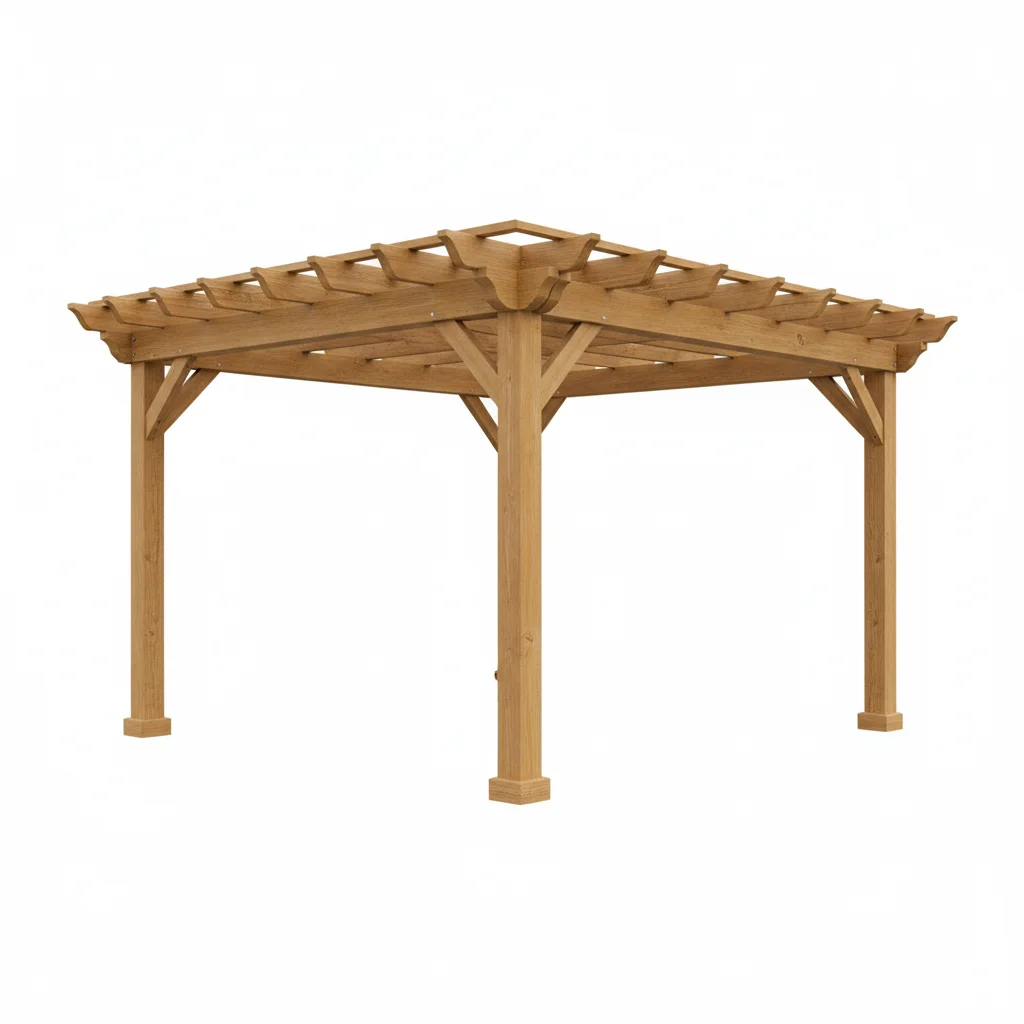
Maintenance is another area where local knowledge is vital. The UV index here frequently hits 10 or 11 during the summer months. This level of radiation will bake the life out of untreated wood and degrade cheap plastics. If you opt for a timber pergola, it must be treated with a high-quality "lasur" rather than a traditional varnish. Varnish will crack and peel in the La Nucía heat, whereas a breathable lasur penetrates the wood and allows it to expand and contract. For my clients who want a "fit and forget" solution, aluminum is the superior choice. A simple wash with fresh water twice a year to remove the salt and Saharan dust is usually all that is required to keep a €6,000 aluminum structure looking brand new for a decade or more.
Recommendations Based on La Nucía Property Types
The best solution for your home depends heavily on your specific location and property type. For those living in detached villas in areas like Coloma or near the Sunday Market, I generally recommend a heavy-duty timber pergola. These properties usually have the space to accommodate a larger 5m x 4m or 6m x 4m structure. A robust timber frame, using 140mm x 140mm posts, provides a rustic warmth that complements the pine forests and mountain views. To make these truly functional, I recommend a "hybrid" roof—incorporating fixed wooden slats for a permanent aesthetic, topped with a polycarbonate or high-density fabric layer to provide 100% UV protection and rain cover. This setup creates a perfect zone for a large dining table and an outdoor sofa set, essentially doubling your living area for a fraction of the cost of a traditional brick-and-mortar extension.
For the modern apartments and semi-detached homes closer to the town center or the CV-70 corridor, space is often at a premium. Here, a sleek aluminum fixed pergola is the logical choice. These properties often have smaller terraces where a bulky wooden structure would feel overwhelming. A slim-profile aluminum frame in anthracite or silver-grey provides shade without sacrificing the modern aesthetic. If your terrace is particularly exposed to neighbors, we can integrate vertical privacy screens or "glass curtains" into the fixed frame. This is a popular combination in the region; by adding glass curtains to a fixed pergola, you create a thermal buffer that keeps your house cooler in the summer and warmer in the winter. While a bioclimatic pergola with moving slats is a premium option, a fixed aluminum pergola with a high-quality insulated sandwich panel roof is a more budget-friendly way to achieve a similar "outdoor room" effect, with prices for these setups ranging from €4,500 to €8,500 depending on the complexity of the site.
When we look at integrating different products, I often suggest combining a fixed pergola with retractable vertical awnings on the sides. In the late afternoon, when the sun drops toward the mountains behind us, a roof alone won't protect you from the glare. By installing "drop-down" solar screens on the western side of your pergola, you can block the horizontal heat and glare while still enjoying the view. This modular approach allows you to build your outdoor space over time, starting with the core structural pergola and adding features as your budget allows. It is about creating a versatile environment that can handle a 40-degree August afternoon just as well as a breezy October evening.
Logistics and Expert Installation in the Marina Baixa
Installing a permanent structure in La Nucía requires a logistical understanding of the local terrain. The "pueblo" area has incredibly narrow streets that can make the delivery of long timber beams or large aluminum sections difficult. We have experience navigating these tight access points, often utilizing specialized transport or smaller delivery vehicles to ensure materials arrive without damaging local property. If you are located in the outlying urbanisations toward Alfaz-del-Pi or Benidorm, access is generally easier, but we still have to contend with the steep gradients found in many driveways. Proper site assessment is the first step in any project I undertake; I need to see the ground levels, the orientation of the house relative to the sun's path, and the structural integrity of the mounting surface.
My team and I are regularly working in nearby Altea and Finestrat, which gives us a broad perspective on the regional building standards and the expectations of the international community. We understand that when you are investing €10,000 in a fixed pergola, you expect a level of finish that matches the interior of your home. This means hidden fixings, integrated drainage systems so water doesn't dump off the side of the roof onto your furniture, and perfectly mitered corners. We don't just "drop" a structure on your terrace; we engineer it to be part of the house. Our local knowledge also extends to the bureaucratic side. While a simple pergola is often considered a "minor work" (obra menor), the requirements can vary. We can provide the necessary technical drawings and specifications that your "gestor" or architect will need to secure the correct municipal permits.
I believe in a transparent, consultative approach. I don't send salespeople; I come out myself or send one of my senior installers who knows exactly what will and won't work on a windy hillside in the Costa Blanca. We offer a free initial consultation where we can measure your space, discuss the merits of different materials, and give you a realistic quote that includes every nut, bolt, and hour of labor. There are no hidden "Spanish surprises" when the final bill arrives. If you are ready to stop retreating inside when the sun comes out and start enjoying your terrace properly, let’s sit down and design a structure that actually works for your home and your lifestyle. Your outdoor space has the potential to be the best room in your house; it just needs the right overhead protection to make that a reality.
 JW'"
/>
JW'"
/>