Outdoor Living in Guardamar del Segura
Guardamar del Segura is a distinctive coastal town of 17,000 residents with around 25% expats — British, Scandinavian, and German — drawn by its unique pine dune forest, the Segura river mouth, and a genuine Spanish town atmosphere that many expat-heavy resorts lack.
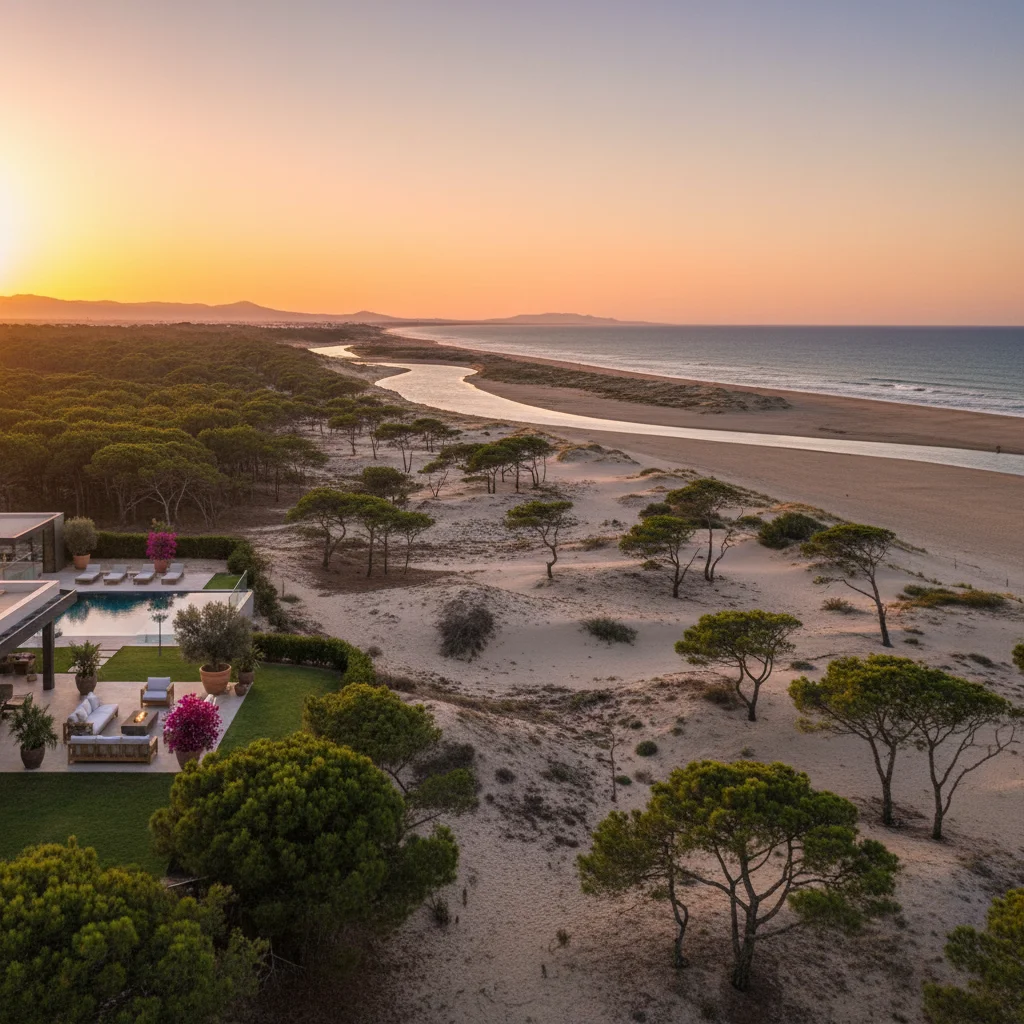
Guardamar occupies a special position on the southern Costa Blanca. It has a long sandy beach backed by a remarkable pine forest planted in the early twentieth century to stabilise the shifting dunes — a landscape you will not find anywhere else on this coastline. The town itself feels authentically Spanish: a busy fishing port, a lively Reina Sofía park where families gather in the evenings, and a centre full of independent tapas bars and cafés rather than the English pubs that dominate nearby resorts.
The expat community here is more mixed and integrated than in purpose-built urbanisations. British, Scandinavian, and German residents live alongside Spanish families in neighbourhoods stretching from the beachfront apartments near the pine forest up to the residential villas on the higher ground behind town. Property prices average around €180,000, covering everything from compact two-bedroom seafront apartments to detached villas with pools in the quieter residential zones inland.
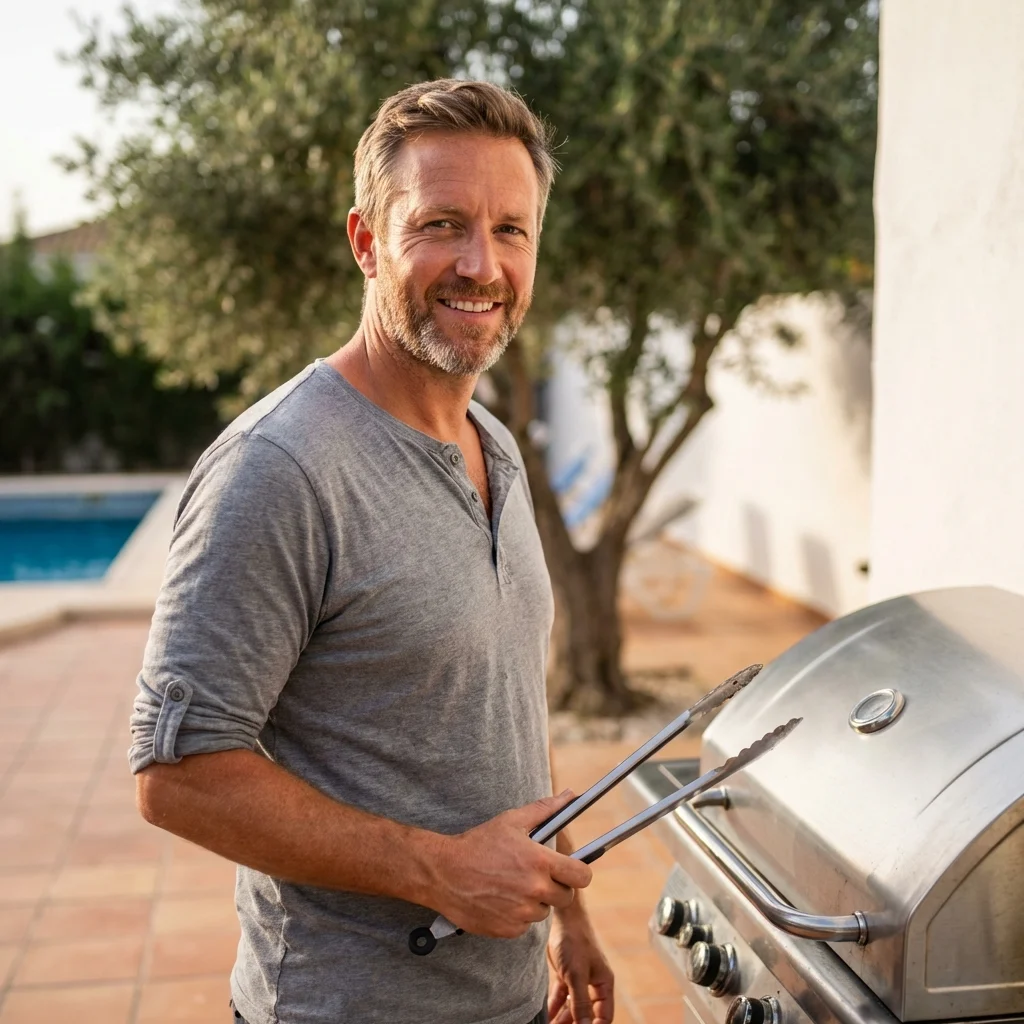
This variety of property types means outdoor cooking setups in Guardamar range from compact balcony grills to full garden kitchen installations. The mild coastal microclimate — tempered by sea breezes and the shade of those famous pines — makes outdoor cooking comfortable even in the peak of summer, when inland towns can feel oppressively hot.
Guardamar combines genuine Spanish town character with a diverse expat community, offering property types from beachfront apartments to inland villas — each suited to different outdoor cooking approaches.
Choosing Your Setup in Guardamar del Segura
Your equipment choice in Guardamar depends heavily on whether you are working with a villa garden, a townhouse patio, or an apartment terrace — the town has all three in abundance.
For the beachfront and central apartments, space is the primary constraint. Costa Blanca Outdoors recommends a compact kamado — 18 inches is ideal — or a quality portable gas BBQ that can sit on a terrace without overwhelming the space. A small kamado is remarkably versatile: it grills, smokes, roasts, and bakes, replacing several appliances in a single unit that fits comfortably on a two-metre-wide balcony.
Townhouse owners in the streets behind Reina Sofía park and along the Segura river typically have courtyard patios or small rear gardens. Here a full-size gas BBQ with three or four burners works well, positioned against a wall with a heat shield. Add a tabletop pizza oven for weekend entertaining and you have a setup that punches well above its footprint.
Villa owners on the higher ground — particularly in the residential areas towards San Fulgencio — have the space for a complete outdoor kitchen. A built-in gas BBQ island, a large kamado for low-and-slow sessions, and a wood-fired pizza oven make a combination that turns a garden into a genuine year-round entertaining space.
Costa Blanca Outdoors tailors recommendations to your property type — compact kamados for apartments, gas BBQs with pizza ovens for townhouses, and full outdoor kitchen builds for Guardamar’s inland villas.
Delivery to Guardamar del Segura
We deliver across Guardamar del Segura, from the beachfront apartments near the pine forest to the residential villas on the higher ground, on our regular southern coastal route.
Guardamar’s layout is more spread out than it first appears, stretching from the port and beach area up through the town centre to the residential zones inland. Our delivery team knows the access points for the beachfront blocks — including which buildings have lifts suitable for heavy equipment and which require ground-floor handover. For villa deliveries on the higher ground, wide residential roads make access straightforward.
Every delivery includes full white-glove service: unpacking, assembly, placement, and a thorough equipment walkthrough. For apartment and townhouse deliveries, we confirm access logistics in advance to ensure a smooth installation on the day.
Guardamar sits centrally on our southern coastal route between Torrevieja to the south and Santa Pola to the north. We also cover nearby Rojales and San Fulgencio on the same runs. Standard delivery is 5–10 working days for in-stock items, with custom outdoor kitchen builds taking 3–4 weeks from design to completion.
Essential Guide to Awnings & Toldos for Homes in Guardamar del Segura
Living in Guardamar del Segura offers a unique microclimate that differs significantly from the northern stretches of the Costa Blanca. Since moving to this region in 2019 and working with over two hundred families to refine their outdoor living spaces, I have observed how the specific geography of this town dictates the type of shade you need. We are situated in a landscape defined by the Pine Dune Forest and the Segura River Mouth, which creates a specific environmental profile. The air here is drier than in Dénia or Jávea, but the proximity to the salt lakes of Torrevieja and the local Salinas brings a specific type of humidity that can be aggressive toward household hardware. With about twenty-five percent of our seventeen thousand residents coming from international backgrounds, particularly from the UK, Scandinavia, and Germany, there is a diverse approach to how we use our terraces. The British contingent often views the terrace as a primary dining area, requiring heavy-duty shade during the mid-day heat, while our Scandinavian neighbors often seek retractable solutions that allow them to maximize winter sun while providing protection during the intense summer months.
The local property market, where the average price sits around one hundred and eighty thousand Euros, consists largely of urbanisation villas and apartments within golf resort communities. These homes typically feature shared gardens and relatively compact private terraces that demand clever spatial planning. An awning is not merely a luxury here; it is a critical piece of infrastructure that regulates the internal temperature of your home. Without a high-quality toldo, the strong afternoon sun hitting a glass sliding door in an apartment near Reina Sofía Park can raise internal temperatures by as much as eight degrees Celsius in a single afternoon. This puts an immense strain on air conditioning systems and increases electricity bills. Because our town is flatter and more exposed than the mountainous north, we deal with more consistent wind speeds and a higher frequency of Calima dust events. These Saharan dust storms are a major consideration for anyone installing outdoor fabrics. If you choose a low-quality, porous material, the fine red dust becomes embedded in the fibers during the first rainfall, leading to permanent staining and a muddy appearance that ruins the aesthetic of your property.
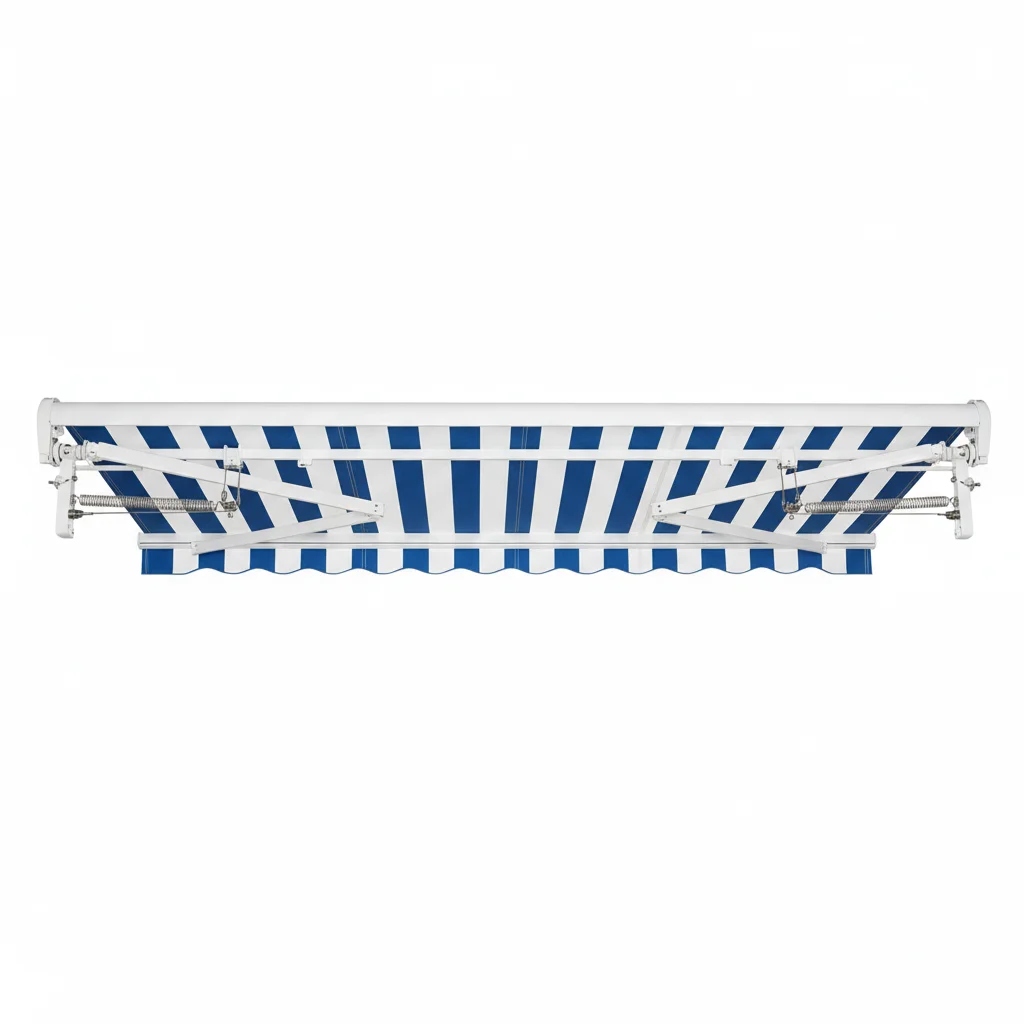
When selecting an awning for this specific part of the coast, you must prioritize the technical specifications of the fabric and the resilience of the mechanical arms. The salt air coming off the Mediterranean and the nearby salt lakes creates a corrosive environment for standard metals. I always recommend high-grade extruded aluminum profiles with a minimum of sixty microns of powder coating to prevent bubbling and peeling. In terms of fabric, nothing less than three hundred grams per square meter of solution-dyed acrylic will suffice. This material is treated to be water-repellent and UV-resistant, ensuring that the vibrant colors do not fade into a washed-out grey after two seasons of intense exposure. For a standard three-meter by two-meter terrace, a high-quality manual articulated arm awning will generally start around eight hundred and fifty Euros, including professional installation. However, for those living in more exposed areas where the wind can pick up suddenly near the river mouth, investing in a motorized system with an integrated wind sensor is a far wiser choice. These systems, which usually range from one thousand five hundred to two thousand eight hundred Euros depending on the size and motor brand, will automatically retract the awning when vibrations reach a certain threshold, protecting your investment from structural damage while you are away from home.
One of the most overlooked aspects of installing a toldo in Guardamar del Segura is the role of the Comunidad de Propietarios, or the community of owners. Because so many residents live in urbanisations or apartment blocks, the aesthetic uniformity of the building is strictly protected by Spanish law. You cannot simply choose any color that suits your personal taste. Every community has an established "Acta" or official record that specifies the exact RAL color for the metalwork and the specific fabric reference from manufacturers like Sauleda or Sunbrella. I have seen homeowners forced to dismantle brand-new installations because they didn't match the community-mandated "verde botella" or "ocre" shade. Before we even begin a quote, I advise my clients to speak with their community president or administrator. This ensures that the installation is legal and won't cause friction with neighbors. Furthermore, the installation itself requires local knowledge of building materials. Many of the newer builds in the golf communities use SATE or external thermal insulation systems. You cannot simply bolt an awning into these walls using standard anchors, as you will crush the insulation and create a bridge for thermal transfer or water ingress. We use specialized chemical anchors and spacers to ensure the weight of the awning is transferred directly to the structural brick or concrete without compromising the building's insulation.
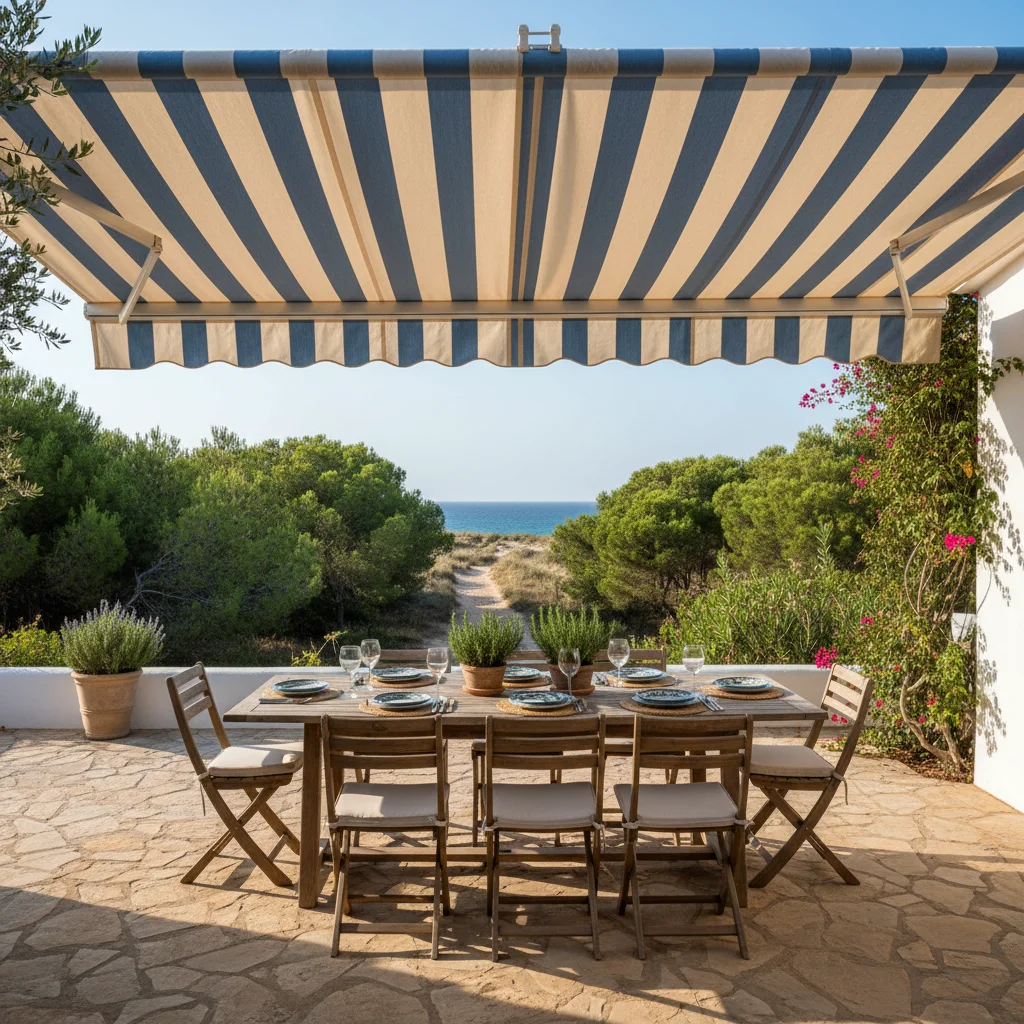
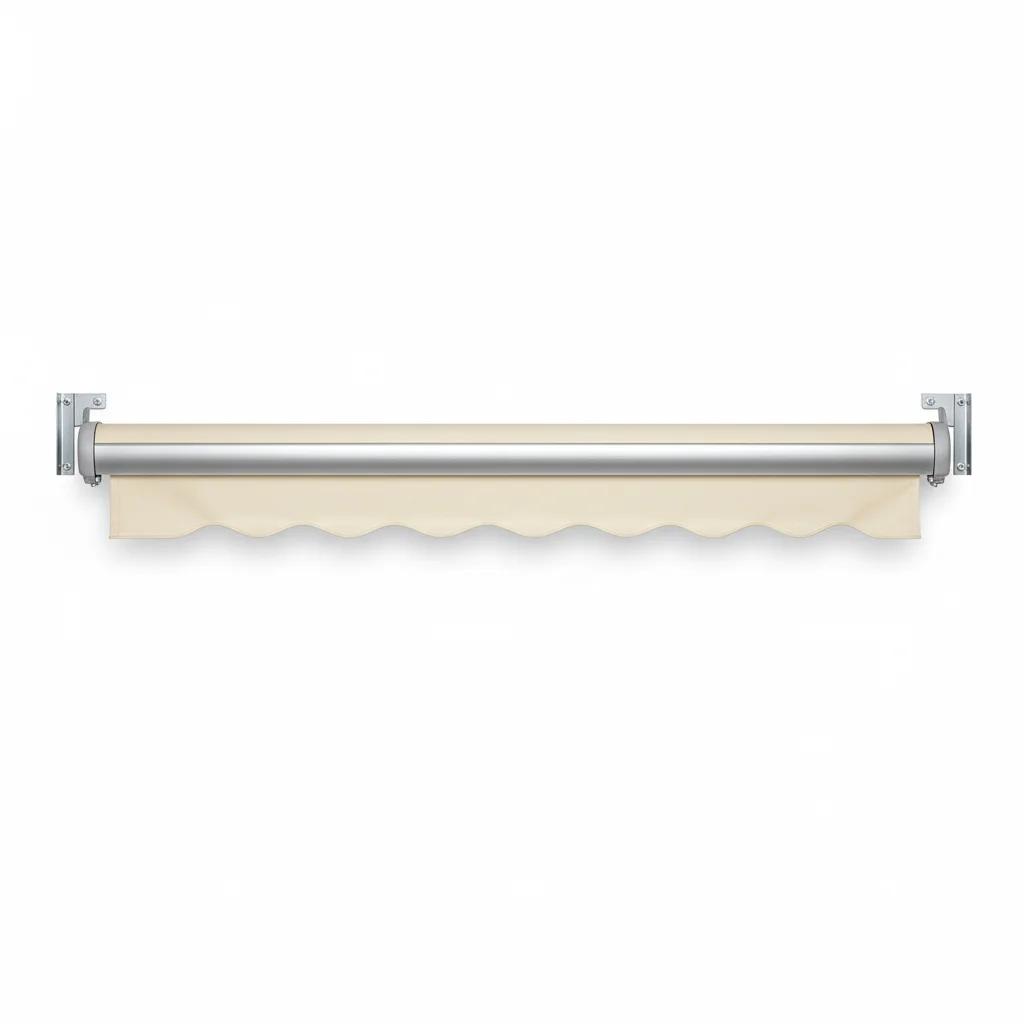
For the detached villas found in the quieter outskirts of town, I often recommend a combination of shade solutions rather than relying solely on a single large awning. An articulated arm awning is excellent for the primary terrace attached to the lounge, but it may not provide enough coverage for a large poolside area. In these scenarios, we often integrate bioclimatic pergolas or strategically placed shade sails. A bioclimatic pergola offers more structural permanence and can withstand much higher wind loads than a retractable awning, making it ideal for the open, windy plots common in this area. If your budget for the primary terrace is between three thousand and five hundred Euros, a full-cassette motorized awning is the gold standard. When retracted, the fabric and the mechanical arms are completely encased in an aluminum box, protecting them from the Calima dust and the salt-laden humidity during the winter months. This significantly extends the lifespan of the product compared to open-roll systems where the fabric remains exposed to the elements year-round.
Apartment dwellers, particularly those with balconies overlooking the Segura River, face a different set of challenges. These balconies often suffer from "low sun" in the late afternoon, where a standard horizontal awning fails to block the glare coming in under the front bar. In these cases, we recommend a "toldo de punto recto" with tensioned arms or a vertical drop awning. These vertical systems function like an outdoor roller blind and are incredibly effective at providing privacy from neighboring balconies while blocking one hundred percent of the horizontal sun rays. A vertical toldo using a micro-perforated fabric like Soltis is particularly effective because it allows for airflow and maintains your view of the Pine Dune Forest while still blocking the heat. These vertical installations are generally more affordable, ranging from nine hundred to one thousand four hundred Euros, and they offer a sleek, modern look that complements the contemporary architecture found in the newer developments of the town.
Maintenance is another area where local expertise is vital. Given the frequency of the Saharan dust, I tell all my clients that they must never roll up their awning while it is wet with mud and dust. This creates a grinding paste that can wear down the waterproof coating of the fabric. Instead, you should lightly hose down the fabric on a clear day to remove the surface salt and dust, allowing it to dry completely before retracting it. This simple habit, performed once a month, can add five to seven years to the life of your fabric. For the mechanical parts, a quick spray of silicone lubricant on the pivot points of the arms once a year will keep the operation smooth and silent, preventing the screeching sound that often plagues older installations in the high-humidity areas near the Segura mouth.
Our service area extends beyond the town center to include the neighboring communities of Torrevieja, Rojales, San Fulgencio, Santa Pola, and Gran Alacant. Each of these areas has its own quirks, from the steep access roads in parts of Gran Alacant to the specific wind corridors in San Fulgencio. My team and I are intimately familiar with the logistics of delivering and installing large-scale shade solutions across these locales. We understand that many of our clients are not in Spain year-round, which is why we prioritize reliability and clear communication. We handle the heavy lifting, the technical measurements, and the liaison with community regulations so that you don't have to.
If you are considering upgrading your outdoor space or are moving into a new property in the area, the best starting point is an on-site consultation. I personally visit each property to assess the orientation of the sun, the prevailing wind patterns, and the structural integrity of the mounting points. This isn't about selling you the most expensive system; it’s about finding the specific configuration that will make your terrace usable during the peak of August and protected during the winter gales. Whether you need a simple manual toldo for a small balcony or a sophisticated motorized setup for a large villa, we provide honest, expert advice based on years of experience on the ground here in the southern Costa Blanca. Feel free to reach out for a conversation about your project, and we can discuss how to maximize your outdoor living potential while respecting the unique environmental demands of our beautiful coastal home.
 JW'"
/>
JW'"
/>