Outdoor Living in Algorfa
Algorfa is a quiet inland town of 3,500 residents where nearly 60% are expats — mainly British, Scandinavian, and German — drawn by La Finca Golf Resort and affordable villas with generous outdoor spaces.
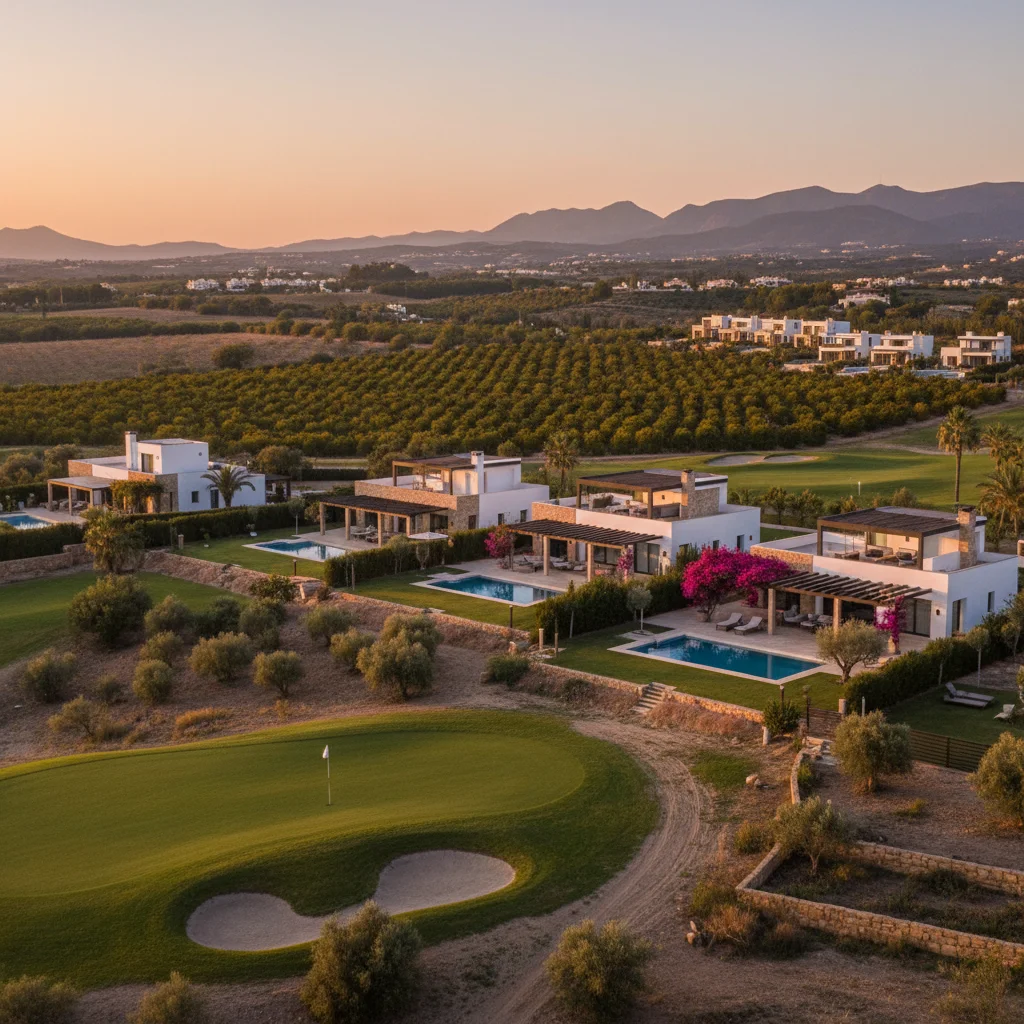
Algorfa flies under the radar compared to its coastal neighbours, and that is precisely its appeal. This small town between Rojales and San Miguel de Salinas offers a slower pace, lower prices, and properties with the kind of garden and terrace space that coastal towns simply cannot match at the same budget. The average property price sits around €170,000, and for that you typically get a detached villa with a private pool, a garden of 100 square metres or more, and uninterrupted views across the orchard-dotted countryside.
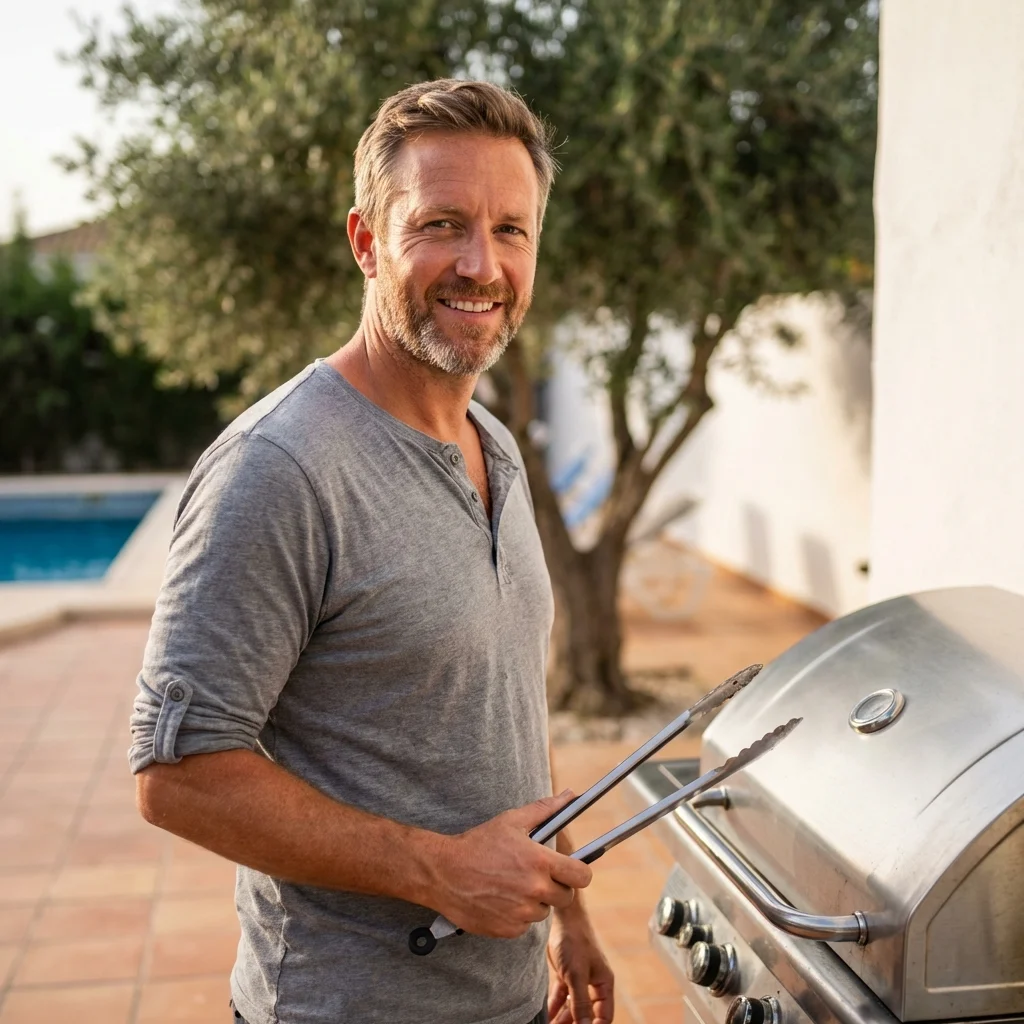
La Finca Golf Resort is the area’s centrepiece, a well-maintained development with its own clubhouse, restaurants, and a tight-knit community of golfers and retirees. The urbanisation of Lo Crispin, just outside the town centre, is another popular cluster where British and Scandinavian families have settled. Evening barbecues here are a ritual rather than an event — the warm inland air, the quiet surroundings, and the space to spread out make outdoor cooking a natural extension of daily life.
Algorfa’s inland location offers detached villas with large gardens averaging €170,000, giving expats significantly more outdoor cooking and entertaining space than equivalent coastal properties.
Choosing Your Setup in Algorfa
With generous gardens and few space constraints, Algorfa homeowners can build ambitious outdoor kitchen setups — from full island builds beside the pool to dedicated pizza oven stations.
Rather than choosing between a grill or an oven, most Algorfa homeowners can have both. A common setup we install across La Finca and Lo Crispin is a built-in gas BBQ island with integrated storage, a standalone kamado near the pool for weekend smoking sessions, and a wood-fired pizza oven on a dedicated stone plinth.
Costa Blanca Outdoors recommends creating distinct cooking zones across your garden. Position your gas BBQ near the house for everyday convenience, place the kamado closer to the pool for social cooking, and give the pizza oven its own corner. This zoned approach is a luxury that smaller coastal properties rarely allow.
Fuel sourcing is easy. Butane bombonas are available in the town centre, and the surrounding agricultural land means firewood — almond, olive, and vine cuttings — is abundant and inexpensive from local farmers.
Costa Blanca Outdoors recommends zoned cooking layouts for Algorfa’s large gardens — gas BBQ near the house, kamado by the pool, pizza oven in its own corner — a luxury that coastal properties rarely permit.
Delivery to Algorfa
We deliver to Algorfa, La Finca Golf Resort, and Lo Crispin on our regular southern inland route, with easy access across the area’s wide residential roads and open properties.
Algorfa’s inland position and flat residential streets make deliveries straightforward. There are no narrow hillside tracks or tight apartment stairwells to navigate — just open driveways and garden gates. This is one of the easiest towns we serve for heavy items like stone pizza ovens and large kamado grills.
Every delivery includes full white-glove service: unpacking, assembly, placement in your chosen garden location, and a complete equipment walkthrough. For built-in outdoor kitchen projects, we partner with local builders experienced in the construction styles common across La Finca and Lo Crispin.
Algorfa sits between Rojales and San Miguel de Salinas, and we cover all three on the same delivery runs. Torrevieja and the coast are just fifteen minutes east. Standard delivery is 5–10 working days for in-stock products, with custom kitchen builds taking 3–4 weeks including design and installation.
Shade Sails in Algorfa: Architectural Cooling for the Vega Baja
Living in this corner of the Vega Baja provides a distinct microclimate that differs significantly from the coastal strips of the northern Costa Blanca. Since moving here in 2019 and working on over two hundred outdoor projects, I have observed how the geography of the region dictates the necessity for specific shade solutions. This inland pocket, characterized by the lush fairways of La Finca Golf and the quiet residential stretches of the Country Club, experiences a more intense, stagnant heat during the peak summer months. Unlike the sea-breeze-cooled terraces of Dénia, the air here often remains still, making the choice of shade material a matter of structural integrity and thermal comfort rather than just aesthetics. With nearly sixty percent of the population coming from international backgrounds—predominantly the United Kingdom, Scandinavia, and Germany—there is a high demand for outdoor spaces that function as primary living rooms. These residents bring a culture of outdoor dining and "summer kitchens" that require protection not just from the sun, but from the specific environmental challenges of the southern Alicante province.
The property landscape here consists largely of villas and apartment complexes within organized urbanizations where space is often shared or tightly configured. When the average property sits at a price point of roughly EUR 155,000, homeowners are understandably looking for high-value improvements that offer longevity without the price tag of a permanent brick extension. Shade sails have become the preferred architectural solution because they provide a lightweight, modern silhouette that complements the Mediterranean-style white-wash walls common in local developments. They allow for the cooling transit of air while blocking up to ninety-five percent of harmful UV rays. In an area where the afternoon sun can be punishing, a well-placed triangular or rectangular sail creates a usable footprint on a terrace that would otherwise be abandoned from June through September. This architectural fabric approach is far more effective than traditional parasols which often struggle with the sudden wind gusts that roll across the salt flats toward the inland valleys.
Technical Considerations for the Southern Climate
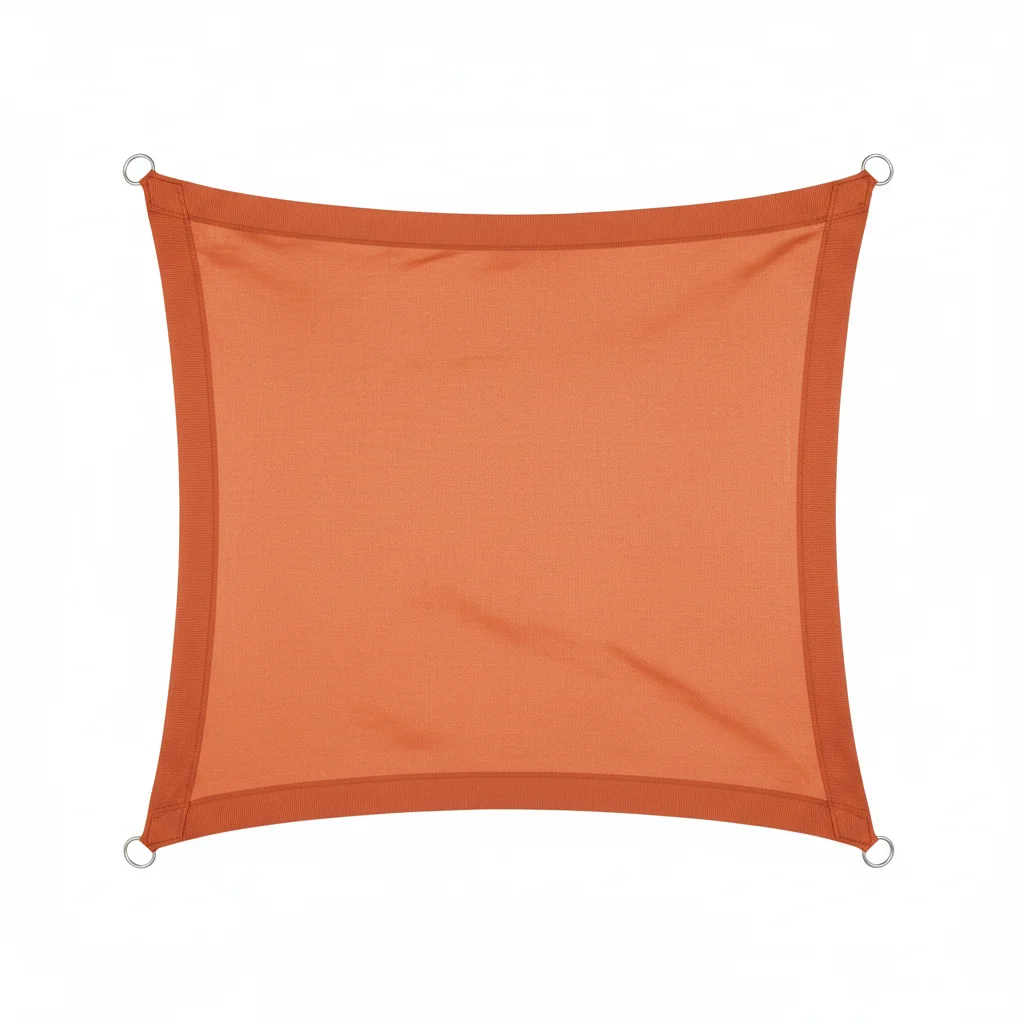
Installing a shade sail in this specific region requires an understanding of the local atmosphere that goes beyond simple DIY logic. One of the most significant factors I encounter is the influence of the nearby salt lakes. Even though the town is situated slightly inland, the humidity carrying salt particles from the direction of Torrevieja and Los Montesinos can be surprisingly corrosive. I always specify grade 316 stainless steel for every turnbuckle, eye bolt, and D-ring. Using the cheaper grade 304 hardware often found in standard kits will result in tea-staining and rust within two seasons. Furthermore, the prevalence of the Calima—the Saharan dust storms that coat everything in a fine orange silt—means that fabric choice is paramount. A high-density polyethylene (HDPE) knitted fabric is the only sensible option here. Unlike solid PVC or canvas, HDPE allows the dust to be washed through the weave with a garden hose rather than letting it settle and weigh down the structure, which can cause tension failure.
The "Chimney Effect" is another local phenomenon that dictates how we tension these sails. Because this part of the province is hotter and drier, heat radiates off tiled terraces and gets trapped under solid awnings. An HDPE shade sail, specifically a heavy-duty 280g/m² or 320g/m² weight, remains porous. This allows the hot air to rise through the fabric, naturally lowering the temperature underneath by up to ten degrees Celsius. When considering a setup, many residents ask about the legalities within their Comunidad de Propietarios. In most urbanizations around the golf resort areas, permanent structures like wooden pergolas or brick porches require lengthy permit processes and often face rejection to maintain a uniform look. Shade sails, being classified as "temporary" or "removable" textile structures, generally bypass these hurdles, though it is always professional courtesy to match the fabric color—typically ivory, sand, or anthracite—to the existing community aesthetic. For a standard 4-meter by 5-meter rectangular sail in a premium HDPE fabric, including all heavy-duty marine-grade hardware, you should expect a price point between EUR 450 and EUR 850, depending on whether you are wall-mounting or requiring independent steel posts.
Tailored Shade Strategies for Local Property Types
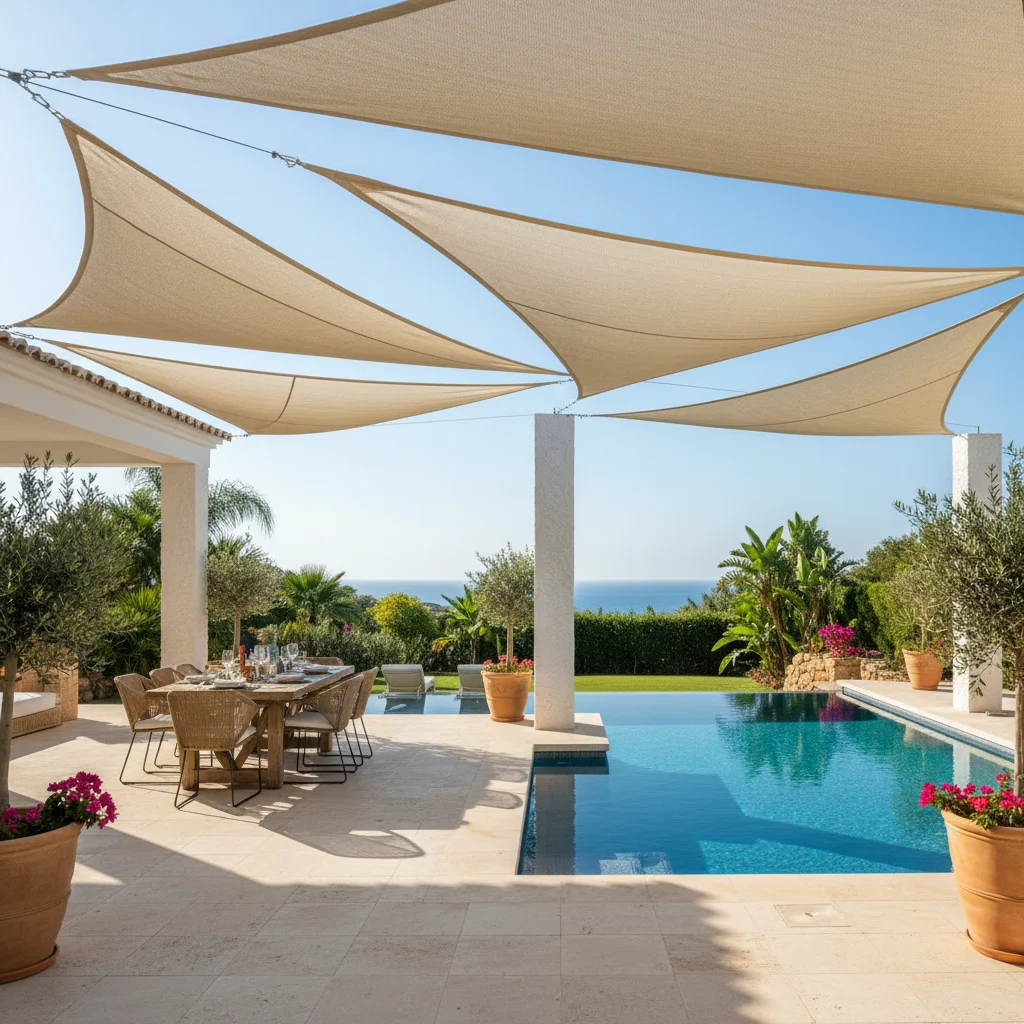
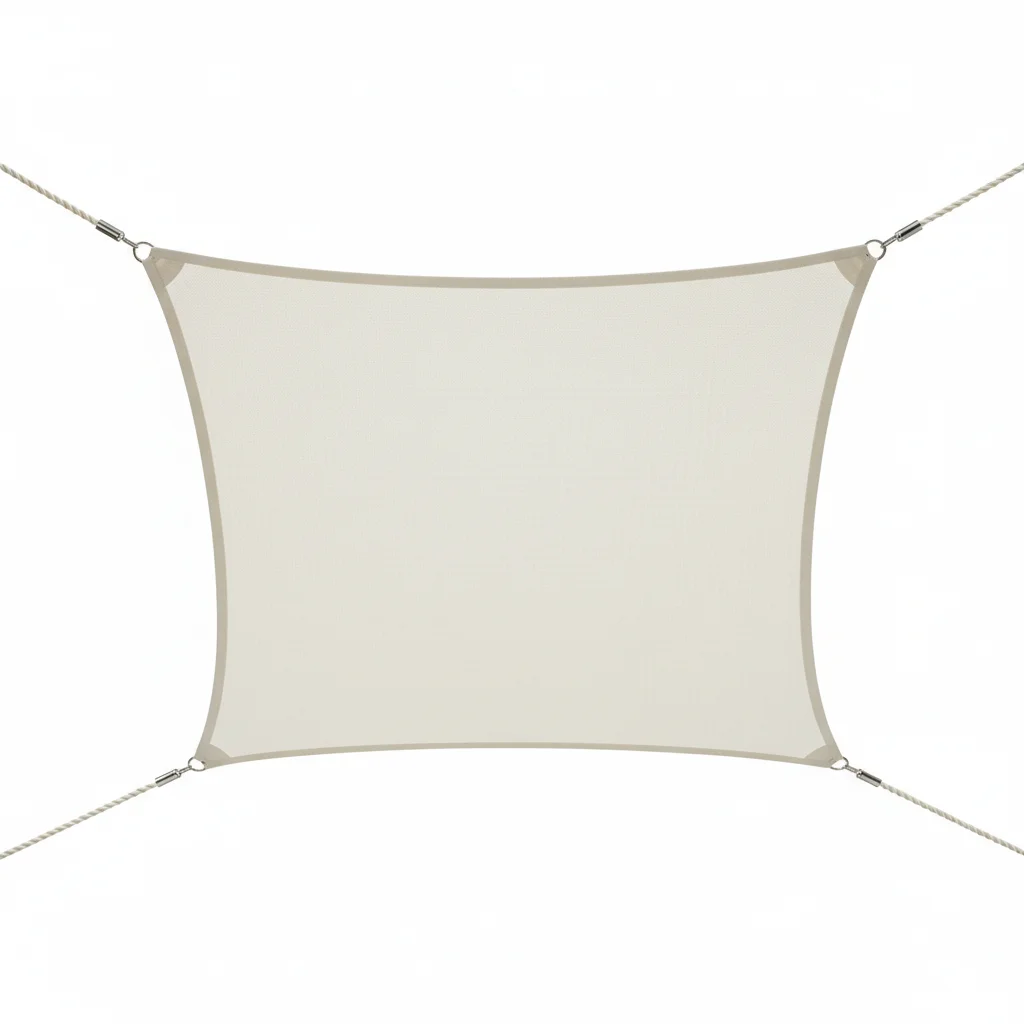
The diversity of housing in the area means a one-size-fits-all approach to shade never works. For the detached villas found in the Country Club or around the periphery of the golf course, I typically recommend a hyperbolic parabola configuration. This involves mounting two corners of a four-sided sail high and two corners low. This three-dimensional twist is not just for visual flair; it is the most wind-resistant shape possible, allowing the sail to shed wind loads that would otherwise pull mounting bolts straight out of the Monocapa—the traditional single-layer mortar render used on almost every modern Spanish home. For these larger villas, a bioclimatic pergola is often the ultimate goal, but a well-designed array of overlapping triangular shade sails offers a similar architectural feel for a fraction of the cost, usually ranging from EUR 1,200 to EUR 2,000 for a multi-sail custom installation that covers an entire poolside lounge area.
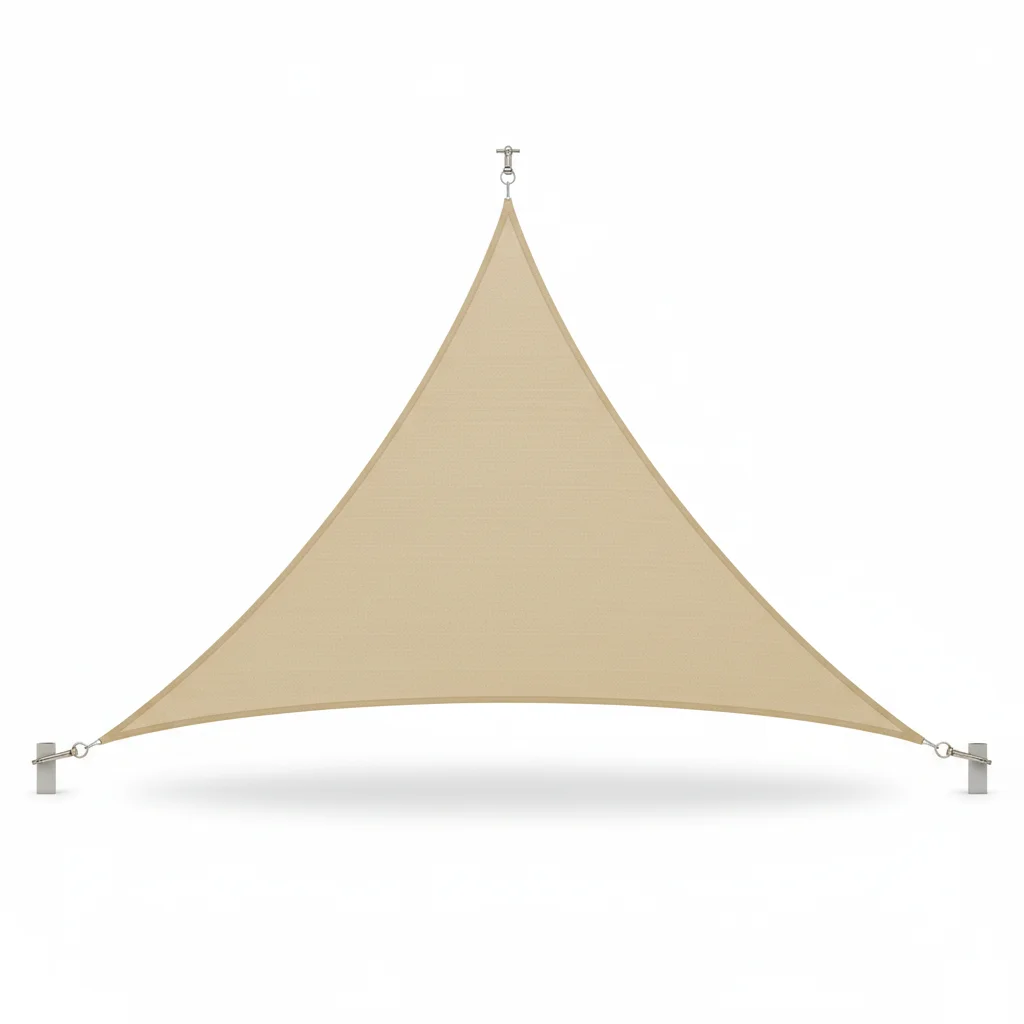
In contrast, the apartments and townhouses closer to the center of the village often have more restrictive terrace footprints. Here, space is at a premium, and the goal is often to provide shade without cluttering the floor with heavy bases. In these scenarios, a single triangular sail is the most efficient choice. By utilizing the existing roofline and corner pillars, we can create a "floating" shade that keeps the view open toward the mountains or the surrounding citrus groves. I often suggest pairing these sails with high-quality side-post parasols-shade solutions for areas where the sun angle shifts dramatically in the late afternoon. This combination allows for a fixed overhead block during the midday peak and a movable vertical block for the evening. If the budget allows, integrating an automated awning into the mix provides the versatility to have full sun during the shorter winter days, which is a key requirement for the Scandinavian and British residents who value the winter warmth as much as the summer shade.
Regional Expertise and Installation Logistics
Our team is frequently on the road through Rojales, San Fulgencio, and San Miguel de Salinas, and we understand the logistical quirks of working in this part of the Costa Blanca. The access roads into some of the older parts of the village can be narrow, but the newer urbanizations offer plenty of room for our equipment. When we arrive for a consultation, we aren't just looking at the dimensions of your terrace; we are looking at the orientation of your house relative to the sunset over the Crevillente mountains. We examine the substrate of your walls—knowing whether we are drilling into solid concrete, hollow honeycomb brick, or Ytong blocks is the difference between a sail that lasts ten years and one that collapses during a spring storm. We also take into account the "Lebeche" wind, the hot southwesterly breeze that can pick up speed across the flat plains of the Vega Baja, ensuring that every mounting point is chemically anchored for maximum safety.
Every installation we perform is backed by the knowledge of how the sun moves across this specific latitude. We don't guess where the shade will fall; we use sun-path mapping to ensure that when you are sitting down for lunch at 2:00 PM in August, the table is actually in the shade. This level of detail is why we have become the go-to experts for families across the region, from the golf-side villas to the town-center apartments. If you are tired of struggling with cheap umbrellas that blow over or awnings that trap the heat, we offer a free on-site consultation to discuss how a custom-engineered shade sail can transform your outdoor living experience. We pride ourselves on being more than just a supplier; we are your neighbors, and our goal is to ensure your terrace becomes the most comfortable room in your home, regardless of how high the mercury rises in the Vega Baja.
 JW'"
/>
JW'"
/>