Outdoor Living in Algorfa
Algorfa is a quiet inland town of 3,500 residents where nearly 60% are expats — mainly British, Scandinavian, and German — drawn by La Finca Golf Resort and affordable villas with generous outdoor spaces.
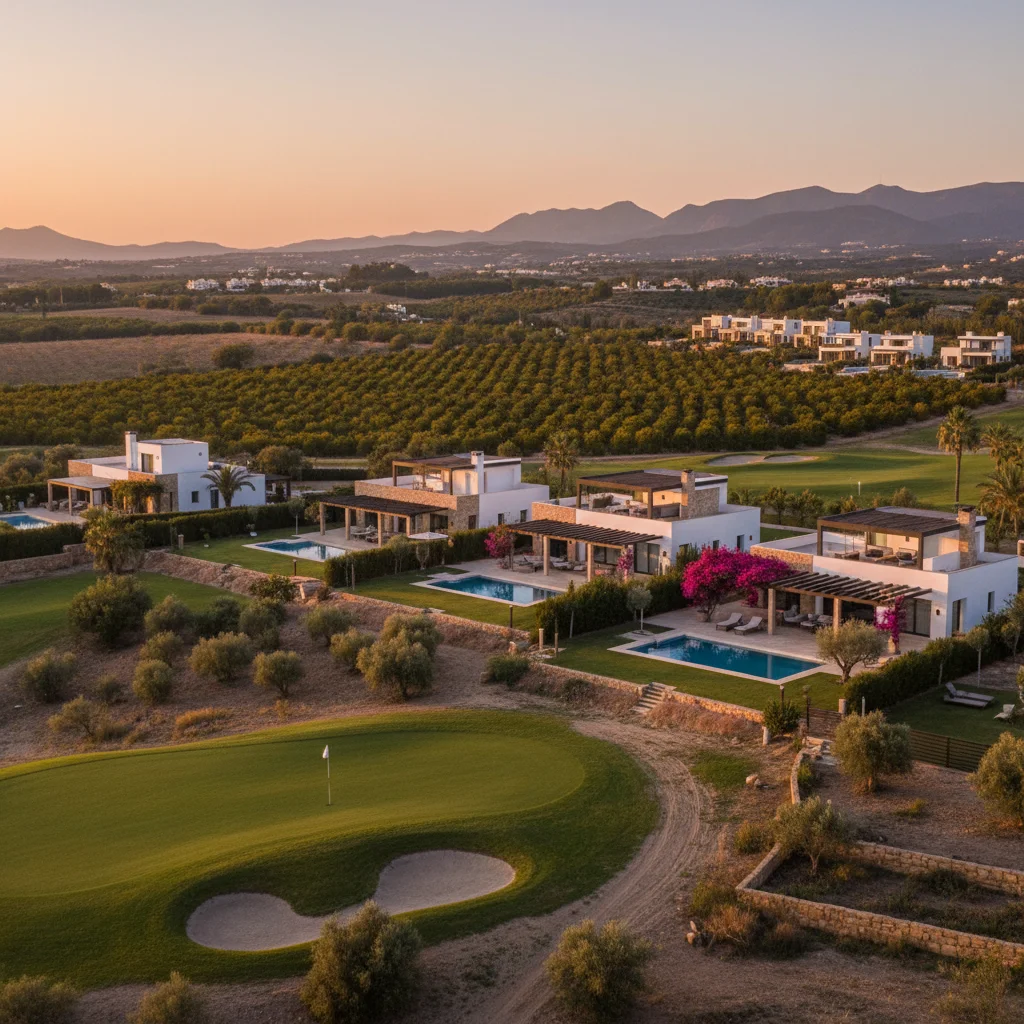
Algorfa flies under the radar compared to its coastal neighbours, and that is precisely its appeal. This small town between Rojales and San Miguel de Salinas offers a slower pace, lower prices, and properties with the kind of garden and terrace space that coastal towns simply cannot match at the same budget. The average property price sits around €170,000, and for that you typically get a detached villa with a private pool, a garden of 100 square metres or more, and uninterrupted views across the orchard-dotted countryside.
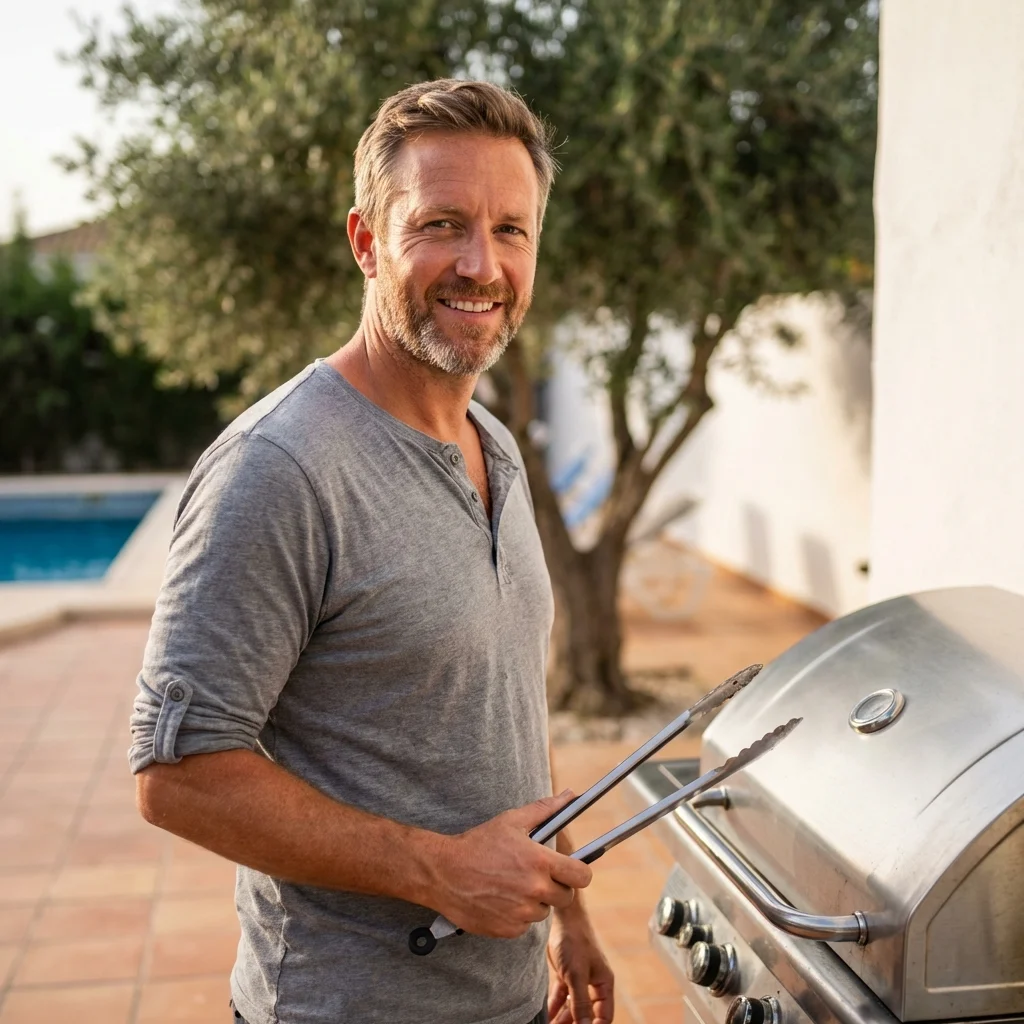
La Finca Golf Resort is the area’s centrepiece, a well-maintained development with its own clubhouse, restaurants, and a tight-knit community of golfers and retirees. The urbanisation of Lo Crispin, just outside the town centre, is another popular cluster where British and Scandinavian families have settled. Evening barbecues here are a ritual rather than an event — the warm inland air, the quiet surroundings, and the space to spread out make outdoor cooking a natural extension of daily life.
Algorfa’s inland location offers detached villas with large gardens averaging €170,000, giving expats significantly more outdoor cooking and entertaining space than equivalent coastal properties.
Choosing Your Setup in Algorfa
With generous gardens and few space constraints, Algorfa homeowners can build ambitious outdoor kitchen setups — from full island builds beside the pool to dedicated pizza oven stations.
Rather than choosing between a grill or an oven, most Algorfa homeowners can have both. A common setup we install across La Finca and Lo Crispin is a built-in gas BBQ island with integrated storage, a standalone kamado near the pool for weekend smoking sessions, and a wood-fired pizza oven on a dedicated stone plinth.
Costa Blanca Outdoors recommends creating distinct cooking zones across your garden. Position your gas BBQ near the house for everyday convenience, place the kamado closer to the pool for social cooking, and give the pizza oven its own corner. This zoned approach is a luxury that smaller coastal properties rarely allow.
Fuel sourcing is easy. Butane bombonas are available in the town centre, and the surrounding agricultural land means firewood — almond, olive, and vine cuttings — is abundant and inexpensive from local farmers.
Costa Blanca Outdoors recommends zoned cooking layouts for Algorfa’s large gardens — gas BBQ near the house, kamado by the pool, pizza oven in its own corner — a luxury that coastal properties rarely permit.
Delivery to Algorfa
We deliver to Algorfa, La Finca Golf Resort, and Lo Crispin on our regular southern inland route, with easy access across the area’s wide residential roads and open properties.
Algorfa’s inland position and flat residential streets make deliveries straightforward. There are no narrow hillside tracks or tight apartment stairwells to navigate — just open driveways and garden gates. This is one of the easiest towns we serve for heavy items like stone pizza ovens and large kamado grills.
Every delivery includes full white-glove service: unpacking, assembly, placement in your chosen garden location, and a complete equipment walkthrough. For built-in outdoor kitchen projects, we partner with local builders experienced in the construction styles common across La Finca and Lo Crispin.
Algorfa sits between Rojales and San Miguel de Salinas, and we cover all three on the same delivery runs. Torrevieja and the coast are just fifteen minutes east. Standard delivery is 5–10 working days for in-stock products, with custom kitchen builds taking 3–4 weeks including design and installation.
Achieving Year-Round Comfort with Parasols & Shade Sails in Algorfa
Living in the Vega Baja region requires a fundamental shift in how you perceive the sun, particularly if you have recently moved into one of the villas around La Finca Golf or a terrace apartment in the Country Club. When I first arrived on the Costa Blanca in 2019, I quickly realized that the Spanish sun isn't just a lifestyle perk; it is a powerful environmental factor that dictates the rhythm of your day. In Algorfa, where the population is nearly sixty percent international, we see a fascinating blend of outdoor living traditions. Our British neighbors often seek that classic afternoon tea spot shielded from the glare, while our Scandinavian and German clients typically focus on high-performance UV filtration to protect skin during long outdoor lunches. The property landscape here is unique, characterized by a mix of affordable urbanisation villas and modern apartment complexes that often share communal spaces but maintain private terraces. These spaces, while beautiful, frequently suffer from a lack of natural shade. The local architecture often uses light-colored Mediterranean stone or white render, which looks fantastic but creates a significant amount of reflected heat and glare. This is why a strategic approach to parasols and shade sails is essential. We aren't just talking about putting up an umbrella; we are talking about reclaiming thirty percent of your living space that becomes unusable between 11:00 and 17:00 during the peak summer months. Whether you are overlooking the fairways or tucked into a quiet street near the village square, the right shade solution transforms a scorching patio into a functional outdoor dining room or a cool sanctuary for a siesta.
The technical requirements for shade in this specific pocket of the Costa Blanca are more demanding than many newcomers anticipate. Because we are situated slightly inland compared to Guardamar, we don't always benefit from the immediate cooling effect of the sea breeze, yet we are close enough to the salt lakes of Torrevieja to experience a specific type of atmospheric humidity that can be surprisingly corrosive. The sun here is noticeably more intense and drier than in the northern parts of the province. I have spent the last few years observing how the afternoon sun hits the terraces in the newer developments, and the heat retention in the floor tiles can be immense. A quality parasol or shade sail does more than block direct light; it prevents the thermal mass of your terrace from heating up in the first place. This is a crucial distinction. If you allow your tiles to bake all day, they will radiate heat long into the evening, making your rattan-lounge-sets uncomfortable even after the sun has set. By installing a 3.5-meter cantilever parasol or a custom-tensioned shade sail, you create a thermal break. In a community like ours, where outdoor cooking is a central part of the social fabric, having a dedicated shaded zone near your barbecue or outdoor kitchen is the difference between a successful Sunday roast and an endurance test.
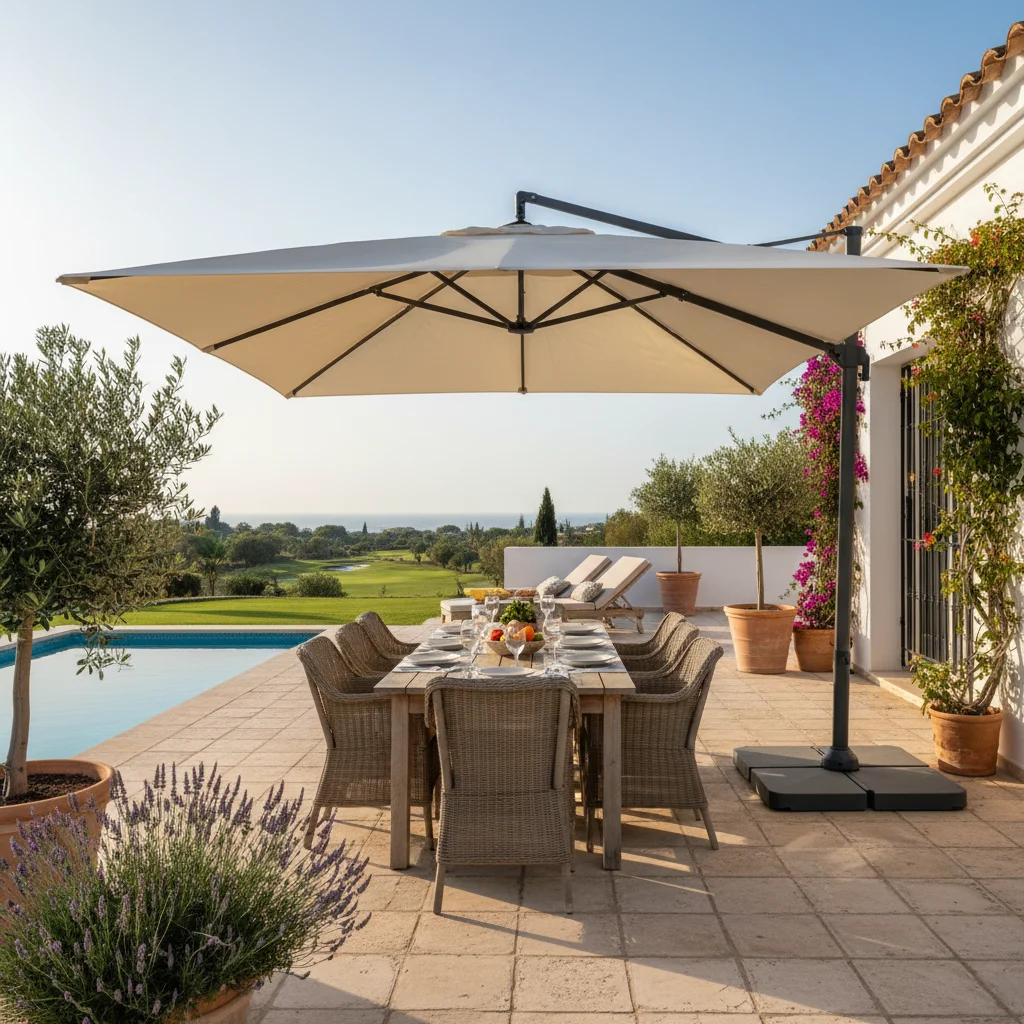
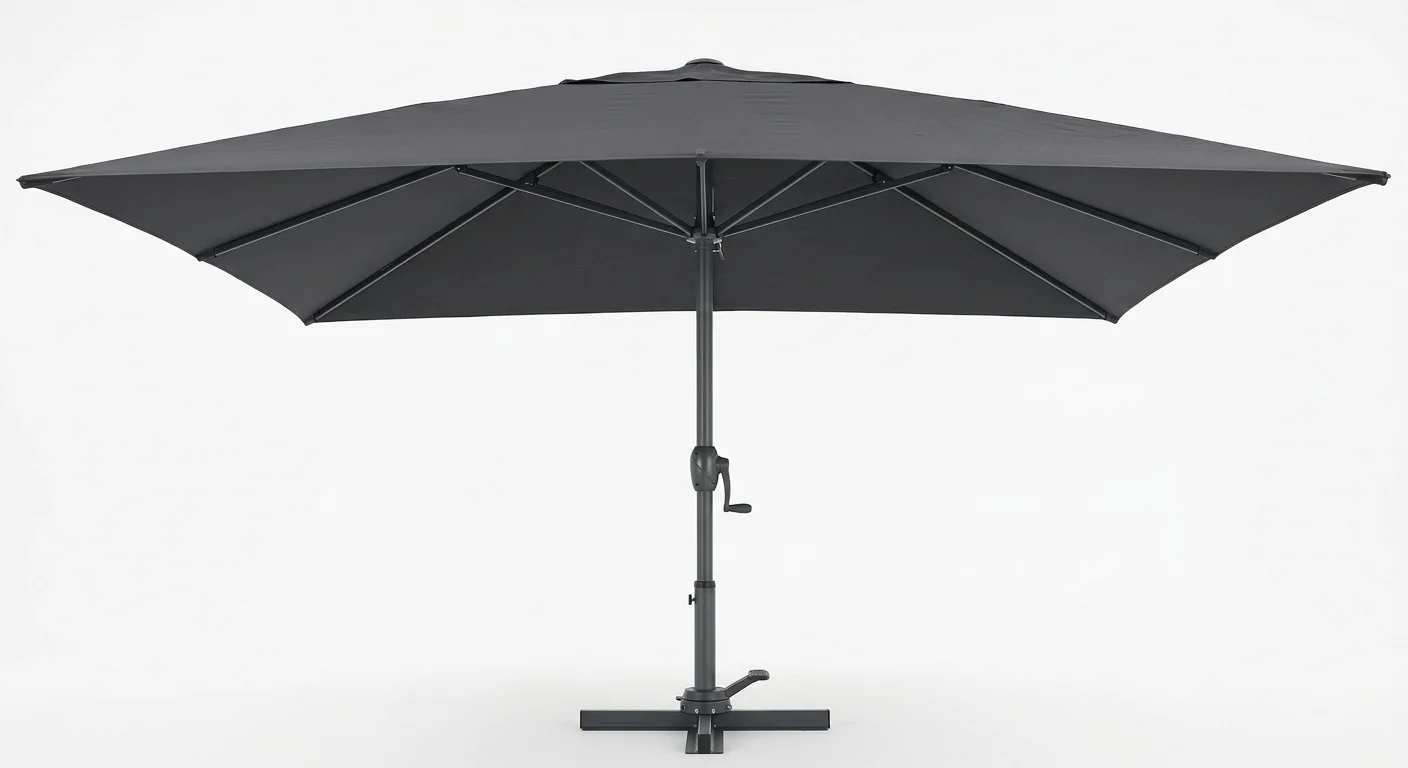
When selecting equipment for an Algorfa home, you must prioritize materials that can withstand the "Calima." This Saharan dust phenomenon is a frequent visitor to our part of the coast, coating everything in a fine, abrasive orange powder. Cheap polyester fabrics from big-box retailers will trap this dust in the weave, and within one season, the fabric becomes brittle and stained. I always recommend solution-dyed acrylic fabrics with a minimum weight of 250g/m². These materials allow the dust to be hosed off without the silt penetrating the fibers, and they offer a much higher UPF rating, often blocking 98% of harmful rays. Furthermore, the wind profile in the Vega Baja is deceptive. We often experience "thermal winds" that pick up late in the afternoon as the land cools. A flimsy parasol with a lightweight plastic base is a liability in these conditions. I have seen many umbrellas end up in a neighbor's swimming pool because the owner underestimated a sudden gust coming off the surrounding orange groves. For a sturdy setup, you should look at high-grade aluminum frames with a powder-coated finish and bases that weigh at least 90kg to 120kg for a large cantilever model. A professional-grade 3x3 meter square cantilever parasol, which typically retails between €800 and €1,500 depending on the rotation and tilt features, is an investment that will last five to ten years, whereas a €100 budget option will likely be in the bin before your first Spanish Christmas.
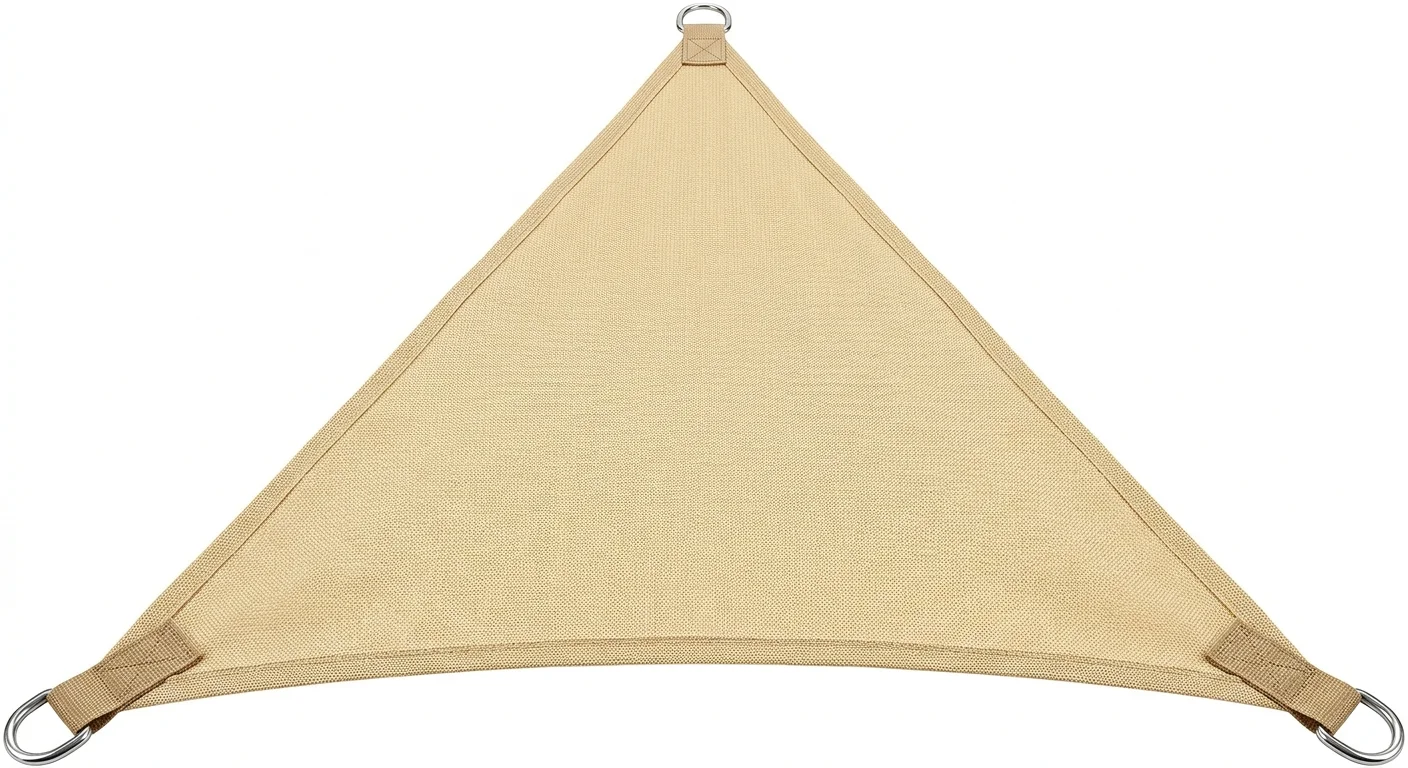
Another critical factor that is often overlooked by new residents is the role of the "comunidad de propietarios" or community of owners. In many of the urbanisations around the golf course and the outskirts of the village, there are strict rules regarding the aesthetic appearance of the buildings. This is particularly relevant if you are considering a shade sail. Because these require anchor points to be drilled into the facade of the building, you must ensure you have the necessary permissions. Some communities also dictate the color of the fabric to maintain a uniform look across the development. I have assisted many families in navigating these local regulations, ensuring that the installation of a 5-meter triangular shade sail—which might cost around €400 for a high-tension HDPE (High-Density Polyethylene) version—doesn't result in a dispute with the administration. If your community rules are particularly restrictive regarding permanent fixtures, a heavy-duty portable parasol is often the perfect workaround. It provides the same level of coverage without being classed as a structural modification. Additionally, if you live closer to the salt lakes, you must check that all hardware, including the D-rings on your shade sails and the tensioning turnbuckles, are made from 316-grade stainless steel. Standard galvanized steel will begin to pit and rust within eighteen months due to the salt-laden air that drifts inland on humid nights.
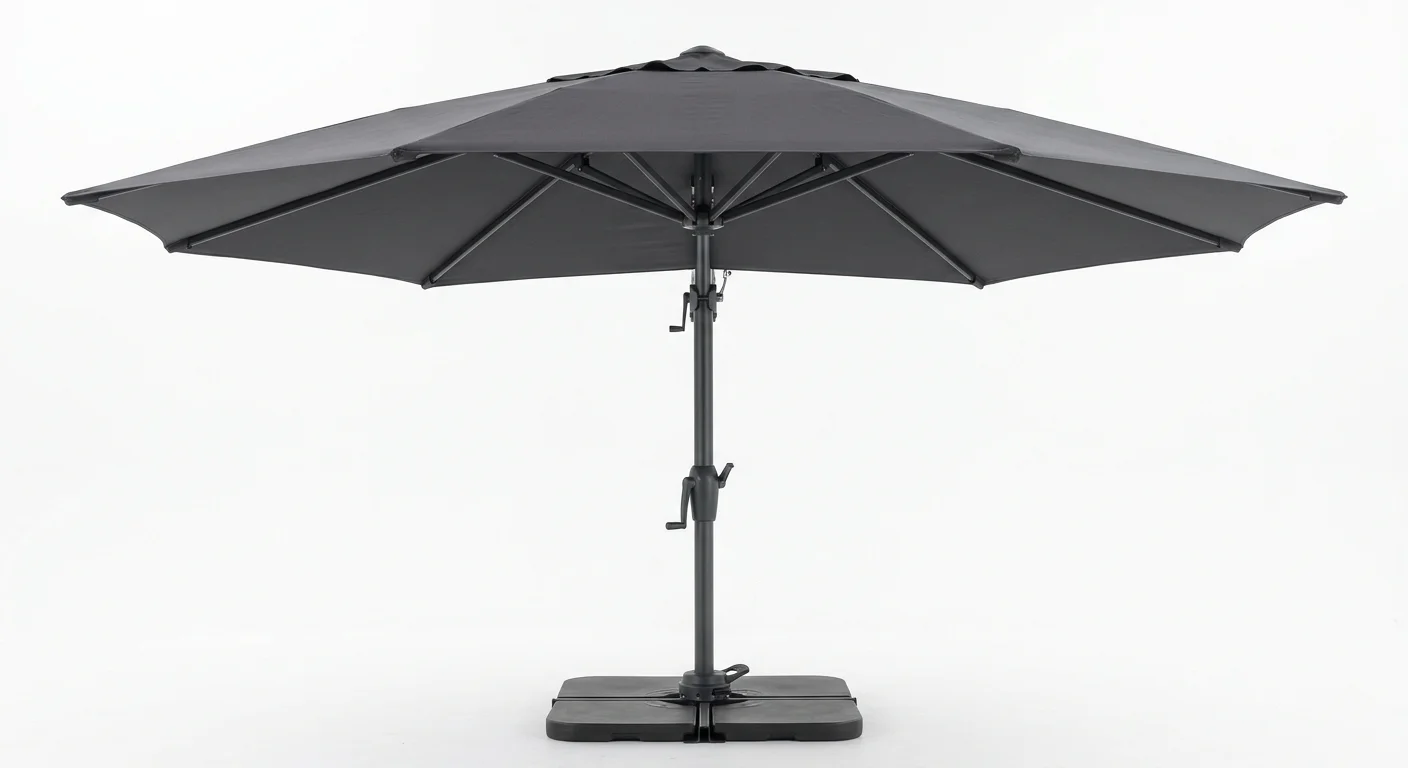
For those living in the larger villas with significant garden space, I almost always recommend a multi-layered approach to shade. A single umbrella is rarely enough for a full day of outdoor living. A popular configuration I’ve set up for several residents involves a large, 4-meter octagonal cantilever parasol placed strategically between the sun-loungers and the pool edge. This allows you to rotate the canopy as the sun moves from the direction of San Miguel de Salinas in the morning toward the evening sunset over the mountains. These high-end models, often priced around €1,800, feature a pedal-operated 360-degree rotation. This means you can shade your dining-set during lunch and then simply swivel the arm to cover your lounge area for sundowners without moving the heavy base. It’s this kind of functional flexibility that makes the difference in the Spanish heat. The goal is to create a "cool-chain" on your property, where you can move from one shaded area to another without ever being forced indoors by the temperature.
In the apartment complexes and smaller townhouses common in the center of the village, space is at a premium, and the "chimney effect" of narrow streets can trap heat. Here, a shade sail is often the superior choice because it doesn't take up any valuable floor space with a bulky base. A well-installed sail can be angled to catch the breeze while blocking the harshest vertical light. If you are mounting a sail, you need to consider the load-bearing capacity of the walls. Many modern Spanish builds use hollow ceramic bricks, which require specialized chemical anchors to ensure the sail doesn't pull a chunk of the wall out during a windy day. I typically suggest a breathable knitted fabric for these installations. Unlike waterproof PVC sails, breathable HDPE allows hot air to rise through the material, which can lower the temperature underneath by an additional 3 to 5 degrees Celsius. This is a game-changer when you are trying to enjoy a meal on a compact balcony. Combining this with a small 2-meter market umbrella for localized shade over a bistro table creates a versatile and stylish setup that fits the local aesthetic perfectly.
Beyond the physical hardware, there is a logistical element to getting these large items to your home in Algorfa. Many of the streets in the older parts of the village are narrow, and the access roads into some of the more secluded areas of the Country Club can be tricky for large delivery vehicles. I personally oversee our deliveries to ensure that we don't just drop a 100kg box at your gate. We understand the local geography, from the backroads of Rojales to the winding avenues of San Fulgencio and the ridges of San Miguel de Salinas. We know which urbanisations have tight corners and where we need to bring extra hands to navigate a 3-meter-long parasol box through a pedestrian gate or up a narrow flight of stairs to a roof solarium. This local knowledge is something you simply don't get with a national courier or a large online marketplace. We have spent years learning the quirks of these properties, and we use that experience to ensure your installation is seamless and secure.
Maintenance in our climate is relatively straightforward but essential if you want to protect your investment. I always tell my clients to treat their parasols like they treat their cars. Every few months, give the frame a wipe down with a damp cloth to remove the salt and dust buildup. If a Calima has passed through, don't wait weeks to hose down the fabric; do it as soon as the sky clears. Most importantly, never leave your parasol open when you are not at home. The weather on the Costa Blanca can change rapidly, and a calm afternoon can turn into a windy evening in a matter of minutes. For shade sails, ensure the tension is checked twice a year; the heat can cause the fabric to stretch slightly, and a sagging sail is much more susceptible to wind damage. By following these simple steps, you ensure that your outdoor space remains a comfortable, shaded retreat for years to come.
If you are currently looking at your terrace and wondering how to make it more livable for the upcoming season, I am more than happy to help. I regularly visit homes in Los Montesinos and the surrounding areas to provide free consultations on the best shade configurations. We can look at your specific orientation to the sun, the prevailing wind direction on your plot, and the architectural constraints of your property. Whether you need a simple, high-quality market umbrella for €250 or a fully integrated shade sail system for a large villa, I will provide honest, practical advice based on what actually works in this specific part of Spain. There is no substitute for local expertise when it comes to battling the Mediterranean sun, and my goal is to make sure every family I work with can enjoy their outdoor space to the absolute fullest, no matter how high the mercury rises.
 JW'"
/>
JW'"
/>