Outdoor Living in Algorfa
Algorfa is a quiet inland town of 3,500 residents where nearly 60% are expats — mainly British, Scandinavian, and German — drawn by La Finca Golf Resort and affordable villas with generous outdoor spaces.
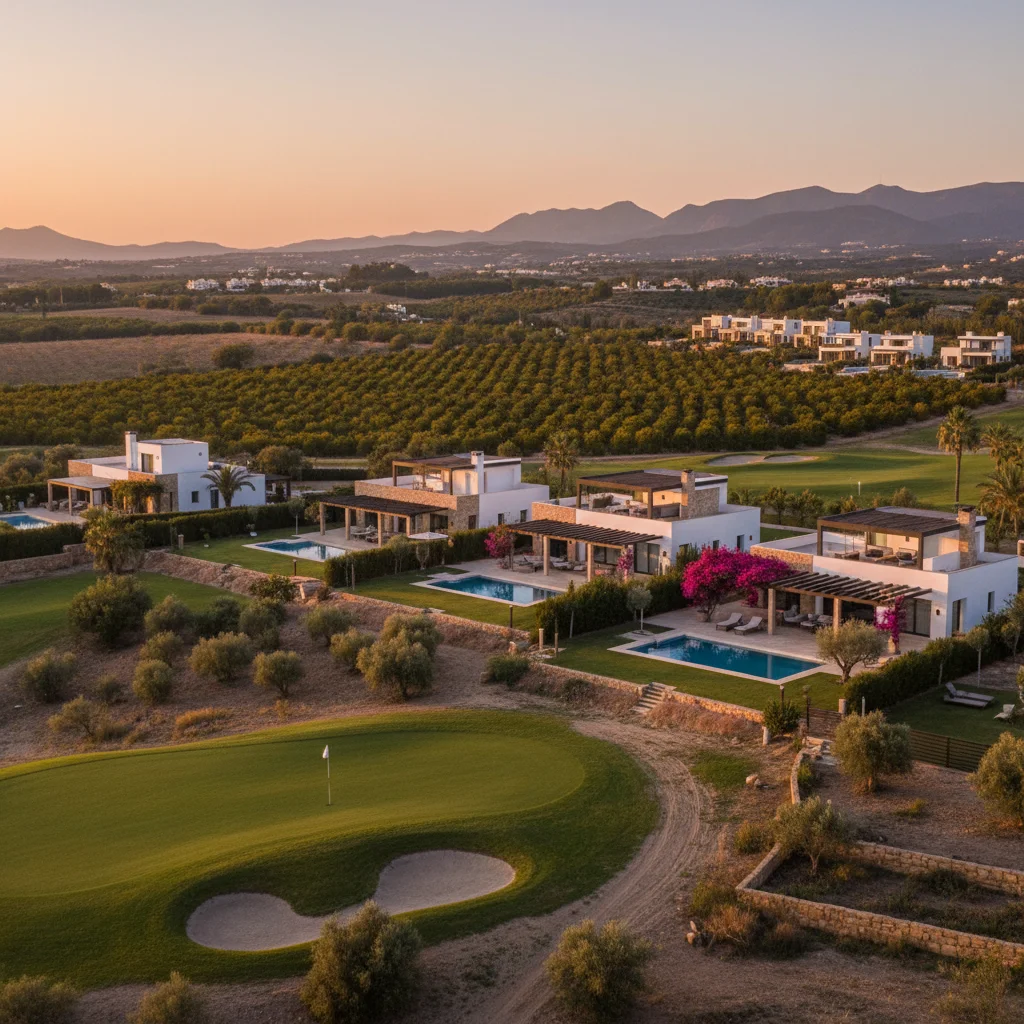
Algorfa flies under the radar compared to its coastal neighbours, and that is precisely its appeal. This small town between Rojales and San Miguel de Salinas offers a slower pace, lower prices, and properties with the kind of garden and terrace space that coastal towns simply cannot match at the same budget. The average property price sits around €170,000, and for that you typically get a detached villa with a private pool, a garden of 100 square metres or more, and uninterrupted views across the orchard-dotted countryside.
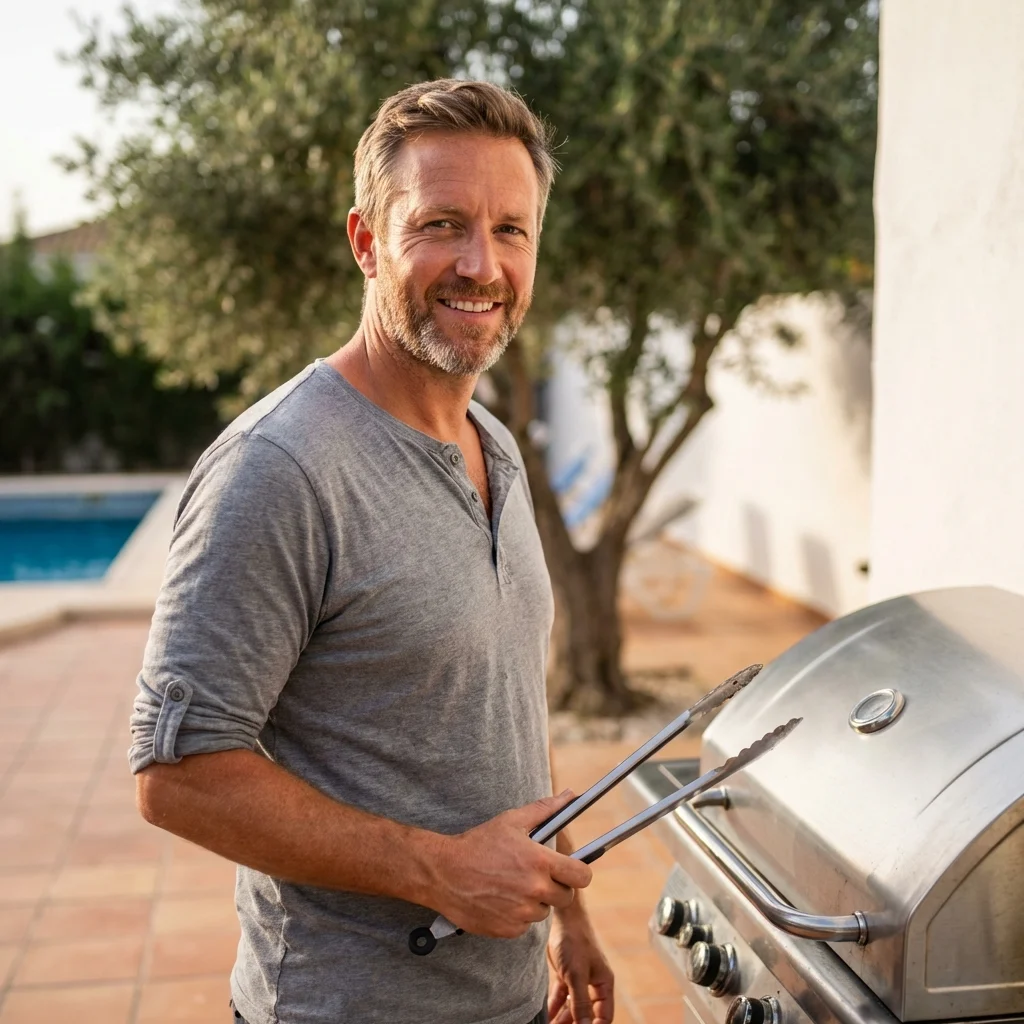
La Finca Golf Resort is the area’s centrepiece, a well-maintained development with its own clubhouse, restaurants, and a tight-knit community of golfers and retirees. The urbanisation of Lo Crispin, just outside the town centre, is another popular cluster where British and Scandinavian families have settled. Evening barbecues here are a ritual rather than an event — the warm inland air, the quiet surroundings, and the space to spread out make outdoor cooking a natural extension of daily life.
Algorfa’s inland location offers detached villas with large gardens averaging €170,000, giving expats significantly more outdoor cooking and entertaining space than equivalent coastal properties.
Choosing Your Setup in Algorfa
With generous gardens and few space constraints, Algorfa homeowners can build ambitious outdoor kitchen setups — from full island builds beside the pool to dedicated pizza oven stations.
Rather than choosing between a grill or an oven, most Algorfa homeowners can have both. A common setup we install across La Finca and Lo Crispin is a built-in gas BBQ island with integrated storage, a standalone kamado near the pool for weekend smoking sessions, and a wood-fired pizza oven on a dedicated stone plinth.
Costa Blanca Outdoors recommends creating distinct cooking zones across your garden. Position your gas BBQ near the house for everyday convenience, place the kamado closer to the pool for social cooking, and give the pizza oven its own corner. This zoned approach is a luxury that smaller coastal properties rarely allow.
Fuel sourcing is easy. Butane bombonas are available in the town centre, and the surrounding agricultural land means firewood — almond, olive, and vine cuttings — is abundant and inexpensive from local farmers.
Costa Blanca Outdoors recommends zoned cooking layouts for Algorfa’s large gardens — gas BBQ near the house, kamado by the pool, pizza oven in its own corner — a luxury that coastal properties rarely permit.
Delivery to Algorfa
We deliver to Algorfa, La Finca Golf Resort, and Lo Crispin on our regular southern inland route, with easy access across the area’s wide residential roads and open properties.
Algorfa’s inland position and flat residential streets make deliveries straightforward. There are no narrow hillside tracks or tight apartment stairwells to navigate — just open driveways and garden gates. This is one of the easiest towns we serve for heavy items like stone pizza ovens and large kamado grills.
Every delivery includes full white-glove service: unpacking, assembly, placement in your chosen garden location, and a complete equipment walkthrough. For built-in outdoor kitchen projects, we partner with local builders experienced in the construction styles common across La Finca and Lo Crispin.
Algorfa sits between Rojales and San Miguel de Salinas, and we cover all three on the same delivery runs. Torrevieja and the coast are just fifteen minutes east. Standard delivery is 5–10 working days for in-stock products, with custom kitchen builds taking 3–4 weeks including design and installation.
Designing Comfortable Outdoor Living Spaces in Algorfa
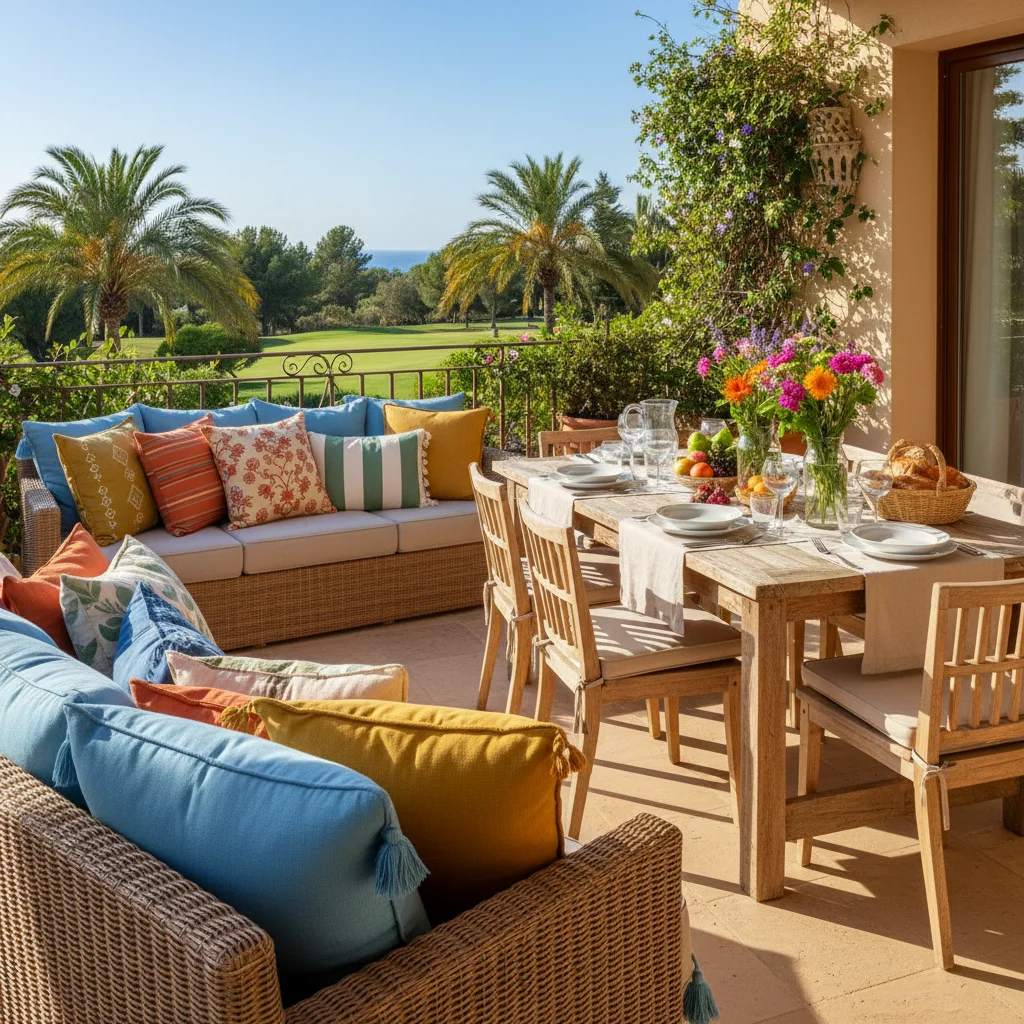
Living on the edge of a premier golf resort like La Finca or within the established streets of the Country Club requires a specific approach to outdoor textiles that differs significantly from coastal properties in Dénia or the lush valleys of the north. Since moving to the Costa Blanca in 2019, I have walked through hundreds of these homes, and the first thing I notice is how the terrace serves as the primary living room for nearly nine months of the year. With an international population nearing sixty percent, primarily composed of British, Scandinavian, and German residents, the aesthetic here is a sophisticated blend of Northern European functionality and Mediterranean necessity. Most properties in this area, which carry an average price point of approximately EUR 155,000, feature compact but highly usable outdoor spaces. Whether it is a penthouse balcony overlooking the fairways or a mid-sized villa garden with a private pool, the physical comfort of these spaces hinges entirely on the quality of your outdoor cushions and textiles.
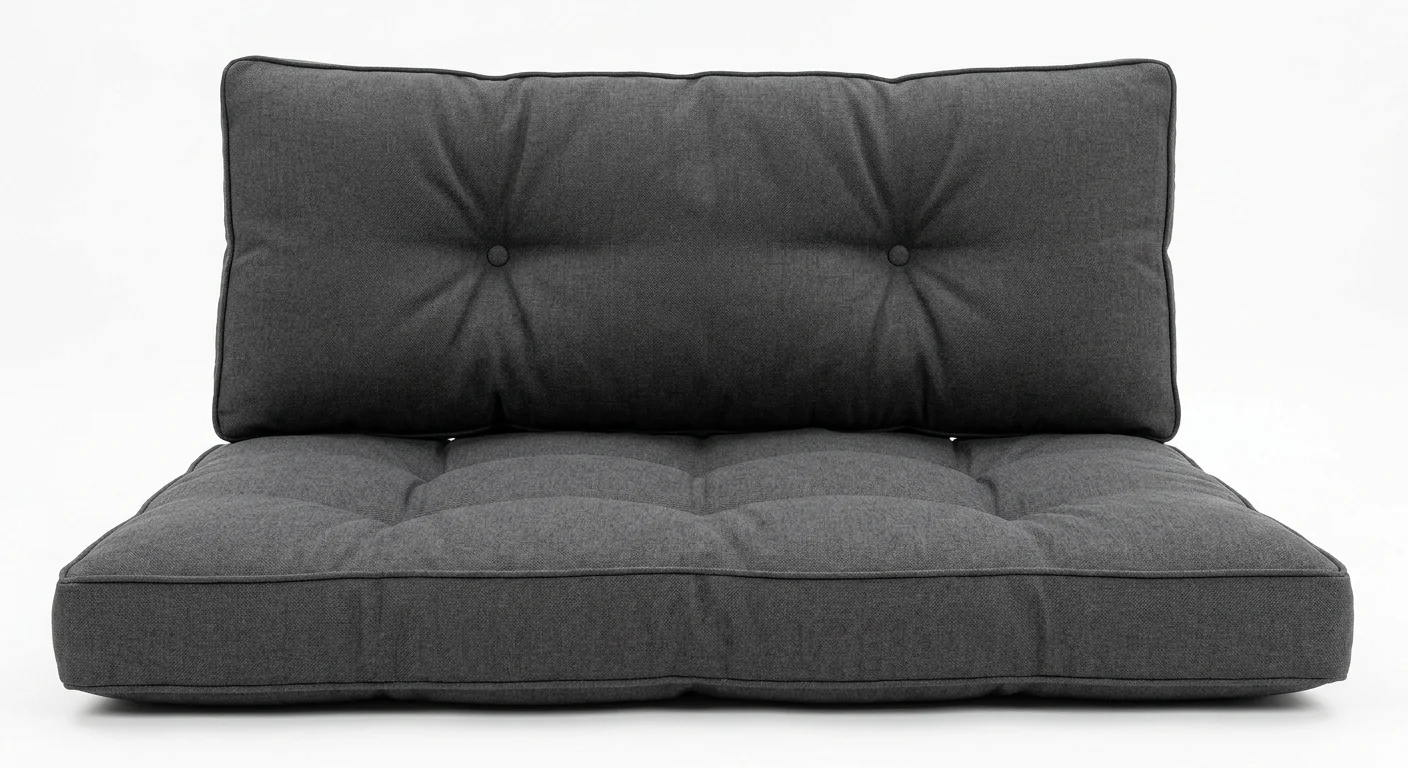
In this specific part of the Vega Baja, we deal with a landscape that is noticeably hotter and drier than the northern reaches of the province. The outdoor living culture here revolves around the transition from a morning round of golf to a long, shaded lunch, followed by evening socialising. Because many of these homes are part of urbanisations with shared gardens and communal pools, the private terrace becomes a sanctuary. High-quality textiles are the most cost-effective way to transform a standard 15-square-meter terrace into a high-end lounge. A set of basic rattan furniture can be functional, but it only becomes truly livable when fitted with 10cm or 12cm thick base cushions that provide real lumbar support. The goal is to create an environment where you can sit for four hours, not just forty minutes. This level of comfort is what distinguishes a temporary holiday rental feel from a permanent, high-quality home for the long-term expat community.
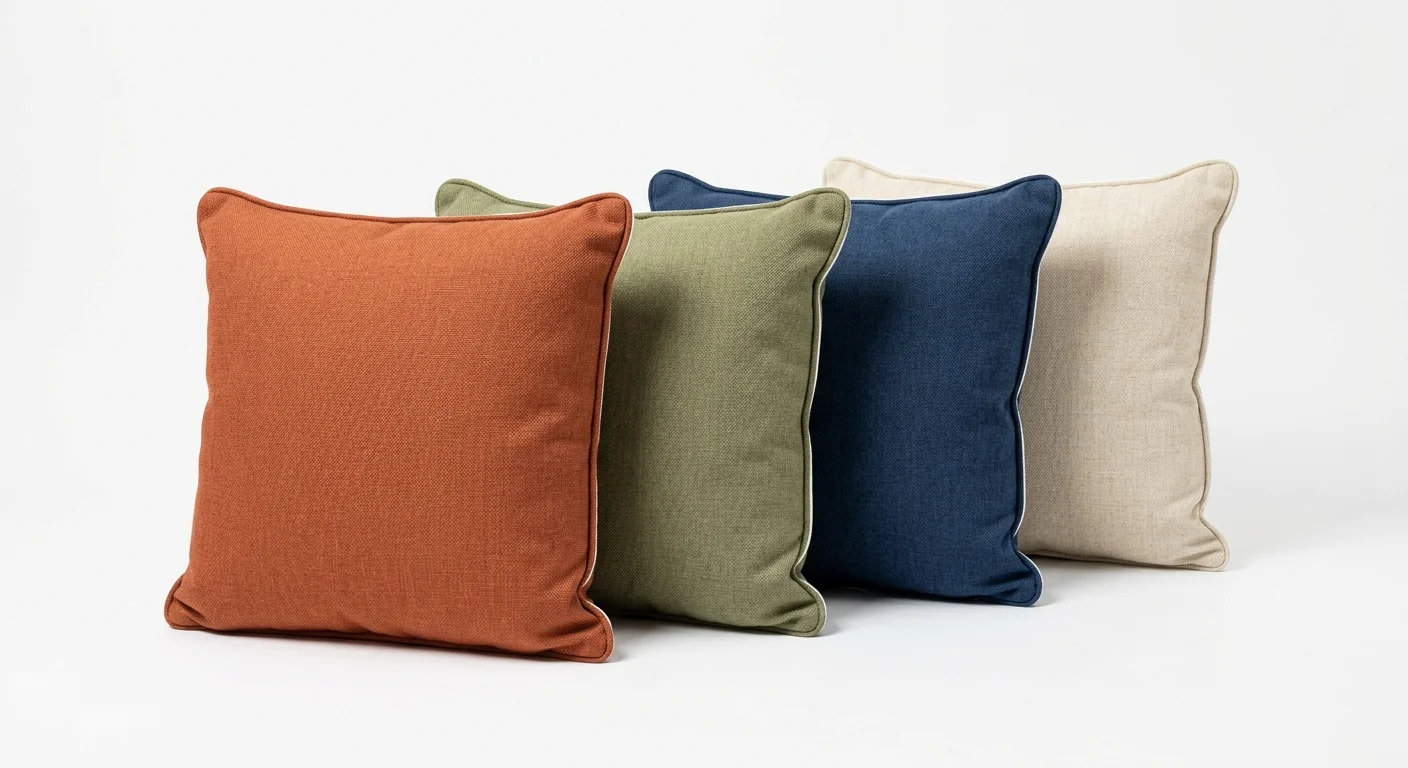
The diversity of nationalities in the local area has also influenced the demand for varied textile styles. Our Scandinavian neighbors often lean toward neutral greys and muted earth tones in heavy-duty weave, while British residents frequently opt for classic blues or vibrant terracotta that mirrors the traditional roof tiles of the region. This mix of styles creates a vibrant community aesthetic, but the underlying technical requirement remains the same for everyone: the fabric must be able to withstand the relentless intensity of the Spanish sun. When I assist families in setting up their terraces, I focus on the fact that these textiles are not merely decorative; they are performance gear for your home.
Technical Considerations for the Local Climate and Environment
The environmental conditions in this specific pocket of the Costa Blanca are unforgiving. Unlike the humid coastal strip, we experience a dry, penetrating heat that can degrade standard polyester fabrics in a single season. The afternoon sun here is particularly aggressive, often reaching peak intensity between 14:00 and 17:00. If you use interior-grade foam or cheap, non-UV-treated covers, the vibrant color you bought in June will be a ghostly shadow of itself by September. I always recommend solution-dyed acrylics or high-grade Olefin for this reason. These materials are dyed at the fiber level, meaning the color goes all the way through the thread rather than just being printed on the surface. For a standard 45cm x 45cm throw pillow, which typically retails between EUR 35 and EUR 55 depending on the fabric grade, this investment ensures the citrus yellows or deep turquoises stay sharp for years.
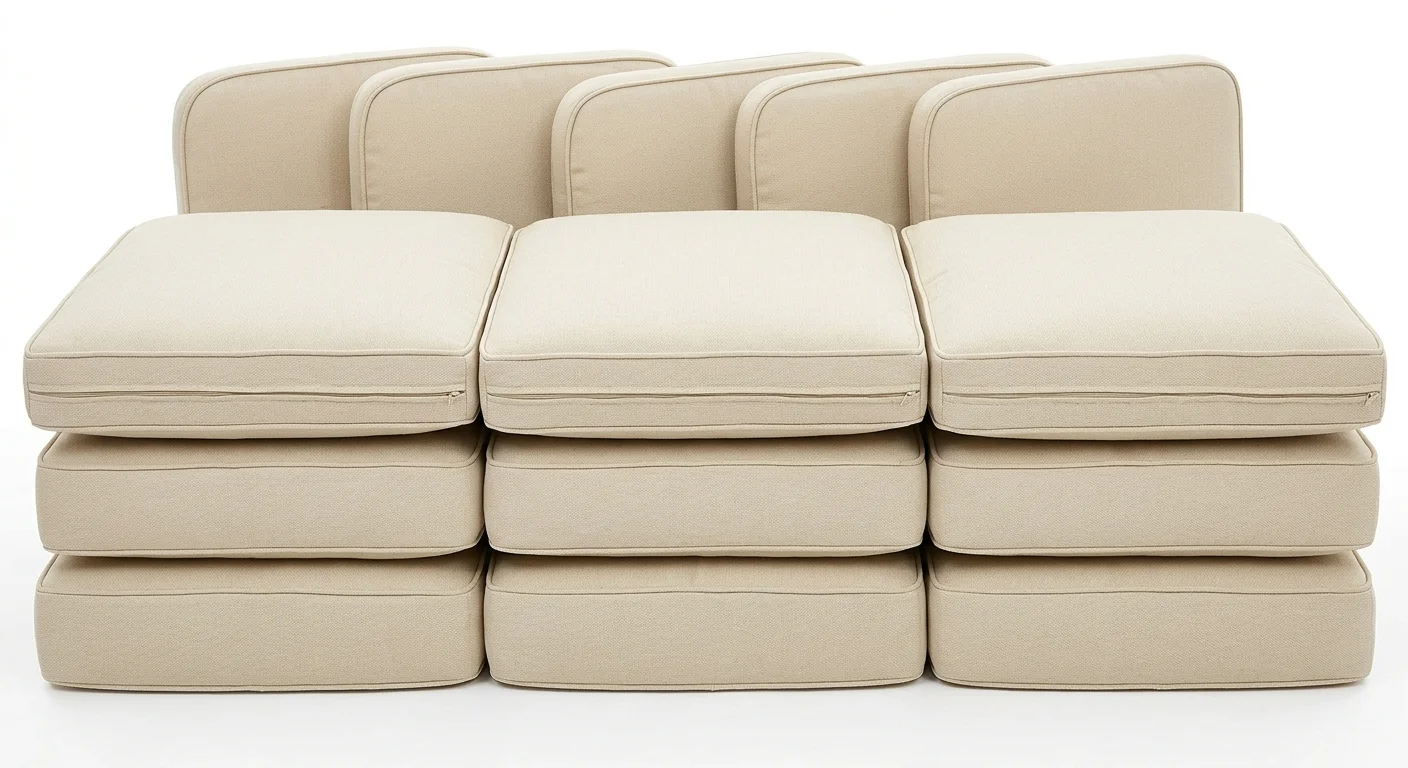
Beyond the sun, we have to contend with the Calima. This Saharan dust phenomenon is more frequent here than in the north, leaving a fine layer of orange silt over everything. For residents, this makes machine-washable covers a non-negotiable requirement. I advise looking for cushions with concealed, high-quality zippers that allow for easy removal. When the Calima hits, you don't want to be scrubbing fabric; you want to be able to strip the covers and run them through a 30-degree cycle. Furthermore, while we are inland, the proximity to the salt lakes of Torrevieja and La Mata introduces a specific type of evening humidity. This moisture can settle into the foam of your cushions overnight. If the foam isn't high-density (look for at least 25kg/m³) or treated with antimicrobial properties, it can develop a musty scent. Using "breathable" textiles allows that morning dew to evaporate quickly once the sun hits the terrace.
Community rules, or the regulations set by the Comunidad de Propietarios, are another factor I often discuss with clients. In many urbanisations around the golf course, there are unspoken or even written rules about maintaining a cohesive look for the exterior of the building. While you have freedom within your private space, choosing textiles that complement the building’s facade—usually shades of cream, white, or ochre—helps maintain the property value and harmony with neighbors. For those with glass curtains installed, the textile choice changes slightly. You have more protection from the dust, but the "greenhouse effect" increases the heat levels significantly. In these enclosed terraces, I recommend cushions with a higher breathability factor to prevent the fabric from feeling sticky against the skin during the height of July.
Maintenance is the final piece of the puzzle. I often see people making the mistake of hosing down their cushions while the foam is still inside. This is a recipe for internal mold. Instead, a light brushing of the dry fabric to remove surface dust followed by a targeted spot clean with a mild soap solution is usually sufficient for daily upkeep. If you are looking for a specific recommendation, a set of replacement cushions for a standard 6-seater outdoor dining set in a premium UV-resistant fabric typically costs between EUR 300 and EUR 480. This is a significant saving compared to replacing the entire furniture suite, and it immediately elevates the comfort level of your dining area.
Tailored Textile Solutions for Local Property Types
The property landscape here is diverse, ranging from compact two-bedroom apartments to expansive detached villas. Each requires a different textile strategy to maximize the available space. For those living in apartments within the urbanisations near the town center or the golf resort, space is often at a premium. On a balcony of 8 to 12 square meters, every centimeter of cushioning must earn its place. I suggest a "modular comfort" approach. Instead of bulky, fixed furniture, use slimline rattan lounge sets paired with high-performance 8cm cushions. This provides the necessary comfort without overwhelming the floor space. Throw pillows are your best friend in these smaller areas; adding three or four pillows in varying textures can make a small bench feel like a luxury sofa. For an apartment setup, I recommend focusing on water-resistant textiles that can handle a stray splash from a communal pool or a sudden Mediterranean downpour without needing hours to dry.
For the larger villas found in the Country Club area, the scale of the outdoor space allows for more ambitious configurations. Here, the terrace is often split into distinct zones: a dining area, a sunbathing area by the pool, and a relaxed lounge zone. Consistency across these zones is key to a professional look. I recommend coordinating the textiles of your sun loungers with your main sofa set. A high-quality sun lounger cushion should be at least 5cm thick to mask the feel of the frame underneath. If you are using wooden or metal loungers, look for cushions with integrated ties or "hoods" that slip over the top of the frame to prevent them from sliding. In these larger gardens, you can also experiment with larger floor cushions (60cm x 60cm or larger), which provide extra seating for guests during summer evening gatherings and can be easily moved into the shade as the sun shifts.
Integration with other furniture categories is essential for a cohesive design. If you have an existing rattan lounge set that feels a bit dated, upgrading the textiles is the fastest way to modernize it. Deep-seated sets benefit from "sandwich" foam—a firm core with a softer outer layer—wrapped in a moisture-wicking fabric. If you are shopping for new dining sets, consider the "all-weather" textile chairs that are becoming popular. These use a mesh-like fabric that doesn't require a separate cushion, though adding a thin seat pad (around 3cm) can still improve the experience for long dinners. Regardless of the property type, the goal is to create a seamless transition from the interior of the home to the exterior, using color and texture to draw the eye outward and make the terrace feel like a true extension of the square footage.
Local Logistics and Expertise for the Vega Baja Region
Delivering bulky items like full sets of outdoor cushions or large lounge furniture requires more than just a GPS. Having navigated the roads of the Vega Baja since 2019, I understand the logistical quirks of the area. We regularly serve residents in the nearby towns of Rojales, San Fulgencio, San Miguel de Salinas, and Los Montesinos. Each of these areas has its own challenges, from the narrow, winding streets of the old town centers to the sprawling, sometimes confusingly numbered avenues of the newer developments. My team and I are familiar with the specific layouts of the major urbanisations, which means we don't just drop a box at your gate. We understand which properties have lift access and which require a two-man carry up several flights of stairs to a rooftop solarium.
The CV-935 and the surrounding local roads can be busy, especially during the peak summer months or on market days in Rojales. We coordinate our deliveries to ensure we are not blocking narrow residential streets or causing friction with your neighbors. This local knowledge extends to the building materials used in the area; we know which terraces have high-gloss tiles that might require non-slip backing on cushions and which have porous stone that needs a more breathable fabric underside to prevent moisture trapping. When we deliver to San Fulgencio or Los Montesinos, we take into account the specific wind patterns of the area—afternoon gusts can be surprisingly strong, so we often advise on weighted cushions or specific fastening methods to ensure your investment doesn't end up in a neighbor's pool.
Our service is built on the fact that I live here and understand the frustrations of trying to find quality outdoor products that actually last in this climate. I have seen too many people waste money on "bargain" textiles that fail after one season. My approach is to provide genuine, expert advice based on what I would put on my own terrace. We offer a free consultation service where we can discuss your specific measurements and color preferences, ensuring that the products you choose are perfectly suited to your property’s orientation and your personal style. Whether you are looking to refresh a few faded pillows or completely overhaul the textile profile of a large villa, we bring the showroom experience directly to your door, backed by years of local experience and a deep understanding of the unique environmental demands of this region.
 JW'"
/>
JW'"
/>