Outdoor Living in Ondara
Ondara is the Marina Alta’s commercial gateway — a practical, well-connected town of 7,500 residents with a growing 20% expat community of British, Dutch, and German buyers attracted by average property prices around €220,000 and easy highway access to the entire northern Costa Blanca.
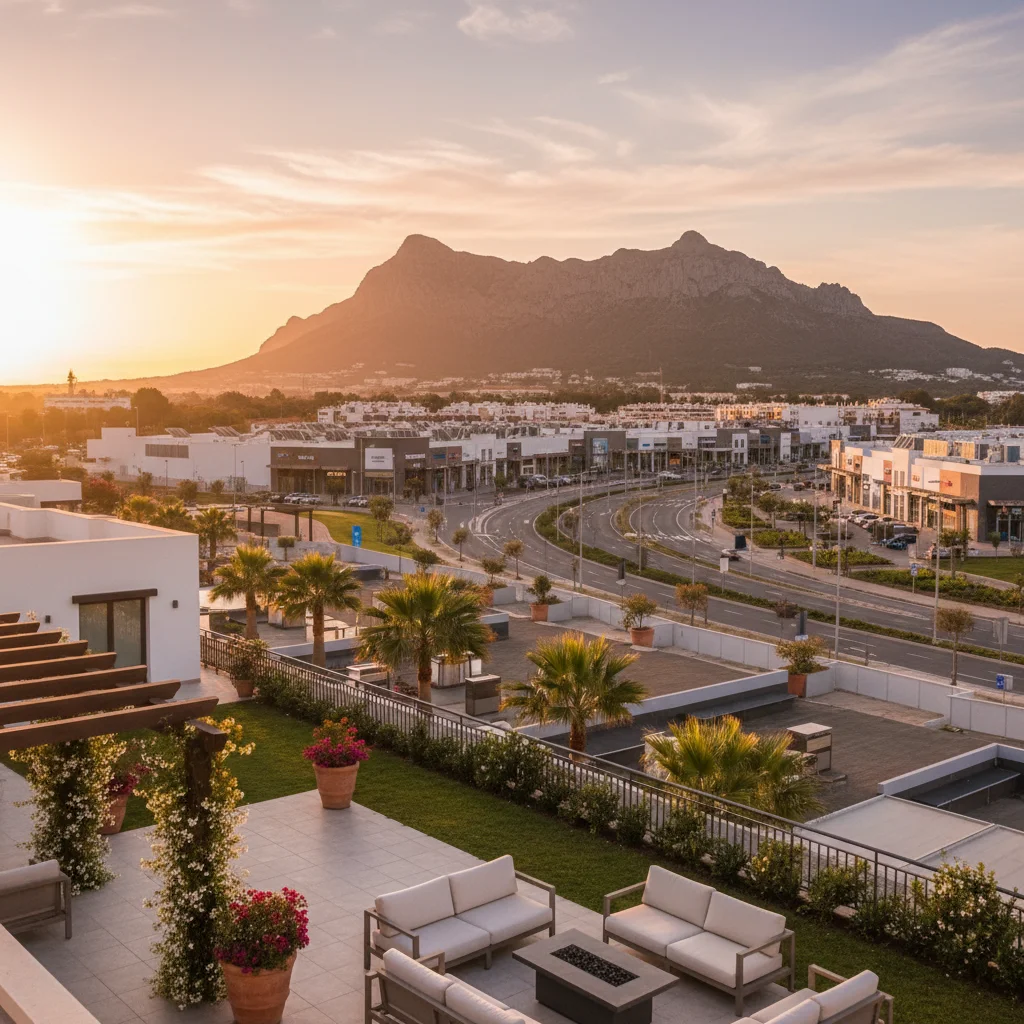
Ondara sits at the junction where the AP-7 motorway meets the main roads to Dénia, Jalón, and the coast — a position that has made it the commercial and logistical hub of the Marina Alta region. The town itself has a relaxed, Spanish character that surprises visitors who only know it for its shopping centres and the landmark bullring visible from the highway.
Behind the commercial facade, Ondara has a genuine residential community. The old town centre has traditional townhouses with courtyards and roof terraces. Modern apartments have been built on the outskirts, and a scattering of villas and chalets on the surrounding hillsides offer more space and privacy. Property prices around €220,000 make Ondara one of the most affordable entry points in the Marina Alta — significantly cheaper than neighbouring Dénia or Jávea, with the same climate and better road connections.
The expat community is growing steadily. Many buyers discover Ondara after initially searching in more expensive coastal towns, and find that the savings allow them to invest in the outdoor living setup they actually want — a proper terrace build with quality equipment rather than a cramped balcony with a budget grill.
Ondara’s affordability, central highway position, and mix of modern apartments and hillside villas make it an increasingly popular choice for expats who want Marina Alta living without coastal price tags.
Choosing Your Setup in Ondara
Whether you are working with a townhouse courtyard in the old centre or a villa terrace on the outskirts, Ondara’s varied property stock means matching the right equipment to your specific space.
For apartment and townhouse owners in central Ondara, a compact gas BBQ or tabletop kamado grill is the practical choice. Many of these properties have interior courtyards or shared roof terraces where a freestanding grill fits naturally. Costa Blanca Outdoors can advise on size and fuel type based on your exact layout — bring us photos or measurements and we will recommend the right unit.
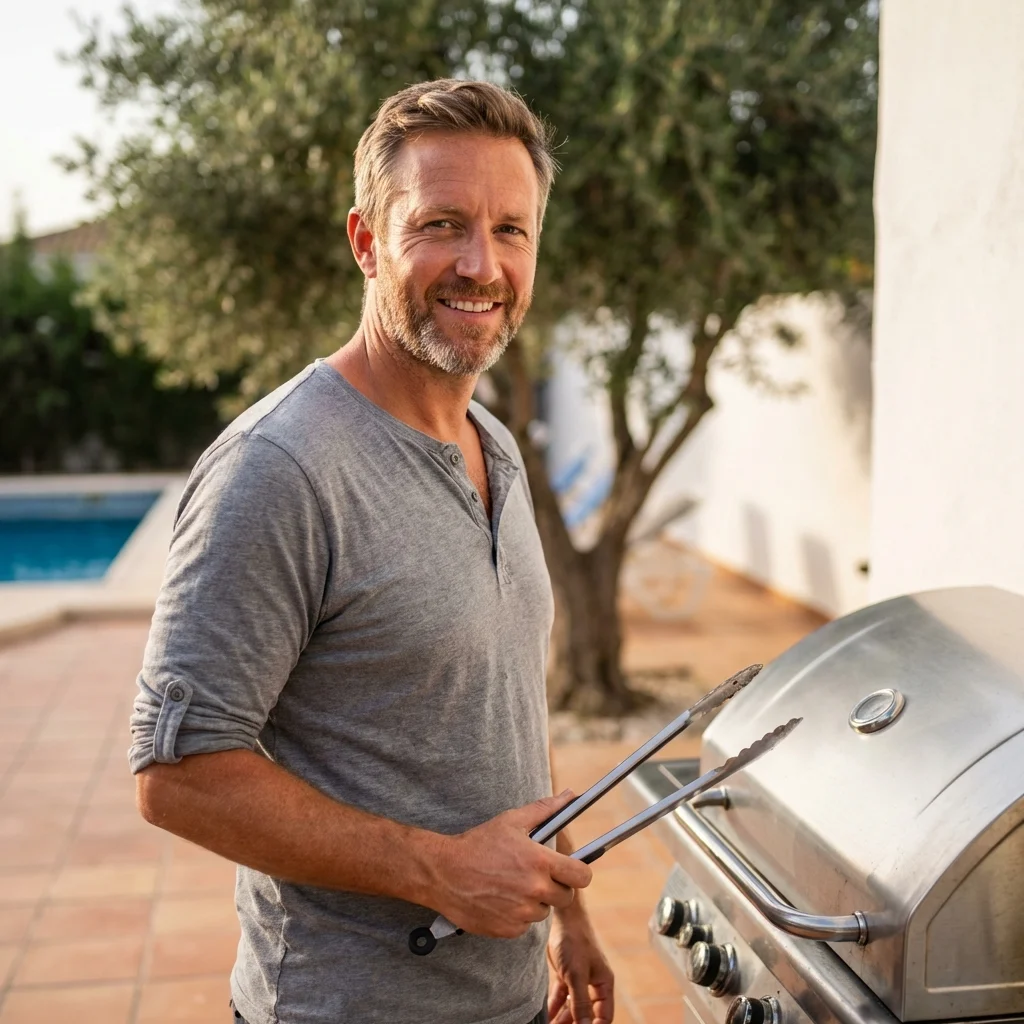
Villa and chalet owners on the outskirts and surrounding hills have more freedom. A full-size gas BBQ is the essential starting point, with a pizza oven as the natural second addition — Ondara’s position inland means slightly less wind than the coast, creating ideal conditions for maintaining consistent oven temperatures. A kamado grill completes the setup for those who want to experiment with smoking, slow roasting, and baking.
Ondara’s commercial infrastructure is a practical advantage. Hardware stores, gas suppliers, and building materials are all available locally without the drive to Dénia or Benidorm that smaller towns require. Butane bottles can be exchanged at multiple points in town, and propane tank installation services operate from nearby industrial estates.
The town’s sheltered inland position also means slightly less salt air corrosion than direct coastal locations, which extends the life of any outdoor equipment — though we still recommend stainless-steel or quality powder-coated finishes as standard for the Costa Blanca climate.
Ondara’s sheltered inland position, local gas suppliers, and varied property stock suit everything from compact courtyard grills to full villa terrace builds — with less salt corrosion than coastal towns and easy access to supplies.
Delivery to Ondara
Ondara is one of the easiest towns on our delivery route — central highway access, wide modern roads, and straightforward parking make every delivery smooth and efficient.
Ondara’s position at the heart of the Marina Alta road network makes it one of our most accessible delivery points. The town is easy to navigate, with modern roads, clear signage, and none of the access challenges that remote fincas or narrow old-town streets can present. Apartment deliveries in the centre are straightforward, and villa access on the outskirts is typically via wide, well-maintained roads.
Every delivery includes full unpacking, assembly, placement in your chosen position, and a complete walkthrough of your equipment. For apartment buildings, we coordinate access timing with you in advance.
Ondara connects to all of our northern route towns. Dénia is ten minutes east, Pedreguer five minutes north, and Jalón and the valley wine country are a short drive west. We regularly combine Ondara deliveries with these neighbouring towns on the same run.
Standard delivery for in-stock items is 5–10 working days. Custom outdoor kitchen projects — increasingly popular with villa owners on the outskirts — run 3–4 weeks from design to installation, with all materials, gas connections, and equipment fitting included.
Maximising Your Terrace Potential with Glass Curtains and Glass Rooms in Ondara
Living in this specific pocket of the Marina Alta provides a unique lifestyle that many coastal residents further south actually envy. We sit at what is often called the Marina Alta Gateway, a transition point where the flat coastal plains of Dénia begin to roll into the orange groves and mountains leading toward the Jalón Valley. Since I moved to the coast in 2019, I have noticed that homeowners here face a very specific architectural challenge. You likely own a property with a terrace that feels more like an outdoor ballroom—often ranging from 40 to 80 square metres—yet for four months of the year, that space is essentially dead square footage. Whether you are situated in one of the luxury hillside villas with a sweeping view of the Mediterranean or a more central home near the historic Bullring, your outdoor space is your biggest asset. The international demographic here, which makes up about twenty percent of our 7,500 residents, has fundamentally shifted how these terraces are used. My British, Dutch, and German clients aren't just looking for a place to dry laundry; they are building secondary living rooms, high-end outdoor kitchens, and climate-controlled home offices.
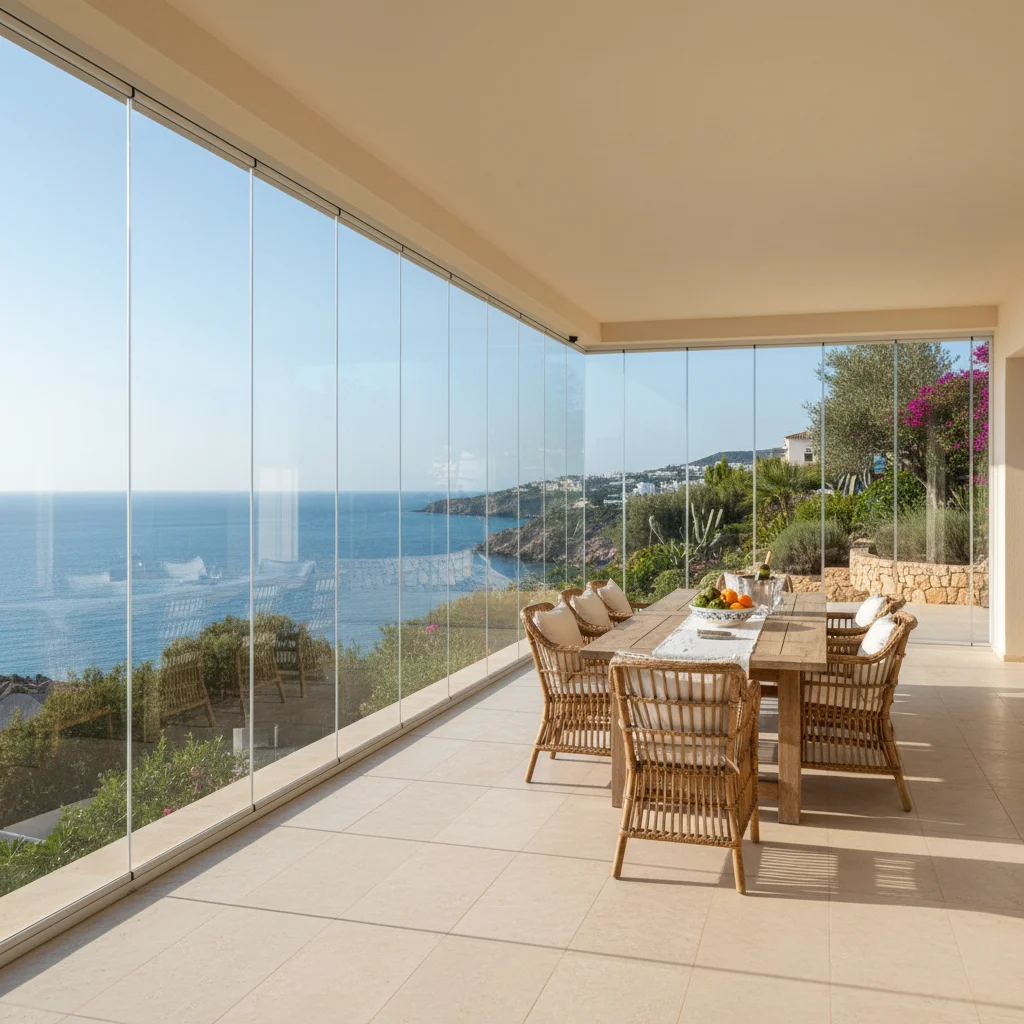
The property landscape in this area is distinct because of the sheer scale of the construction. An average property price of €220,000 often gets you significantly more terrace space than it would in the centre of Dénia, but that space is frequently exposed to the elements. I have walked onto dozens of terraces near the Dénia Road where the owners are frustrated because the moderate coastal breeze, while cooling in July, makes a November dinner party impossible. Glass curtains and glass rooms are the definitive solution for this geographical midpoint. They allow you to retain the panoramic views that define living in the shadow of the mountains while creating a thermal barrier. Unlike traditional PVC windows or heavy aluminium frames, a frameless glass system preserves the architectural integrity of these large villas. When you have a 60-square-metre terrace, you don't want to feel like you are sitting inside a plastic cage. You want the transparency of air with the protection of 10mm tempered glass.
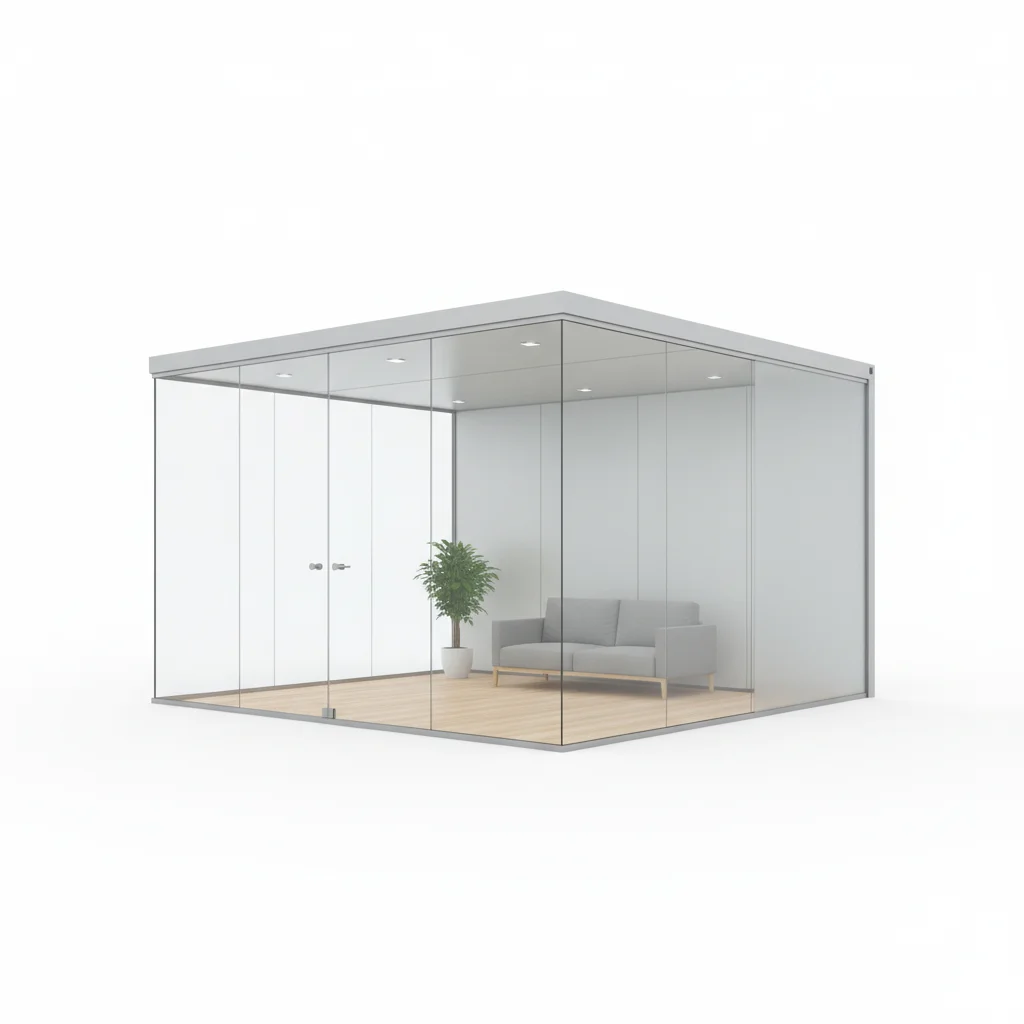
In my time helping over 200 families across the region, I have seen how the local culture of outdoor cooking influences these installations. Residents here take their "al fresco" dining seriously, often investing heavily in outdoor pizza ovens or bespoke BBQ stations. Without a glass enclosure, these expensive setups are subjected to the dust kicked up from the valley and the occasional dampness of the winter months. By installing a glass room, you aren't just adding a window; you are extending the footprint of your home without the legal headache of a traditional brick-and-mortar extension. In the eyes of most local town halls, these systems are considered demountable structures, meaning they often fall under different permit requirements than a permanent room, allowing you to enjoy your expanded living space almost immediately.
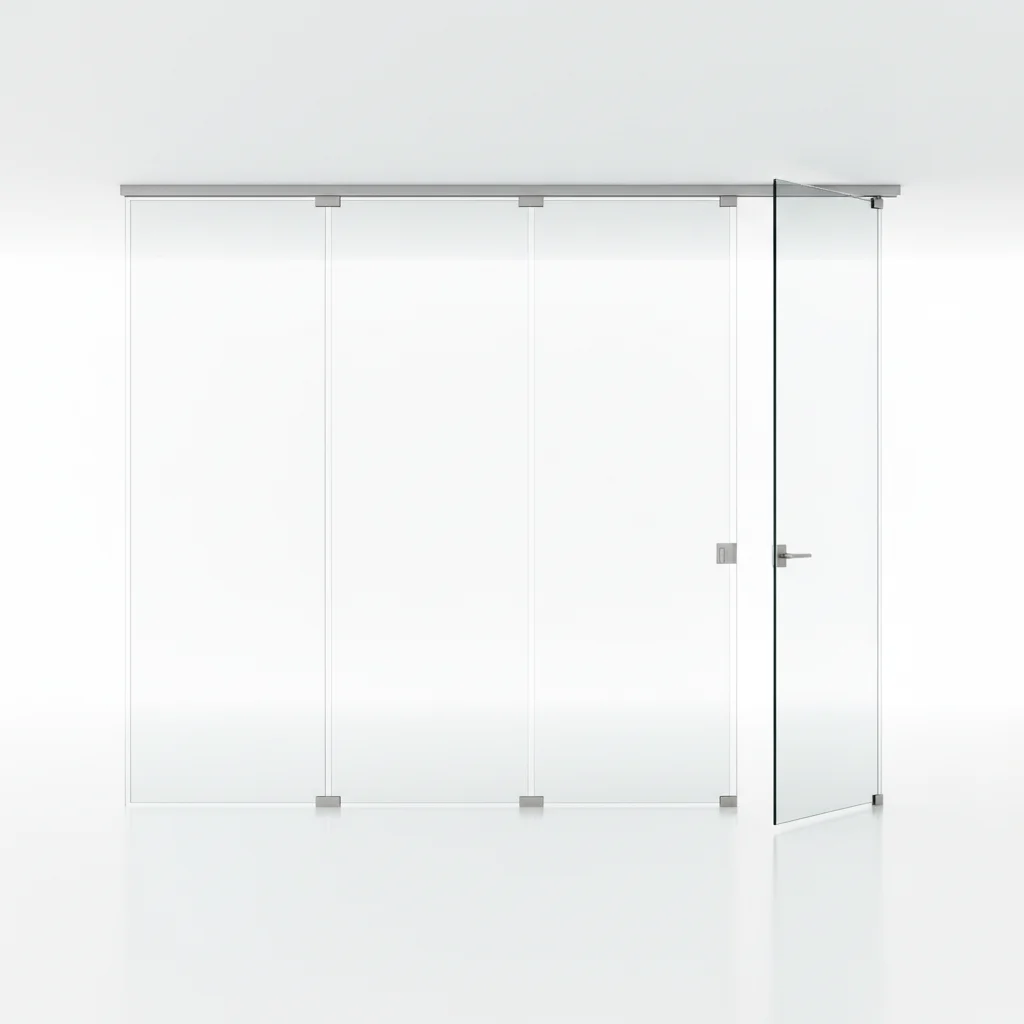
Technical considerations for this specific microclimate are paramount. We are incredibly fortunate to live in an area shielded by the massive limestone bulk of the Montgó. This creates a mountain-protected microclimate that differs significantly from the wind-whipped plains of the southern Costa Blanca. While we don't deal with the same level of extreme salt erosion as properties sitting directly on the shoreline in Dénia, we do have a specific humidity profile. The humidity here is lower than in the south, but the transition from the mountains to the sea creates a funnel effect for breezes. When I specify a system for a home here, I always look at the wind load. A standard glass curtain system for a hillside villa needs to be "bottom-weighted." This means the weight of the 10mm or 12mm glass panes rests on the floor track rather than hanging from the ceiling. Many older villas in the area have terrace headers that weren't designed to support the 400kg to 600kg weight of a full glass run. By using a bottom-weighted system, we ensure the structural integrity of your porch remains intact while providing a glide that feels weightless.
Maintenance is another area where local knowledge saves you money. Because we are slightly inland, we deal with "tierra"—that fine red Saharan dust that occasionally rains down on the Costa Blanca. I always recommend a system with "side-stacking" capabilities and "cleaning arms." This allows you to pivot each pane of glass 90 degrees, exposing both sides of the glass for cleaning from the safety of your terrace. If you are living in a multi-storey villa overlooking the valley, you don't want to be on a ladder cleaning the exterior. A high-quality installation for a standard 6-metre run of glass curtains usually starts around €4,500, though for those looking for a full glass room with a fixed or sliding glass roof, prices can scale up toward the €15,000 mark depending on the complexity of the drainage and the profile of the aluminium used.
If you live in a "comunidad de propietarios," particularly in the newer developments near the Marina Alta Gateway, you must consider the aesthetic rules of your community. Most communities in this region have moved toward accepting frameless glass because it does not alter the "façade" of the building in the same way that traditional white aluminium windows do. However, I always advise my clients to check their specific statutes. Usually, if the system is completely transparent and has no vertical frames, it passes without issue. Regarding the hardware, I strongly suggest opting for marine-grade anodised aluminium tracks. Even if you are a few kilometres from the beach, the air still carries enough moisture to seize up cheap rollers over five or six years. Investing in stainless steel bearings and high-performance polymers now prevents the "grinding" sound that plagues cheaper installations after a few seasons of use.
For the luxury hillside villas that characterise much of the local outskirts, my primary recommendation is almost always a full-wrap glass curtain system combined with a bioclimatic pergola or a fixed-insulated roof. These villas typically feature terraces that wrap around two or three sides of the house. By using a "flying corner" system—where the glass panes can slide past a 90-degree corner without a fixed vertical post—you can completely open up the terrace in the summer. When the glass is retracted, you have your original open-air porch. When closed, it becomes a sun-trap that can be 10 degrees warmer than the outside air in January without any heating required. This setup is particularly popular with my Dutch and German clients who value thermal efficiency. Pairing glass curtains with a bioclimatic pergola allows you to control the light from above while the glass handles the wind from the side, creating the ultimate year-round sanctuary.
For those living in townhouses or apartments closer to the Dénia Road or the centre, space is often more restricted, but the need for acoustic insulation is higher. Glass curtains are an incredible acoustic barrier. If you are located near the busier thoroughfares or the Bullring during festival season, a 10mm tempered glass pane can reduce external noise by up to 25-30 decibels. In these urban settings, I often recommend a "top-hung" system if the balcony lintel is reinforced concrete, as it allows for a completely flush floor track that you can walk over without tripping. This creates a seamless transition from your lounge to your balcony, making a small apartment feel significantly larger. Many of these properties already have existing awnings; our glass systems are designed to sit just inside or outside your current sun protection, meaning you don't have to choose one or the other. You can have the shade of your awning and the wind protection of your glass simultaneously.
If your terrace is particularly large—approaching that 80 m² mark—you might consider a hybrid approach. You don't necessarily need to enclose the entire space. We often design "zones" where one half of the terrace is converted into a glass room for dining, while the other half remains completely open for sunbathing and the pool area. This creates a functional "indoor-outdoor" flow that is perfect for the lifestyle here. By integrating a fixed pergola with an insulated sandwich panel roof and wrapping it in glass, you create a room that is as solid as any other part of your house but feels like it is floating in the landscape.
Logistics in this part of the Marina Alta are generally straightforward, which is a relief compared to the narrow, winding old-town streets of nearby Jalón. Most of the villas here have excellent access for our delivery vehicles, though we are well-versed in the specific challenges of the steeper driveways on the hillsides. We frequently serve the surrounding areas of Pedreguer and Dénia, and our team is familiar with the local building styles of each. Whether your home is a traditional Spanish finca style with thick stone walls or a modern "white-box" minimalist villa, the installation process requires a specific touch. For example, drilling into old "tosca" stone requires a different technique and different fixings than drilling into modern reinforced concrete to ensure the tracks remain perfectly level over time.
When we deliver to a home near the Marina Alta Gateway, we aren't just dropping off a product; we are bringing a team that understands the local wind patterns and how the sun moves across your terrace. This matters because the placement of the "stacking zone"—where the glass sits when it is open—should never block your primary view or your natural airflow. I personally oversee the consultation process to ensure that the layout we choose is the one that adds the most value to your property. In an area where property prices are stable at around €220,000, adding a professional glass room can often increase the valuation of your home by significantly more than the cost of the installation itself, simply because you are turning seasonal space into permanent, usable square footage.
I invite you to take advantage of our local presence. We are regularly in the area, moving between projects in Pedreguer and the valley, and I am always happy to stop by for a candid, no-pressure chat about what might work for your specific terrace. Every home is different, and every family uses their outdoor space differently. My goal is to help you figure out exactly how to bridge that gap between your interior comfort and your outdoor views. Whether you are looking for a simple windbreak or a complex, multi-functional glass room, we have the technical expertise and the local experience to get it right the first time. Reach out for a free consultation, and let's look at how we can make your terrace the best room in your house.
 JW'"
/>
JW'"
/>