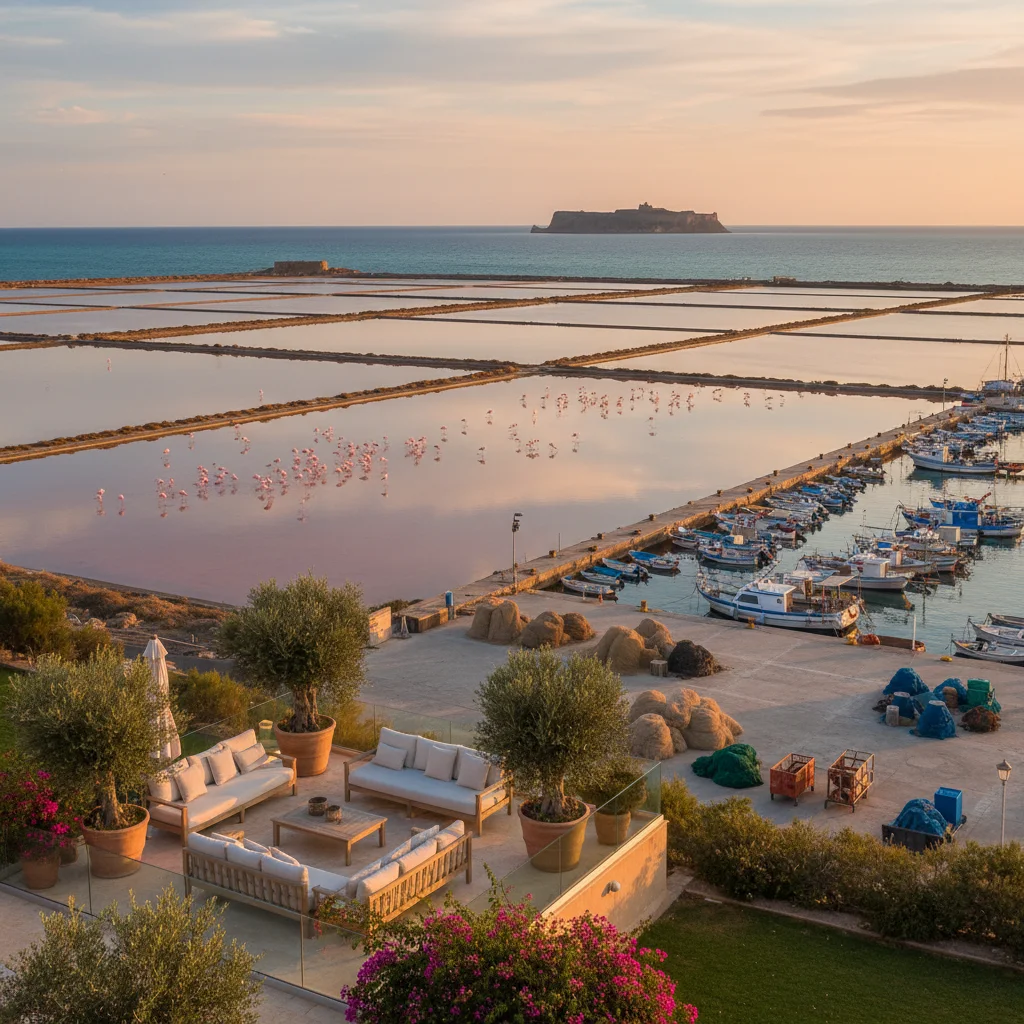
Santa Pola has resisted the full transformation that tourism brought to many of its neighbours. The fishing port still lands catches daily, the salt pans on the southern edge of town remain a working landscape that attracts flamingos and birdwatchers, and the town centre feels genuinely Spanish — busy with locals rather than expat-oriented businesses. The castle overlooking the port hosts a maritime museum, and the Cape Santa Pola lighthouse marks the dramatic cliffs that separate the town from neighbouring Gran Alacant.
The expat community here is smaller in proportion than towns further south, but it is well-established and tends to attract people who want a Spanish experience rather than a British enclave. Properties average around €200,000, with seafront apartments near the port from €150,000, townhouses in the streets behind the Paseo Marítimo from €180,000, and villas on the elevated ground near Cape Santa Pola from €300,000 upwards.
Outdoor cooking in Santa Pola carries a particular pleasure: the proximity of the fishing port means you can buy the morning’s catch and have it on the grill within the hour. Gambas from Santa Pola are renowned across Spain, and they are never better than cooked over charcoal within sight of the harbour where they were landed.
For the seafront apartments along the Paseo Marítimo and near the port, a compact gas BBQ or a small kamado is the practical choice. These properties often have terraces with sea views, and a 2-burner gas unit lets you grill those Santa Pola prawns without overwhelming the space. The salt air here is worth noting — Costa Blanca Outdoors recommends stainless steel construction for any equipment exposed to the coastal atmosphere, as painted steel corrodes noticeably faster this close to the water.
Townhouse owners in the residential streets behind the centre — particularly around the market area and towards the Gran Playa beach — typically have rear patios or rooftop terraces. A full-size gas BBQ with a protective cover works well here, and many of our customers in these properties add a tabletop pizza oven that stores indoors between uses.
Santa Pola’s compact layout makes deliveries efficient. The town centre and port area are flat and well-connected, with most apartment buildings accessible from wide main roads. Cape Santa Pola deliveries involve the winding road up to the elevated residential areas, but our team knows the route and access points well.
For seafront apartment deliveries, we confirm lift access in advance — some of the older blocks near the port have narrow staircases that require planning for heavier items like kamado grills and stone pizza ovens. Newer buildings along Gran Playa typically have goods lifts that handle our largest products without difficulty.
Premium Césped Artificial in Santa Pola: Transforming Coastal Spaces in Bajo Vinalopó
Located in the comarca of Bajo Vinalopó (Baix Vinalopó) in the Alicante province, the coastal town of Santa Pola offers a unique blend of traditional maritime heritage, stunning natural landscapes, and vibrant residential communities. Boasting 13 kilometers of diverse coastline, which includes approximately 11 kilometers of pristine sandy beaches, and offering clear views of the historic Isla de Tabarca offshore, Santa Pola is a highly sought-after destination for both permanent living and holiday retreats.
According to the 2025 INE padrón municipal, Santa Pola has a registered population of 39,709 residents. This population is characterized by a rich cultural diversity; historical census data from 2011 notes that foreign residents make up 21.8 percent of the population, with approximately 69.3 percent of those foreigners originating from the European Union, predominantly from the United Kingdom. Alongside this established international community, Santa Pola supports a robust domestic Spanish second-home market.
For homeowners in this Mediterranean enclave, maintaining a lush, green natural lawn is an ongoing battle against intense sun, high soil salinity, and severe water scarcity. Professional installation of high-quality césped artificial (artificial grass) has emerged as the premier landscaping solution for Santa Pola's villas, penthouses, and community gardens. It offers a year-round, low-maintenance green oasis that withstands the challenging coastal climate while drastically reducing water consumption.
Microclimates of Santa Pola: Why Local Conditions Dictate Your Turf Choice
Installing artificial grass on the Costa Blanca is not a one-size-fits-all project. Santa Pola's geography creates specific environmental challenges that must be addressed during the product selection and installation phases.
High Salitre (Sea-Salt) Exposure
With 13 kilometers of coastline, almost every property in Santa Pola is exposed to high levels of salitre (sea-salt spray carried by the wind). Salt air is highly corrosive to low-grade plastics and metals. When choosing artificial turf, it is vital to select products manufactured with high-grade, non-corrosive polymers (polyethylene and polypropylene) that will not degrade, fade, or become brittle when coated in salt residue. Furthermore, any companion outdoor structures, such as custom bioclimatic pergolas often installed alongside artificial lawns, must utilize marine-grade powder-coated aluminium to prevent oxidation.
The Levante Wind and Secure Anchoring
The easterly Levante wind blows directly off the Mediterranean, channeling across the flat salt marshes and rising up the cliffs of the Cape. These winds can reach high velocities. To prevent the turf from lifting, shifting, or wrinkling, installers must employ rigorous anchoring techniques.
We use heavy-duty, non-corrosive ground anchors and a substantial infill of kiln-dried silica sand (typically 10 to 15 kilograms per square meter). This sand infill not only weighs the grass down but also keeps the individual blades standing upright. For companion structures like pergolas, engineering standards must be exceptionally high, meeting Clase 6 UNE-EN 13659 wind resistance standards (capable of withstanding winds up to 175 km/h) and integrating automated wind sensors that adjust the system during sudden storms.
Intense UV Radiation
With over 300 days of sunshine a year, the UV index in Santa Pola is exceptionally high. Cheap artificial grass will quickly fade, turning a dull blue-grey or yellowish hue within a few seasons. We specify turf fibers treated with advanced UV stabilizers designed specifically for southern European climates. This ensures the vibrant green shades remain true for a decade or more, even when exposed to direct, unfiltered sunlight on south-facing solariums.
Mitigating the Gota Fría (DANA)
While Santa Pola is generally arid, the autumn months frequently bring the phenomenon known as the Gota Fría or DANA (high-altitude isolated depression). These meteorological events can dump massive volumes of rain in a matter of hours, leading to localized flooding.
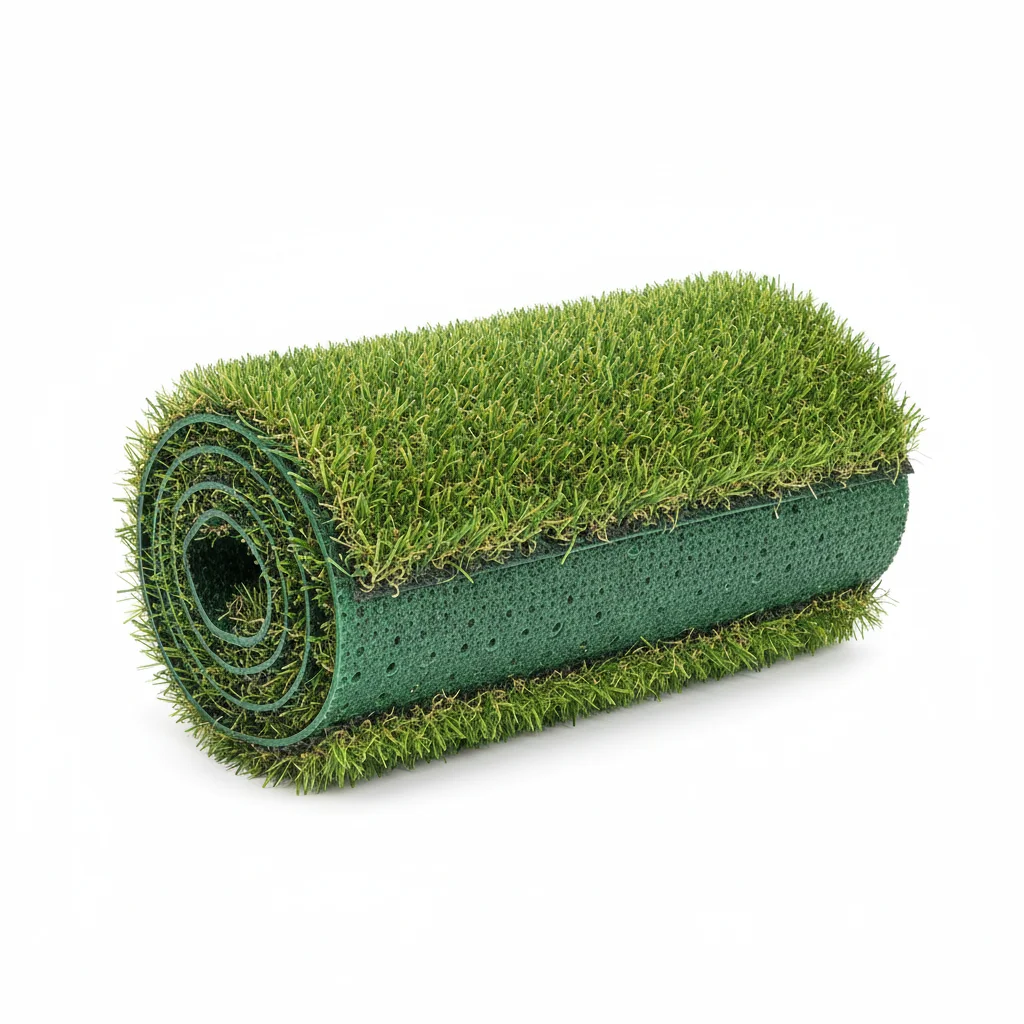
To prevent your garden from transforming into a swamp, the artificial grass and its underlying sub-base must have superior drainage capabilities. We install turf with a highly permeable backing that delivers a minimum drainage capacity of 60 liters per square meter per minute. This must be paired with a professionally graded, compacted aggregate sub-base (using gravel and crushed granite) rather than simple sand, ensuring that heavy rainwater drains instantly into the sub-soil.
Navigating Local Regulations: The Ayuntamiento de Santa Pola and Protected Natural Spaces
Landscaping in Santa Pola requires a deep respect for the local environment. The municipality is flanked by highly sensitive, protected ecosystems that constrain urban development and influence local planning permissions monitored by the Ayuntament de Santa Pola.
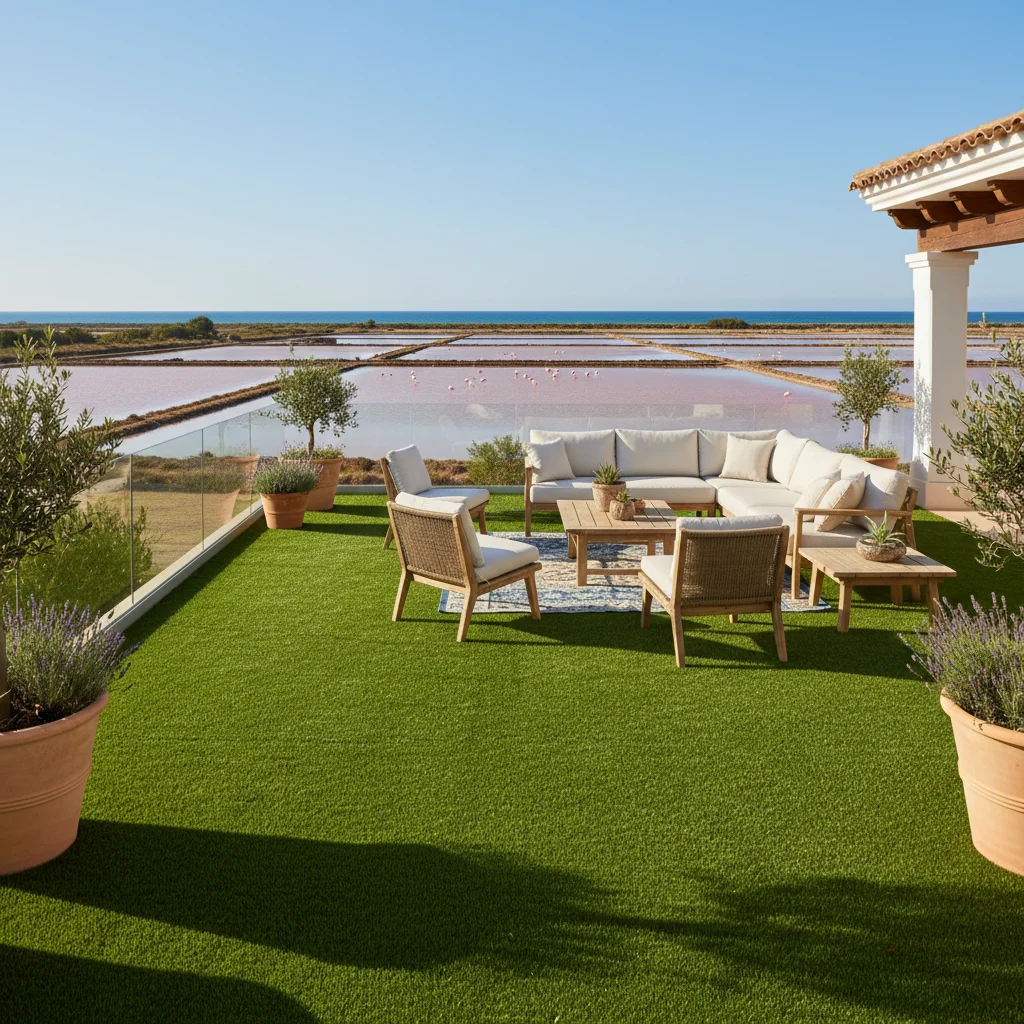
To the south and west of the town lies the Parque Natural de las Salinas de Santa Pola, a sprawling 2,470-hectare protected wetland of international importance. This area of salt pans, dunes, and freshwater pools is home to spectacular colonies of flamingos and rare waterfowl. To the north, the landscape is dominated by the Sierra y Cabo de Santa Pola, a protected geological feature rising to a 144-meter-high fossil-reef promontory, which is one of the few fossil reefs of its kind visible in Europe.
Because of these unique ecological boundaries, the Ayuntamiento de Santa Pola strictly monitors water usage and chemical runoff. Traditional grass lawns require heavy applications of chemical fertilizers, pesticides, and herbicides, which can leach into the groundwater and run off into the sensitive wetlands of the Salinas, causing severe ecological damage.
By opting for professionally installed artificial grass, homeowners in Santa Pola eliminate the need for chemical treatments entirely. Furthermore, because our installations are fully permeable (supporting 60 liters of water drainage per minute per square meter), they allow rainwater to naturally filter back into the local aquifer rather than overloading the municipal storm drains, aligning perfectly with sustainable coastal development goals.
Tailored Solutions for Santa Pola's Diverse Urbanizaciones
Santa Pola is made up of several distinct residential zones, each presenting unique installation environments and design preferences.
Gran Alacant
Situated on the northern slopes of the Cape, Gran Alacant is a major international enclave home to approximately 10,800 year-round residents. The population here is highly cosmopolitan, dominated by British and other European Union expats, alongside Spanish second-home owners. Properties in Gran Alacant range from multi-level townhouses with compact front gardens to modern detached villas with private swimming pools and rooftop solariums.
For Gran Alacant, we frequently install premium, high-density turf with a pile height of 38 mm to 47 mm around swimming pools. This provides a luxurious, cushioned feel underfoot that remains cool and comfortable for children and pets. On rooftop solariums, a shorter, highly resilient 32 mm pile is often preferred to handle heavy patio furniture and high-foot-traffic social gatherings.
Pueblo Levantino
Located inland towards the boundary with Elche, Pueblo Levantino features larger, rustic plots and spacious detached villas. Homeowners here often have expansive garden areas that are incredibly costly to irrigate with natural grass.
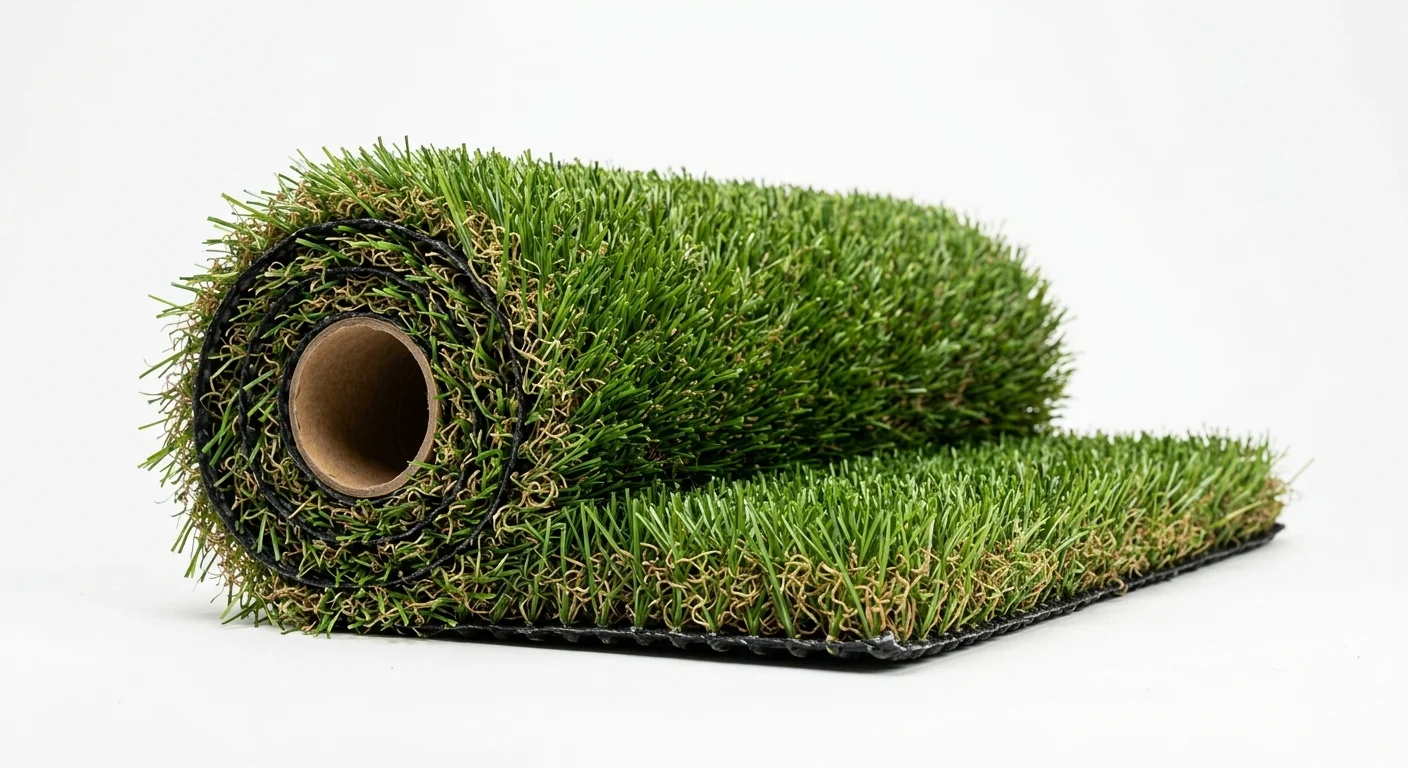
For these larger installations, we recommend a highly durable 35 mm to 40 mm pile with a natural multi-tone green and beige thatch. This blends seamlessly with the surrounding Mediterranean pines and olive trees, giving the appearance of a perfectly manicured country estate without the associated water bills.
Meleja and Punta La Sierra
These elevated residential zones sit closer to the rugged terrain of the Sierra y Cabo de Santa Pola. Gardens here are often characterized by sloping ground, rocky soil, and high exposure to the mountain winds.
Installation in Meleja and Punta La Sierra requires rigorous ground preparation. We utilize heavy machinery to excavate the rocky topsoil, install timber or concrete retaining borders to stabilize slopes, and lay a robust geofabric weed barrier before compacting the aggregate base. This ensures the turf remains perfectly level and secure, despite the challenging topography.
Els Xiprerets
Els Xiprerets is a well-established, tranquil residential area close to the town center, popular with permanent Spanish families and long-term retirees. The properties here often feature cozy tiled courtyards, pet runs, and family play areas.
For Els Xiprerets, we prioritize ultra-resilient, pet-friendly artificial grass. We select products featuring advanced polyurethane (PU) backing, which does not absorb moisture or pet odors like traditional latex backings can, ensuring a clean, hygienic, and easily washable outdoor space for the whole family.
Technical Specifications: What to Look For in Coastal Turf
To ensure your investment survives the harsh coastal conditions of the Bajo Vinalopó comarca, you must understand the technical specifications of the product you are purchasing.
| Feature / Specification | Standard / Requirement | Why It Matters in Santa Pola |
| :--- | :--- | :--- |
| Pile Height | 32 mm to 47 mm | Balances luxury underfoot with resilience against flattening. Shorter piles (32-35mm) are ideal for high-traffic and pets; longer piles (38-47mm) offer a lush, premium aesthetic. |
| Drainage Capacity | 60 liters / m² / minute | Crucial for handling torrential autumn DANA (Gota Fría) storms, preventing water pooling and sub-base erosion. |
| Yarn Material | 100% Polyethylene (PE) & Polypropylene (PP) | Resists salt-air corrosion (salitre) and does not absorb moisture, preventing rot and mold. |
| UV Stabilization | C8 Polymer / High UV Rating | Prevents the intense Costa Blanca sun from fading, yellowing, or degrading the synthetic fibers. |
| Wind Resistance (Structures) | Clase 6 UNE-EN 13659 (Up to 175 km/h) | Essential for companion pergolas and awnings installed over your artificial lawn to withstand strong Levante winds. |
| Backing Material | Polyurethane (PU) preferred over Latex | Highly recommended for pet owners; PU does not absorb pet urine, preventing lingering odors in the summer heat. |
Cost Breakdown: Supply and Professional Installation in Santa Pola
Investing in artificial grass is a highly cost-effective decision when viewed against the rising cost of water and garden maintenance in the Alicante province. Below is a realistic price orientation for materials and professional installation services in the Santa Pola area:
- Grass Material Only: 10 to 40 EUR per square meter. The price variation depends on pile height, fiber density, dtex rating (yarn weight), and the complexity of the multi-directional blade technology.
- Professional Installation Service: 25 to 60 EUR per square meter. This comprehensive service includes site excavation, weed membrane installation, importing and compacting the aggregate sub-base, precise turf cutting, seaming with high-strength marine-grade adhesive, perimeter anchoring, and silica sand infilling.
- Companion Outdoor Structures (Bioclimatic Pergolas): 300 to 800 EUR per square meter. Many homeowners choose to install these premium, wind-resistant structures alongside their new lawns to create shaded outdoor living rooms.
While DIY installation may seem tempting, hiring a professional installer with local experience in the Baix Vinalopó region is highly recommended. A professional understands how to handle the rocky soils of Punta La Sierra, how to grade the sub-base to handle a Gota Fría, and how to securely anchor the turf against the relentless Levante winds, ensuring your investment lasts for its full 15-to-20-year lifespan.
 JW'"
/>
JW'"
/>