Outdoor Living in Torrevieja
Torrevieja is the Costa Blanca’s largest expat city, with 90,000 residents — 35% from abroad including British, Scandinavian, Russian, and German communities — and a property market offering outdoor cooking setups for every budget starting from €160,000.
Torrevieja operates at a different scale to every other town on the Costa Blanca. This is a proper city with year-round services, a full hospital, and an international population that creates a genuinely cosmopolitan atmosphere. The famous pink salt lakes, the beaches at La Mata and Los Locos, and the Habaneras commercial centre give the city an energy that smaller towns cannot replicate.
The property market is the most varied in the region. Seafront apartments with compact balconies sit alongside detached villas in the outskirts. La Mata has a more relaxed feel, while the centre around Los Locos beach buzzes with street life. Average prices around €160,000 make Torrevieja one of the most accessible entry points for expats on the Costa Blanca.
Over 30,000 foreign residents means every outdoor cooking culture is represented. British barbecue traditions, Scandinavian grilling techniques, Russian shashlik culture, and German Bratwurst expertise all coexist within a few square kilometres — a vibrant scene with no single dominant style.
Torrevieja’s 90,000 residents and 35% expat population make it the Costa Blanca’s largest international city, with diverse property types and outdoor cooking cultures from British, Scandinavian, Russian, and German communities.
Choosing Your Setup in Torrevieja
From compact balcony grills for seafront apartments to full outdoor kitchen builds for La Mata villas, Torrevieja’s varied property stock demands flexible equipment recommendations.
Apartment owners — and there are many in Torrevieja — need equipment that works within building community rules. Many apartment complexes have regulations about open-flame cooking on balconies, making electric grills or gas plancha units the safest choice. Costa Blanca Outdoors recommends checking your community’s normas before purchasing, and we are happy to advise on compliant options for any specific building.
For townhouse and villa owners in the residential areas behind Los Locos, along the La Mata strip, or in the urbanisaciones toward San Luis, the full range of options opens up. A gas BBQ is the essential starting point — reliable, fast, and perfect for the spontaneous midweek grilling that Torrevieja’s social calendar demands. Add a kamado grill for weekend projects, or a countertop pizza oven for something different.
Torrevieja’s coastal position means salt air is a factor for any metal equipment. Stainless-steel construction or properly rated powder-coat finishes will outlast cheaper alternatives by years. Consider this an investment in longevity — replacing a corroded budget grill every two seasons costs more than buying quality once.
Costa Blanca Outdoors recommends checking apartment community rules before purchasing balcony grills in Torrevieja, and investing in stainless-steel or marine-rated finishes to combat coastal salt air corrosion.
Delivery to Torrevieja
We deliver across all Torrevieja neighbourhoods weekly — from La Mata in the north to the city centre and southern residential areas — as the hub of our southern Costa Blanca route.
Torrevieja is the anchor point for our southern delivery operation. We know the city thoroughly — the one-way systems in the centre, the loading restrictions along the seafront, the access routes for apartment blocks near Los Locos, and the quieter streets of La Mata.
For apartment deliveries, we coordinate building access, lift capacity, and timing with building administrators in advance. Villa deliveries in the outskirts and urbanisaciones are straightforward, with wide roads and private driveways. Every delivery includes full unpacking, assembly, placement, and a walkthrough of your equipment.
Torrevieja connects naturally to our wider southern network. Orihuela Costa starts immediately to the south, Rojales and Ciudad Quesada are a ten-minute drive inland, and San Fulgencio sits just to the north. Standard delivery is 5–10 working days for in-stock items, with custom outdoor kitchen builds running 3–4 weeks from design to installation.
Effective Outdoor Lighting Strategy for Torrevieja Residences
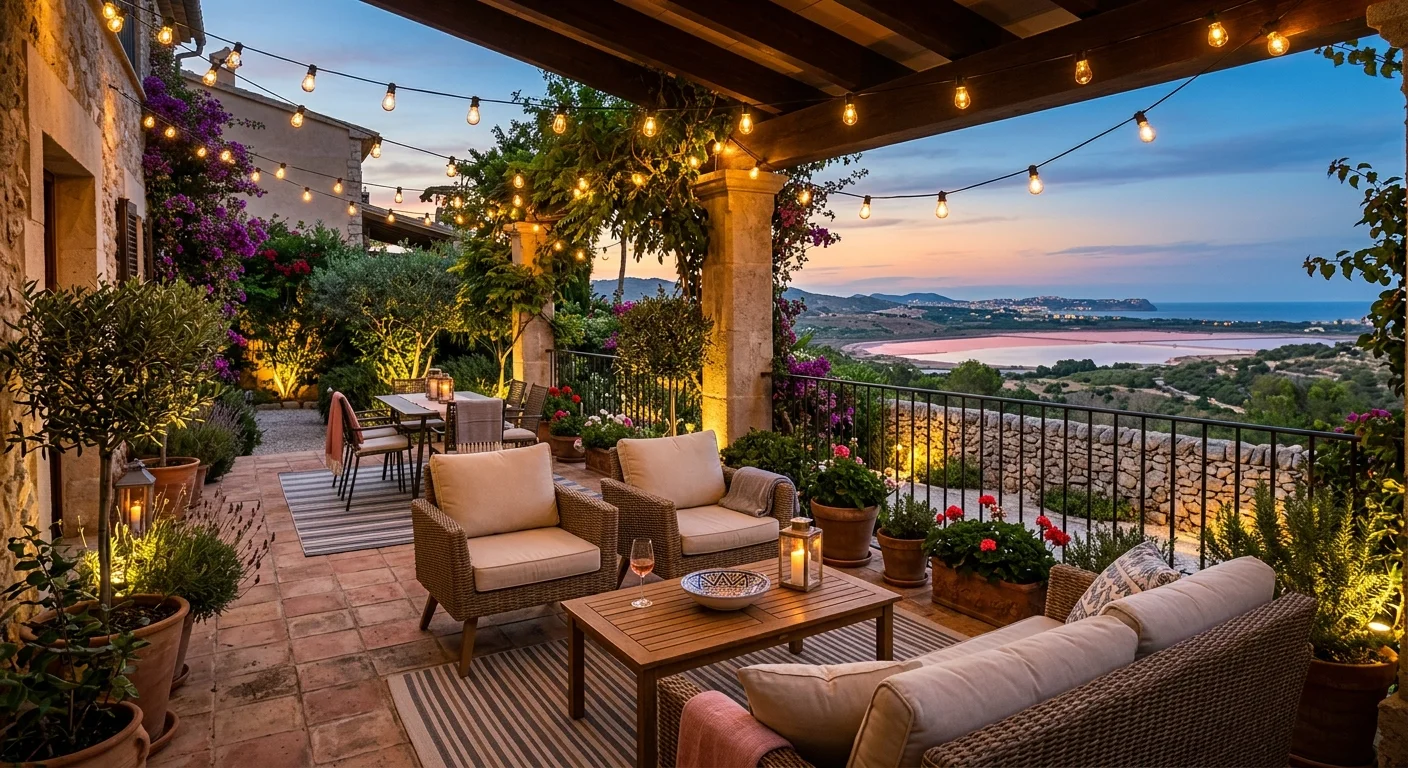
Living on this part of the coast means your terrace or garden serves as a secondary living room for at least nine months of the year. When the sun dips behind the Sierra Escalona and the heat starts to radiate off the tiles, the right lighting setup defines whether you stay outside or retreat indoors. Most properties here, from the compact apartments near the Paseo Marítimo to the sprawling urbanisation villas in areas like La Siesta or Los Balcones, suffer from a common issue: a single, harsh fluorescent bulkhead light installed by the original developer. This creates a binary environment of either blinding glare or pitch darkness. With 35% of our 90,000 residents coming from international backgrounds—predominantly British, Scandinavian, and German—there is a sophisticated demand for outdoor spaces that mirror the quality of interior design. Scandinavians typically lean towards the 3000K warm white spectrum to create a hygge atmosphere, while British homeowners often prioritise functional, social lighting for late-night dining.
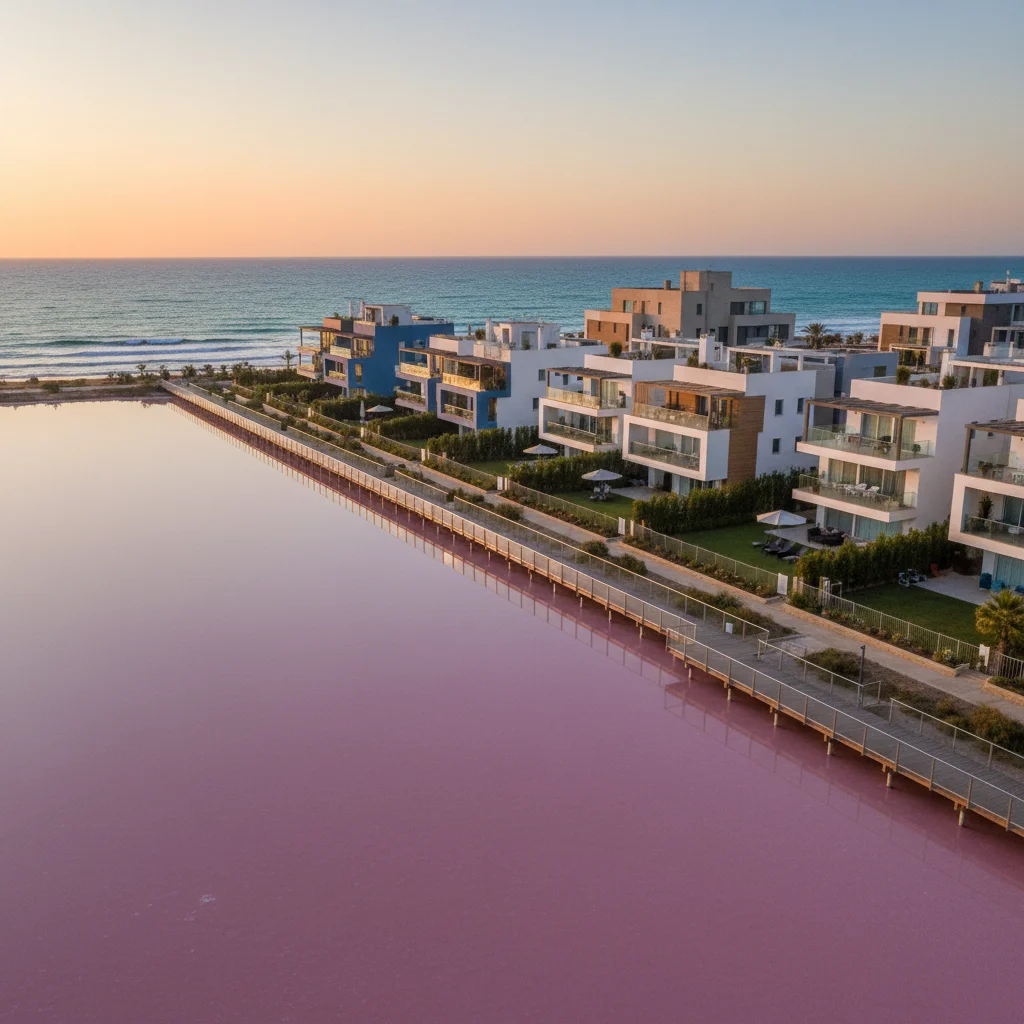
The local landscape is shaped significantly by the presence of the Pink Salt Lake and the proximity to the Mediterranean. This environmental duality creates a microclimate that is markedly hotter and drier than the northern Costa Blanca, but it also introduces high levels of salt-laden humidity. In neighborhoods flanking the lagoons or La Mata, the air carries a corrosive quality that can perish cheap plastic fittings within a single season. Most properties in this price bracket, averaging around EUR 170,000, are built within golf resort communities or densely packed urbanisations where shared garden walls are the norm. In these settings, lighting is not just about visibility; it is about reclaiming your privacy and defining your boundaries. A well-placed set of architectural LEDs can turn a plain white boundary wall into a soft, glowing backdrop that makes a small 20m² terrace feel significantly more spacious and integrated.
Practicality must drive your choices because the elements here are unforgiving. The primary challenge for any outdoor electrical installation in this region is the calima. This fine, Saharan dust settles on everything and, when mixed with the morning dew or salt lake humidity, creates a conductive paste that can wreak havoc on motion sensors and solar panels. If you choose PIR motion sensors for security, you will likely find they trigger erratically during a calima or fail altogether once the lens becomes coated in dust. I always advise residents to opt for manual switches or high-quality dusk-to-dawn photocell sensors located in sheltered positions. Furthermore, the afternoon sun is exceptionally strong here. Any lighting fixture made of low-grade polycarbonate will yellow and become brittle within twenty-four months. You should look for fittings made of marine-grade stainless steel or powder-coated aluminium with a high UV resistance rating.
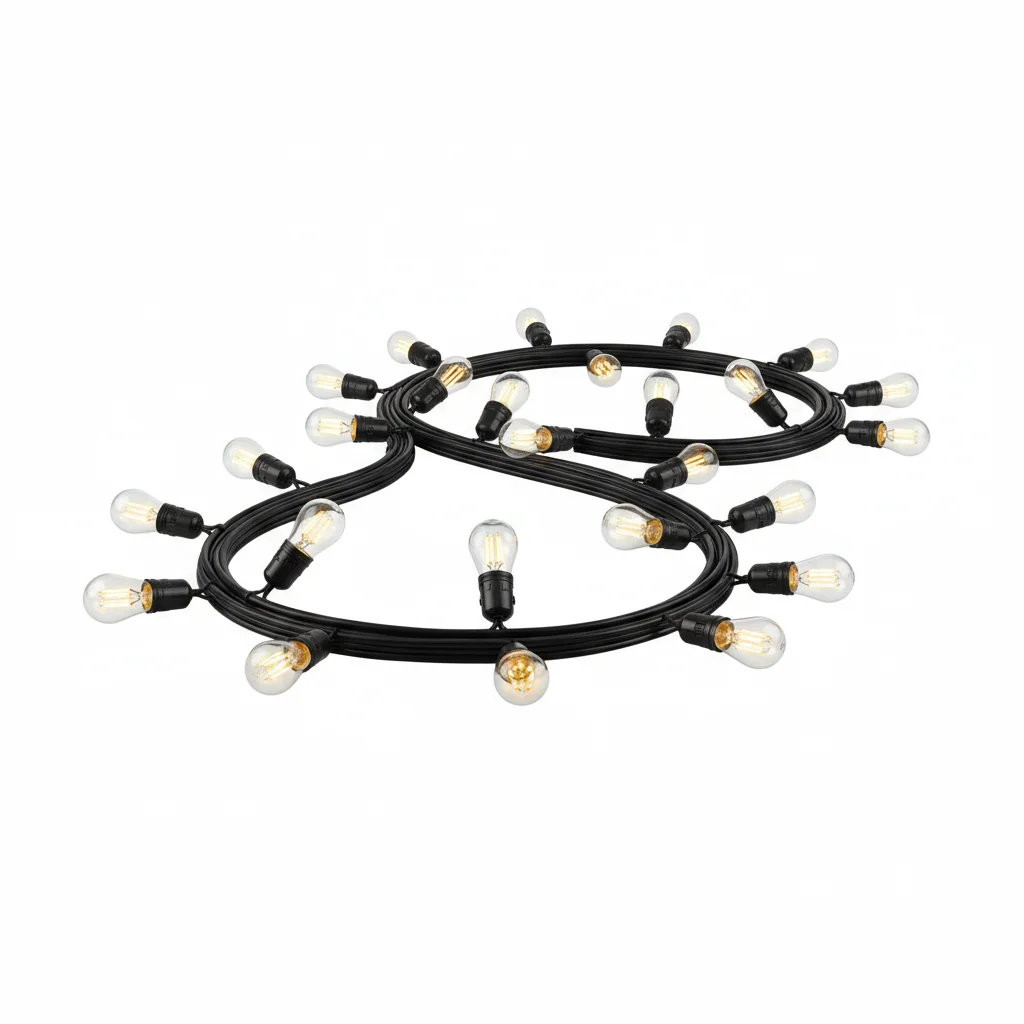
Technical specifications matter immensely when you are dealing with local building styles. Most terraces here are finished with ceramic tiles over a concrete slab, which makes retrofitting recessed ground lights a labor-intensive task involving diamond-core drilling. Instead, I often recommend surface-mounted LED spotlights or festoon strings for an immediate and cost-effective transformation. For a standard urbanisation villa, a professional-grade set of 15-meter festoon lights with shatterproof LED bulbs typically costs between EUR 120 and EUR 185. These provide a broad, even wash of light that is perfect for the outdoor cooking culture prevalent among the German and British expat communities. When installing these, ensure the cable is rated for outdoor use and that the sockets are oriented downwards to prevent water ingress during the heavy autumnal rains we experience during the Gota Fría.
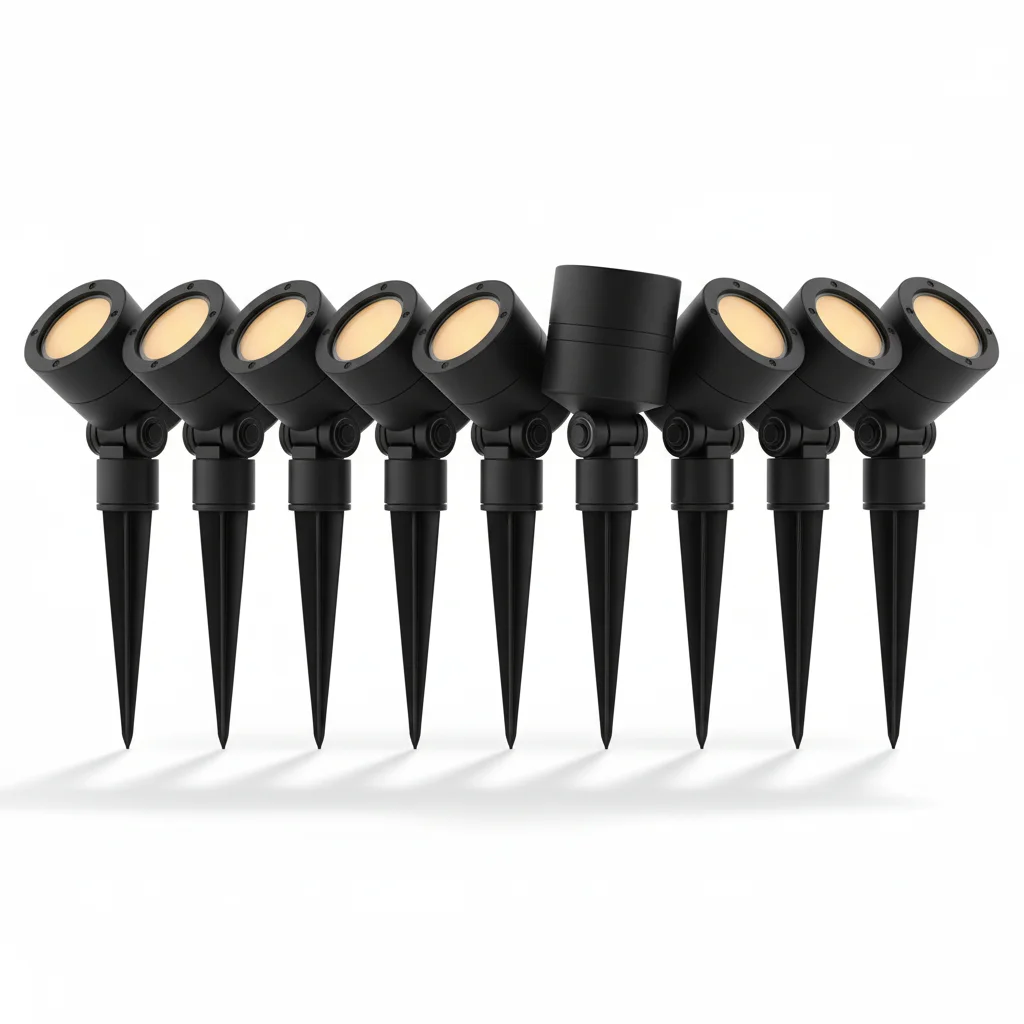
The local comunidad de propietarios rules are another factor that often catches newcomers off guard. In many apartment complexes near the Habaneras shopping center or in the gated communities of the Orihuela Costa, there are strict regulations regarding light pollution and aesthetic uniformity. You generally cannot install high-intensity floodlights that spill over into a neighbor’s terrace or upward-facing beams that disrupt the night sky. The goal should be "dark-sky compliant" lighting—fixtures that direct light exactly where it is needed, usually downwards. This is where low-voltage 12V systems shine. They are safer for DIY installation, especially around irrigation systems or artificial-grass, and the smaller fixtures are much easier to conceal within the architecture of a typical Spanish villa. A high-quality 12V transformer and a starter kit of four directional spotlights will usually range from EUR 250 to EUR 400, providing a sophisticated look without violating community bylaws.
For villa owners in more open areas like San Miguel de Salinas or the outskirts of Los Montesinos, the lighting strategy should focus on depth. If you only light the terrace immediately adjacent to the house, the rest of the garden becomes a black void, which can be unsettling. By placing low-wattage LED spikes at the base of palms or olive trees at the perimeter, you draw the eye outward, effectively doubling the perceived size of your property at night. This technique works particularly well when combined with garden-fencing. If you have installed grey or anthracite fencing for privacy, backlighting it with a linear LED strip or a series of small up-lights creates a dramatic silhouette effect. The contrast between the dark fence and the warm light brings a level of architectural sophistication usually reserved for much higher-priced properties.
Apartment dwellers with smaller balconies require a different approach. Space is at a premium, so floor-standing lamps are often impractical. The most effective solution here is wall-mounted "up-and-down" lights. These fixtures cast a cone of light both upwards and downwards, highlighting the texture of the wall while providing enough ambient light to read by without the need for a central overhead fixture. A pair of these in a matte black or brushed steel finish can be sourced for approximately EUR 65 to EUR 110 each. When combined with artificial-grass on a balcony, the light reflects softly off the green blades, creating a lush, organic feel that counters the urban heat of the city center. This setup is particularly popular among Scandinavian residents who value a clean, minimalist aesthetic that doesn't clutter the limited floor space.
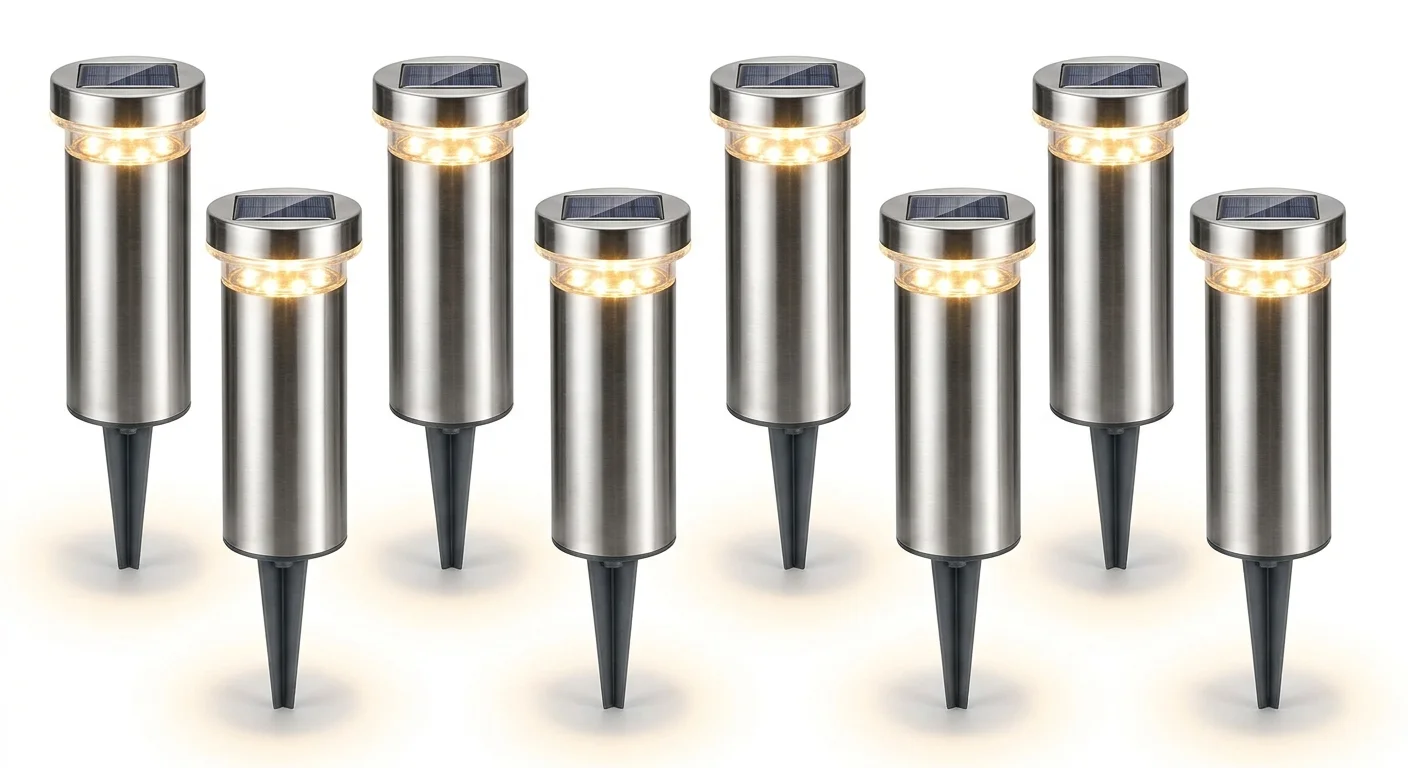
If you are considering solar lighting, you must be discerning. The cheap plastic stakes found in local hardware stores are essentially disposable items that will fail after the first heavy rain or a particularly dusty week. However, high-end solar technology has improved significantly. For residents in sun-drenched areas like Guardamar or Rojales, professional solar bollards with integrated lithium-ion batteries and oversized monocrystalline panels can offer a genuine alternative to hard-wired systems. Expect to pay between EUR 80 and EUR 200 per unit for these professional-grade solar lights. They are ideal for lighting long driveways or paths where trenching cables through established gardens or concrete would be too expensive. They also remain functional during the occasional power flickers that can occur in some older urbanisations during peak summer demand.
Maintenance is a reality that many homeowners overlook until their lights start flickering. In this high-salt environment, you should treat your outdoor lighting like you treat your car. Every few months, especially after a calima, take a damp cloth and wipe down the lenses and the bodies of the fixtures. This prevents the salt and dust from etching into the finish and ensures maximum light output. For those living very close to the salt lakes, applying a thin coat of silicone spray to metal fixtures can provide an extra layer of protection against the unique atmospheric chemistry of the area. It is these small, localized tips that ensure an investment of EUR 1,000 in lighting lasts for a decade rather than just a couple of seasons.
Logistics in this part of the Costa Blanca can be challenging, particularly in the older parts of the city where narrow streets and one-way systems make delivery and installation tricky. My team and I are intimately familiar with the layout of these neighborhoods, from the busy avenues near the marina to the winding residential streets of the Orihuela Costa. We understand that getting a delivery van into some of the tighter golf resort communities requires timing and local knowledge of the access gates and security protocols. We regularly serve the entire corridor from Guardamar down to Pilar de la Horadada, ensuring that we bring not just the products, but the right tools and fixings suited to the specific construction materials used in these local homes—whether that is hollow clay bricks or solid concrete lintels.
Choosing the right outdoor lighting is about more than just buying bulbs; it is about understanding how the light interacts with the specific environment of the southern Costa Blanca. It is about knowing that the salt air will eat through cheap chrome and that the Saharan dust will blind a poor-quality sensor. Whether you are looking to create a cozy nook on a 10m² balcony or illuminate a full garden in Rojales, the principles of durability, community consideration, and architectural integration remain the same. I invite you to reach out for a free consultation where we can look at your specific plot, discuss the orientation of your terrace, and design a lighting plan that truly works for your lifestyle. We can help you navigate the technical requirements and ensure your outdoor space becomes the sanctuary you envisioned when you first moved to this unique corner of Spain.
 JW'"
/>
JW'"
/>