Outdoor Living in Villajoyosa
Villajoyosa — La Vila Joiosa in Valencian — is an authentic Spanish coastal town of 35,000 residents with a 15% expat community, famous for its rainbow-painted seafront houses, Valor chocolate factory, and an active fishing port that puts fresh-caught seafood on the grill within hours of landing.
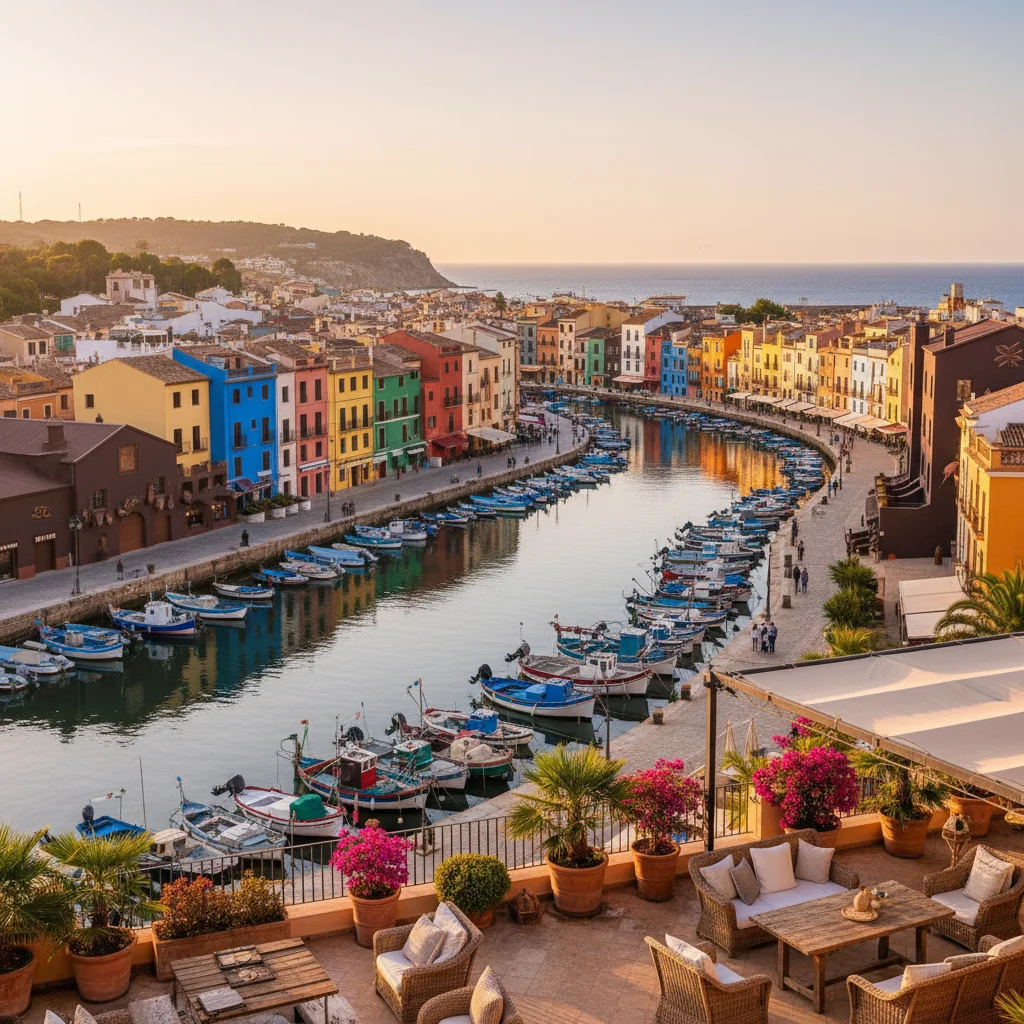
Villajoyosa feels different from the resort towns that surround it. This is a working town with a genuine Spanish identity. Fishermen still haul catches into the port each morning, the Valor chocolate museum draws visitors from across the province, and the iconic coloured houses along the waterfront have become one of the Costa Blanca’s most photographed landmarks. At €200,000 average, property prices remain remarkably accessible for a coastal town with this much character.
The old quarter climbs the hillside behind the seafront in a tangle of narrow streets and traditional houses. Behind the town, residential villas dot the slopes with sea views. Beachfront apartments line the Playa Centro and extend toward the quieter Paraiso and Bol Nou beaches to the south. This variety means outdoor cooking setups range from compact balcony grills on seafront apartments to full terrace installations on hillside villas.
The expat community, while smaller proportionally than in neighbouring Benidorm or Finestrat, is a committed group of residents who chose Villajoyosa specifically for its authenticity. British, Dutch, and German homeowners mix easily with the Spanish majority, and the town’s restaurants, fiestas, and beach culture create a social environment where outdoor entertaining is a weekly fixture, not a special occasion.
Villajoyosa’s authentic Spanish coastal character, affordable property market, and active fishing port create a unique outdoor cooking environment where fresh seafood, colourful streetscapes, and a genuine community come together.
Choosing Your Setup in Villajoyosa
With fresh fish from the port, hillside villa terraces, and a seafront that demands stainless steel — Villajoyosa’s equipment choices need to balance coastal conditions with the town’s exceptional access to quality produce.
The fishing port changes your approach to outdoor cooking. When you can buy dorada, lubina, or gambas straight off the boat each morning, a gas plancha or flat-top grill becomes essential rather than optional. Many of our Villajoyosa customers add a plancha attachment to their main BBQ specifically for seafood — the high, even heat sears fish perfectly without the flare-ups that grill grates can cause.
For beachfront apartment owners along Playa Centro, a compact gas BBQ rated for balcony use is the practical choice. Salt air is a serious consideration this close to the water — Costa Blanca Outdoors exclusively recommends stainless-steel construction or marine-grade coated models for any seafront position. Check your building’s community rules regarding balcony cooking before purchasing, and we will advise on compliant options.
Hillside villa owners have more options. A full gas BBQ, a pizza oven for weekend bread and pizza sessions, and a kamado grill for smoking the fresh fish and seafood that the port provides daily. The elevated positions above town typically get good afternoon breezes, which helps with charcoal and wood-fired cooking but means positioning your setup with a windbreak is sensible.
A wood-fired pizza oven pairs beautifully with the local food culture. Villajoyosa’s bakeries and the Valor chocolate tradition reflect a town that takes food seriously — your outdoor kitchen fits right into that heritage.
Prioritise stainless steel for seafront apartments, add a plancha for the port’s fresh seafood, and take advantage of hillside villa space for full outdoor kitchen builds — Villajoyosa’s food culture deserves quality equipment.
Delivery to Villajoyosa
We deliver across all Villajoyosa neighbourhoods weekly — from the seafront apartments to the hillside villas and the old quarter — as part of our central Costa Blanca route.
Villajoyosa is a regular stop on our central delivery circuit. The town is well laid out with good road access to most areas, though the old quarter requires some care with narrow streets and limited parking. For seafront apartment deliveries, we coordinate lift access, timing, and building entry in advance. Hillside villa deliveries are straightforward, with private driveways and easy terrace access.
Every delivery includes full unpacking, assembly, placement in your chosen spot, and a walkthrough of your equipment’s features and maintenance requirements — particularly important for coastal locations where salt air care extends the life of your investment.
Villajoyosa sits between several towns on our regular route. Benidorm is ten minutes north, Finestrat just inland, and Campello a short drive south toward Alicante. We combine deliveries across these towns regularly.
Standard delivery for in-stock items is 5–10 working days. Custom outdoor kitchen installations for hillside villas run 3–4 weeks from design to completion, including countertop construction, equipment fitting, and all gas connections.
Fixed Pergolas in Villajoyosa: Professional Solutions for a Coastal Climate
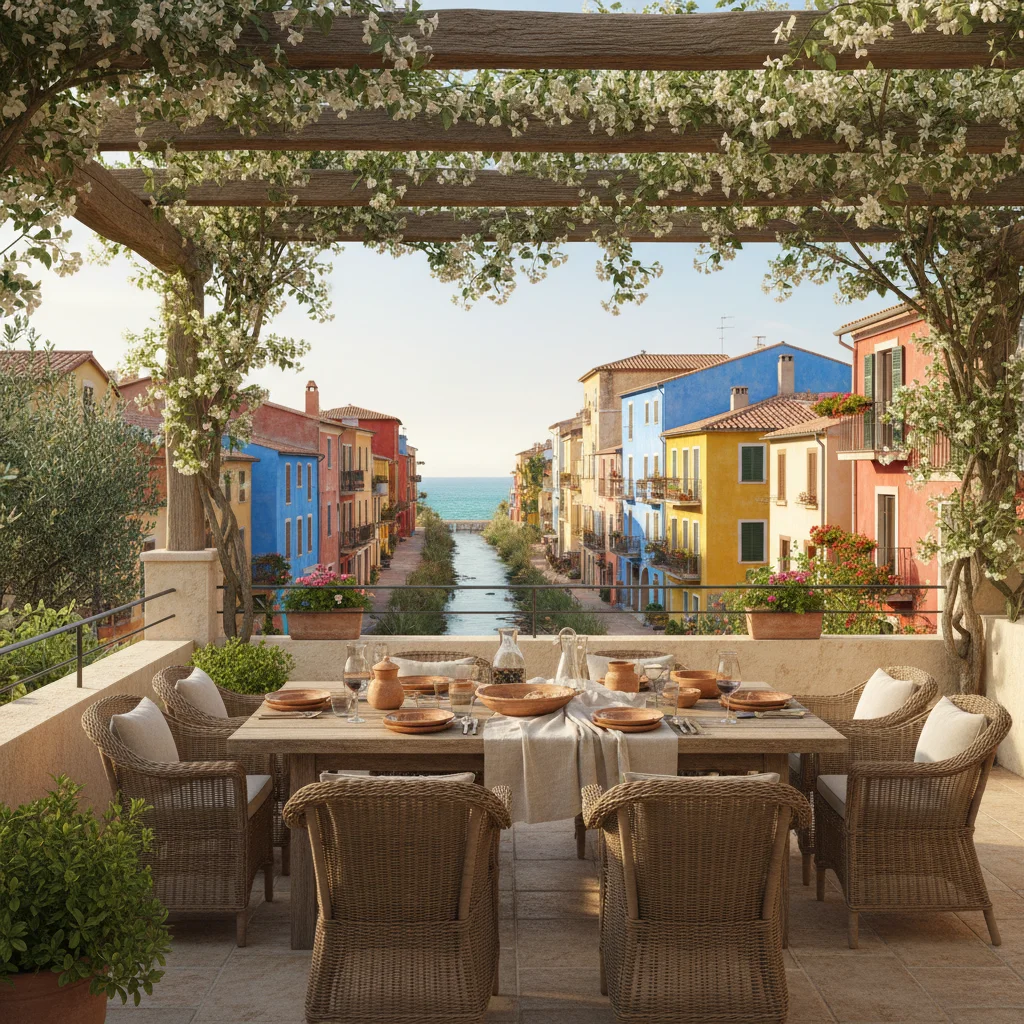
Living in this corner of the Marina Baixa offers a unique microclimate that differs significantly from the inland valleys or even the high-rise landscape of neighboring Benidorm. Since moving to the Costa Blanca in 2019, I have spent a great deal of time observing how the local environment interacts with outdoor structures, particularly in a town characterized by its historic fishing heritage and its iconic, brightly painted seafront houses. The architectural diversity here is striking, ranging from the narrow, high-density plots near the central fishing port to the more expansive modern villas and apartment complexes that have sprouted up toward the outskirts. About 15% of our neighbors here are international residents, with a heavy concentration of British, Dutch, and German expats who have traditionally brought a culture of high-end outdoor entertaining to the region. This demographic shift has changed the way we view our terraces; they are no longer just places to dry laundry but serve as secondary living rooms and fully functional kitchens. A fixed pergola provides the structural backbone for this lifestyle, offering a permanent architectural solution that can withstand the specific environmental pressures of this coastal location.
The choice to install a permanent structure rather than a temporary awning or a parasol is usually driven by the sheer intensity of the elements here. In the shadows of the local chocolate museum or along the palm-lined promenade, the sun is relentless from May through October, but it is the wind that truly tests a property. When you are situated this close to the Mediterranean, you are at the mercy of the Levante and Poniente winds. A fixed pergola, whether constructed from high-grade aluminium or treated timber, offers a level of stability that retractable systems simply cannot match during a sudden gust. For residents in the newer developments near the beachfront or the elevated plots overlooking the sea, the outdoor space is often the primary selling point of the property. Integrating a fixed structure allows for a seamless transition between the interior and the terrace, effectively increasing the usable square footage of a home where the average property price hovers around EUR 200,000. In these contexts, the pergola becomes a long-term investment in the property’s value rather than a mere accessory.
Our local outdoor living scene has been heavily influenced by the northern European desire for "alfresco" dining, but adapted for the Spanish heat. The British and Dutch residents, in particular, often prioritize large dining setups and outdoor sofas that require permanent protection. Because the property stock here is so varied, we see everything from compact 15-square-meter balconies to 100-square-meter garden terraces. A fixed pergola provides the necessary framework to define these spaces. In the denser parts of town, these structures also offer a vital layer of privacy from overlooking neighbors, a common concern in the apartment blocks near the center. By carefully positioning the rafters or adding integrated side screens, we can create a secluded sanctuary even in a bustling coastal town.
Technical Considerations for the Local Environment
The proximity to the sea is the single most important factor when choosing materials for a fixed pergola in this specific area. If your property is within two kilometers of the shoreline—which encompasses almost the entire residential area of the town—the salt spray is a constant presence. Salt air is incredibly corrosive; it will find the smallest weakness in a finish and begin to oxidize the metal underneath. For this reason, I always recommend "Qualicoat Seaside" grade powder-coated aluminium for any metal installations. This is a higher specification than standard powder coating and is specifically designed to resist the caustic effects of a marine environment. A standard 4x3 meter aluminium fixed pergola with this treatment typically starts at approximately EUR 4,500, but it is a necessary expense to ensure the structure doesn't show signs of pitting or bubbling within three years.
Wind load is the second major concern. The Levante wind can arrive with surprising force, often catching residents off guard. While many choose bioclimatic-pergolas for their adjustable slats, a classic fixed pergola with a solid roof or heavy-duty rafters offers a different kind of reliability. When we install these structures, we use heavy-duty chemical anchors to secure the base plates into the concrete slab of the terrace. This is not the place for simple expansion bolts. If you are living in an apartment, you must also consider the rules of your Comunidad de Propietarios. In my experience helping over 200 families across the coast, the community statutes in this town can be quite specific regarding the color of the structure and the type of roofing material allowed. Most communities will insist on a color that matches the existing joinery of the building, often a specific Ral code like 7016 Anthracite or 9010 White.
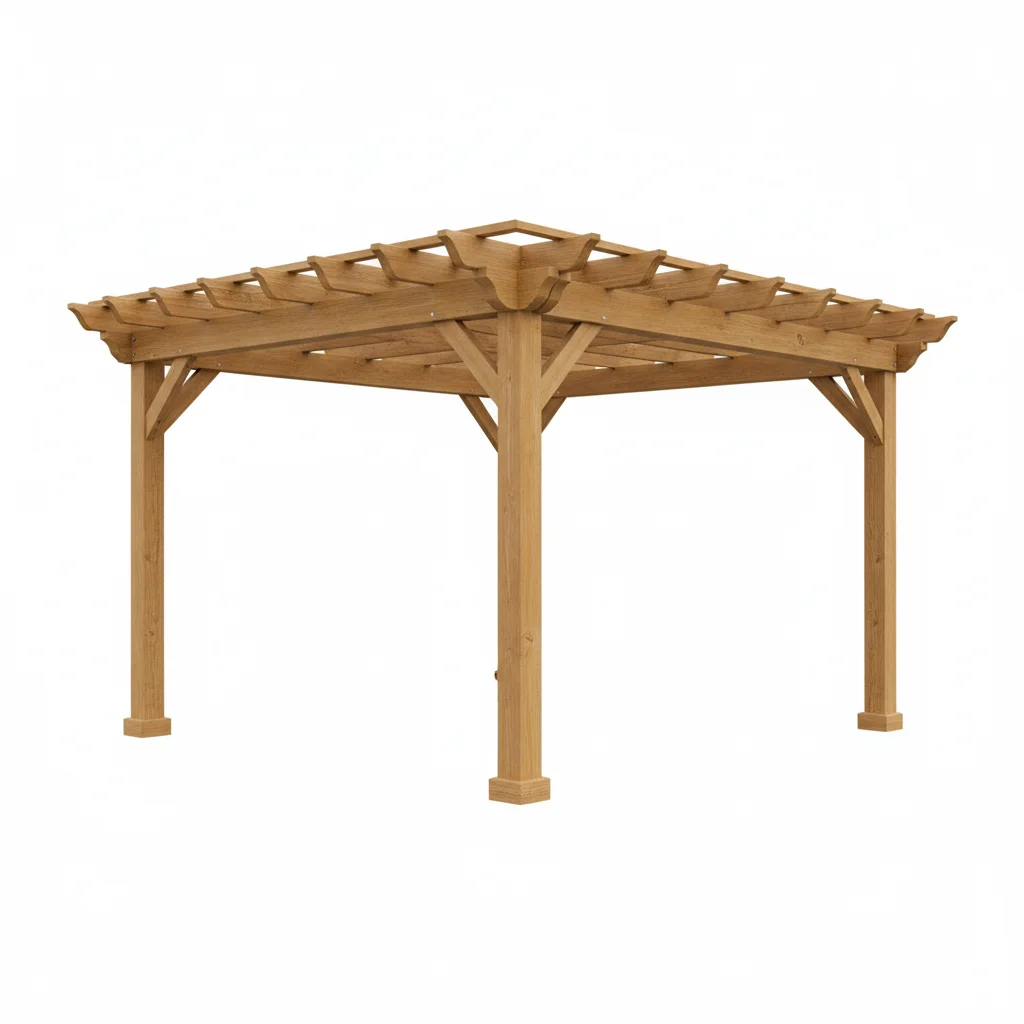
For those who prefer the warmth of wood, the maintenance requirements in this climate are significant. The intense UV radiation here will bleach unprotected timber in a single season. We only use Class 4 autoclaved pine or glulam beams for our wooden structures, which are then treated with a high-quality "lasur" rather than a traditional varnish. A lasur penetrates the wood and allows it to breathe, preventing the peeling and cracking that is so common with cheap supermarket-bought treatments. A bespoke wooden pergola, measuring 5x4 meters, professionally installed and treated, will generally range between EUR 3,500 and EUR 6,000 depending on the thickness of the posts and the complexity of the roof design. I personally recommend 120x120mm posts as a minimum for stability and aesthetic balance; anything thinner tends to look spindly against the backdrop of a Mediterranean villa.
Maintenance for these structures also involves managing the local dust and calima. The fine red sand that occasionally blows over from the Sahara can settle in the joints and tracks of outdoor equipment. A fixed pergola is relatively low maintenance in this regard, but the choice of roofing is key. If you opt for a polycarbonate roof, it needs to be at least 16mm multi-wall to provide any real thermal insulation, otherwise, the space beneath it will become an oven in July. A better option for our climate is often a sandwich panel roof or high-quality canvas that can be tensioned over the rafters. These materials provide better shade and are much easier to keep clean from the salt and dust that characterize our local atmosphere.
Tailored Configurations for Local Property Types
The strategy for a fixed pergola should change based on the specific type of property you own. For the detached villas found in the quieter residential areas on the outskirts, I typically recommend a large-scale timber structure that echoes the traditional Spanish "porche." A 6x4 meter configuration with a pitched roof and tegola (bitumen shingles) provides a robust, permanent outdoor room. This setup works exceptionally well when combined with a built-in outdoor kitchen, as the timber helps to dampen the acoustics of a lively dinner party. The price for a high-specification wooden structure of this size, including roofing and professional installation, usually sits around EUR 7,000 to EUR 9,000. It creates a focal point in a garden and provides a year-round space for dining that is protected from both the summer sun and the occasional heavy winter downpours.
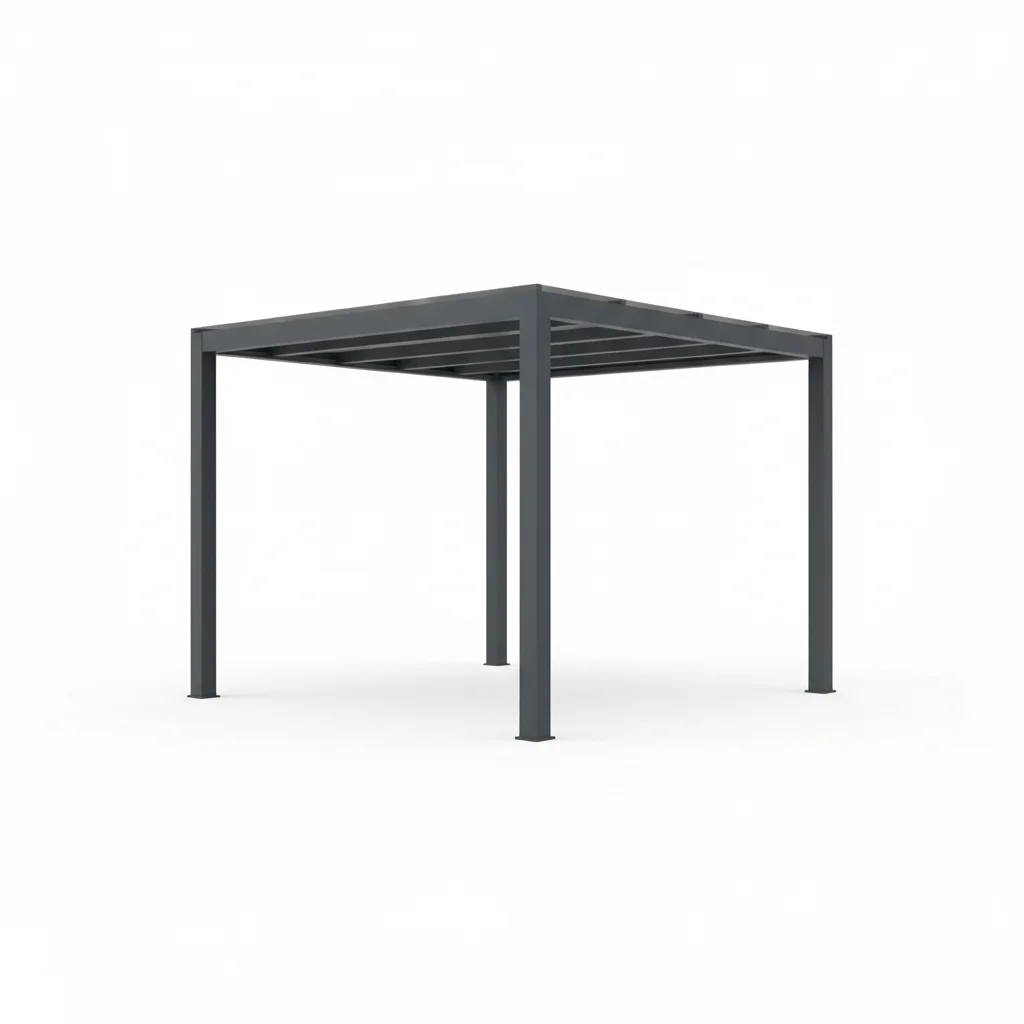
For the apartments closer to the fishing port or the seafront, space is often at a premium, and the weight of the structure becomes a consideration. Here, a sleek aluminium fixed pergola is almost always the superior choice. An aluminium frame is lighter than wood but offers incredible structural integrity. I often suggest a "lean-to" design for these terraces, where the pergola is anchored to the wall of the building on one side and supported by only two posts at the front. This maximizes the floor space and maintains an unobstructed view of the Mediterranean. For these apartment setups, we often integrate related products like awnings or glass curtains. By adding vertical drop awnings to the sides of a fixed pergola, you can block the low-lying afternoon sun that hits the coast, while glass curtains can turn the pergola into a fully enclosed sunroom for the cooler months of January and February.
If your terrace is particularly exposed to the wind, we can specify a "fixed-slat" aluminium roof. Unlike a bioclimatic system where the slats move, these are welded or bolted into a fixed position, usually at a 45-degree angle. This allows for constant airflow and prevents the "sail effect" that can occur with solid roofs, while still providing 80-90% shade coverage. This is a very popular middle-ground solution for residents who want the modern look of a bioclimatic system but prefer the simplicity and lower price point of a fixed structure. A 3x3 meter fixed-slat aluminium pergola will typically cost around EUR 3,200. It is a bulletproof solution for high-floor penthouses where wind speeds are significantly higher than at ground level.
In any of these configurations, the goal is to create a space that feels like a natural extension of the home. We often see homeowners trying to save money by using "off-the-shelf" kits from large DIY stores. In my experience, these rarely survive the first major storm of the season. The gauge of the aluminium is usually too thin, and the fixings are not designed for the salt-heavy air of the Marina Baixa. Investing in a professional-grade fixed pergola means you are getting a structure designed to last 20 years or more, tailored to the exact dimensions of your terrace and the specific requirements of your property type.
Local Logistics and Expert Installation
The logistics of installing a fixed pergola in this town require local knowledge that goes beyond simple construction. If your property is located in the historic center near the coloured houses, the streets are incredibly narrow and often pedestrianized. We have to coordinate deliveries with precision, often using smaller transit vehicles to get materials as close as possible before hand-carrying components to the site. This is a very different process than a delivery to a modern villa in nearby Finestrat or the wide avenues of Benidorm, where we can bring in large trucks and cranes if necessary. We are well-acquainted with these local challenges and have adapted our installation processes to suit the specific urban layout of the area.
Our team frequently works across the surrounding towns, including Campello and Alicante, but we have a particular affinity for the unique challenges presented here. Whether you are dealing with the steep inclines of the northern residential hills or the coastal wind tunnels created by the beachfront apartment blocks, we understand how to anchor a structure so it stays put. We also understand the local bureaucracy. If your installation requires a "declaración responsable" or a specific permit from the town hall, we can provide the necessary technical drawings and specifications to ensure the process goes smoothly. Our knowledge of the local building styles means we can recommend finishes and colors that won't just look good today, but will remain compliant with community standards for years to come.
I believe in a transparent approach to pricing and design. Every terrace is different, and there is no one-size-fits-all solution for a coastal environment like ours. When I visit a property for a consultation, I look at the orientation of the terrace, the prevailing wind direction, and the existing drainage systems. A poorly placed pergola post can interfere with water runoff during a heavy storm, leading to pooling and potential leaks. These are the details that only come from years of installing structures in this specific region.
If you are looking to transform your outdoor space into a permanent, functional room, I am happy to offer a free, no-obligation consultation. We can discuss the various material options, from sustainable timber to marine-grade aluminium, and find a design that fits both your budget and the architectural style of your home. My goal is to ensure that your investment in a fixed pergola provides you with the same level of enjoyment that the 200 other families I’ve helped across the Costa Blanca are currently experiencing. We can meet at your property to measure up and provide a detailed quote that covers everything from the initial design to the final bolt.
 JW'"
/>
JW'"
/>